REVIEW · KYOTO
Private Customized Tour with Local Guide In Kyoto
Book on Viator →Operated by Travel Japan Together · Bookable on Viator
Kyoto can feel like information overload fast. This private guided day is built to steer you from landmark to landmark with a local voice in your ear. I like that it’s customized to your interests, and that you’re led through classic Kyoto stops instead of wandering and guessing. The goal is a smooth, efficient 5 to 6 hours, without the usual stress.
Two things I really like: first, you get a dedicated local guide who explains what you’re looking at at each stop. Second, the route includes photo-friendly moments, from traditional garden scenery to the iconic torii paths at Fushimi Inari. That makes the day feel purposeful, not just busy.
One drawback to consider: the wording around pickup and transportation can be confusing. The tour says pickup is offered, but entrance tickets, food, and other transport costs aren’t included, and in one unhappy case a guest felt the transportation expectation wasn’t met.
In This Review
- Key things to know before you go
- Why this Kyoto highlights route works in one day
- Start at Disney Store Kyoto Shijo-Kawaramachi (and why that helps)
- Maruyama Park: traditional garden vibes and spring photo time
- Yasakanoto pagoda: the five-storied landmark moment
- Gion lanes and Yasaka Shrine: what you should look for
- Fushimi Inari-taisha: torii gates, meaning, and pacing
- Customizing the day with a local guide (how that feels in practice)
- Price and value: is $163.30 per person worth it?
- Budget tips for tickets, food, and the walking reality
- Pickup expectations: the one logistics issue you should clarify
- Should you book this private Kyoto tour?
- FAQ
- Is this a private tour?
- How long is the tour?
- Where is the meeting point in Kyoto?
- What does the tour include?
- Are entrance tickets included?
- Are food and drinks included?
- Is it refundable if I cancel?
Key things to know before you go
- Private and customizable: your guide works with you to shape the day around what you want to see.
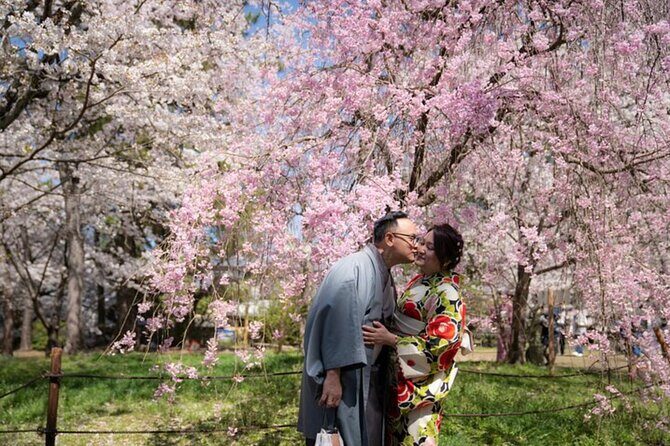
- Photo-ready stops: Maruyama Park and Yasakanoto are built for good pictures, not just quick looks.
- Gion on foot: you’ll spend real time in the historic district’s lanes and near Yasaka Shrine.
- Fushimi Inari pacing matters: plan on walking the torii-gate approach and paths respectfully.
- Budget extra costs: entrance tickets, food and drinks, and some transport are usually on you.
Why this Kyoto highlights route works in one day
Kyoto’s best-known sights are popular for a reason. They also have a downside: if you try to do too much on your own, you end up spending your energy on navigation instead of enjoying the places.
A private guide changes that equation. You’re not just visiting Kyoto—you’re learning how to read it. You’ll get context at each stop, which helps you understand why a pagoda looks the way it does, why a shrine entrance matters, and why people line up for those gates at Fushimi Inari.
This is also a good format if you want a day that feels efficient but not rushed. The tour is designed for a 5 to 6 hour window, which is long enough to see major highlights but short enough to avoid ending your day exhausted and cranky.
And yes, it’s also practical. You start in a clear, easy-to-find meeting spot and you’re done back where you began. That matters more in Kyoto than you might expect.
You can also read our reviews of more guided tours in Kyoto

Start at Disney Store Kyoto Shijo-Kawaramachi (and why that helps)
Your meeting point is Disney Store – Kyoto Shijo-Kawaramachi at the Cotocross Hankyu Kawaramachi building (1F/2F). The address is four条通河原町 北東角 コトクロス阪急河原町 1&2F in Shimogyo Ward.
That location choice is smart for two reasons. First, it’s in the city where public transport is nearby, so you can get there without a complicated plan. Second, it’s a known landmark. Kyoto streets can be a maze, especially if you’re already tired from jet lag.
Also watch the “pickup offered” detail. Pickup is listed, but since transportation is not included in the base pricing, I strongly suggest you confirm exactly what pickup means for your specific day. If you want door-to-door convenience, ask ahead of time what’s guaranteed and what isn’t.
Maruyama Park: traditional garden vibes and spring photo time
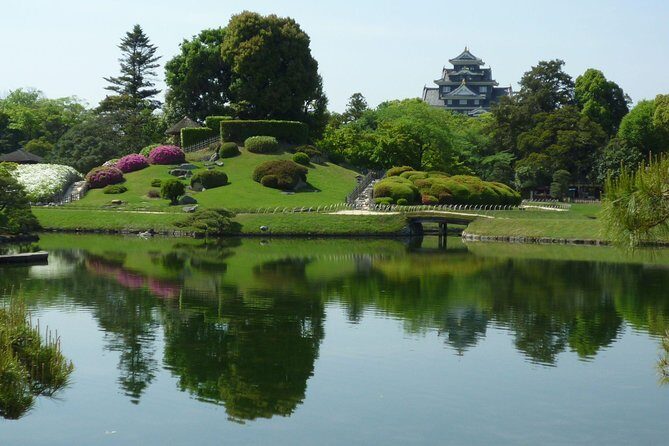
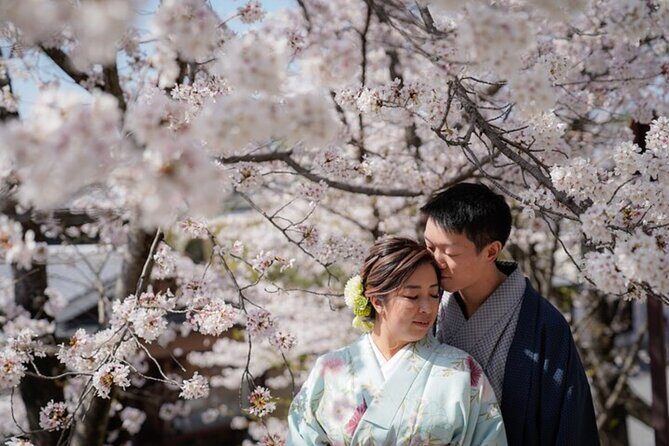
Maruyama Park is the tour’s opening stop, and it sets the tone well. It’s described as Kyoto’s oldest park, and it’s especially beautiful in early April when cherry trees begin to bloom.
What you’ll likely enjoy here is the style. The park has that classic Japanese garden feel—calm, planned, and designed to be looked at slowly, even if you’re only spending about an hour. The tour gives you time for photo shooting, which is a real benefit. In Kyoto, photos often take longer than you expect because you keep changing your angle.
Practical tip: go easy on your pace here. You’re about to walk more later, and Maruyama is one of those places where you’ll want to pause and frame shots. If you rush, you miss the point.
One more thing: if you’re visiting outside cherry season, don’t assume it’s “less interesting.” The park’s value isn’t only blossoms—it’s the traditional landscaping and the general atmosphere.
Yasakanoto pagoda: the five-storied landmark moment
Next up is Yasakanoto Pagoda. You’ll hear it called a “five storied pagoda,” and it’s one of Kyoto’s most recognizable landmarks. The tour also notes that you’ll take pictures with the pagoda.
This stop works because it’s an easy visual anchor. Even if you’ve seen photos before, seeing it in person gives you scale. It also helps you understand the neighborhood’s devotional and cultural rhythm. The guide’s job here is to connect the visual landmark to what the area represents, so you’re not just snapping a photo and moving on.
Consideration: this is a short stop by design (about an hour). If you’re the type who needs long time for art history details, you might wish the tour allowed more time here. On the flip side, a short stop is what keeps the whole day on track.
If your interest is photography and iconic architecture, this is likely one of your favorites.
Gion lanes and Yasaka Shrine: what you should look for
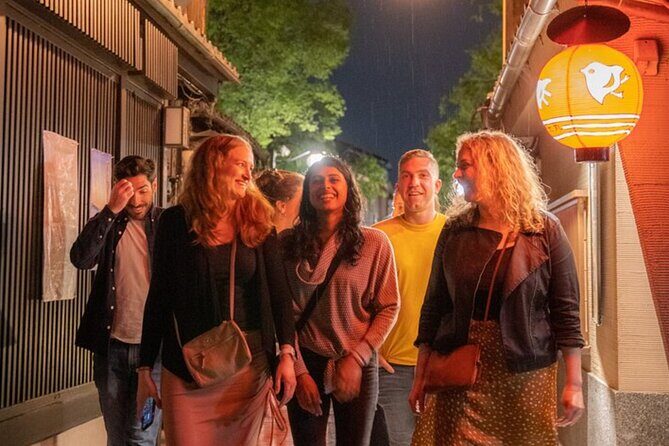
Then comes Gion, the historic district Kyoto visitors always ask about. You’re given a solid chunk of time—about an hour and a half—to walk its narrow streets and see the area known for traditional wooden machiya houses and geisha culture.
The tour also references Yasaka Shrine as a defining feature of the area. That matters. Gion isn’t only a “pretty district.” It’s tied to a long-standing connection between daily life and cultural traditions, and Yasaka Shrine gives the place a spiritual center.
Here’s what I like about spending time in Gion with a guide: you learn what to notice. Without a guide, it’s easy to treat Gion like an open-air theme set. With one, you start picking up cues in the details—street layout, architecture, and how people move through the space.
Practical tip: comfortable shoes. Gion streets can be uneven and you’ll be on foot. This is not a “sit and admire” day.
Also, since the tour time is set, you’ll want to be ready to move when your guide indicates. If you get pulled into every shop window and side street, you can run out of time before the best parts of your day are done.
You can also read our reviews of more private tours in Kyoto


Fushimi Inari-taisha: torii gates, meaning, and pacing
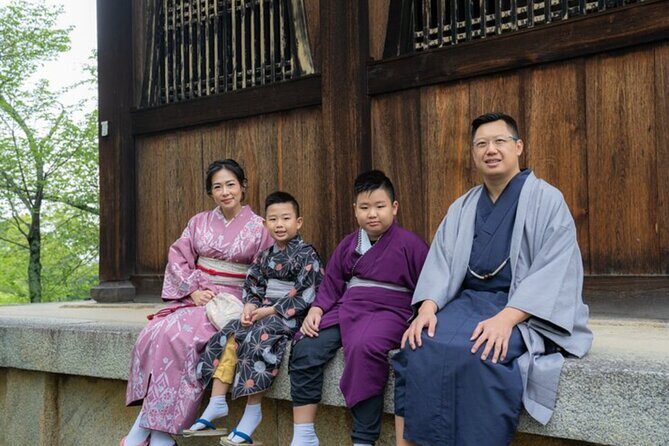
Fushimi Inari-taisha is one of Kyoto’s absolute must-sees, and this tour puts it near the end of the circuit. You’ll spend about 1.5 hours here, which is a realistic window for the approach and the main pathways.
The big draw is the thousands of vibrant torii gates that create winding paths on Mount Inari. The shrine is dedicated to Inari, the deity of prosperity. In other words: this isn’t just a photo wall. It’s a working religious site with strong cultural meaning.
What you’ll enjoy most with a guide: pacing and respectful movement. The torii gates can feel endless, and people often underestimate how quickly you rack up steps. A good guide helps you balance what you want to see with what you can do comfortably within the time you have.
A small planning note: since entrance tickets aren’t included (with entrance ticket costs noted as around $5), budget for that. Also remember the tour’s “food and drinks around $15” note. You might want to grab a small snack during or after this stop so the last stretch doesn’t feel like a survival mission.
Customizing the day with a local guide (how that feels in practice)
This tour is “private customized,” which sounds like marketing until you see how it actually plays out. The tour description specifically says the guide will design an itinerary to match your preferences and interests, based on a discussion during the setup.
In plain terms, that means you’re not trapped in a rigid script. If you care more about temples and architecture than neighborhoods, your route can lean that way. If you’d rather spend longer in a place you love and less time in a place you’re only okay with, you can often negotiate the balance.
The overview also mentions Kyoto icons like Kinkakuji (Golden Pavilion), Arashiyama, and Kiyomizu Temple. Those are not listed in the short sample stop sequence you see, but the customization concept suggests these kinds of highlights could be part of your plan depending on how your guide structures the day.
My advice: be clear when you book. Tell your guide your must-sees and your skip list. Also say your tolerance for walking. A private tour is flexible, but only if you communicate what “comfortable” means for you.
Price and value: is $163.30 per person worth it?
The price is $163.30 per person for a 5 to 6 hour private guided experience in Kyoto.
Value in a private tour comes from three places:
- You pay for your guide’s time.
- You pay for routing and decision-making so you don’t waste hours planning.
- You pay for a smoother experience with fewer friction points.
Now add the reality check. Entrance tickets aren’t included, and food and drinks aren’t included (about $15). Transportation costs are also not included (noted as around $2). So your total day cost depends on what you choose and what entrance fees apply.
Still, for a single-day sweep that hits major Kyoto landmarks, the price can be fair—especially if you’re traveling with a group (group discounts are listed). If you’re a solo traveler, it’s more of a judgment call: do you want to spend your vacation time walking around while figuring out details, or do you want a guide to do the thinking and interpretation?
One more practical angle: the meeting point and the return-to-meeting-point structure helps limit logistical hassle. That’s “invisible value.” Less stress is worth money, too.
Budget tips for tickets, food, and the walking reality
Even if your itinerary sounds scenic, Kyoto still means moving your legs. This tour is structured around multiple stops with set durations, and each stop assumes walking between sights.
Here’s how I’d budget your day using the info provided:
- Entrance tickets: roughly $5 (not included)
- Food and drinks: roughly $15 (not included)
- Transportation: roughly $2 (not included)
You might spend less or more depending on what’s required and what you eat, but this gives you a useful anchor.
Also, bring cash or a card for small buys. The guide may point out snack options, or you might want a quick drink to avoid the late-day slump. In Kyoto heat or spring chill, that can change how enjoyable the last hour feels.
And don’t forget your phone battery. You’ll likely take a lot of pictures at Maruyama Park and Yasakanoto, and Fushimi Inari is pure photo material.
Pickup expectations: the one logistics issue you should clarify
Pickup is listed as offered, but transportation is not included, and one unhappy case described a mismatch between what was advertised and what was delivered. The guest felt they didn’t receive transportation as expected and also had trouble getting a refund when the tour didn’t proceed as planned.
That doesn’t mean pickup will fail for you. It does mean you should remove ambiguity early.
When you confirm, ask:
- Is pickup from your exact starting location?
- What time is pickup, and where does the guide meet you if pickup isn’t used?
- If transportation is needed between stops, who covers it and how?
If you get clear answers, great. If you don’t, treat the tour as a walking-based day with a meeting point you can reach on public transport.
Should you book this private Kyoto tour?
Book it if you want a guided, efficient Kyoto day and you like the idea of a local person explaining what you’re seeing. It’s a good fit for first-time Kyoto visitors who want to hit major sights without spending half the day figuring out routes. It’s also a strong option if you enjoy photography and want structured photo time at places like Maruyama Park and Yasakanoto.
Think twice or clarify details first if you’re very sensitive to transportation logistics. Since pickup is only “offered” and transportation isn’t included, you’ll want to confirm what you’re actually getting. If you’re expecting door-to-door convenience and you’re not comfortable walking between areas, ask questions before you pay.
FAQ
Is this a private tour?
Yes. This is a private tour/activity, so only your group participates.
How long is the tour?
It runs about 5 to 6 hours.
Where is the meeting point in Kyoto?
The tour starts at Disney Store – Kyoto Shijo-Kawaramachi, Cotocross Hankyu Kawaramachi building (1F/2F), Kyoto.
What does the tour include?
The tour includes a tour guide.
Are entrance tickets included?
No. Entrance tickets are not included (with an estimated cost around $5).
Are food and drinks included?
No. Foods and drinks are not included, with an estimated budget around $15.
Is it refundable if I cancel?
No. This experience is non-refundable and cannot be changed for any reason.
###