
REVIEW · TOKYO
Privately visit local home for relax tea ceremony &music, Tokyo
Book on Viator →Operated by 和 WA Japan at Home · Bookable on Viator
Japanese tea, then koto music.
What makes this experience special is the private, at-home setting with Noriko, where you can ask questions and keep things relaxed. I like that you get a guided matcha-making moment without strict rules, and you also get live koto performance plus a turn to play. One consideration: the whole experience is only about 2 hours, and the optional yukata choice adds extra time.
You start by meeting Noriko near Shin-Urayasu Station JE08, then you’ll walk to her cozy home for a calm tea ceremony, two matcha bowls (with step-by-step guidance), and sweets that fit the moment. After tea, you’ll hear two koto pieces, and you’ll even try playing a melody yourself. If you’re hoping for a big, multi-stop “Tokyo highlights” day, this is more focused and quieter than that.
In This Review
- Key Things I’d Prioritize Here
- A Private Tokyo Tea Ceremony Where You Can Actually Ask Questions
- Meet Noriko at Shin-Urayasu: Simple Getting There, Real Local Start
- The Tea Ceremony: Matcha You Make, Not Just Watch
- What you’ll notice during the matcha part
- Sweets: small, meaningful timing
- Koto After Tea: Two Pieces First, Then Your Turn
- Why this sequence works
- Optional Yukata: The Classic Photo Moment That Adds Time
- Should you add it?
- What Private Means Here (And Why You’ll Feel More Comfortable)
- Price and Value: Is $81 a Good Deal?
- Timing: A Tight Two Hours That Don’t Feel Rushed
- Who This Experience Fits Best
- Quick Planning Tips Before You Go
- Should You Book This Private Tea Ceremony and Koto Session?
- FAQ
- FAQ
- How long does the experience last?
- Where do I meet Noriko?
- How far is Shin-Urayasu Station from Tokyo Station?
- Is this a private experience?
- What happens during the tea ceremony?
- Do I get to play the koto?
- What is the yukata option and how much does it cost?
- How long does yukata dressing take?
- What payment options are mentioned for the yukata?
- Is free cancellation available?
Key Things I’d Prioritize Here
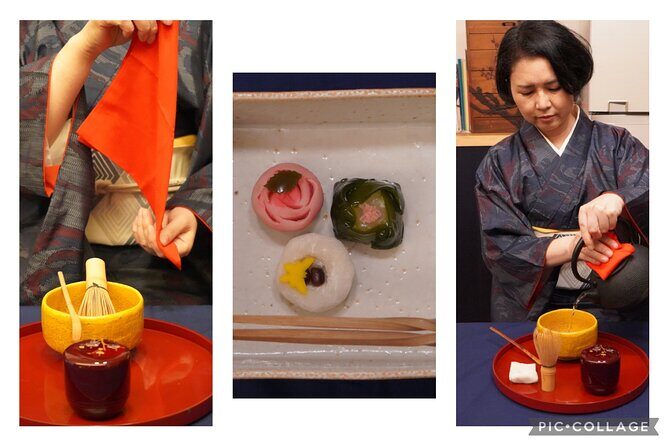
- Private tea ceremony at a local home: warm, informal vibe with room to ask questions.
- Two guided matcha bowls: you don’t just watch; you make your own tea.
- Live koto performance plus hands-on try: you’ll likely be surprised how fast you can sound musical.
- Optional yukata dressing: a classic photo moment, but it extends the experience.
- Short walk from Shin-Urayasu Station: easier than it sounds, especially if you avoid complicated transfers.
A Private Tokyo Tea Ceremony Where You Can Actually Ask Questions
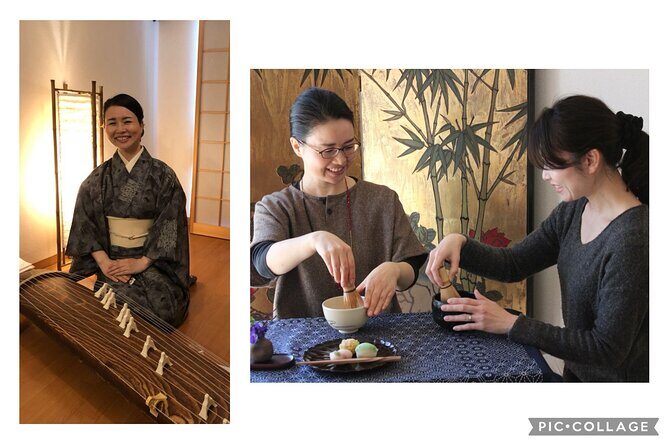
If you’ve ever wondered what Japanese hospitality feels like when it’s not a rushed show, this kind of experience is the answer. You’re invited into a local home for a relaxed tea ceremony guided by Noriko. That matters, because tea in Japan can feel ritual-heavy from the outside. Here, it’s more welcoming than intimidating.
I also love the balance: tea first, then music. Many cultural activities stack things into a long program where you barely absorb anything. This one gives you time to experience tea in a calm way, then switch gears to the koto. That rhythm makes the whole evening (even during daytime) feel natural.
The host also plays a big role. Noriko brings the type of confidence that makes questions easy. If you want to ask about tea history, Japanese daily life, or what you’re noticing in the home setting, this is set up for that kind of conversation.
You can also read our reviews of more tours and experiences in Tokyo.



Meet Noriko at Shin-Urayasu: Simple Getting There, Real Local Start
This experience starts at Shin-Urayasu Station (JE08). It’s roughly 20 minutes from Tokyo Station, which is a practical sweet spot: close enough for a day trip, far enough that you’re not trapped in the most touristed corridors.
From Shin-Urayasu Station, you’ll do a short walk to Noriko’s home. Expect about 3–4 minutes on foot. That short transfer is a big deal because you’ll arrive already in the right mood. Long train-to-taxi-to-walk chains can turn “calm cultural time” into stress time. Here, it stays manageable.
You’ll return to the meeting point at the end, so you’re not stuck figuring out how to get back to the center after you’re done.
The Tea Ceremony: Matcha You Make, Not Just Watch
The tea ceremony begins with Noriko welcoming you and sharing a bit about its history. You’ll then move into the actual practice—first watching her prepare the first bowl of matcha, then making your own for the second bowl.
That structure is ideal for most people. You get a “model moment” to see how the flow works—what feels quick, what needs patience, and how the gestures connect with the tea itself. Then you’re coached step by step as you make your bowl.
What you’ll notice during the matcha part
Matcha isn’t just a drink here. You’ll learn how it fits into a whole experience: pace, attention, and the small choices you make while preparing it. The program is intentionally not strict, which is what makes it doable for beginners. You’re not expected to perform perfectly. You’re expected to participate.
Sweets: small, meaningful timing
With your tea, you’ll get two small sweets and one seasonal sweet. Those details matter more than they sound. In a tea setting, sweets are part of the rhythm, often balancing the taste and giving you a pause while you’re experiencing the moment.
If you’re sensitive to strong flavors, matcha can feel intense at first. Having sweets built into the flow helps a lot.






Koto After Tea: Two Pieces First, Then Your Turn
After matcha, you’ll shift into music with the koto, one of Japan’s signature traditional instruments. Noriko performs two pieces first, so you hear the range before you try.
Then the focus becomes hands-on. You’ll get the chance to play. And yes, it can genuinely feel faster than you expect to make a melody. The point isn’t to turn you into a musician in two hours. The point is to help you experience how it works and how musical it can sound even right away.
Why this sequence works
Tea ceremonies train your attention. Koto performance then uses that same calm focus, but with sound. Together, they create a strong contrast: stillness and then rhythm. It also keeps the experience from feeling like one long lecture.
If you like hands-on cultural activities—especially ones that aren’t overly technical—this is one of the best combos.
Optional Yukata: The Classic Photo Moment That Adds Time
You can add a yukata (cotton kimono) option for 3,500 yen. This is a true “style + photos” upgrade. Noriko helps dress you in traditional style, and then you’ll have time for memorable photos afterward.
Here’s the timing to plan for:
- Men: about 10 minutes for getting dressed
- Women: about 20–30 minutes, including selection
- Women also receive a simple hairstyle
- The yukata choice extends the experience time, so request it when booking
Also note: the information you’re given says the yen option can be paid in multiple ways (cash, card, or PayPal). When you book, confirm how you’ll pay so there’s no last-minute scramble.
Should you add it?
If you want photos that look genuinely “Japanese” and you like the idea of dressing up for a calm cultural moment, it’s a good add-on. If you’re tight on time or prefer staying in everyday clothes, you can skip it and still get the best parts: tea and koto.
What Private Means Here (And Why You’ll Feel More Comfortable)
This is a private experience, meaning it’s only your group participating. That changes the whole tone. You’re not competing for attention between multiple unrelated groups, and you don’t have to follow a crowd’s pace.
Private time is also ideal for curiosity. Noriko welcomes questions about Japanese culture. If you’re the type who likes understanding what you’re doing—why matcha matters, what koto sounds represent, what people wear and how they use spaces—this setup is built for that.
Based on the consistent praise for Noriko’s knowledge and warmth, the host is the secret ingredient here. The ceremony feels less like a script and more like a guided conversation with real context.
Price and Value: Is $81 a Good Deal?
At $81 per person, this isn’t the cheapest thing you can do around Tokyo. But it’s also not trying to be. The value comes from three places:
- Private setting
You’re not sharing the experience with strangers from other schedules. Private time is more expensive by nature.
- Hands-on participation
You make matcha yourself and you try playing the koto. A lot of cultural tours are mostly watching. This includes guided doing.
- Host expertise + a relaxed format
Noriko combines tea ceremony guidance with live music and Q&A-friendly conversation. That kind of “explain as you go” experience is what turns a ticket into a memory.
Also, the experience is typically booked about 20 days in advance on average. If you want a specific day or time, don’t wait until the last minute.
If you’re traveling with someone who wants culture with personality (not just checklists), this price starts to make sense fast.
Timing: A Tight Two Hours That Don’t Feel Rushed
The duration is about 2 hours. In practice, that’s a sweet length for tea and music because:
- tea preparation takes time to do properly
- koto performance and your turn need breathing room
- there’s also time for photos after, especially if you add yukata
If you opt for yukata, expect the program to run longer. Build in that extra window so you don’t feel like you’re racing to catch a train right after.
Who This Experience Fits Best
This is especially good if you:
- want a non-intimidating intro to Japanese tea culture
- prefer small-group or private experiences over crowded attractions
- like learning from a host in a conversation style
- enjoy traditional music and hands-on moments
- want a calmer alternative to big-city sightseeing days
If you’re looking for action-packed Tokyo thrills, this won’t feel like that. It’s slower, quieter, and more personal.
Quick Planning Tips Before You Go
A few practical moves will make this smoother:
- Wear comfortable clothes. Tea and koto time are sitting-based activities, and you’ll want freedom of movement.
- If you’re considering yukata, decide early. It adds dressing time and changes how you plan your schedule.
- Ask questions when you’re curious. The whole point is that the setting is informal enough to talk.
- Plan to arrive a little early at Shin-Urayasu Station so the walk doesn’t add pressure.
Should You Book This Private Tea Ceremony and Koto Session?
Yes, you should book it if you want an authentic-feeling cultural experience with a personal guide, hands-on participation, and a warm atmosphere. The combination of making your own matcha and getting a real koto try makes it more than a passive activity. And Noriko’s role is central—this isn’t a faceless tour where you follow steps without context.
Skip it only if you want a large, high-energy Tokyo day packed with sights. This is about comfort, conversation, tea, and music. In the right mood, it’s exactly the kind of memory that sticks.
FAQ
FAQ
How long does the experience last?
It’s about 2 hours approximately. If you choose the yukata option, the experience time extends.
Where do I meet Noriko?
You meet at Shin-Urayasu Station (JE08), then you take a short walk to the home.
How far is Shin-Urayasu Station from Tokyo Station?
Shin-Urayasu Station is about 20 minutes from Tokyo Station.
Is this a private experience?
Yes. It’s a private tour/activity, and only your group participates.
What happens during the tea ceremony?
You’ll be guided through a relaxed tea ceremony. You’ll watch the first bowl being prepared, then you’ll make your own matcha for the second bowl with step-by-step help. You’ll also receive sweets.
Do I get to play the koto?
Yes. Noriko performs two pieces first, then you can try playing it yourself.
What is the yukata option and how much does it cost?
You can add a yukata (cotton kimono) experience for 3,500 yen. It includes dressing time, and then you can take photos.
How long does yukata dressing take?
Men: about 10 minutes. Women: about 20–30 minutes including selection. Women also receive a simple hairstyle.
What payment options are mentioned for the yukata?
The info states yukata can be paid by cash, card, or PayPal.
Is free cancellation available?
Yes. You can cancel up to 24 hours in advance for a full refund.
You Might Also Enjoy
 Samurai Training with Modern day Musashi in Kyoto
 Kyoto Early Morning Private Tour with Government-Licensed Guide
 Private Akihabara Anime Game Maid Cafe Tour w/ free pickup
![[electric bicycle tour]: 6-hour travel course by electric bicycle Asakusa, Ueno Park, Edo-Tokyo Museum, and Sky Tree. (There is a support car.) - Lunch at Ednoren: How to Plan Your Meal Without Losing Time](https://images.thejapantraveler.com/wp-content/uploads/electric-bicycle-tour-6-hour-travel-course-by-electric-bicycle-asakusa-ueno-park-edo-tokyo-museum-and-sky-tree-there-is-a-support-car.jpg) [electric bicycle tour]: 6-hour travel course by electric bicycle Asakusa, Ueno Park, Edo-Tokyo Museum, and Sky Tree. (There is a support car.)
[electric bicycle tour]: 6-hour travel course by electric bicycle Asakusa, Ueno Park, Edo-Tokyo Museum, and Sky Tree. (There is a support car.)










