REVIEW · TOKYO
[electric bicycle tour]: 6-hour travel course by electric bicycle Asakusa, Ueno Park, Edo-Tokyo Museum, and Sky Tree. (There is a support car.)
Book on Viator →Operated by アベントゥーライフ株式会社 · Bookable on Viator
Tokyo moves fast on two wheels. This guided electric bicycle route strings together Edo-Tokyo Museum, Ueno Park, Asakusa, and a possible stop at Tokyo Skytree. It’s run by a Japanese guide, with help available in Korean, English, Chinese, and Vietnamese, so you’re not stuck guessing your way through big landmarks.
I like the easygoing ride structure: the bike does the hard work, and there’s a support car if you want to hop off or keep your luggage handled. I also like that the guide isn’t just reading facts—at the museum and temple area, you get practical context that helps you understand what you’re looking at. The one caution: the pacing can feel a bit uneven, and some riders may want more detailed explanations during the stops.
In This Review
- Key Highlights You’ll Feel From the Ride
- Why This Asakusa–Ueno E-Bike Route Works
- Edo-Tokyo Museum Stop: What You Gain in Two Hours
- Lunch at Ednoren: How to Plan Your Meal Without Losing Time
- Ueno Park by Electric Bike: Where Walking Feels Easier
- Senso-ji and Kaminarimon: The Part You’ll Want Photos From
- Optional Tokyo Skytree: A Short Detour Worth Thinking About
- Price and Logistics: Does $283.17 Make Sense?
- Tips for Enjoying the Ride (and Avoiding Friction)
- Who This Tour Suits Best
- Should You Book This 6-Hour E-Bike Tour?
- FAQ
- Where do we meet, and where does the tour end?
- How long is the tour?
- Is hotel pickup available?
- What language is the guide?
- Is there a support car?
- What’s included in the tour price?
- What is not included?
- Do we have to include Tokyo Skytree?
- What are the rider requirements?
- What’s the cancellation policy?
Key Highlights You’ll Feel From the Ride
![[electric bicycle tour]: 6-hour travel course by electric bicycle Asakusa, Ueno Park, Edo-Tokyo Museum, and Sky Tree. (There is a support car.) - Key Highlights You’ll Feel From the Ride](https://images.thejapantraveler.com/wp-content/uploads/electric-bicycle-tour-6-hour-travel-course-by-electric-bicycle-asakusa-ueno-park-edo-tokyo-museum-and-sky-tree-there-is-a-support-car-1.jpg)
- Electric bike comfort: you cover multiple neighborhoods without turning the day into a legs-only workout
- Small group size: up to 6 people, which makes it easier to ask questions and keep together
- Museum + temples in one loop: Edo-Tokyo Museum pairs well with walking time around Ueno and Senso-ji
- Support car option: if you’re tired, the team can load your bike and luggage
- Multilingual guidance: Japanese guide with support options in several languages
- Optional Tokyo Skytree: a short add-on if you still have energy and daylight
Why This Asakusa–Ueno E-Bike Route Works
![[electric bicycle tour]: 6-hour travel course by electric bicycle Asakusa, Ueno Park, Edo-Tokyo Museum, and Sky Tree. (There is a support car.) - Why This Asakusa–Ueno E-Bike Route Works](https://images.thejapantraveler.com/wp-content/uploads/electric-bicycle-tour-6-hour-travel-course-by-electric-bicycle-asakusa-ueno-park-edo-tokyo-museum-and-sky-tree-there-is-a-support-car-2.jpg)
This tour is built for people who want Tokyo highlights without spending the whole day hopping on and off trains. You start around Ryogoku and then stitch together four classic areas: Edo-Tokyo Museum, Ueno Park, Asakusa, and an optional Skytree detour. The bike segments between stops are short enough that you stay fresh, but long enough that the day feels like “moving across Tokyo,” not “standing in lines.”
A big part of the value here is logistics support. There’s luggage storage, bottled water, snacks, and WiFi on board, and you may get helmet use as an option. Plus, the support car gives you a safety valve: if your legs get tired, you can switch to a lighter pace and still keep the tour moving smoothly.
One more practical point: it runs as a one-day sightseeing plan with weekly departures, and there’s pickup offered from the hotel lobby within Tokyo’s 23 wards (when arranged). If the minimum number of participants isn’t met, you’ll be contacted about an alternative date or solution.
You can also read our reviews of more museum experiences in Tokyo

Edo-Tokyo Museum Stop: What You Gain in Two Hours
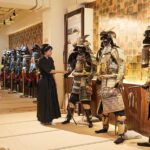
The day starts with a longer anchor: Edo-Tokyo Museum for about two hours. This is the portion that makes the rest of the tour click. Instead of treating Senso-ji and Ueno as separate “pretty places,” you get a guided walkthrough style of explanation that helps you frame what you’re seeing as part of Tokyo’s past.
The museum time is not just wandering. The guide uses stories and historical context that connect the dots between eras and city life. In a city that changes fast, that context matters. Even if you only catch the main themes, it gives you a mental map: why certain streets and temple areas feel the way they do, and how the city’s story shaped what remains today.
Two hours can be enough if you keep your attention on the big picture and ask questions while you’re there. If you’re the type who wants every label read in full, you might feel time pressure. But for a guided half-day tour, this stop is timed well: it’s early, so you get orientation before the outdoor walking begins.
Lunch at Ednoren: How to Plan Your Meal Without Losing Time
![[electric bicycle tour]: 6-hour travel course by electric bicycle Asakusa, Ueno Park, Edo-Tokyo Museum, and Sky Tree. (There is a support car.) - Lunch at Ednoren: How to Plan Your Meal Without Losing Time](https://images.thejapantraveler.com/wp-content/uploads/electric-bicycle-tour-6-hour-travel-course-by-electric-bicycle-asakusa-ueno-park-edo-tokyo-museum-and-sky-tree-there-is-a-support-car.jpg)
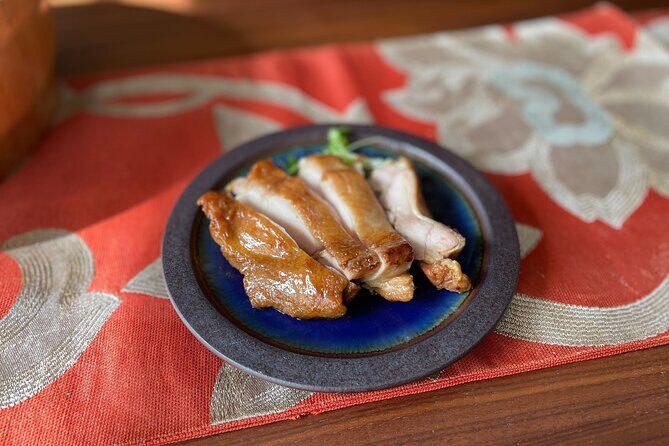
Lunch is scheduled for about one hour at Ednoren. The menu options are classic Tokyo comfort food styles—things like monjayaki and okonomiyaki, seafood dishes, chanko and seasonal items, sushi, chicken and gamecock, tempura, and fukagawa meshi, plus Japanese soba noodles. If you apply in advance, you can reserve.
Here’s what to watch: the itinerary lists lunch as a stop, but the tour’s included items explicitly say lunch isn’t included. So treat lunch at Ednoren as an add-on meal day, not something automatically baked into the package cost.
The upside is that Ednoren gives you a one-hour, sit-and-eat reset between sightseeing zones. For you, that’s a practical trade: less frantic searching for food, more predictable timing. For the schedule, it means the guide can keep the bike flow moving without everyone breaking off to hunt for restaurants.
My advice: decide in advance what you’d like. If you’re traveling with specific dietary needs, ask early and confirm what you can order. Then show up with the mindset that lunch is part of the rhythm of the day.
Ueno Park by Electric Bike: Where Walking Feels Easier
![[electric bicycle tour]: 6-hour travel course by electric bicycle Asakusa, Ueno Park, Edo-Tokyo Museum, and Sky Tree. (There is a support car.) - Ueno Park by Electric Bike: Where Walking Feels Easier](https://images.thejapantraveler.com/wp-content/uploads/electric-bicycle-tour-6-hour-travel-course-by-electric-bicycle-asakusa-ueno-park-edo-tokyo-museum-and-sky-tree-there-is-a-support-car-4.jpg)
After Edo-Tokyo Museum, you head to Ueno Park by electric bicycle (about 30 minutes), then you get about an hour of walking. Ueno Park isn’t just “a big park”—it includes major historical sites, and the guide focuses on the area’s background while you stroll.
A key stop mentioned in the plan is Kaneiji, and the guide gives a brief history tied to the places you’re passing. This is the kind of timing that works well: you learn a bit, then you immediately see the physical setting. That’s how you remember what matters later.
The e-bike helps here because the route connects points faster than foot travel. You still get your feet moving during the walk, but you’re not fighting Tokyo’s distance between sights.
One consideration: Ueno is wide. If you prefer slow wandering on your own, the one-hour walk may feel like a structured sweep. If you like a guided “cover the essentials and understand them” approach, this part is a good match.
Senso-ji and Kaminarimon: The Part You’ll Want Photos From
![[electric bicycle tour]: 6-hour travel course by electric bicycle Asakusa, Ueno Park, Edo-Tokyo Museum, and Sky Tree. (There is a support car.) - Senso-ji and Kaminarimon: The Part You’ll Want Photos From](https://images.thejapantraveler.com/wp-content/uploads/electric-bicycle-tour-6-hour-travel-course-by-electric-bicycle-asakusa-ueno-park-edo-tokyo-museum-and-sky-tree-there-is-a-support-car-5.jpg)
Next comes Asakusa. The bike ride is short (about 15 minutes), then you tour Senso-ji Temple for roughly 30 minutes to an hour. The tour route starts around Kaminarimon and works through the shrine area, including the shopping street environment between sights.
This is one of the best segments for first-timers because Asakusa gives you the classic Tokyo scene: temple gateway energy, street-level atmosphere, and a clear path to follow. With a guide, you don’t just see it—you understand what you’re looking at and why the route makes sense.
The practical value is timing. You’re not spending all day trying to get oriented while crowds swell. The bike-to-walk transition helps you arrive ready: the ride breaks the momentum of museum time, and the walking segment gives you the temple experience in a manageable window.
If you get tired, remember there’s flexibility. Your bike and luggage can be loaded into the support car when needed, so you’re not forced into “push through no matter what” mode.






Optional Tokyo Skytree: A Short Detour Worth Thinking About
There’s an optional add-on to Tokyo Skytree after Asakusa. The bike ride is about 10 minutes, and the Skytree portion lasts around 30 minutes.
This is where you should make a decision based on your energy and your Tokyo priorities. If you love skyline views and want a modern counterpoint to the temple-and-park theme, it’s a fun final chapter. If you’re more into atmosphere and street-level history, you can skip it and keep the day feeling relaxed at the end.
Also, pay attention to weather. The tour notes that you’ll be contacted in case of bad weather. Skytree days can be great in clear conditions, but visibility can change fast. So if the sky looks questionable, I’d weigh your own priorities and the time you’ll spend there.
Price and Logistics: Does $283.17 Make Sense?
At about $283.17 per person, this isn’t the cheapest way to do Tokyo on a bike. But it also isn’t just bike rental. You’re paying for guided explanation, the bike itself, included rider basics (snacks, coffee or tea, bottled water, WiFi), helmet option, and the support car system.
Duration is listed as roughly 6 to 7 hours, and the tour is typically booked about 15 days in advance on average, with weekly departures. Group size is capped at 6, which is a real value point because you’re not competing with a large crowd for the guide’s attention.
The hotel pickup option within Tokyo’s 23 wards is another practical cost-saver. Instead of figuring out how to reach the start perfectly on your own schedule, you can meet at your hotel lobby (when arranged). And the meeting points are clearly defined around Ryogoku Station, with a ticket redemption point at the Toei Ryogoku area.
My take on value: if you want a guided “loop day” that mixes museum and multiple neighborhoods without transit stress, the price feels easier to justify. If you mainly want to roam independently, you’ll likely find cheaper DIY bike rental options. But if you want structure and storytelling, this package holds together well.
Tips for Enjoying the Ride (and Avoiding Friction)
![[electric bicycle tour]: 6-hour travel course by electric bicycle Asakusa, Ueno Park, Edo-Tokyo Museum, and Sky Tree. (There is a support car.) - Tips for Enjoying the Ride (and Avoiding Friction)](https://images.thejapantraveler.com/wp-content/uploads/electric-bicycle-tour-6-hour-travel-course-by-electric-bicycle-asakusa-ueno-park-edo-tokyo-museum-and-sky-tree-there-is-a-support-car-6.jpg)
This tour has rider requirements, so check them before you commit. Participants must be at least 11 years old and able to ride a bicycle. Bike users should be about 135 cm to 190 cm tall and weigh up to 100 kg. You’ll also want comfortable clothes and a backpack.
Bring your voucher. In Japan, that small step saves real time. Also, be ready for weather: you’ll get contact if conditions are unfavorable.
Safety-wise, helmets are provided as an option, and you should use one. Even though this is an electric bike tour, you’re still moving through normal city streets.
For insurance, the tour recommends overseas traveler’s insurance as a precaution, and bicycle insurance is available if you ask. If you’re the type who prefers everything covered up front, add it.
Finally, set expectations about information depth. One of the softer notes tied to the experience is that riders might want more detailed explanations at some points. If that matters to you, come with a few questions ready, like what period the museum is emphasizing or what to watch for around Kaneiji or Senso-ji.
Who This Tour Suits Best
You’ll probably love this if you:
- want a guided Tokyo day that covers multiple neighborhoods
- like learning context but don’t want a full-day museum-only plan
- prefer electric bikes to avoid arriving exhausted
- appreciate small-group pace and the chance to ask questions
- want a built-in food break at a known spot (Ednoren)
It may be less ideal if you want long, unstructured wandering or if you’re extremely sensitive to timing. The tour is designed to keep moving and keep the sequence tight.
Should You Book This 6-Hour E-Bike Tour?
Book it if you want the cleanest version of an Asakusa-to-Ueno Tokyo sampler: museum for context, parks and temple streets for atmosphere, plus an optional Skytree finale if the day still has energy. The support car, luggage storage, and short ride legs make it feel more manageable than a DIY bike day.
Skip or rethink if you need very detailed narration at every stop or you know you’ll get antsy with structured timing. In that case, you might prefer private or custom options, or simply spend extra time at one neighborhood instead of touching several.
FAQ
Where do we meet, and where does the tour end?
You meet at Ryogoku Station area (Ryogoku Sta. 1-chōme-4-29 Yokoami, Sumida City). The tour end point is Asakusa, Taito City.
How long is the tour?
It runs about 6 to 7 hours, depending on the day and conditions.
Is hotel pickup available?
Yes. Pickup can be arranged from the hotel lobby within Tokyo’s 23 wards.
What language is the guide?
The plan is guided by a Japanese guide, and it can respond in Korean, English, Chinese, and Vietnamese (depending on the situation).
Is there a support car?
Yes. There is a support car to help with loading your bicycle and luggage if you get tired.
What’s included in the tour price?
Included are all fees and taxes, bicycle use, snacks, coffee and/or tea, WiFi on board, bottled water, and luggage storage (helmet is optional).
What is not included?
Lunch and personal expenses after you buy souvenirs are not included.
Do we have to include Tokyo Skytree?
Skytree is an optional add-on. The basic plan goes through the first six items, and the Skytree stop can be added if you wish.
What are the rider requirements?
You must be at least 11 years old and able to ride a bicycle. Bike users should be 135 cm to 190 cm tall, and weigh up to 100 kg.
What’s the cancellation policy?
Free cancellation is available up to 24 hours before the experience start time for a full refund. If canceled less than 24 hours before, the amount paid is not refunded, and changes inside 24 hours aren’t accepted. If the tour is canceled because the minimum number of participants isn’t reached, you’ll be offered another date/experience or a full refund.