REVIEW · KUMAMOTO
Kumamoto: Castle Admission Ticket
Book on GetYourGuide →Operated by LINKTIVITY Inc. · Bookable on GetYourGuide
Kumamoto Castle feels like a time machine. The QR-code English help and the interactive Wakuwakuza museum make the story of this fortress easy to enjoy, even if you are not a Japanese history expert. The main drawback to plan around: parts of the castle and museum content can feel much more satisfying if you read Japanese, not just English.
This is a self-paced 1-day visit to Kumamoto Castle, built in 1607, plus optional museum time that turns the past into something you can see, hear, touch, and even try out. You’ll connect the castle with famous names like Kato Kiyomasa, the Hosokawa clan, Miyamoto Musashi, and Tani Kanjo, then keep going into the Wakuwakuza space themed Connecting Kumamoto’s Memories to the Future.
In This Review
- Key highlights that make this ticket worth your time
- Kumamoto Castle Admission: what your $5 ticket really covers
- Getting to Honmaru: an easy city-route approach
- The castle grounds first: stepping into a 1607 timeline
- Inside the castle: English QR codes keep you on track
- Watch for performances and tea near the main tower
- Wakuwakuza Museum: the interactive history stop you will actually remember
- Permanent and special rooms: more than a single exhibit
- How long should you budget?
- Earthquake restoration: seeing the castle’s future in progress
- Language and learning style: QR help helps, but Japanese matters
- Pairing the castle with the local vibe and market time
- Price and value: why this one-day ticket is such a bargain
- Should you book Kumamoto: Castle Admission Ticket?
- FAQ
- What’s included with the standard Kumamoto Castle admission ticket?
- What’s included if I choose the Ticket Combo with Wakuwakuza?
- What’s included if I choose the Wakuwakuza & Kumamoto Museum Ticket Combo?
- How do I get to the meeting point at Honmaru?
- Is this experience wheelchair accessible?
- How long is the ticket valid, and can I cancel?
Key highlights that make this ticket worth your time
- QR codes for English explanations inside the castle help you follow what you are seeing without guessing.
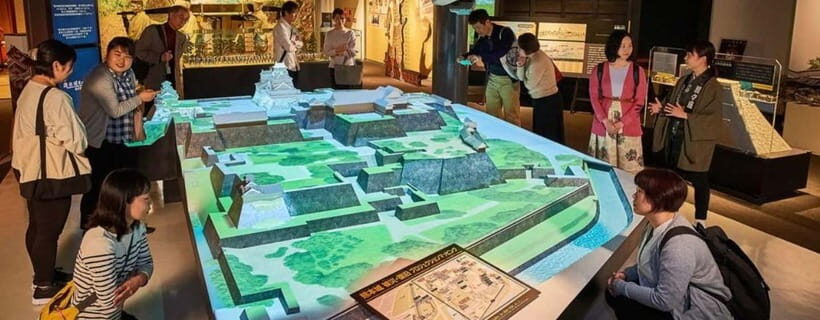
- Wakuwakuza Museum is hands-on, with a special exhibition space plus craft and experiment activities.
- A planetarium is included in the Wakuwakuza experience area, adding variety beyond standard displays.
- Free atmosphere moments near the main tower, including a samurai dance show and tea ceremony (when offered on your visit).
- Restoration after the earthquake is visible, so you’re seeing the castle’s future as well as its past.
Kumamoto Castle Admission: what your $5 ticket really covers
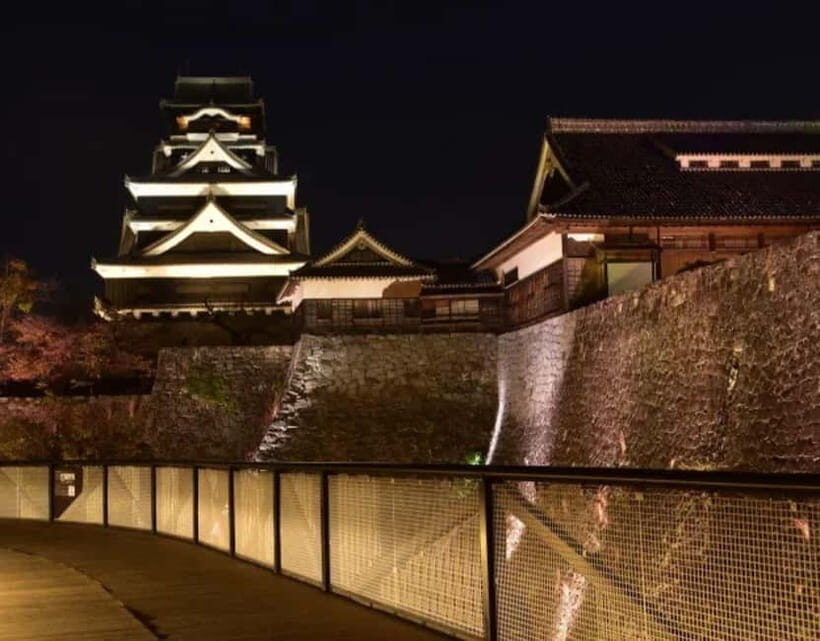
This is one of those rare Japan sightseeing deals that feels almost too small for the value. The standard admission is priced at $5 per person, and the visit covers Kumamoto Castle itself.
Where people get the most value is choosing the right ticket type for how you like to learn. If you select the combo options, your ticket can include Kumamoto Castle Museum Wakuwakuza and, in another combo, Kumamoto Museum as well. That matters because Wakuwakuza is not just a hallway of photos. It’s built as an interactive history experience, so it can turn a quick castle stop into a full, satisfying day.
Also note the practical side: this ticket is valid for 1 day, and you should check available entry starting times when you book. There are no guided tours included here, so you are going to read signage, use the museum tools, and take your time at your own pace.
You can also read our reviews of more tours and experiences in Kumamoto.



Getting to Honmaru: an easy city-route approach
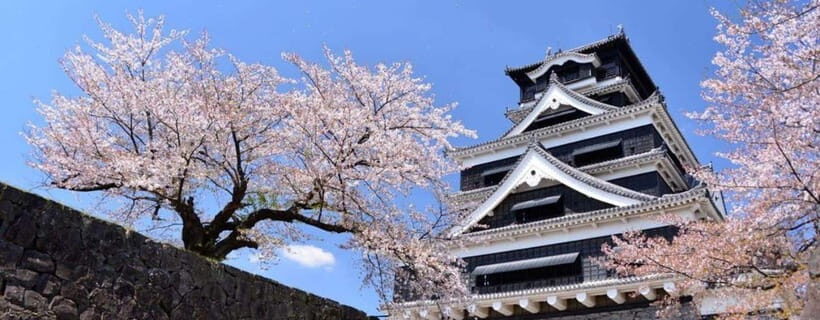
The official meeting point is at 1-1 Honmaru, Chuo-ku, Kumamoto City, Kumamoto Prefecture 860-0002. If you plug in the coordinates 32.8061859, 130.7058335, you’ll land right in the Honmaru area.
From JR Kumamoto Station, the route is simple:
- Take the Kumamoto City Tram
- Get off at Kumamoto Castle City Hall
- Walk about 10 minutes
From Aso Kumamoto Airport, you have a clean bus-to-walk option:
- Take the airport limousine bus to Sakuramachi Bus Terminal
- Walk about 10 minutes
I like this setup because it avoids complicated transfers. You can plan it like a straight line: arrive, tram or bus to the castle area, then walk until you hit the Honmaru zone.
The castle grounds first: stepping into a 1607 timeline
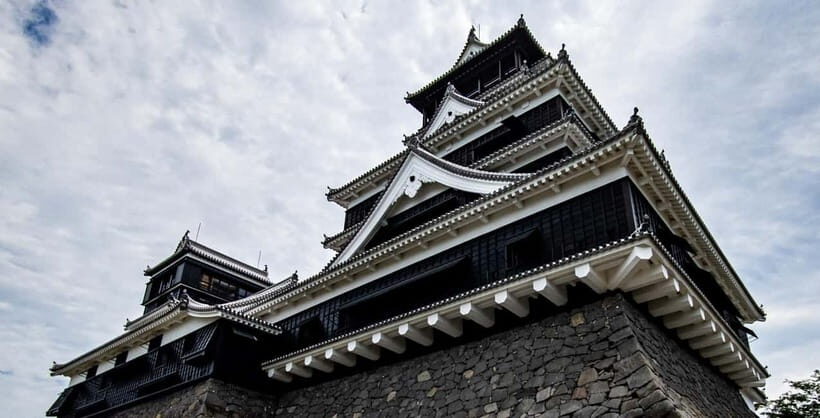
Kumamoto Castle is not a museum you scroll through. It’s a place you walk. Even before you reach the indoor spaces, the exterior route gives you a sense of how the fortress is laid out and how the castle connects to the larger Kumamoto story.
You’ll be guided by the site’s flow and information points as you explore areas tied to the castle’s long timeline. The big hook is that this fortress was originally built in 1607, which makes the whole place feel like a snapshot from the early Edo period and beyond.
What I found especially useful is that you are not limited to vague labels. The experience highlights major figures associated with the castle, including:
- Kato Kiyomasa
- the Hosokawa clan
- Miyamoto Musashi
- Tani Kanjo
Even if you only know one or two of those names, it helps to see how Kumamoto Castle sits inside Japanese history rather than as an isolated monument.
Inside the castle: English QR codes keep you on track
One of the standout practical details is the English explanations available inside the castle via QR codes. This is a huge help because Japanese castle interiors can be information-dense. With QR codes, you can scan, read, and immediately connect the display to the scene you are standing in.
That said, there is a balance to strike. The interior can feel more limited if you do not read Japanese, because some of the modern, story-like exhibition framing may rely heavily on language. So I treat this as a “good to know” decision point: if you love reading, lean into the interior time; if you prefer visual history and hands-on learning, focus more on Wakuwakuza.
Watch for performances and tea near the main tower
One of the nicest surprises that can add charm to a self-paced castle visit is the presence of live cultural moments around the main tower area. On some days, you may be able to catch a free samurai dance show and a free tea ceremony at the base of the main tower.
I’d plan for it as a bonus, not a guaranteed slot. The schedule is not spelled out here, so your best move is to simply keep an eye on what’s happening as you move through the main tower area and timing your breaks there.
Even when you miss a performance, the key value remains: these small events help you feel the castle as a living cultural stage, not only a preserved structure. That’s a big reason people leave Kumamoto feeling more connected than they expected.


Wakuwakuza Museum: the interactive history stop you will actually remember
If you can choose only one add-on to make this day feel more complete, choose Wakuwakuza with the ticket combo. The whole idea of Wakuwakuza is that you can see, hear, touch, and experience history in a fun, guided-by-your-curiosity way.
This is not a passive gallery. The permanent exhibition room and the special exhibition room are set up to help you understand Kumamoto Castle’s story from multiple angles, including how natural and historical materials connect to the fortress narrative.
Wakuwakuza also has a clear theme: Connecting Kumamoto’s Memories to the Future. I like themes like this because it pushes beyond the question of what happened, and toward what the site means now—especially important here, because the castle has been shaped by damage and restoration.
Permanent and special rooms: more than a single exhibit
In Wakuwakuza, you’ll move through:
- the permanent exhibition room
- a special exhibition room with planned exhibitions
The special space is where the experience feels most playful and memorable. You can expect a hands-on experiment and craft room, plus the planetarium area. That combination works well for different travel styles. If you like tinkering, the craft and experiment options keep you engaged. If you prefer big visual explanations, the planetarium gives you another learning mode.
How long should you budget?
You’re looking at a 1-day ticket, so plan Wakuwakuza as your “time you can’t rush” component. If you try to speed through it, you miss the point. I’d rather you arrive with enough time to sit for a moment, try an activity, and read without feeling pressure.
Earthquake restoration: seeing the castle’s future in progress
Kumamoto Castle is also a story about recovery. Some of the other buildings are still being refurbished after the earthquake, and that reality shows up during the visit.
I think this is genuinely valuable because it turns your visit into more than a photo stop. You are seeing a famous site being repaired, maintained, and reintroduced piece by piece. That can feel meaningful if you care about architecture and heritage, but it can also help you calibrate expectations if you were hoping everything would look perfectly complete.
Practically, restoration work can affect what’s open at a given moment, so stay flexible. Even without complete building access, the castle still delivers a strong sense of place through the exterior route and the core interpretation areas.
Language and learning style: QR help helps, but Japanese matters
Let’s be honest about how the inside experience can vary depending on what you enjoy reading.
You’ll find English explanations via QR codes inside the castle, which is a major advantage. That means you can keep the story going while you walk the interior spaces rather than falling into silence or guessing.
But there’s also a reason some people rate the inside as better than others: if you do not read Japanese, some of the indoor exhibits may feel less rewarding. One of the key indoor exhibition formats is described as focusing on the castle’s chronology in a modern presentation style. If you are not comfortable reading Japanese, you might spend more time with the parts that rely less on language and more on visual cues.
So here’s my advice: treat the day like two layers.
- Use the English QR code help to connect the castle interior scenes.
- Make Wakuwakuza a priority so your learning doesn’t depend entirely on reading.
Pairing the castle with the local vibe and market time
The castle day doesn’t have to be only stone walls and museum lighting. Around the castle area, you can also add time to enjoy an on-site market, which can make the visit feel more grounded in everyday Kumamoto life.
I like this pairing because it offsets the formal museum tone. You get a contrast: history in the castle, and then a livelier rhythm outside—snacks, browsing, and a chance to slow down between larger stops.
This works best if you schedule your day so the market is not a random afterthought. Do the castle first while your energy is high, then use the market time as a relaxed break before finishing at Wakuwakuza.
Price and value: why this one-day ticket is such a bargain
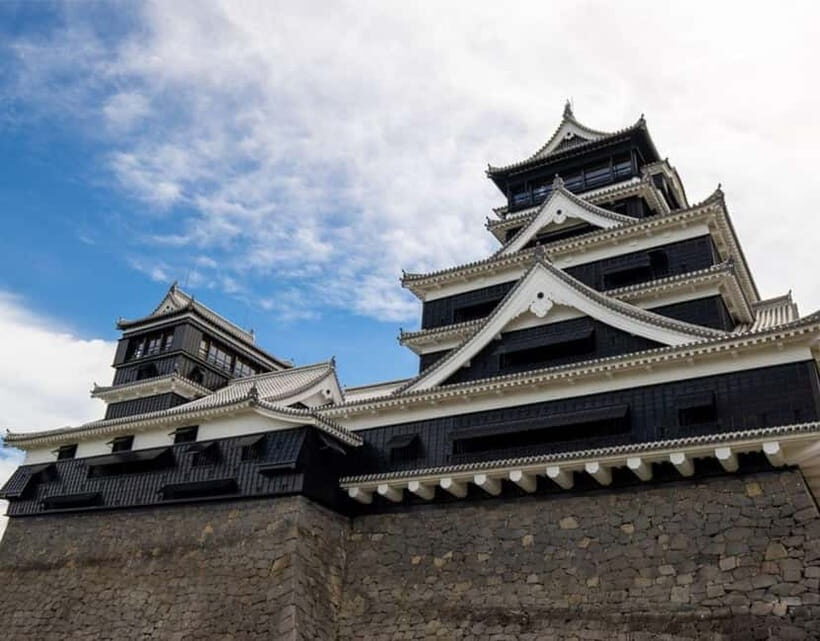
At $5 per person, the castle admission price is hard to beat. Even if you only spend a few hours exploring Kumamoto Castle with the exterior route and the English QR code support, you’re getting a high-value cultural stop in a single day.
The value grows if you add the combo ticket. Wakuwakuza brings:
- interactive learning
- a special exhibition space
- a craft/experiment room
- a planetarium
That shifts the day from “see the castle” to “learn the castle.” And because you’re still within a 1-day time window, you don’t need extra transport planning or another attraction reservation to justify the spend.
If you are deciding between standard and combo, use this simple rule:
- Choose standard if you mainly want the castle structures and you like reading on your own.
- Choose the combo if you want a more hands-on day where language is less of the bottleneck.
Should you book Kumamoto: Castle Admission Ticket?
Book it if you want a classic Japanese castle experience with support built in. The QR-code English explanations make the visit more accessible, and Wakuwakuza (when you choose the combo) turns the day into an interactive museum stop that’s easier to enjoy without deep prior knowledge.
Don’t overbook yourself if you are sensitive to language-based exhibits. Some indoor content can feel more engaging with Japanese reading skills, and restoration work can mean not everything looks fully finished. Still, the overall setup is strong, and the chance to add hands-on activities and even a planetarium makes this a smart use of one day in Kumamoto.
If you’re passing through Kyushu and want a rewarding stop that doesn’t swallow your schedule or budget, this ticket earns a solid yes.
FAQ
What’s included with the standard Kumamoto Castle admission ticket?
Your standard ticket includes admission to Kumamoto Castle only.
What’s included if I choose the Ticket Combo with Wakuwakuza?
With the combo option, your ticket includes admission to Kumamoto Castle plus admission to Kumamoto Castle Museum Wakuwakuza.
What’s included if I choose the Wakuwakuza & Kumamoto Museum Ticket Combo?
With this combo, your ticket includes admission to Kumamoto Castle, admission to Kumamoto Castle Museum Wakuwakuza, and admission to Kumamoto Museum.
How do I get to the meeting point at Honmaru?
From JR Kumamoto Station, take the Kumamoto City Tram to Kumamoto Castle City Hall, then walk about 10 minutes. From Aso Kumamoto Airport, take the airport limousine bus to Sakuramachi Bus Terminal, then walk about 10 minutes.
Is this experience wheelchair accessible?
Yes, the experience is listed as wheelchair accessible.
How long is the ticket valid, and can I cancel?
The ticket is valid for 1 day. It is non-refundable.