REVIEW · KUMAMOTO
Kumamoto Castle, Samurai Legacy & Restoration Tour
Book on GetYourGuide →Operated by DeepExperience, Inc. · Bookable on GetYourGuide
Kumamoto Castle is proof resilience can be toured. This guided experience turns a famous fortress into a story you can walk and see, from the samurai context at Wakuwakuza Museum to the special restoration route with the dual-style stone walls. I especially love the way the route points out the layered construction of Niyō-no-Ishigaki stonework, and I also like that the Wakuwakuza stop brings Kato Kiyomasa’s leadership and building ambition into focus. One possible drawback: there’s a moderate amount of walking, including stairs and uneven stone inside the castle, and restoration work can temporarily restrict areas.
By the time you reach the main keep and look out from the top floor, you’re not just sightseeing. You’re seeing how the castle’s defensive design and modern recovery efforts connect, including visible earthquake damage and ongoing repairs. The tour ends at Kato Shrine, placed beside the castle grounds for a strong vantage point and a clear link back to the samurai who shaped Kumamoto.
In This Review
- Key points worth your attention
- Why Kumamoto Castle’s restoration story is the real star
- Wakuwakuza Museum sets the samurai scene with Kato Kiyomasa
- The special restoration route and the dual-style Niyō-no-Ishigaki walls
- Inside the keep: defensive planning plus recovery efforts you can point to
- Kato Shrine: the samurai link and the best kind of quiet
- Kumamoto vs Hakata: how the departure option changes your day
- Price and value: is $97 worth it?
- What I’d pack and how to prepare
- Who this tour suits best
- Should you book this Kumamoto Castle tour?
- FAQ
- How long is the Kumamoto Castle, Samurai Legacy & Restoration Tour?
- What’s included in the tour?
- Is the tour guided in English?
- Where is the meeting point?
- Can I start from Hakata Station instead of Kumamoto?
- Are Shinkansen tickets included?
- Is lunch included?
- How much walking is involved?
- Will restoration work affect what I can see?
- What’s the cancellation policy?
- Does the tour have a private group format?
Key points worth your attention
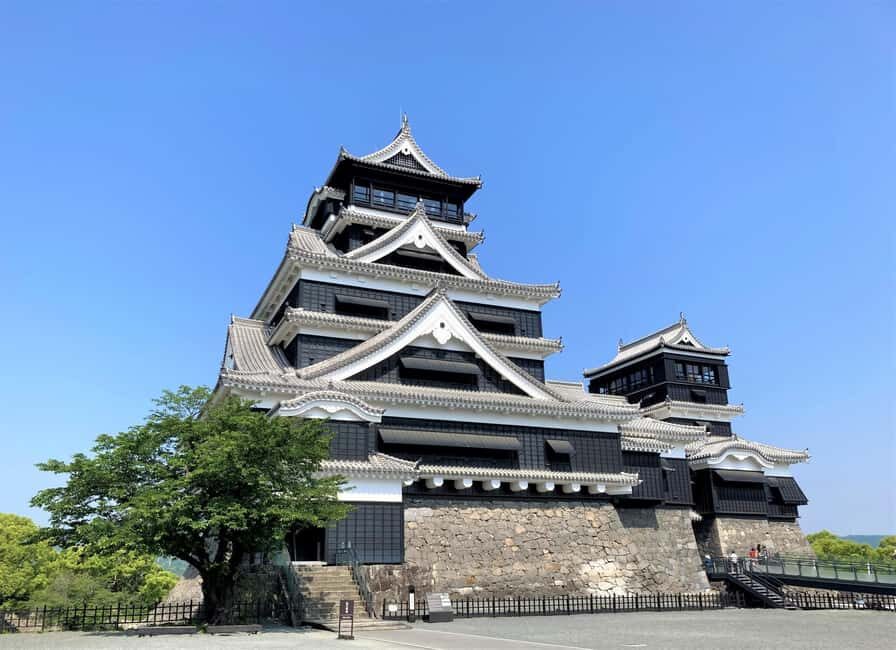
- Dual-style Niyō-no-Ishigaki stone walls: two construction techniques layered across generations, explained on the route
- Wakuwakuza Museum (Kato Kiyomasa): interactive exhibits that translate leadership and military engineering into everyday understanding
- Defensive corridors you can experience: paths designed to slow and confuse attackers, not just to look dramatic
- Earthquake restoration you can see: visible damage plus active repair work gives the history a present-day feel
- English guide storytelling: Eiji is specifically praised for turning castle facts into a friendly, easy-to-follow narrative
- Flexible Kumamoto or Hakata start: options can include Shinkansen depending on the package
Why Kumamoto Castle’s restoration story is the real star
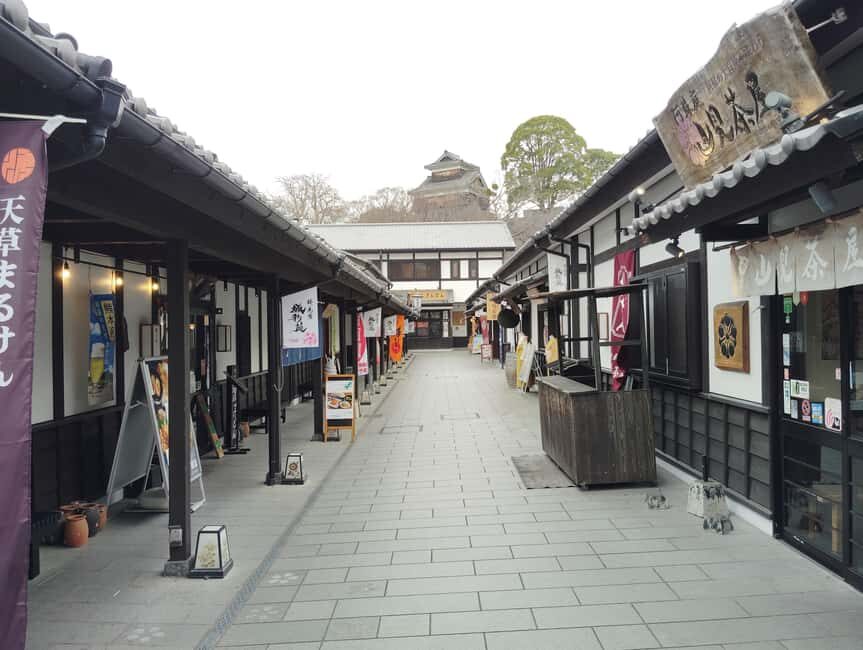
A castle like Kumamoto can easily feel like a history photo on a screen. This tour fixes that. You walk through the same kinds of choices that once mattered for defense and control—then you see the modern choices involved in rebuilding after the 2016 earthquake.
That mix is the value. It gives the site two time layers: the early 1600s era when Kato Kiyomasa helped build the fortress, and the recent era when restoration crews had to stabilize, repair, and reconstruct damaged sections. Even if you already know Kumamoto Castle is impressive, the tour helps you read it like a living structure instead of a static landmark.
Also, a guided format matters here. Restoration work is ongoing, and some areas may temporarily be restricted depending on operations or weather. With a guide, you’re less likely to feel lost when something changes and more likely to understand what you’re seeing and why it matters.
You can also read our reviews of more tours and experiences in Kumamoto.

Wakuwakuza Museum sets the samurai scene with Kato Kiyomasa
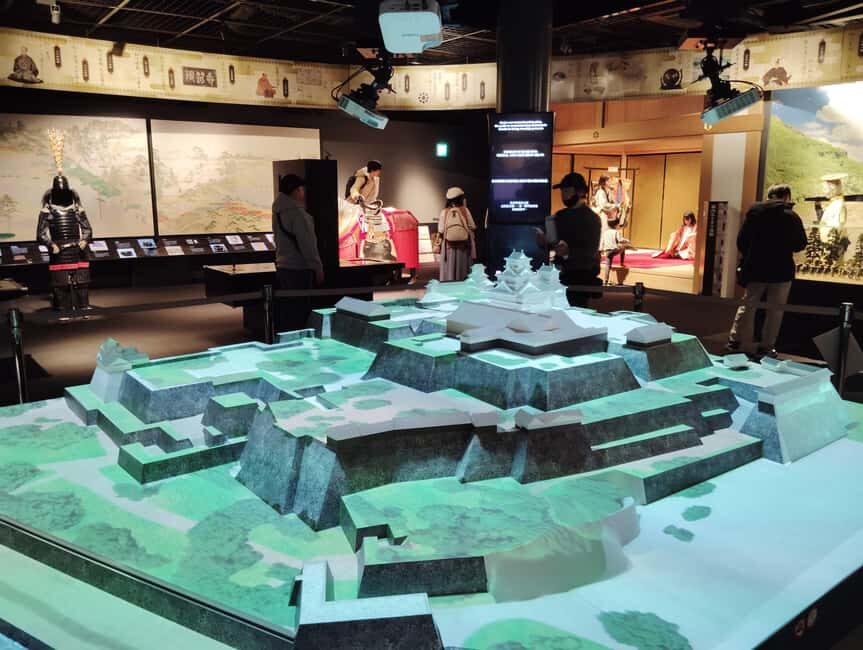
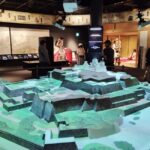
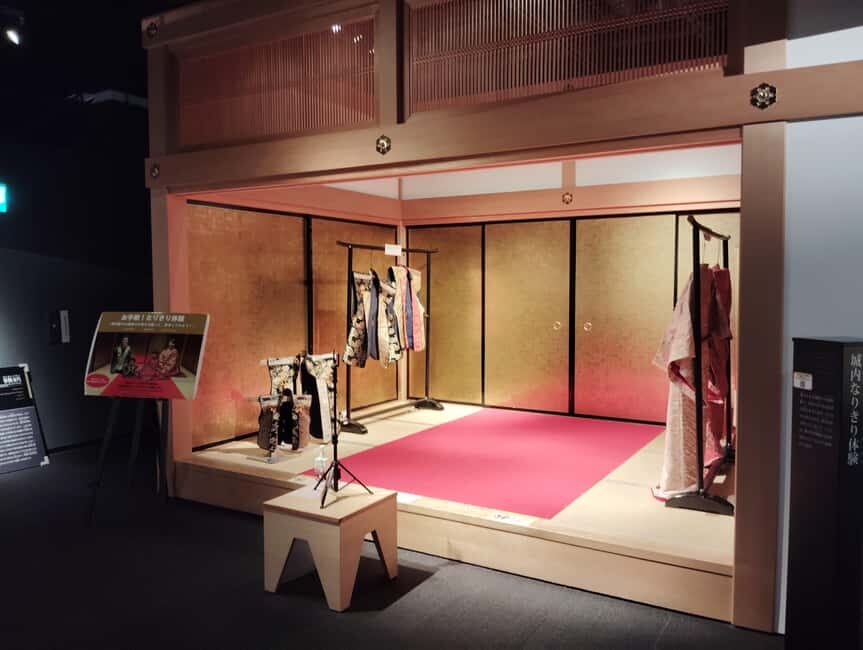
You start at Wakuwakuza Museum, and that’s a smart move. Instead of running straight to stone walls, you get the human engine first: Kato Kiyomasa, the feudal lord who constructed Kumamoto Castle in the early 17th century.
The museum experience is described as interactive, and it focuses on how Kato Kiyomasa’s leadership style connects to building decisions. You’ll also see exhibits that frame samurai governance and military engineering as practical tools, not just warrior legends. For me, this is what makes the rest of the tour click. When you later see corridors and defensive features, you’re not guessing their purpose.
There’s also a sense of personality in the presentation. One of the tour highlights from the guide praise is that Eiji toured guests across the castle area with knowledge and good humor. If you get a guide with that approach, the museum-to-castle flow feels like a single coherent story, not separate stops.
The special restoration route and the dual-style Niyō-no-Ishigaki walls
After Wakuwakuza, you enter Kumamoto Castle via the special restoration route. This part is built around one of the castle’s most distinctive features: the “dual-style” stone walls, called Niyō-no-Ishigaki.
Here’s the key idea. You’re not just looking at stonework for its size. You’re looking at construction technique across time—two different methods layered together. Your guide walks you through what to notice, so you can actually compare the sections instead of only admiring the overall scale.
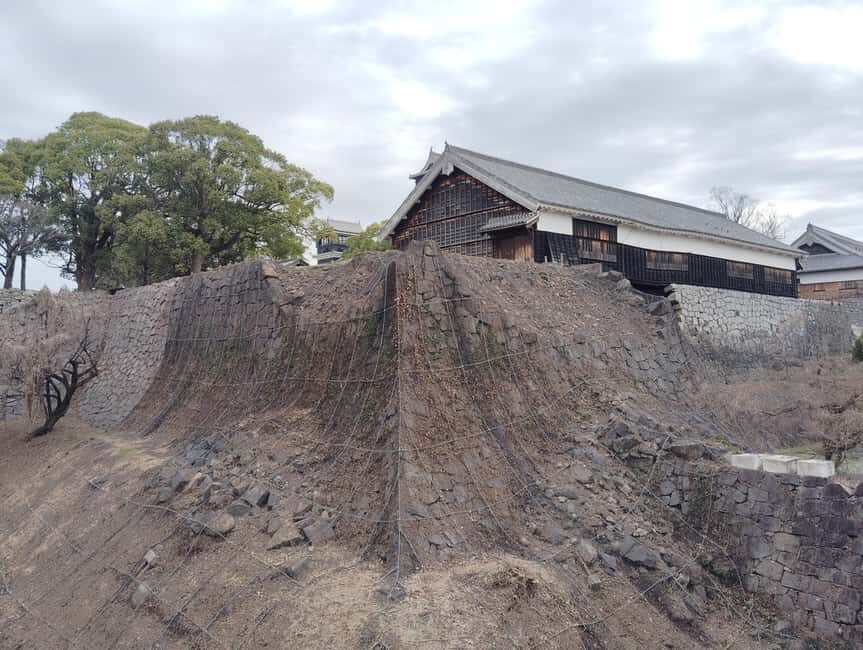
This is also where restoration becomes meaningful, not just sad. Because rebuilding continues, you can connect historical design with present-day repair choices. Some parts may show earthquake damage, and other parts show what restoration crews are working on now. That contrast makes the wall story feel real, because you can see where past engineering meets modern preservation.
Practical tip: wear comfortable shoes even if you think you’re “not that far.” The castle route includes stairs and uneven stone pathways, and you’ll want stable footing for slow, careful looking.
Inside the keep: defensive planning plus recovery efforts you can point to
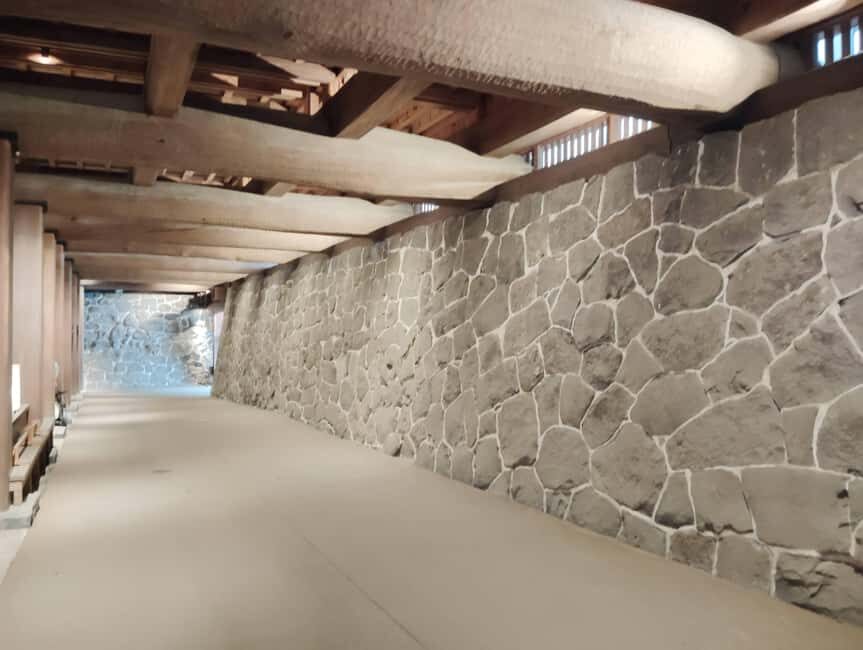
Once you’re in the main keep area, the tour shifts from outside structure to interpretation. You’ll explore exhibitions that cover how the castle was constructed, plus topics connected to later conflict—specifically the Satsuma Rebellion—and the long arc of recovery.
What makes this stop valuable is the way it ties physical design to historic events. Your guide’s explanations about defensive corridors are especially helpful. These corridors are designed to slow and confuse attackers, which means they weren’t built for a modern walking route. When you move through them, you start to understand how attackers would have struggled even before you get any dramatic battle story.
Then there’s the restoration layer again. The tour mentions visible earthquake damage and ongoing repairs, and that changes the tone. Instead of viewing the castle as a perfectly preserved monument, you see it as a structure under active care. You might catch areas where repairs are underway or where restrictions affect what you can access.
From the top floor, you get sweeping views of the city. That’s not just a photo moment. It helps you understand why this hilltop stronghold mattered strategically. When you can see the broader layout from above, defensive planning stops being abstract.
Kato Shrine: the samurai link and the best kind of quiet
The tour concludes at Kato Shrine, dedicated to Kato Kiyomasa. It sits beside the castle grounds, and the practical benefit is that the shrine area gives you one of the finest vantage points over the castle.
This final stop works because it ties the story back to people. You’ve spent time learning about leadership, military engineering, and fortress design. Then the shrine gives you a cultural reference point—an easy place to reflect and connect Kumamoto Castle to its local identity.
It’s also a calmer ending than moving through more exhibits. If your day includes a lot of big sights, this sort of finish can feel like a reset. You get one last look at the stone and the hilltop setting before you’re done.

Kumamoto vs Hakata: how the departure option changes your day
The tour offers flexible starting points, and this is more than convenience—it changes how easy it is to fit Kumamoto into a broader Kyushu plan.
You can:
- start directly in Kumamoto
- choose a round-trip departure from Hakata Station via Shinkansen
- start in Hakata and finish in Kumamoto
Two practical notes matter here. First, for Hakata departure packages, Shinkansen tickets are included only in the selected package, so double-check what you’re getting when you book. Second, Shinkansen schedules can’t be delayed for the tour, so you’ll want to be prompt.
If you’re basing yourself in Fukuoka, the Hakata options can be efficient. The key is deciding whether you want round-trip simplicity or the faster feel of starting in one city and finishing in another—especially if your next stop is already planned near Kumamoto.
Price and value: is $97 worth it?
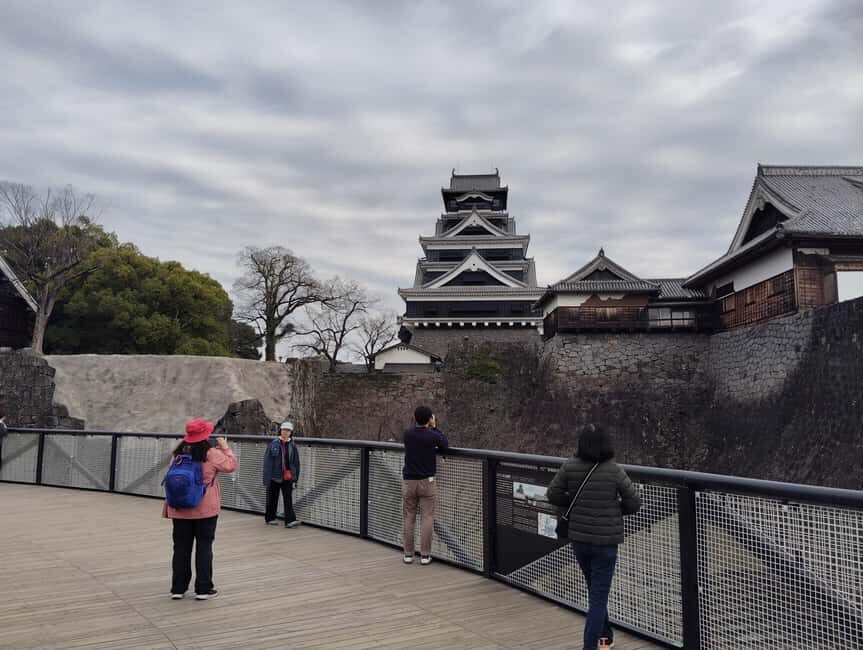
At $97 per person, this tour sits in a reasonable guided-sightseeing range for a major castle area plus a museum component. What justifies the price isn’t only the castle entry. It’s the guided interpretation of several high-value points: Wakuwakuza Museum, the restoration route, the dual-style stone walls, and the shrine viewpoint.
Also, the tour includes a local guide and is offered in English. That’s important at Kumamoto Castle because the details really depend on explanation—especially with the dual-style Niyō-no-Ishigaki stone walls and the defensive-corridor logic. Without guidance, it’s easy to walk past features that are actually the whole point.
There’s another value factor: the experience is built for a relatively short window. The duration is listed as 3 hours but the data field also shows 390 minutes, so treat this as a sign to confirm the exact time on your booking screen. Either way, it’s designed to cover a focused route rather than a half-day of wandering.
Finally, it’s a private group. If you prefer not to get stuck behind a slow-moving crowd or you want your guide to adjust pace, private group formats usually feel more comfortable and efficient.
What I’d pack and how to prepare
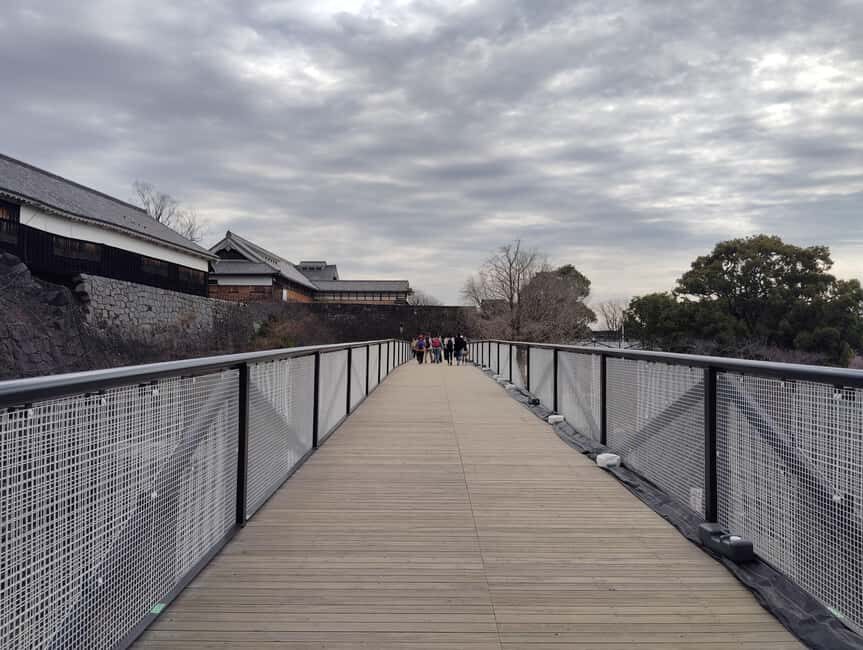
Even with a good guide, Kumamoto Castle requires a bit of physical readiness. The tour includes stairs and uneven stone pathways inside the castle. Since restoration work may restrict areas, you also want to stay flexible on what you can see on the day.
For most people, this is what makes the tour comfortable:
- good walking shoes with solid grip
- a light layer for changing weather
- water (lunch is not included, unless noted otherwise)
- a mindset of flexible routing if some sections are closed temporarily
If you have mobility limits, the stairs and uneven surfaces are a real consideration. If you’re generally steady on your feet, you’ll likely be fine.
Who this tour suits best
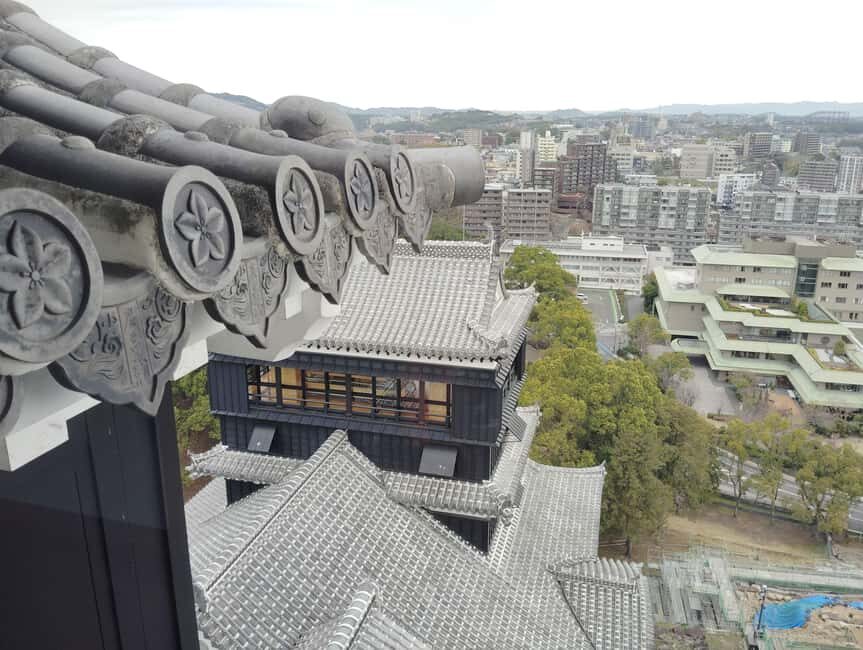
This experience fits best if you want:
- a guided explanation of samurai-era leadership and castle engineering
- to connect architectural details to real events, including the 2016 earthquake restoration story
- a manageable route that still includes a museum, major castle features, and a shrine viewpoint
- English interpretation with a personable guide approach, with Eiji specifically praised for humor and clarity
It might be less ideal if you want zero stairs, or if you don’t like walking on old stone surfaces. It’s also not the best choice if you want full independence; you’ll be following the guided flow and possible restoration-related adjustments.
Should you book this Kumamoto Castle tour?
I’d book it if you’re aiming to understand Kumamoto Castle beyond the postcard view. The combination of Wakuwakuza Museum context, the dual-style Niyō-no-Ishigaki wall route, and the visible restoration work makes this more than a standard castle visit. You also end with Kato Shrine for a natural viewpoint and a clear samurai connection.
I’d hesitate if you have trouble with stairs and uneven stone, or if you’re planning a tight schedule where any route change could stress you out. Since restoration can cause temporary restrictions, you want a little slack in your itinerary.
If you choose the right departure option (Kumamoto or Hakata package) and come prepared for a guided walking route, this tour is a strong way to experience Kumamoto’s defensive past and its present-day recovery in one go.
FAQ
How long is the Kumamoto Castle, Samurai Legacy & Restoration Tour?
The duration is listed as 3 hours (and a separate value of 390 minutes appears in the details). Check the exact time shown for your departure when you book.
What’s included in the tour?
You get a guided tour of Kumamoto Castle, a visit to Kato Shrine, entry to Kumamoto Castle Museum Wakuwakuza, and a local guide.
Is the tour guided in English?
Yes. The tour includes a live English guide.
Where is the meeting point?
The meeting point may vary depending on which option you book.
Can I start from Hakata Station instead of Kumamoto?
Yes. The tour offers options that let you start in Kumamoto or Hakata, including packages with Shinkansen depending on the option selected.
Are Shinkansen tickets included?
Shinkansen tickets are included only in the selected Hakata package. You’ll want to confirm that at booking time.
Is lunch included?
No, lunch is not included unless otherwise specified.
How much walking is involved?
There is a moderate amount of walking, including stairs and uneven stone pathways inside Kumamoto Castle.
Will restoration work affect what I can see?
It can. Certain areas may be temporarily restricted due to ongoing restoration work, and the itinerary may adjust based on weather or operational conditions.
What’s the cancellation policy?
Free cancellation is available up to 24 hours in advance for a full refund.
Does the tour have a private group format?
Yes, it’s listed as a private group.