REVIEW · KUMAMOTO
Kumamoto Half-Day Private Tour with Government-Licensed Guide
Book on Viator →Operated by Japan Guide Agency · Bookable on Viator
Kumamoto in four hours is a gift. This private, government-licensed English tour helps you pick the exact sights you care about, then keeps everything moving with an expert who can explain the why, not just the what. I like that you’re not stuck in a cookie-cutter loop.
My other favorite part is the pacing: most stops are short, so you get to see a lot without feeling wrecked. The one thing to watch is that it’s a walking tour with no private vehicle included, plus you’ll pay your own entrance fees and transport between stops.
In This Review
- Key highlights you’ll feel right away
- Why a government-licensed English guide makes this worth it
- Price and what you’re really buying for $107.50
- The 4-hour walking format: efficient, but don’t ignore your feet
- Choosing your 2–3 stops: Kumamoto highlights that fit real time
- Kumamoto Castle (Kumamotojō)
- Suizenji Jojuen Garden (Suizenji Jōjuen)
- Lafcadio Hearn House (Koizumi Yakumo)
- Sakuranobaba Josaien Tourist Information Center
- Shimotori Shotengai (the Shimotori Arcade)
- Contemporary Art Museum Kumamoto (CAMK)
- Hanaokayama Park
- Soseki Natsume Uchitsuboi Old House (Soseki Memorial Hall)
- Kumamoto Prefectural Traditional Crafts Center
- Shimada Museum of Arts
- Tips for a smoother day (heat, tickets, and getting your bearings)
- Should you book this private Kumamoto half-day tour?
- FAQ
- FAQ
- How long is the Kumamoto half-day private tour?
- Can I customize which places we visit?
- Is pickup included?
- Are entrance tickets included?
- Is lunch included?
- What language will the guide speak?
- Is free cancellation available?
- Is this tour for private groups only?
Key highlights you’ll feel right away
- Government-licensed English guide with a real background in Japanese culture and history
- Custom itinerary: choose 2–3 sites from a menu and fit it into ~4 hours
- Efficient stop lengths: several sights are about 15 minutes; two options stretch longer
- Good translation support, including visual aids some guides use to reduce confusion
- Flexible planning with real logistics help, sometimes including transport coordination for cruise days
- Local flavor stops mixed in, like Josaien and the Shimotori shopping arcade
Why a government-licensed English guide makes this worth it
Kumamoto isn’t one of those places where you can just wander and everything magically becomes obvious. A big part of the value here is the National Government Licensed Guide Interpreter qualification. That license is tied to understanding Japanese culture and history, not just language.
So when you stand in front of a castle, a garden, or an old writer’s home, you’re not guessing what you’re looking at. You get context fast. That matters most if your time is tight—like it is here, since the tour is designed around a half-day window.
I also like that the guides are local and used to working with short, focused schedules. In past experiences with guides from this program, the approach has been practical: handling heat, keeping meaning clear, and using simple visuals so the story lands even when terms get tricky.
You can also read our reviews of more guided tours in Kumamoto
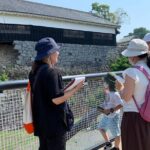
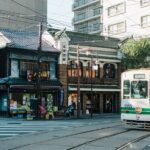
Price and what you’re really buying for $107.50
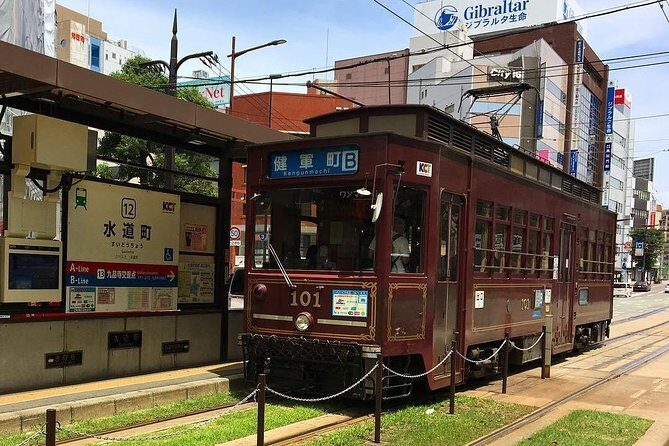
At $107.50 per person for about 4 hours, this isn’t a budget bus tour deal. But you are paying for three things that add up:
- A licensed English-speaking guide who can tailor your choices
- Privacy (only your group participates)
- Time efficiency: the day is structured so you don’t spend half the half-day figuring out routes and explanations
What’s not included is also clear: you cover transportation fees, entrance fees, lunch, and other personal spending. So the smart way to think about value is this: the base price buys the guide and the plan, and then you budget separately for admissions and meals.
In other words, if you want the cheapest way to see Kumamoto, skip this. If you want to see the right parts of Kumamoto with explanations that actually help, this is priced like a service—not like a ticket.
One more timing note: this tour tends to sell with some lead time (it’s often booked about 67 days ahead on average). If you’re traveling in busy seasons, I’d lock it in early rather than rolling the dice.
The 4-hour walking format: efficient, but don’t ignore your feet
This tour is a walking tour. Pickup, when offered, is on foot from a designated meeting area in central Kumamoto. That means:
- Wear comfortable shoes. Not “nice shoes.” Proper walking shoes.
- Expect the schedule to feel like a sprint with breaks. Several stops are around 15 minutes.
- If you’re adding museum time or a longer snack stop, you’ll need to keep it tight (or choose different sites upfront).
There’s no private vehicle included. In at least one real day plan, a guide helped by arranging a chartered large taxi to save transfer time—especially helpful when mobility needs came into play. That kind of solution can be practical, but it’s not the default included transport. So if you have strong mobility limits, message your provider ahead and ask what can realistically be arranged.
Also, there’s no pickup at Yatsuhiro Port, and you can’t combine multiple tour groups. In plain terms: this stays focused on your private group and your chosen route.
Choosing your 2–3 stops: Kumamoto highlights that fit real time
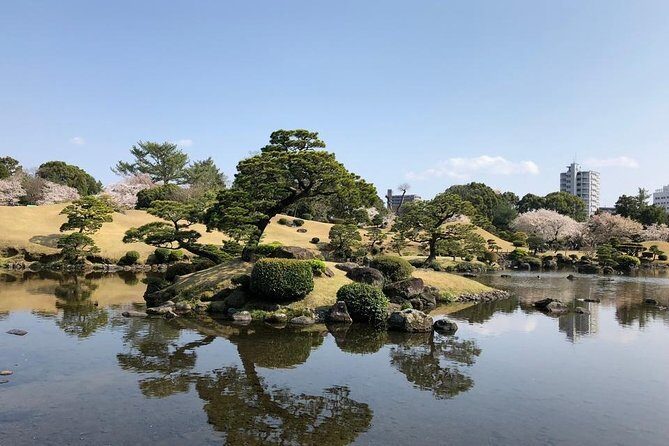
You’ll pick your sights from a menu. The key is to choose stops that match your energy level, because the tour is built around a short visit rhythm.
Here’s what each option feels like and what to watch for.
Kumamoto Castle (Kumamotojō)
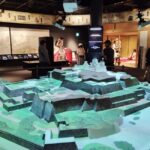
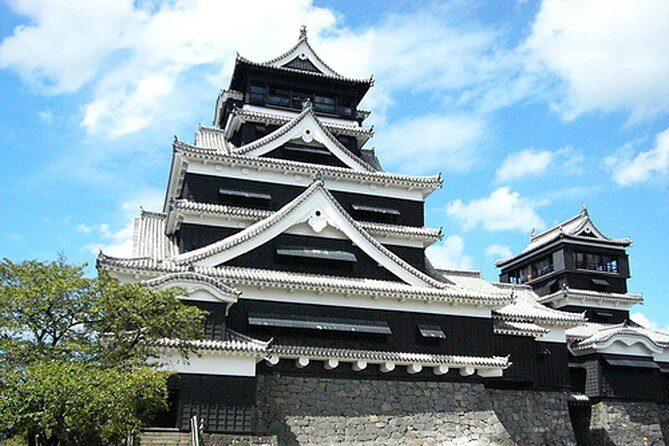
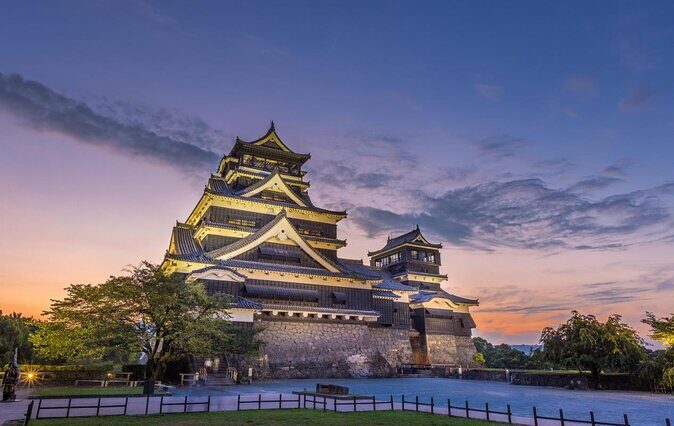
If you’re doing one “big ticket” sight, this is it. Kumamoto Castle is one of the most impressive Japanese castles, with expansive grounds and multiple buildings to explore.
Because your time is limited, treat this stop as a guided orientation plus highlights. You’ll get the story beats and what to notice as you walk the grounds. Admission isn’t included, so check that cost and budget for it before you arrive.
Practical tip: if you’re choosing only two sights, this is the one that anchors the day.
You can also read our reviews of more private tours in Kumamoto

Suizenji Jojuen Garden (Suizenji Jōjuen)
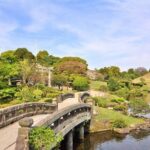
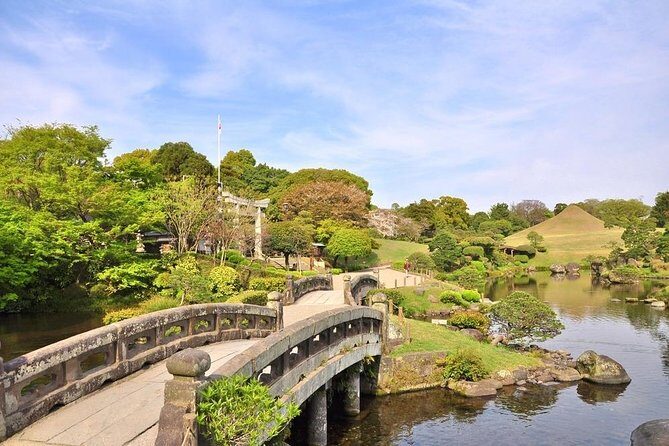
This is the calm counterweight to the castle. Suizenji is a Japanese-style garden built by the Hosokawa family in the 17th century. The best way to enjoy it is a slow stroll along a circular path.
The drawback is timing: garden enjoyment is usually best when you have a little breathing room. Still, a guided 15-minute window can work well if your guide helps you see the garden’s logic quickly—what’s meant to be noticed where.
If you like gardens but hate feeling rushed, consider pairing it with one shorter stop and saving your longer attention for Hanaokayama later.
Lafcadio Hearn House (Koizumi Yakumo)
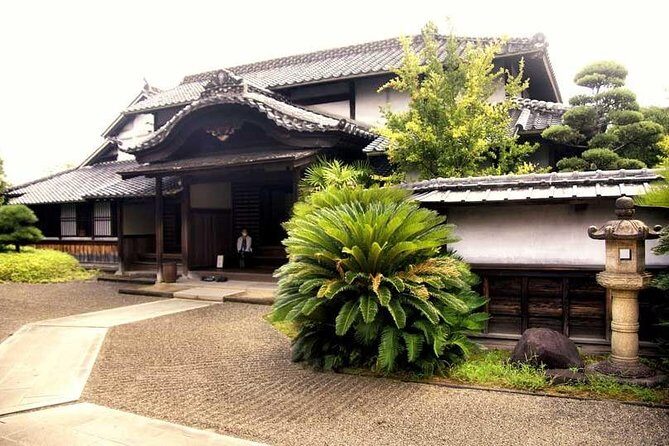
For literature lovers, this is a standout. Lafcadio Hearn is known in Japan as Koizumi Yakumo (1850–1904). He was one of the early Western authors to write about Japan, including books like Glimpses of Unfamiliar Japan.
This stop tends to work well because it’s about ideas, not just visuals. Even in a short visit, you can connect his background to how Japan got interpreted by early foreign writers. Admission isn’t included, so budget for entry if it applies.
Sakuranobaba Josaien Tourist Information Center
This is where you switch from history mode to practical local life. Josaien is built for Kumamoto specialty dishes and souvenirs. It’s also a good place to plan your food strategy for the day.
One specific example: you may be able to try things like Salad Chikuwa (deep-fried fish cake with salad-style toppings). Admission isn’t included, so you’re mostly paying for what you eat or buy.
If you want gifts that feel local (not generic), don’t skip this.
Shimotori Shotengai (the Shimotori Arcade)
This is Kumamoto street life, but in concentrated form. Shimotori Arcade is about 511 meters long and 15 meters wide, and it draws over 50,000 people each day. It’s a long, shop-lined arcade—excellent for a quick browse.
The upside: you can hit it even if the day is hot, since a covered arcade helps. The caution: with only 15 minutes, you won’t do serious shopping. Use it to sample snacks, grab small gifts, and get a feel for the city’s commercial rhythm.
Contemporary Art Museum Kumamoto (CAMK)
If your taste runs more modern, CAMK adds a different flavor. It mainly shows contemporary art, and it’s described as featuring works integrated with the actual building.
This stop is good if you want a break from castles and gardens. The challenge is that contemporary art can be subjective. The value of a guide is that they can point you toward what to look for in the space you’re in—so your time doesn’t feel like you’re just walking past labels.
Hanaokayama Park
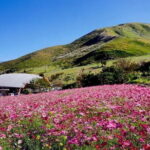
This is your payoff for the walking day. Hanaokayama is a hill with big city views. It’s especially pretty when the weather is good and you catch the twinkling lights over Kumamoto in the evening.
In practice, this is one of the best choices if you can time your day toward late afternoon. Your schedule gives this about 1 hour, which helps—you’re not just stopping for a photo and moving on.
Caution: visibility is weather-dependent. If it’s cloudy or rainy, you’ll need to adjust expectations.
Soseki Natsume Uchitsuboi Old House (Soseki Memorial Hall)
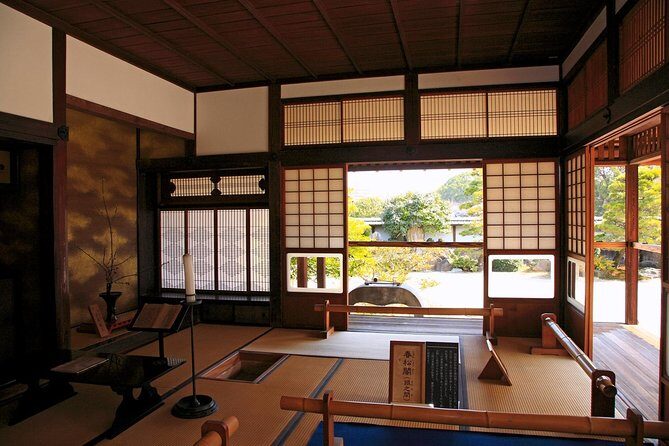
This is for fans of Japan’s Meiji-era literature. The site honors Natsume Soseki (died 1916) and is based on his former home, dating from the 18th century.
With about 1 hour allocated, this is usually a deeper stop than the 15-minute options. You’ll have enough time to take in the story, walk the rooms calmly, and connect Soseki’s era to what the guide explains.
Admission isn’t included, so plan for that.
Kumamoto Prefectural Traditional Crafts Center
If you want to bring something home that has actual craft behind it, this is a strong pick. You’ll see a large range of different crafts at the Kumamoto Prefectural Traditional Crafts Center.
The benefit is breadth. A short guided visit can help you identify what styles and regions match your interests. The limit is time: if you want hands-on activities, you may need extra time beyond what’s built into the half-day.
Shimada Museum of Arts
This is a smaller museum, but it’s described as worth the stop. It focuses on galleries dedicated to items such as calligraphy (and other related arts in the same spirit).
If you like compact museums—where you can actually see everything rather than racing from room to room—this can be a great way to spend one of your fewer longer blocks.
Again, admissions aren’t included, so budget for entry.
Tips for a smoother day (heat, tickets, and getting your bearings)
A good tour doesn’t just show you places. It saves you from small friction.
Here’s how to set yourself up for an easy half-day with this format:
- Bring water and plan for heat. One guide, Kenzo, was noted for managing needs on a melting summer day. You can’t count on the weather, so come prepared.
- Wear practical shoes. Since it’s walking with frequent short stops, your comfort controls your experience.
- Budget entrance fees ahead of time. Every stop above notes admission isn’t included, so those costs can stack up if you add all the paid sites.
- Have a “food yes/no” plan. Lunch is not included, but you can build in a snack or meal stop around places like Josaien or your chosen lunch spot. In one example day plan, a lunch stop was included at Akaushi yoka yoka—so guides can help you find something workable.
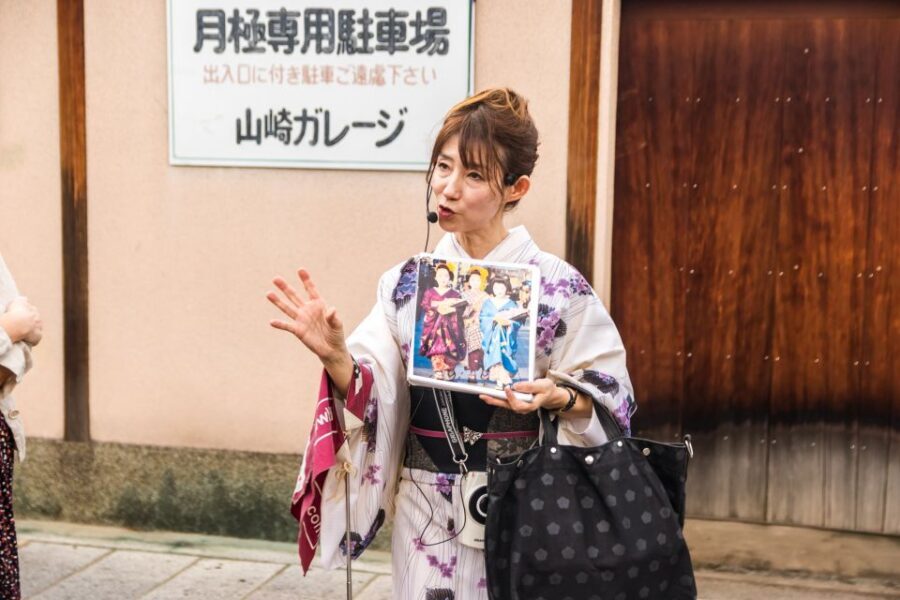
- Use the guide’s translation tools. In one case, a guide (Jun) used a binder with visuals to support understanding. If you’re the type who likes to ask follow-up questions, that style is gold.
- If you’re arriving by cruise ship, ask about transport help. One guide (Jun) helped with transport to and from a cruise ship day, and that can be the difference between rushing and enjoying Kumamoto.
Finally, choose your 2–3 sites like a playlist. If you pick three heavy-history stops, you may feel overloaded. If you mix one big sight, one calm or cultural place, and one local flavor stop, the day flows better.
Should you book this private Kumamoto half-day tour?
Book it if:
- You want English explanations from a government-licensed guide, not just a route.
- You want to choose 2–3 sights instead of spending time at places you don’t care about.
- You value efficient planning for a limited time window.
Skip it (or consider other options) if:
- You don’t want to pay entrance fees on top of the tour price.
- You’d struggle with a walking-first schedule.
- You’re hoping for built-in private transportation. This isn’t that.
My take: this is a smart way to get oriented and actually understand Kumamoto without losing an entire day to logistics. If you pick your stops well—castle plus one calmer culture stop, then one local-life option—you’ll feel like you left with a real sense of the city.
FAQ
FAQ
How long is the Kumamoto half-day private tour?
It’s about 4 hours.
Can I customize which places we visit?
Yes. You choose 2–3 sites from a list in the tour information to create your itinerary.
Is pickup included?
Pickup is offered, but the tour is described as a walking tour with pickup on foot within a designated area in Kumamoto city. It also notes you cannot have pickup at Yatsuhiro Port.
Are entrance tickets included?
No. The tour states that entrance fees are not included.
Is lunch included?
No. Lunch is not included.
What language will the guide speak?
You get a licensed local English-speaking guide.
Is free cancellation available?
Yes. You can cancel for a full refund if you cancel at least 24 hours in advance of the experience start time.
Is this tour for private groups only?
Yes. It’s a private tour/activity, and only your group participates.