REVIEW · KUMAMOTO
Kumamoto : Iconic Statues World of Pirates Adventure Tour
Book on GetYourGuide →Operated by H.I.S. Co Ltd(TIC) · Bookable on GetYourGuide
Bronze pirate statues in volcanic Japan. That’s the core idea behind this Kumamoto One Piece day trip, built around seeing all the life-sized Straw Hat Pirates bronze figures across the city and Aso area. I really like the easy, stress-free drive between scattered photo stops, especially when you don’t want to juggle local transit all day.
I also love the way the tour ties characters to real places, including recovery symbolism after the Kumamoto earthquake, so it feels more than a fan-walk. Plus, the included lunch at Hakusui-no-Kura is a real treat: premium Aso Wagyu Akaushi Aka beef. One thing to consider: the route involves walking between locations, and the stop connected to Robin’s statue isn’t available on Mondays.
In This Review
- Key things I’d prioritize on this tour
- Kumamoto’s One Piece statue world: more than a quick photo stop
- The 8-hour Grand Tour schedule and why it works
- Stop-by-stop: from Luffy to Chopper in Kumamoto City
- Zoro in Ozu Central Park: the kendo connection you’ll actually notice
- Robin at the Kumamoto Earthquake Memorial Museum: memory meets fandom
- Usopp at Aso Station and the lunch break that restores energy
- Franky at Takamori Station: reconstruction energy in steel form
- Nami at Moe no Sato: a quick stop with local-travel momentum
- Brook in Mifune Dinosaur Park: healing through music
- Sanji in Mashiki Sports Park: the running-track support vibe
- Jinbei by the sea in Uto: finishing with a calmer backdrop
- Getting the best photos: how to make the “hero next to you” moment work
- Walking, timing, and the one big day-logistics reality
- Price and value: what $219 really buys you
- Who this tour fits best (and who should reconsider)
- Should you book the Kumamoto One Piece Statue Grand Tour?
- FAQ
- What’s included on the 8-hour Grand Tour?
- How long is the tour, and is lunch included?
- Does the tour include pickup in Kumamoto City?
- What languages are available, and is the tour wheelchair accessible?
- Will I be able to visit the Robin statue on Mondays?
- What are the payment and cancellation options?
Key things I’d prioritize on this tour
- Full Straw Hat bronze set: You’re routed to see all the life-sized characters across Kumamoto.
- Pickup from anywhere in Kumamoto City: Your day starts with convenience, not logistics.
- Hakusui-no-Kura Aka beef lunch: A proper sit-down break, not a quick snack.
- Photo-first positioning: You get time at the spots where the angle and background work.
- Earthquake recovery symbolism: Several locations connect the stories to real resilience.
Kumamoto’s One Piece statue world: more than a quick photo stop
This is a fan-focused day with a clear theme: Kumamoto as the only place that gathers all the life-sized bronze Straw Hat Pirates statues in one circuit. The fun is obvious—big characters, bigger poses, and the chance to stand right next to them. But the value comes from the way the statues are placed in meaningful spots around town and into the Aso region.
What makes the day feel grounded is the connection to local events, including what was built as part of recovery efforts after the Kumamoto earthquake. Even if you’re a casual fan, that detail turns the statues into markers of place, not just pop-culture decoration.
Your guide is there to keep it moving and help you translate what you’re looking at. The tour is private, with Japanese/English support, so you can spend more time actually enjoying each location instead of trying to figure out your own route.
You can also read our reviews of more tours and experiences in Kumamoto.

The 8-hour Grand Tour schedule and why it works
The Grand Tour runs for 8 hours, which is just long enough to hit a lot of spread-out locations without turning the day into a sprint. The biggest practical win is that you don’t spend your energy searching for the right bus, train transfer, or parking spot. You get pickup in Kumamoto City and a driver handles the scenic connections between stops.
You’ll also do walking. The tour is wheelchair accessible, but walking is still part of the experience because the statues are placed at specific entrances, parks, stations, and roadside sites. If you have limited mobility, I’d plan on taking it slow at each stop and using the vehicle time well between photo moments.
Lunch is included and treated like an actual meal. For the Grand Tour, there’s a 1-hour lunch window at Hakusui-no-Kura, and it’s built around Kumamoto’s Akaushi Aka beef.
Stop-by-stop: from Luffy to Chopper in Kumamoto City
Your first impressions tend to come fast, because the earliest statues anchor the day in central areas. The Monkey D. Luffy statue is placed at the entrance of the Kumamoto Prefectural Government Office in Kumamoto City. It’s a strong opening because it’s easy to reach and the spot is tied to leadership in recovery efforts—so it immediately links the Straw Hats to a real local story.
Next up is Tony Tony Chopper, outside the Kumamoto Zoo and Botanical Gardens. It’s a smart placement if you’re the kind of fan who likes character logic. Chopper is the crew’s doctor, and the statue guards the theme of caring for living things—perfectly matched to a zoo and garden setting.
These first two stops also set your rhythm. Expect short walks from parking/pickup points, quick time to line up photos, and guidance on where to stand so your character-and-background combo looks natural.
Zoro in Ozu Central Park: the kendo connection you’ll actually notice
The Statue of Roronoa Zoro lands at Ozu Central Park, between Kumamoto City and Aso. This is one of those stops where the details matter because the area is known for kendo dedication, which fits Zoro’s swordsmanship vibe.
If you care about “why this character goes here,” this is the kind of placement that makes the tour rewarding. You’re not just chasing statues—you’re learning what ties the character spirit to local culture and the physical setting.
Practical note: parks are great for photos, but they can be windy or have uneven ground. Wear shoes that work on sidewalks and park paths, and don’t assume every stop has perfect flat surfaces.
Robin at the Kumamoto Earthquake Memorial Museum: memory meets fandom
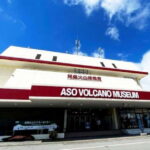
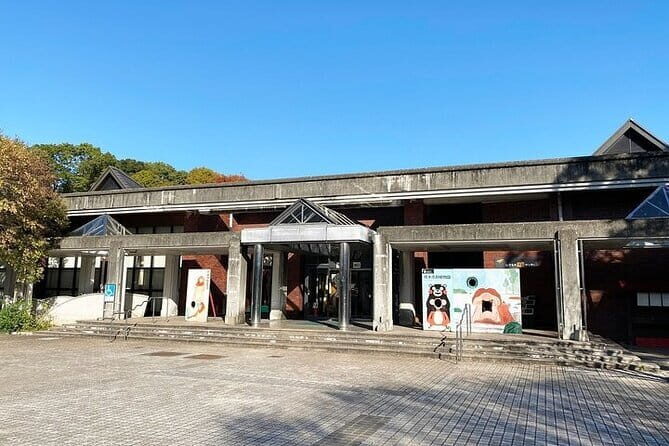
Nico Robin is placed at the Kumamoto Earthquake Memorial Museum, which used to be the Tokai University Aso Campus. The connection makes sense thematically: Robin is the crew’s archaeologist, and the location supports the idea of preserving knowledge and history.
There’s an important scheduling caution here. The facility housing the Robin statue is closed on Mondays, so access isn’t permitted that day. If your dates fall on a Monday, you’ll want to plan around that so the Robin stop isn’t a disappointment.
This is also the kind of statue location where your time feels more reflective than purely playful. If you’re the type who likes context, the museum setting adds weight and meaning to the character photos.
Usopp at Aso Station and the lunch break that restores energy
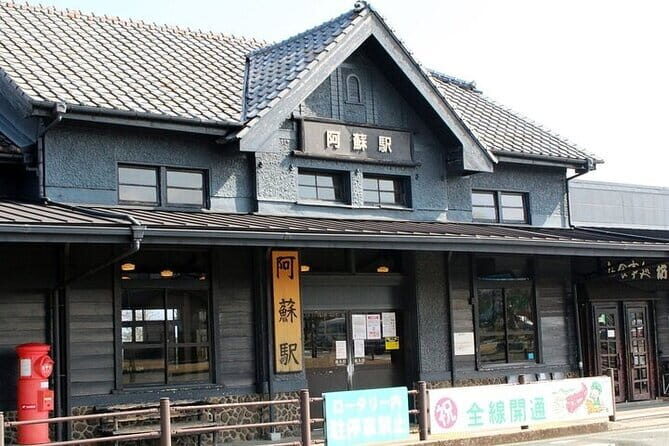
The Usopp statue stands in front of Aso Station, welcoming travelers. It’s placed like a friendly checkpoint—when you see it, you’re basically signaling to yourself that you’ve reached the Aso area and the day shifts from city anchors to regional landmarks.
Then comes the most satisfying break: lunch at Hakusui-no-Kura. You’re eating at a restaurant described as Michelin-listed, and the highlight is premium Aso Wagyu Akaushi Aka beef. Aka beef is known in Kumamoto for a lean texture and intense umami taste, and the menu being part of a structured lunch stop makes it more relaxing than trying to find a random place mid-route.
This lunch matters because it keeps the day from turning into a photo marathon. After sitting down, you’ll usually notice the next legs feel easier, and you’re more willing to slow down for the “best angle” shot instead of rushing through.
Franky at Takamori Station: reconstruction energy in steel form
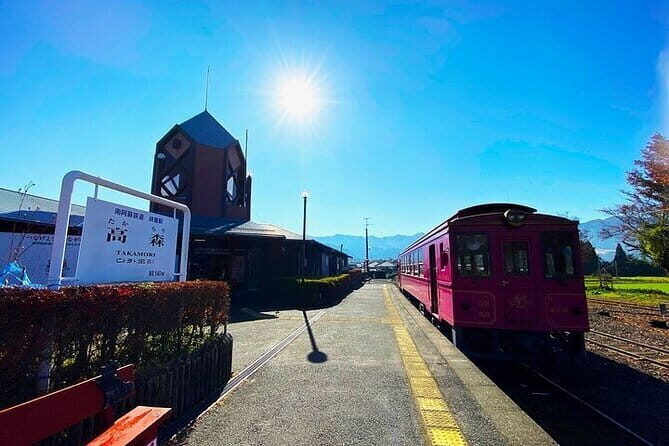
Franky is the tallest statue on the route, located at Takamori station in Minami Aso. Franky’s engineering personality fits naturally here, and the placement leans into reconstruction efforts—again tying character traits to what communities rebuilt after the earthquake.
From a fan perspective, this is one of the easiest statues to get a good shot from multiple angles because of its size. If you like photos where you can show the full figure clearly, this is a strong candidate.
Also, station areas tend to feel lively. Even if you’re not there for trains, station surroundings give you a real-world backdrop—signage, architecture, and the sense of being somewhere active rather than in a parking-lot photo lineup.
Nami at Moe no Sato: a quick stop with local-travel momentum
The Statue of Nami is located at Moe no Sato in Nishihara village, near a common tourist route heading toward Aso. The day’s plan gives this stop a shorter feel, around 15 minutes, so it works well as a reset point rather than a long linger.
It’s a practical stop if you like getting the shot and moving on—without exhausting yourself. You’ll still get time to frame the statue and take pictures with the background matching the tone of the area.
Since this is a village-area stop, weather can matter. If rain is in the forecast, plan on quick photo sessions, keep your camera protected, and let the driver time between stops help you stay comfortable.
Brook in Mifune Dinosaur Park: healing through music
Next is Brook, found at Mifune Dinosaur Park, near the Heisei College of Music. This pairing is clever: Brook brings music and an upbeat spirit even through tough stories, and the surrounding setting supports the “music as healing” message.
Dinosaur parks are the kind of place where kids and families often come through, which can be a factor for photo timing. The upside is the environment is playful and distinctive, so the pictures don’t look like you just visited the tenth statue of the day—they look like a moment in a specific place.
If you care about photo composition, parks like this can give you more options: background variety, open spaces, and angles that include more of the setting instead of just the statue.
Sanji in Mashiki Sports Park: the running-track support vibe
Sanji stands in Mashiki Sports Park, near a running track. If you like the personality-to-location matching, this one feels like a direct hit. It also connects to areas that were severely affected by the earthquakes, and the presence of Sanji becomes a “support” symbol in that context.
Sports parks tend to be good for bright daylight photos, but they can also be hot in summer. If you’re visiting during warmer months, you’ll appreciate the fact that the tour is timed with vehicle legs between stops. You’re not left to wander between hot spots on your own.
Jinbei by the sea in Uto: finishing with a calmer backdrop
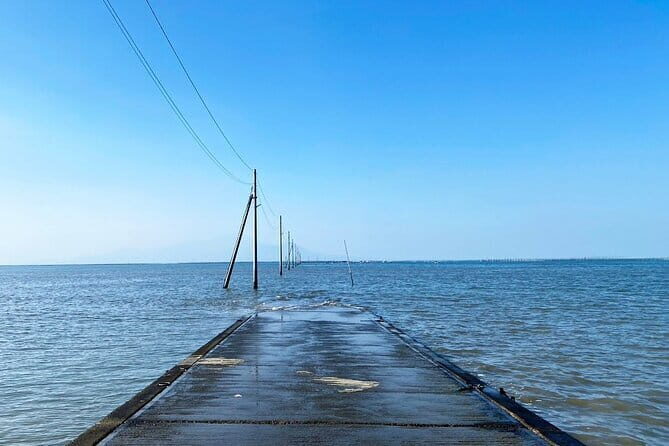
The final listed stop is Jinbei at Uto’s Sumiyoshi Kaigan Park by the sea. Ending near the water gives the day a softer landing. After stations, parks, and museum settings, the sea backdrop is a nice change in texture and atmosphere.
Even if you don’t focus on character symbolism, sea locations are great for photos because the horizon helps frame the statue and gives your pictures breathing room. It’s a good way to close the tour with a scene that feels distinctly Kumamoto.
Getting the best photos: how to make the “hero next to you” moment work
This tour is designed for photo success. The route includes time at each statue location where you can stand next to the characters and capture better composition than you’d usually manage rushing on your own.
Here’s how I’d approach it:
- Keep your phone/camera ready as you arrive, so you’re not switching apps while the group is already moving.
- Ask your guide where the expert photo spot is at each stop, then take a few seconds to check your framing before clicking.
- Do a quick second set of photos from a slightly different angle, especially where parks or stations give you background variety.
One practical advantage of a private group is that the pace is easier to manage. You’re not stuck waiting for strangers to figure out the route or where to stand.
Walking, timing, and the one big day-logistics reality
An 8-hour route sounds straightforward until you try to do it on your own. The statues are spread out across Kumamoto City and the Aso area, and connecting public transit for all stops in one day can be difficult. This is why the tour’s driver-and-guide setup is the real “quality-of-life” upgrade.
Yes, you’ll walk at each stop. But you’re walking with the benefit of getting dropped near the right entrances and then being picked up again without decision fatigue. That’s a big deal when you’re trying to enjoy the day and not treat it like a project.
If you have limited time in Kyushu and you’re a serious One Piece fan, this is one of the more efficient ways to handle the route without sacrificing comfort.
Price and value: what $219 really buys you
At $219 per person, this tour isn’t the cheapest way to see a few statues. But you’re paying for time-saving and structure: pickup included within Kumamoto City, a private group format, and bilingual guidance (Japanese/English).
The lunch also carries real value. You get a 4000 JPY lunch as part of the Grand Tour, served at Hakusui-no-Kura, with premium Aka beef the focus. That’s not a minor add-on—it’s built into the day plan and helps justify the overall cost.
The other value piece is access to photo-ready positioning. If you care about the final pictures, the guide’s help can be the difference between decent snaps and truly satisfying character shots.
If you don’t have an International Driving Permit and you’d otherwise rely on transit, the private driver setup can feel like a smart swap for time and stress.
Who this tour fits best (and who should reconsider)
This is ideal if you:
- Are a One Piece fan who wants a full bronze statue pilgrimage in one day.
- Want a guide to explain the connections between each character and the location.
- Prefer a private, paced route instead of doing long transfers.
You might rethink it if you:
- Hate walking or have tight mobility limits, since you’ll move between statue sites.
- Are visiting specifically on a Monday and really want the Robin statue stop, because the facility is closed and access isn’t permitted.
If you’re traveling as a small group and you want fewer moving parts, you’ll likely feel the price is working for you instead of against you.
Should you book the Kumamoto One Piece Statue Grand Tour?
I’d book it if you want a smooth day that hits the full statue set, includes a real Kumamoto lunch, and gives you better photos than an improvised self-guided sprint. The combination of pickup, a bilingual guide, and a tight 8-hour plan is what turns a fan dream into an easy plan.
I’d also book it sooner rather than later if your dates include a Monday—because the Robin statue stop depends on the facility’s open days. For everyone else, it’s a fun way to connect One Piece fandom with Kumamoto’s real-world places and post-earthquake recovery symbolism, all without spending your day lost.
FAQ
What’s included on the 8-hour Grand Tour?
You’ll visit the full set of life-sized bronze Straw Hat Pirates character statues, take in the scenic routes between them, and enjoy lunch at Hakusui-no-Kura. The tour also includes exclusive photo opportunities with the life-sized bronze statues.
How long is the tour, and is lunch included?
The Grand Tour lasts 8 hours. Lunch is included and takes 1 hour, at Hakusui-no-Kura, featuring premium Aso Wagyu Akaushi Aka beef.
Does the tour include pickup in Kumamoto City?
Yes. Pickup is included, and you can be collected from any hotel or station in Kumamoto City. The meeting time is shared after it’s confirmed.
What languages are available, and is the tour wheelchair accessible?
The guide supports Japanese and English, and the tour is listed as wheelchair accessible. Walking to the various statue locations is part of the experience.
Will I be able to visit the Robin statue on Mondays?
No. The facility housing the Robin statue is closed on Mondays, so access isn’t permitted that day.
What are the payment and cancellation options?
You can book with a reserve-and-pay-later option, and you can cancel up to 24 hours in advance for a full refund.