REVIEW · KOBE
Private Car – Experience Kobe City’s Best Gems in a private car
Book on Viator →Operated by The City Panorama · Bookable on Viator
A good day in Kobe starts with not getting lost. This private car + walking mix keeps the pace easy while you hit Kobe’s standouts, from Nankinmachi Chinatown to Kitano’s older foreign-settler streets. I especially like how your route can be shaped around what you care about, and I like having a native English-speaking host who explains what you’re seeing in plain terms. One thing to consider: if you’re arriving by cruise, get the correct port details right early, or the schedule may get shortened.
The best part for me is the feeling of flow—car when distances matter, short walks when the atmosphere does. You’ll also appreciate that every listed stop is free admission, so your money stays focused on experiences and food, not ticket fees. The only potential drawback is that one guest issue centered on a port mix-up; if you’re connecting transport, double-check where you actually need to be picked up.
In This Review
- Key Points You’ll Care About
- Why Kobe Clicks Best With a Private Car Day
- Chinatown to Venus Bridge: Street Life and Skyline Mood
- Meriken Park and the Harborland Walk: Kobe’s Port Side
- Motomachi and Sannomiya: Where Locals Shop, Eat, and Hang Out
- Shrines: Minatogawa Shrine’s Quieter Look and Ikuta-jinja’s Color
- Kitanocho Hiroba: Foreign-Settler Architecture and a Different Kobe Feel
- Suma Beach Timing: When Summer Turns the Coast Into Something Fun
- Your Native English Host: The Real Value in the Day
- Price and Time: Is $220 Worth It?
- Logistics That Matter: Meeting Point and Cruise Port Checks
- Should You Book This Private Car Kobe City Tour?
- FAQ
- How long is the Kobe private car experience?
- Is admission included for the stops?
- Does the tour include pickup?
- What’s included in the price?
- Is Suma Beach always part of the tour?
- Can I cancel for a refund?
Key Points You’ll Care About

- Native English-speaking host who can explain Kobe’s history and daily life in a way that actually helps
- 100% private group time, so you don’t waste energy waiting on others
- Car + walking balance that works in both hot, humid summers and cold winter days
- Free admission at every scheduled stop, including major sights and shrine visits
- Seasonal Suma Beach timing, so you’ll want to go during summer or early fall to catch the beach vibe
- A route that mixes old and new Kobe, from Chinatown lanes to shopping streets and harbor views
Why Kobe Clicks Best With a Private Car Day
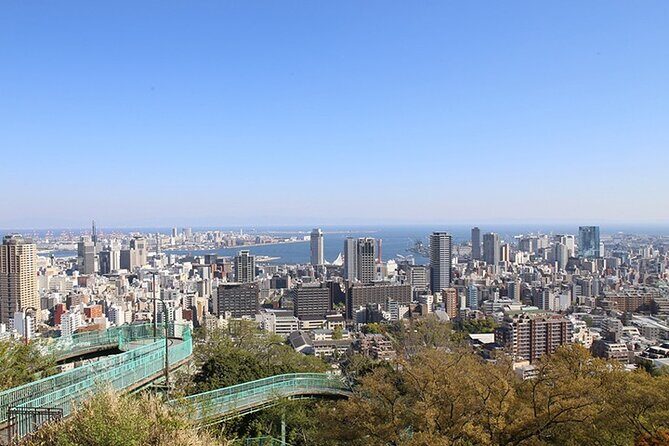
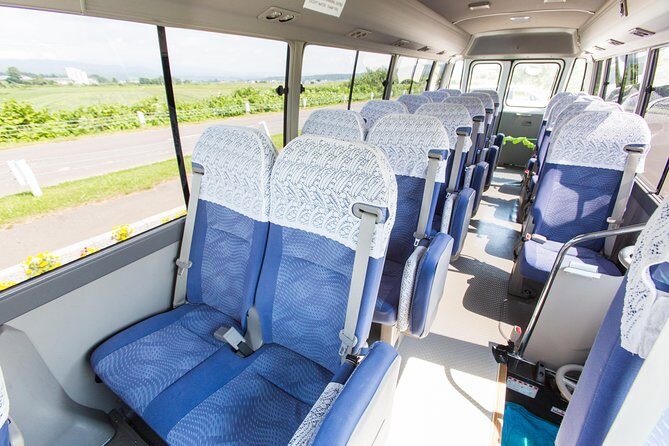
Kobe is compact enough to feel walkable, but big enough that your feet can lose the argument fast. This is why the private car matters: you spend less time shuffling between stations and more time just looking at the city.
The format is also smart. You’re not stuck doing only “sightseeing bus stops.” You get a mix of short walking segments and car time that keeps the day comfortable in weather that can be harsh—hot and humid summers, or cold winter days. And because it’s private, the pace stays yours. If your group moves slower, your host can usually work with it.
You can also read our reviews of more city tours in Kobe


Chinatown to Venus Bridge: Street Life and Skyline Mood
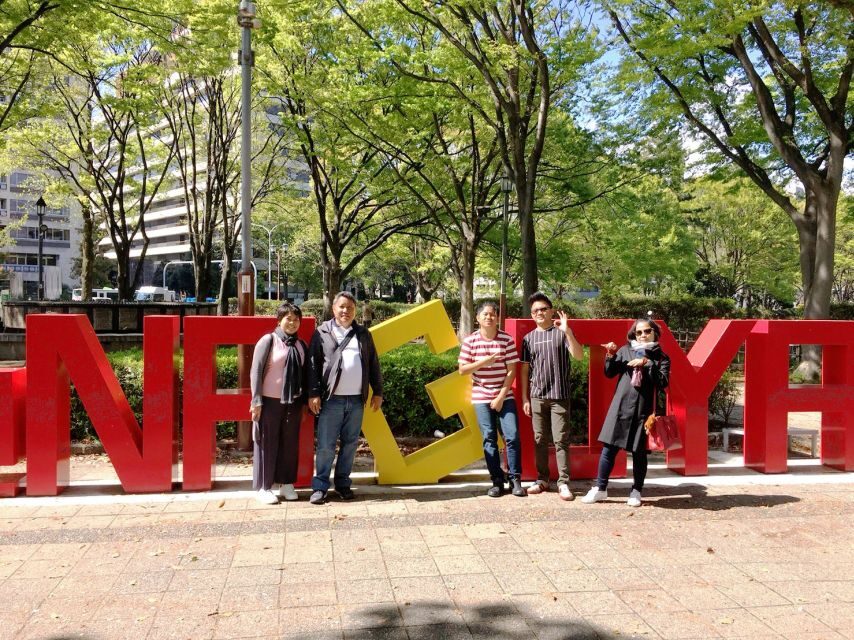
Your day often starts with Chinatown (Nankinmachi) near Motomachi. The interesting thing here isn’t just that it’s Chinese-themed; it’s that the shift feels immediate. One minute you’re in Kobe’s normal rhythm, and the next you’re in a lane that feels like another country with its own energy.
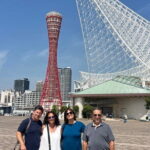
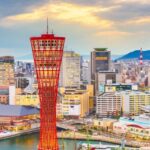
From there, you’ll head to Venus Bridge, a classic photo stop for a reason. It’s built for skyline views, and it also has those name-and-message locks people attach to the sculpture above, then toss the keys. If you want to take in the harbor-area setting from different angles, you may even find that the area’s available telescopes make the view feel more intentional rather than just passing by.
Practical note: this part of the day is great for orientation. You start seeing how Kobe sits—hills, coast, and built-up neighborhoods—so the later stops land with more meaning.
Meriken Park and the Harborland Walk: Kobe’s Port Side
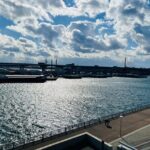
Then comes the coast. Meriken Park is where Kobe’s port character shows up—views over the water, a shoreline feel, and plenty of places to browse around Harborland. Even if you’re not a “port person,” this is useful because it explains Kobe’s relationship with trade and seafaring culture better than a brochure ever will.
You’ll have about an hour here, with time to stroll and shop/eat at your own rhythm. Since the stop is free admission, you don’t have to worry about whether you’re getting your money’s worth on entry. You’re paying for time and context, and the atmosphere does the work.
If you’re visiting on a day when the light is kind—late afternoon can be especially good—this is one of the best spots to linger.
Motomachi and Sannomiya: Where Locals Shop, Eat, and Hang Out
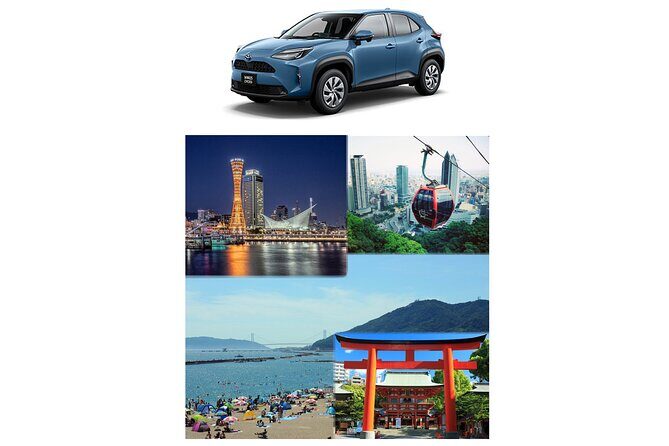
Next, you’ll move into Kobe’s shopping and street-life zones. Kobe Motomachi Shopping Street is a strong choice because it mixes generations. Near Daimaru, the shopping feel can turn more cosmopolitan, while walking toward Kobe Station you see older stores that have been around for a long time. It’s one of those places where you can tell Kobe is both modern and deeply local.
You’ll spend about an hour here, which is a sweet spot. Long enough to wander and get a feel, not so long that you’re exhausted before shrines and views.
Later, Sannomiya Center Gai Shopping Street becomes Kobe’s entertainment hub. Think izakayas, karaoke boxes, niche bars, and even hints of sake tasting and Kobe beef culture in the mix. You’re also likely to feel more nightlife energy here than in some of the calmer neighborhoods. This is also a good area for picking up a snack or planning dinner—especially if you’ve asked your host for restaurant ideas ahead of time.
One detail I like from a past experience: when a guide knows the city well, they can recommend where to eat based on what you want. That kind of dinner referral can turn a good tour into a great day plan.
Shrines: Minatogawa Shrine’s Quieter Look and Ikuta-jinja’s Color
Kobe isn’t only about shopping and city views. It also has major shrine visits, and this itinerary includes both.
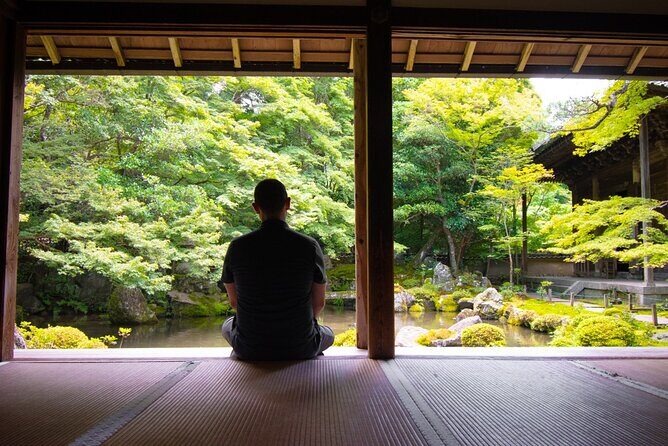
First up is Minatogawa Shrine, one of Kobe’s two most popular shrines. The key difference for this one is visual tone: it’s described as more muted, without the famous orange/red everywhere. That matters because it changes your expectation. Instead of seeing a wall of color, you get a more subdued shrine mood—still meaningful, just less visually loud.
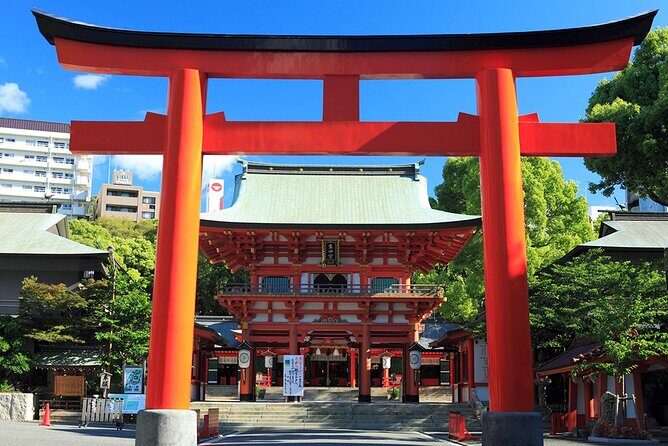
Then you go to Ikuta-jinja, the other top shrine. This one is known for vibrant colors and the fun of approaching through Kobe’s entertainment side of town. If you like moments where a neighborhood’s everyday energy blends into a traditional setting, this is the stop that can deliver that contrast.
These shrine visits are shorter—around 30 minutes for Minatogawa and about 15 minutes for Ikuta-jinja—but don’t treat them like checkboxes. Use the car time to ask your host what to notice: entrances, worship styles, and how locals use these spaces for important celebrations.
You can also read our reviews of more private tours in Kobe


Kitanocho Hiroba: Foreign-Settler Architecture and a Different Kobe Feel
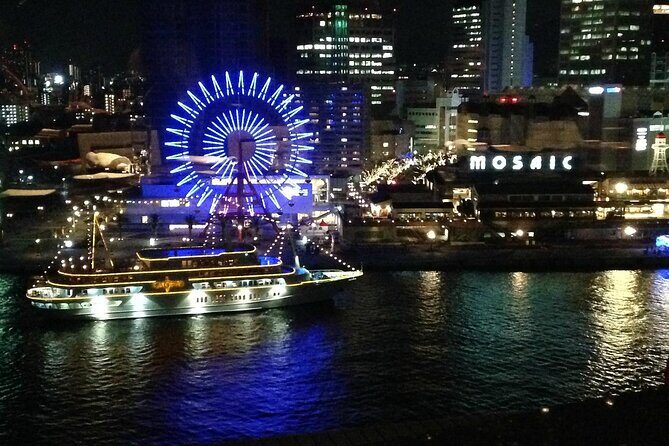
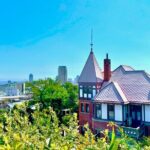
After that, you’ll head into Kitanocho Hiroba. This area is tied to the period when Japan reopened its borders, and foreign settlers built parts of Kobe here. The result is a street-level feel that’s noticeably international compared to other Kobe neighborhoods.
You’ll have about an hour, which is just enough to walk slowly, look at the buildings, and appreciate the “how did Kobe become this?” feeling. If you like architecture, design details, or just enjoy seeing how cities change over time, this is a strong payoff stop.
Suma Beach Timing: When Summer Turns the Coast Into Something Fun
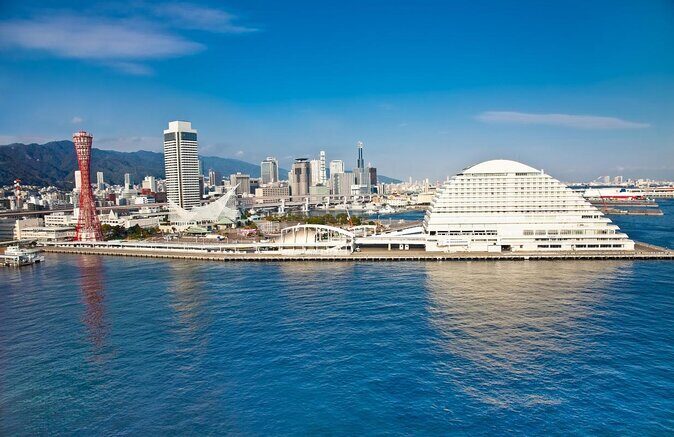
The itinerary includes Suma Beach, but it’s marked as seasonal—during summer and early fall months. In the quieter months, it can be calm. In warmer months, you’ll find pop-up restaurants and music in the mix, and the beach walk feels more like a social event than a scenic detour.
You’ll get about an hour here, so you can do a quick stroll through the warm water and then move on without wasting half your day. If you’re traveling outside summer or early fall, don’t expect the same energy—this stop is really designed for warm-weather visits.
Your Native English Host: The Real Value in the Day
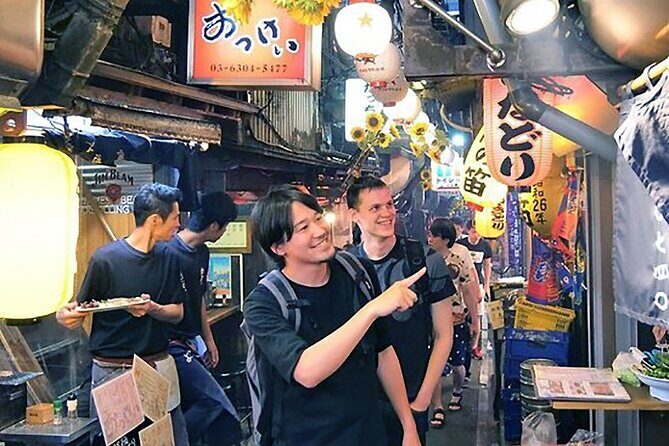
The car is useful, but the host is the secret sauce. The experience includes a native English-speaking host, and the key benefit is interpretation. When you understand what you’re looking at—how neighborhoods developed, what the shrines represent, why the port matters—your photos become more than proof you were there.
A standout from earlier bookings is how guides like Michelle Kiyoko bring Kobe to life. She’s described as likable, with excellent English, and she can share how locals live, work, and enjoy recreation. That kind of context is especially valuable if Kobe is your first time in Japan, or if you want a break from generic facts and want “what it feels like” explanations.
Also: ask for a dinner referral if you have a preferred style. In one case, a guide’s restaurant suggestion turned the tour into a longer-lasting memory, because the day didn’t end when the itinerary ended.
Price and Time: Is $220 Worth It?
At $220 per person, you’re paying for three things: private transportation, a host, and structured time that prevents decision fatigue. This is not a budget bus tour. But it can be excellent value when you compare what you’d spend doing it yourself with taxis, multiple transit hops, and the mental load of mapping a route in a new city.
The tour is offered for about 7 hours, and there’s also an option for 4 or 7 hours depending on the format you book. If you want maximum coverage—Chinatown, harbor, shopping streets, both shrines, Kitano, and Suma Beach timing included—go for the full-day option. If you just want the highlights with less walking and fewer transitions, choose the shorter format if it’s available when you book.
One more detail that helps value: the scheduled stops all list free admission tickets. That means your cost is mostly about time and guidance, not entry fees.
Logistics That Matter: Meeting Point and Cruise Port Checks
Your start point is listed at Kobe Station 3-chōme-1-1 Aioichō, Chuo Ward. That’s helpful because it’s a recognizable hub, and it can reduce anxiety if you’re arriving on your own.
If you’re on a cruise, pay attention. One past issue centered on a guest’s port mismatch, which led to a shortened tour. I’d treat that as your reminder to verify the correct pickup location for your exact docked port, not just the city name. If your itinerary depends on being on time for a driver, small location errors can snowball.
Parking fees aren’t included if applicable, so don’t be surprised if that’s handled on the pricing side of the ground transport rather than magically appearing free.
Should You Book This Private Car Kobe City Tour?
Book it if you want a guided Kobe day that feels efficient and understandable, with a host who can explain the city rather than just drive you past it. It’s a great match for first-timers, mixed-age groups, and anyone who wants to cover both classic and modern Kobe without spending hours figuring out transit.
Skip it or plan carefully if you’re extremely time-sensitive and your pickup depends on cruise port accuracy. If you know you’ll be arriving from multiple logistics steps, confirm details early so the schedule stays intact.
Bottom line: this is a practical way to see Kobe with less stress, more context, and a pace that works in real weather.
FAQ
How long is the Kobe private car experience?
The tour duration is listed as about 7 hours (approx.). Some versions may be 4 or 7 hours with the local host.
Is admission included for the stops?
Yes. The listed stops (Chinatown, Venus Bridge, Meriken Park, Motomachi Shopping Street, Suma Beach, and the shrine and shopping areas) all show free admission.
Does the tour include pickup?
Pickup is offered. The meeting point listed is at Kobe Station (3-chōme-1-1 Aioichō, Chuo Ward).
What’s included in the price?
The experience includes a 100% private and personalized experience, a native English speaking host, the private car, and the tour time with your host (4 or 7 hours). Food and drinks are not included.
Is Suma Beach always part of the tour?
Suma Beach is marked as seasonal, during summer and early fall months. In other months, it can be quieter.
Can I cancel for a refund?
Yes. The policy says you can cancel for a full refund if you cancel up to 24 hours in advance of the experience start time. Service animals are allowed.