REVIEW · KOBE
Kobe Private Tours with Locals: 100% Personalized, See the City Unscripted
Book on Viator →Operated by City Unscripted · Bookable on Viator
Kobe is best when it feels personal. This private, 8-hour tour matches you with a local host after a short questionnaire, then builds a flexible plan around what you actually want to do, from scenic walks to food stops and viewpoints. I love the 100% personalized routing and the fact that you can change your mind mid-day, so it doesn’t turn into a rigid checklist.
You’ll also get to see Kobe through locals who know where to go and what to notice, including guides like Michelle and Tiagar, who bring both practical insight and real fun to the day. I especially like that the itinerary can include big-name sights such as Kitano and Ikuta Shrine, plus deeper context like the earthquake story.
One drawback to plan for: food, attraction tickets, and getting around aren’t included, and a few stops include walking or a short hike, so wear shoes you trust.
In This Review
- Key points before you go
- Choosing your Kobe day with a real local (not a cookie-cutter plan)
- Where you meet and how the day flows (8 hours, flexible pace)
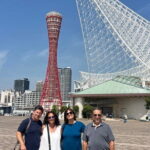
- Start in Kobe’s port-and-station area: shopping and an easy first win
- Kobe’s Chinese merchant roots: a shopping and dining district with real street flavor
- The Great Hanshin Awaji Earthquake story: history that hits close to home
- Kitano old foreign settlement quarter: walk the in-between Kobe
- Ikuta Shrine: a 1800-year thread through daily life
- Nunobiki Falls: a short hike that trades crowds for views
- Mount Rokko: the 10 Million-dollar view, by cable car or on foot
- Motomachi shopping, herbs, suspension bridge vibes, and Kobe beef
- Price and value: what $70.48 gets you in a private Kobe day
- Who this tour fits best (and who should consider something else)
- Should you book Kobe Private Tours with Locals?
- FAQ
- Is this tour private?
- How long is the Kobe tour?
- Where is the meeting point?
- Are food and drinks included?
- Are attraction tickets included?
- Do you use a flexible itinerary?
- Are service animals allowed?
Key points before you go
- A matched local host: you fill out a quick personality/interests questionnaire, then your host suggests a plan that fits you
- Flexibility, not a script: you can adjust during the day instead of forcing a fixed route
- Kobe variety in one day: port-area shopping, old districts, a major historical stop, then nature and skyline views
- Action-ready scenery: Nunobiki Falls involves an uphill hike, and Mount Rokko can be done by cable car or on foot
- Real Kobe tastes: your host can steer you toward Kobe Motomachi snacks and a Kobe beef meal if you’re into it
- Hosts with international perspective: guides like Michelle can help you connect Kobe’s pace with how you see other cities
Choosing your Kobe day with a real local (not a cookie-cutter plan)
This is a private tour, meaning it’s just your group with one host. After you book, you’ll get a short questionnaire about your interests and personality within 24 hours. That matters because Kobe can go two ways fast: scenic and calm, or shopping-and-food with a quick history stop.
Your host then reaches out to confirm a meeting plan and propose an itinerary. And here’s the practical win: the day is flexible. If you start out craving views, you can shift; if you want less walking, your host can adjust to public transport or taxi options.
The local-host angle is more than friendly chatting. Kobe has neighborhoods that feel like they belong to different eras, and a good guide helps you read those differences without needing a guidebook the whole time. Guides such as Michelle and Kyoko are known for adjusting the day around what you’ve already seen and what you want next.
You can also read our reviews of more city tours in Kobe


Where you meet and how the day flows (8 hours, flexible pace)
The tour starts at Kobe Information Center (Tourist Information) at 8 Chome-1 Kumoidori, Chuo Ward. You end back at the meeting point, which keeps logistics simple if you’re starting near central areas.
Eight hours is enough time to see Kobe’s big contrasts without rushing so hard you miss the point. Your host can build in walking when it helps (like strolling districts or climbing to viewpoints) and switch to transport when walking gets inefficient.
A quick planning tip: since food, drinks, and tickets aren’t included, treat the tour as guided sightseeing plus smart routing. You’ll want to budget extra for meals and any paid entry you choose during the day. If you’re sensitive to uphill walking, tell your host early so they don’t accidentally schedule a hike-heavy route.
Start in Kobe’s port-and-station area: shopping and an easy first win
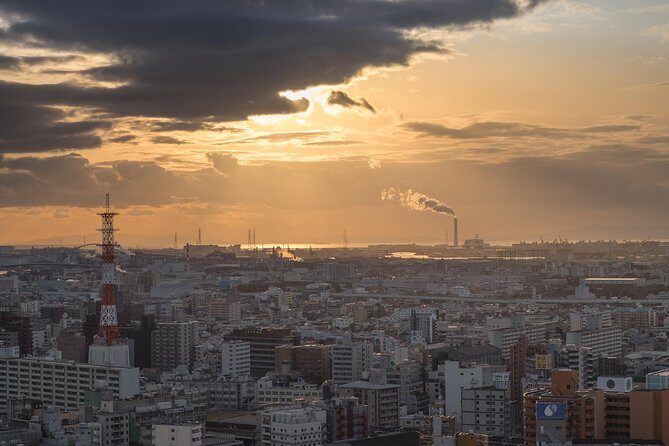
One of the most helpful ways to begin a Kobe day is near JR Kobe Station and the waterfront area. This is where you can orient yourself fast—shops, cafes, and places to grab a snack before you head into older districts.
Starting here has a hidden advantage: you’re near major access points, so your host can steer you toward the next stop with fewer time-wasters. You also get that Kobe “in-between” feeling right away—city energy with the sea nearby, not the frantic pace you may associate with other big cities in the region.
If your group likes light walking and people-watching, this initial stretch is a good warm-up. If you’d rather save your legs, you can use this area to decide how much strolling you want before the day gets more vertical.
Kobe’s Chinese merchant roots: a shopping and dining district with real street flavor
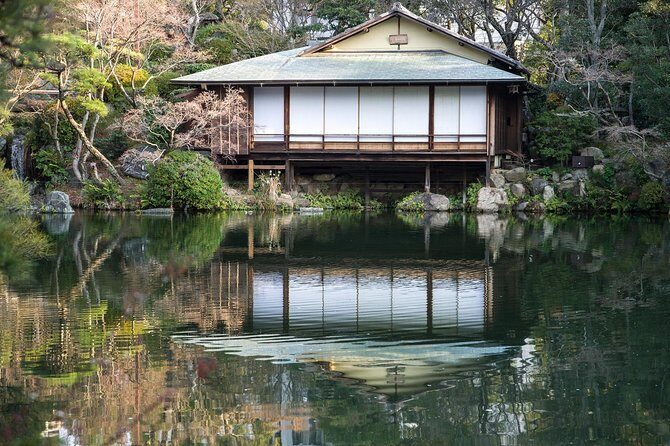
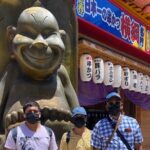
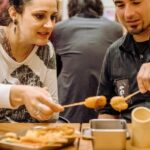
Kobe has a standout neighborhood tied to Chinese merchants who settled in the city starting in 1868. Your day can include this area for shops, dining, and food-stand style tasting, so you’re not only sightseeing—you’re sampling what the street offers.
This stop is great for two reasons. First, it’s tactile: you can see ingredients, watch food prep, and compare flavors without needing a full sit-down meal. Second, it’s a change of tempo from temples and viewpoints, so your brain doesn’t get stuck on one kind of experience.
Practical note: street-food areas can be busy at peak times. If your group wants calmer browsing, ask your host about timing once you meet. Your host can also steer you toward easier-to-eat options if anyone in your group has dietary limits or prefers lighter portions.
The Great Hanshin Awaji Earthquake story: history that hits close to home
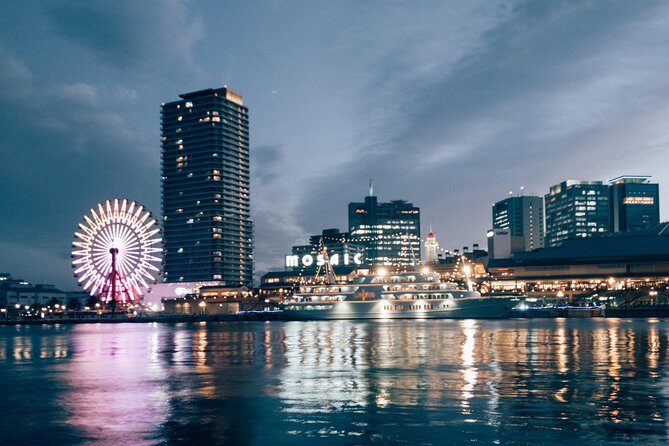
A major stop on many Kobe days is a facility focused on the Great Hanshin Awaji Earthquake. This is one of those experiences that makes the rest of the city feel more meaningful, because you understand what residents rebuilt and how Kobe changed over time.
I like this inclusion because it’s not just facts on a wall. A local host can connect the earthquake story to what you’ll see in daily life—how neighborhoods evolved, how memory gets carried forward, and why certain places feel the way they do today.
If your group prefers lighter sightseeing, you can still keep this stop short and focused. Ask your host what length makes sense for your energy level, because this kind of learning can be heavy even when it’s done respectfully.
You can also read our reviews of more private tours in Kobe


Kitano old foreign settlement quarter: walk the in-between Kobe
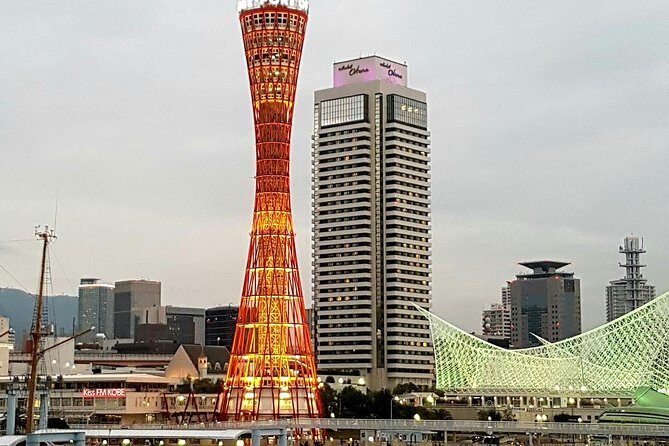
Kitano is the kind of neighborhood that instantly makes Kobe feel distinct. It’s the old foreign settlement quarter, tied to the opening of Kobe Port in 1868 and the era when foreigners lived in designated areas.
Walking here is special because you’re seeing how Kobe mixed worlds during an early period of international trade. The streets and historical feel help you understand why Kobe’s identity isn’t just “modern Japan by the sea.”
This is also a good segment for photos, gentle strolling, and taking breaks. If you’re the type who likes to slow down and notice architecture details, this is one of the best places to do that without feeling like you’re standing still.
Ikuta Shrine: a 1800-year thread through daily life
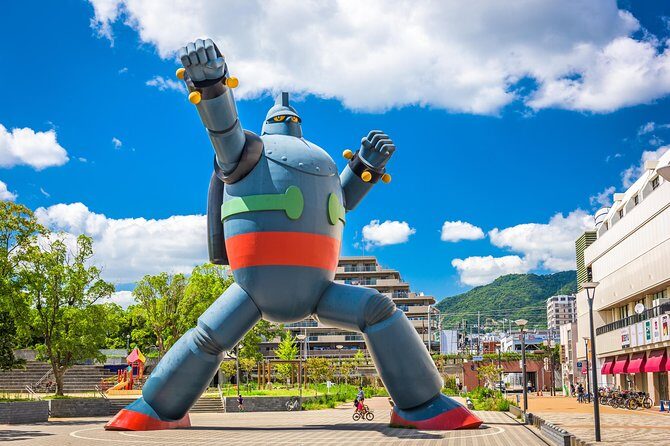
Next up is Ikuta Shrine, with history stretching back more than 1800 years. This is where Kobe’s spiritual side shows up in a very human way—not as something stuck behind glass, but as a place that’s part of the broader cultural rhythm.
Your host can help you understand what to look for and how the shrine fits into local culture. Even if you’re not a deep religious-history person, this stop is still a strong pause in the day—quiet, grounded, and a change from shopping streets and viewpoints.
If your group includes people who like photography, ask your host the best time to move through the area so you don’t feel rushed or crowded.
Nunobiki Falls: a short hike that trades crowds for views
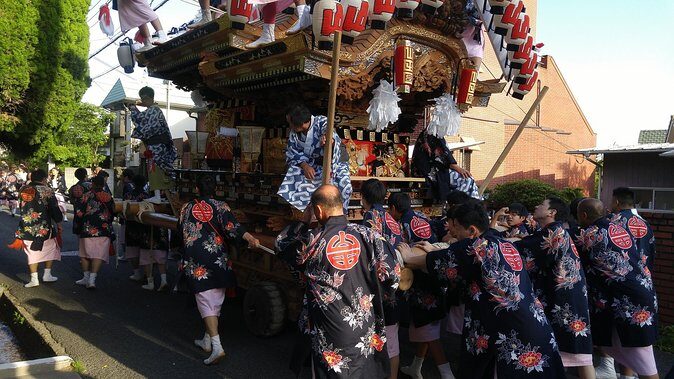
Then comes nature—Nunobiki Falls. It’s considered one of Japan’s Three Greatest Divine Waterfalls, and the nice surprise is that it’s a relatively short trek from Shin-Kobe Station, with a hike that can take about 15 minutes.
This is one of those stops that works even if your group isn’t planning a full outdoor day. You get moving legs, fresh air, and a scenic reward without committing to a long trip.
Wear grippy shoes. Even if the hike is short, it’s still uphill and you’ll want stability. And if anyone in your group is tired, ask your host how to adjust the pace—this is exactly where flexibility helps.
Mount Rokko: the 10 Million-dollar view, by cable car or on foot
One of Kobe’s signature experiences is Mount Rokko. You can go up on foot or take a cable car, and at the top you’re in for the so-called 10 Million-dollar view over the city and Kobe Bay.
This stop is worth planning for because it changes how Kobe looks. Cities by the sea can feel flat at street level, but from above you understand the shape of the coastline and how the city spreads.
The tradeoff is physical effort. If you take the cable car, you still get the viewpoint without the hike strain. If you walk, this becomes a real mini-adventure—great if your group likes movement and views.
Either way, this is a good moment to slow down, find a spot with a clear sightline, and just look. Your host can guide you to the best angles and timing based on your pace.
Motomachi shopping, herbs, suspension bridge vibes, and Kobe beef
A Kobe day should also taste like Kobe. Depending on what you love, your host can build in time for Kobe Motomachi, the street of shopping, plus food sampling. If your group likes to snack your way through neighborhoods, this is where the day gets extra fun.
In fact, some Kobe hosts bring in extra local favorites like herb gardens, the suspension bridge experience, and even a little time that helps you understand modern local culture (including places like pachinko parlors). One guide, Tiagar, is especially noted for steering the day toward a Kobe beef meal, which is the kind of splurge that can feel worth it if you’re already doing a full-day private tour.
A balanced approach is smart here: don’t turn the day into only eating. Pair your food stops with at least one calm cultural pause (like Ikuta Shrine) and at least one big view (like Mount Rokko). That mix is what makes Kobe feel complete.
Price and value: what $70.48 gets you in a private Kobe day
The price is $70.48 per person for about 8 hours with a private host. That works out to roughly $9 an hour for guided routing and interpretation—plus the value of flexibility when you want to change the plan mid-day.
Food, drinks, attraction tickets, and transportation costs aren’t included. So what you’re paying for is the host time, smart sequencing, and local decision-making. If you’re the kind of traveler who would otherwise hire a taxi for routing gaps or waste time trying to figure out which neighborhood fits your mood, this kind of private structure often pays off.
You also get a mobile ticket, which is convenient, and there can be group discounts. If you’re traveling with friends or family, this can reduce the per-person cost while keeping the experience private for your group.
Who this tour fits best (and who should consider something else)
This tour is a strong match if you want Kobe to feel personal and well-paced. It’s ideal for couples, small families, and independent travelers who want a plan that reacts to their interests, not one-size-fits-all marching orders.
It’s also a good option if you’ve already visited other big cities in the region and want Kobe to feel less like a side quest. Kobe’s mix of port areas, old settlements, shrine culture, and mountain viewpoints makes it a city where a local host can meaningfully change what you notice.
Consider another style of tour if you hate walking or if you want only fixed, ticketed attractions with no room to adjust. Since there’s at least some hike/walking built into stops like Nunobiki Falls and Mount Rokko (depending on how you go), you’ll want to plan your comfort level upfront.
Should you book Kobe Private Tours with Locals?
Book it if you want a Kobe day built around your mood, with a local host who can connect sights like Kitano, Ikuta Shrine, and Mount Rokko into one coherent story. The flexibility is the secret ingredient—especially in a city where one neighborhood can feel very different from the next.
Don’t book it if you’re trying to keep costs super tight or you prefer a fully pre-paid, no-decisions itinerary. Since meals, drinks, tickets, and transport aren’t included, you’ll still be making choices during the day.
If you do book, your best move is simple: tell your host what you want to feel by the end of the day—views, history, food, shopping, or calm—then let the host do the sequencing.
FAQ
Is this tour private?
Yes. It’s a private and personalized experience, and only your group participates.
How long is the Kobe tour?
It lasts about 8 hours.
Where is the meeting point?
Meet at Kobe Information Center (Tourist Information), 8 Chome-1 Kumoidori, Chuo Ward, Kobe, Hyogo 651-0096, Japan.
Are food and drinks included?
No. Food and drinks aren’t included.
Are attraction tickets included?
No. Tickets to any attractions aren’t included.
Do you use a flexible itinerary?
Yes. The itinerary is flexible, and during the experience you can change your mind about what you want to do.
Are service animals allowed?
Yes. Service animals are allowed.