REVIEW · TOKYO
A perfect Japanese experience: Tea Ceremony and Mochi Forming
Book on Viator →Operated by beautiful day tours · Bookable on Viator
Wagashi feels like edible art. This class pairs Nerikiri mochi forming with a real Japanese tea ceremony setting—inside a century-old antique shop in Yanaka, not a generic room. You’ll start by looking over antique tableware, then get hands-on with colored dough, and finish in a dedicated tea space with matcha and what you made.
My favorite part is the pacing: you get clear, step-by-step making time, but it never drags. I also like that everything is set up for you—no ingredient hunt, no tool shopping—so you can focus on learning the craft and enjoying the room.
The one thing to consider is that this is a small artisan-style experience, so English support may be limited. The host is there to help you enjoy it, but if you expect a highly scripted, always-explained lesson, you might find the flow different than a big-corporate workshop.
In This Review
- Key things to know before you go
- A century-old Yanaka setting for Nerikiri and tea
- Price, time, and what you really get for $55.38
- Making Nerikiri mochi dough: part art, part technique
- Tea ceremony in a chair-friendly room with your wagashi
- Seasonal sweets: why your designs matter
- Small group size and the language reality
- Practical tips: what to wear and how to handle your sweets
- Who this tour is best for
- Should you book this Wagashi and Tea Ceremony class?
- FAQ
- What is the duration of the Wagashi and tea ceremony experience?
- Where does the experience start and end?
- Is the tour only about tea, or does it include making sweets?
- Do I need to bring anything with me?
- How many sweets/styles will I learn to make?
- Is there a minimum age requirement?
- How long will the sweets last after the class?
Key things to know before you go
- Century-old Yanaka antique store setting (you’ll get the atmosphere before you touch the dough)
- All tools and ingredients included, so you can show up unprepared
- Nerikiri Nerikiri dough forming like clay, using seasonal colors and shapes
- You’ll eat what you make, plus you get Japanese tea and a sweet tasting
- Small group of up to 5, which keeps the workshop personal
- No artificial additives in the sweets you make, with a short fridge life (2 days)
A century-old Yanaka setting for Nerikiri and tea
The location is part of what makes this experience feel special. The workshop takes place in a century-old antique store in Yanaka (Taito City), a neighborhood that still feels like everyday Tokyo rather than a themed tourist stop.
Before class starts, you’re encouraged to take your time with the antiques and tableware. That quiet little moment helps you switch gears from sightseeing mode to crafts mode, and it makes the whole experience feel grounded.
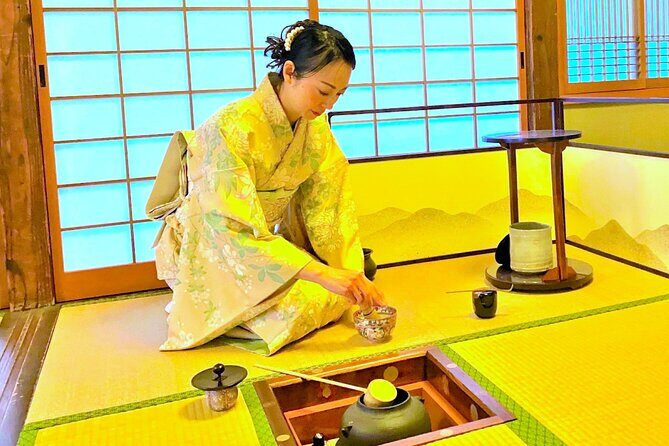
Inside, the structure is simple and friendly. You’ll move from the wagashi making area to a dedicated tea room designed for sitting in chairs, which keeps the tea ceremony comfortable and easy to follow.
You can also read our reviews of more tours and experiences in Tokyo.



Price, time, and what you really get for $55.38
At $55.38 per person for about 1 hour 40 minutes, you’re paying for more than instruction. You’re paying for materials, tools, a guided wagashi making session, and the added food-and-tea component at the end.
It’s not a long class, but it is full. You’ll learn to make four different styles of seasonal sweets, then you’ll enjoy a sweet tasting along with Japanese tea.
The value is strongest if you want a hands-on craft experience without doing prep work. Since you don’t need to bring anything, this is also a good option if you only have a small window in your Tokyo schedule.
One practical note: the sweets contain no artificial additives and are best kept refrigerated, with a short lifespan of about 2 days. Plan to eat them soon after the class, or keep expectations realistic if you’re traveling fast.
Making Nerikiri mochi dough: part art, part technique
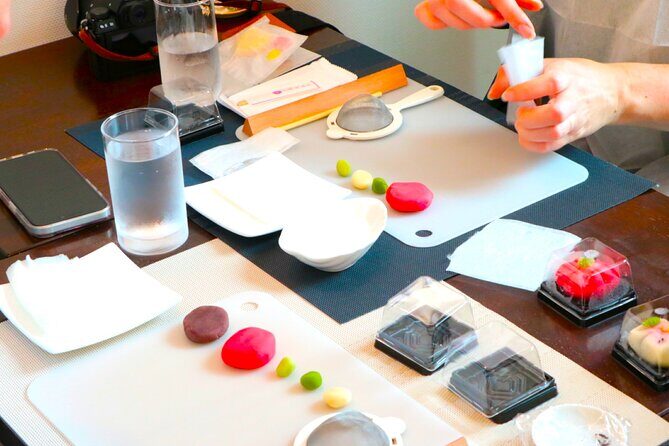
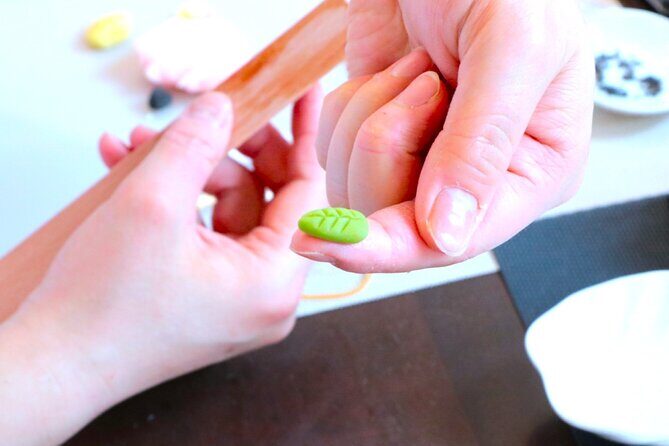
Nerikiri is a wagashi style shaped from mochi flour, and that matters. It means you’re working with dough-like material that behaves more like sculpting than baking, so it feels intuitive even if it’s your first time.
The workshop is described as easy and fun—think colorful clay work. You’ll form and shape colored materials into a target figure, guided by the wagashi chef, so you’re not just mixing and hoping for the best.
You’ll learn four different styles during the session. The exact designs depend on what’s seasonal, but the goal is the same: learn multiple approaches to shaping and finishing, so you come away with a real feel for how wagashi is built.
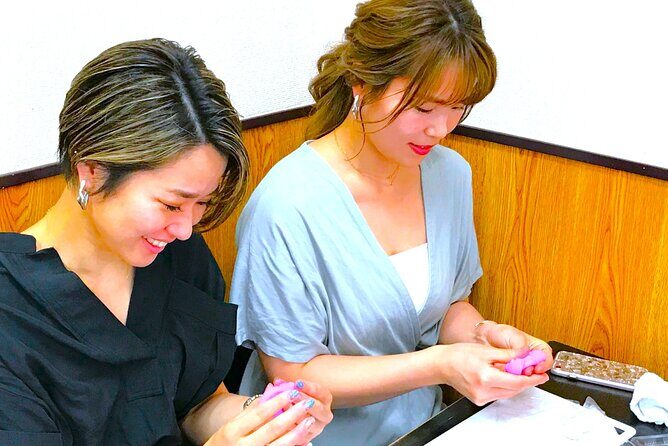
From the reviews vibe, one standout is how much people laugh and relax during the making stage. The teacher/host energy seems to turn a potentially fussy craft into something playful, like you’re learning a technique and also enjoying the weird-comedy side of shaping something edible.
Tea ceremony in a chair-friendly room with your wagashi
After you shape the sweets, you’ll shift into the tea room. Instead of standing around in a tourist-style studio, you’ll sit in chairs, which makes it easier to focus on the ritual without worrying about awkward posture.
You’ll be served your wagashi first, then followed by real matcha. The matcha here is described as real and not sweet, so it gives you a contrast to the sweetness of the sweets you made.
That contrast is part of why this combo works so well. You get the sensory story in order: sweet, then bitterness/earthiness from matcha, and the flavor pairing helps you understand why wagashi and tea are tied together in Japanese culture.
Also, there’s a sweet tasting included. That’s useful if you end up feeling like you want to compare your handmade piece with other styles, textures, or shapes.
Seasonal sweets: why your designs matter
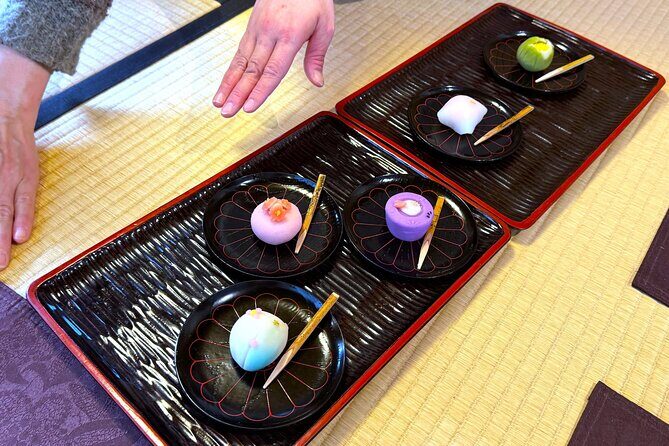
This class is built around seasonality, and the chef uses the time of year to guide what you make. One review mentioned designs like spring-themed sweets, while others referenced flowers and seasonal motifs such as hydrangea and plum.
That seasonal angle isn’t just decoration. In wagashi, the shape and color are part of how the maker communicates mood, weather, and nature, without using words.
You can also use the seasonal variety as a learning tool. When you make four styles back-to-back, you start to notice how different figures require different handling, even if you’re still working with the same mochi flour base.
If you care about photos, this is a good activity for it. The sweets can look almost too pretty to eat, and the session gives you that moment—then it lets you taste it rather than treating it like a souvenir only.






Small group size and the language reality
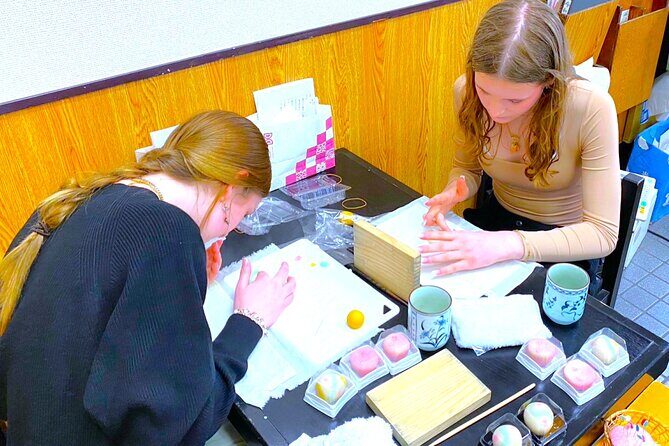
This is capped at maximum 5 travelers, which changes the whole vibe. You’re not waiting around for instructions, and the chef/host can adjust help based on what you’re doing in real time.
The experience also comes with a honest heads-up: the host is an artisan and may not speak English well. That said, the expectation is that you’ll still enjoy it, and you’ll likely pick up the key steps through demonstration, the materials laid out in front of you, and a lot of visual guidance.
For first-timers, this is actually an advantage. You’re learning craft through hands-on making, not through lecture, so the class still works even if you miss a few words.
If you’re traveling with a family, the age guidance is clear: participants must be at least 13 years old, and anyone under 18 needs an adult with them. That keeps the group experience consistent and less chaotic.
Practical tips: what to wear and how to handle your sweets
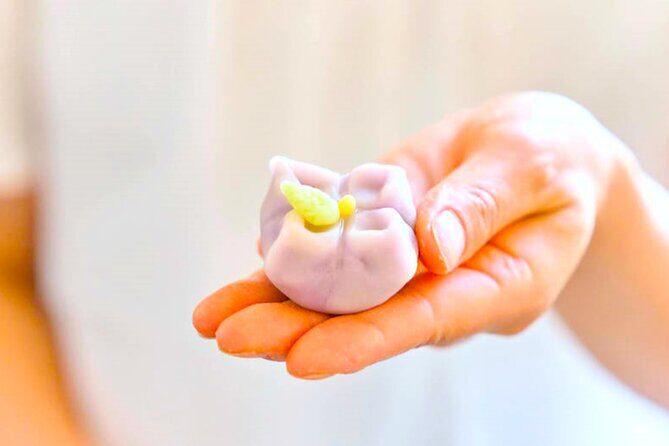
Wear comfortable clothes you don’t mind getting a little messy. You’re forming colored mochi dough, so small bits can happen even if the station looks tidy.
Also, plan your timing. The activity ends back at the meeting point, and it’s scheduled for about 1 hour 40 minutes, with the program finishing as originally scheduled even if you’re late. If you’re coming from elsewhere in Tokyo, give yourself buffer time.
Bring a realistic plan for the food. The wagashi you make has no artificial additives and should be refrigerated, with a short lifespan of around 2 days. If you’re staying close by, it’s easy to follow up; if you’re in the middle of travel days, treat it as something to enjoy quickly.
Finally, manage your expectations about the sweetness. Matcha here is described as real and not sweet, so you may find the tea more intense than the sweet drinks you’re used to.
That’s a good thing. It makes the wagashi taste clearer, and it turns the ending into more than just a snack moment.
Who this tour is best for
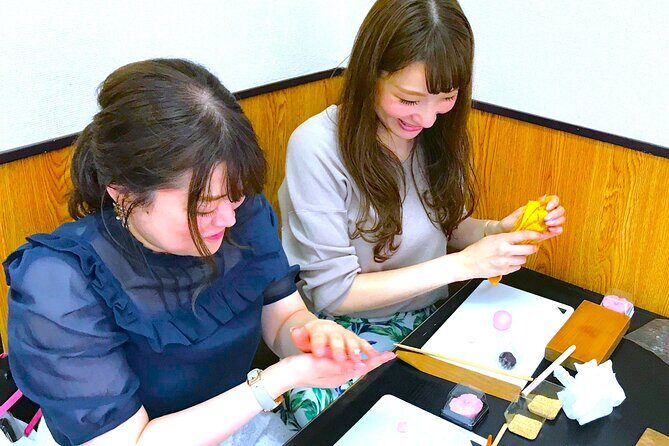
This is a great fit if you want a genuinely Japanese activity that goes beyond a quick photo stop. It’s especially ideal for people who like crafts and hands-on learning, because the core of the tour is shaping and finishing.
It also suits travelers who like food experiences with a cultural framework. The tea ceremony isn’t a side quest—it’s paired with what you made, and the matcha/wagashi contrast is part of the teaching.
If you have a strong sweet tooth, you’ll likely love it. You’ll make seasonal sweets, then you’ll get tasting time and tea, so the session ends with a proper payoff.
If you strongly prefer long guided lectures in English, this may not match your style. But if you’re happy to learn through doing and watching, the small group setup makes it work.
One more good reason to consider it: the experience is in an antique store that’s known locally and has even been featured by CNN. That doesn’t replace the craft, but it gives you a sense you’re stepping into a real place, not a generic studio.
Should you book this Wagashi and Tea Ceremony class?
I’d book it if you want a compact, high-value Tokyo experience that teaches a real craft and finishes with tea. The best part is the combination: Nerikiri forming plus matcha in a dedicated tea room, all with tools and ingredients provided.
Skip it only if you need extremely fluent English explanations or you dislike chair-seated tea rituals. Also be mindful of the short fridge life if you won’t be around long enough to eat the sweets.
If your goal is to bring home a memory that’s both hands-on and beautiful, this one fits the bill. You’ll leave with a stronger sense of how seasonal wagashi is shaped—and why tea is served right after.
FAQ
What is the duration of the Wagashi and tea ceremony experience?
The tour lasts about 1 hour 40 minutes.
Where does the experience start and end?
It starts at 6-chōme-2-40 Yanaka, Taito City, Tokyo 110-0001, Japan, and it ends back at the meeting point.
Is the tour only about tea, or does it include making sweets?
It includes making Nerikiri (a wagashi mochi sweet) and also includes a tea ceremony, plus a sweet tasting and Japanese tea.
Do I need to bring anything with me?
No. The tour says you do not need to bring anything because tools and ingredients are included.
How many sweets/styles will I learn to make?
You will learn to make four different styles of seasonal sweets.
Is there a minimum age requirement?
Yes. Participants must be at least 13 years old, and those under 18 must be accompanied by an adult.
How long will the sweets last after the class?
The sweets have no artificial additives and will last about 2 days if kept refrigerated.
If you want, tell me what dates you’re in Tokyo and where you’ll be staying, and I’ll suggest the easiest way to time this around your day.