REVIEW · KUMAMOTO
Kumamoto Castle Walking Tour with Local Guide
Book on Viator →Operated by Kumamoto Tour Guided by Locals · Bookable on Viator
Kumamoto Castle turns into a real-life story on foot. This walking tour pairs an English-speaking local guide with included admission, so you’re not just sightseeing—you’re making sense of the castle’s ideas and the people behind them. You’ll walk from the city-side meeting area through the highlights and into the keep, finishing at Johsaien with major viewing time.
I love the small, human pace of this tour. With a maximum of 6 travelers and a single guide, I expect you’ll get clear explanations and room for questions, helped by strong English from guides like Tommy and Aki. I also like that the ticket is handled for you, so your 3 hours aren’t spent hunting down admissions.
One possible drawback is language inside the castle. The exhibits inside are primarily in Japanese, so your understanding will depend a lot on the guide’s explanations as you move along the route.
In This Review
- Key Highlights You Should Know Before You Go
- Kumamoto Castle, One Guide, and a 3-Hour Story
- Meeting at Kumamoto City Hall and Making Your Morning Work
- From Courtyard Highlights to the Castle Keep Entrance
- The Special Viewing Path: How You Get Up Without Guessing
- Johsaien Finish Point: Panoramas From the Equivalent of 14 Stories
- The Earthquake Story and Why It Changes How You See the Walls
- English Guidance: What Makes It Feel Smooth Instead of Rushed
- Value Check: Price, Included Admission, and What You’ll Still Pay For
- Who This Tour Suits Best (And Who Might Want to Think Twice)
- Should You Book This Kumamoto Castle Walking Tour?
- FAQ
- How long is the Kumamoto Castle walking tour?
- What is the tour price per person?
- Is the admission ticket to Kumamoto Castle included?
- Where does the tour start and what time does it begin?
- Where does the tour end?
- Are tickets digital or paper?
- How many people are in the group?
- Can I cancel for a full refund?
Key Highlights You Should Know Before You Go

- English explanations in a compact 3-hour format with one guide and a group capped at 6
- Admission ticket included, so the castle keep entry is part of the plan
- A special viewing path inside the castle that takes you upward step-by-step
- Johsaien as the finish point, with panoramic views described as the equivalent of 14 stories
- Earthquake damage and rebuilding context shared from a local perspective (including guides from the surrounding area)
- Mobile ticket for a smoother start once you arrive
Kumamoto Castle, One Guide, and a 3-Hour Story
Kumamoto Castle is one of Japan’s best-known castles, and it’s also more than a pretty fortress wall. It reflects samurai-era thinking—how power, defense, and daily life were shaped by design made centuries ago. Walking it with a local guide helps you connect the architecture to real people and real strategy.
What makes this tour especially useful is the way it’s organized. You’re led through the main highlights from outside to inside, then guided upward together along the castle’s own route, rather than wandering and guessing what you’re looking at. That structure matters because castles can feel like a collection of rooms unless someone explains what each space is for.
I also like the emphasis on interpretation, not just facts. The tour is framed through Japanese history and culture, and that changes how you’ll read things like viewing platforms, passageways, and interior spaces as you move.
You can also read our reviews of more walking tours in Kumamoto

Meeting at Kumamoto City Hall and Making Your Morning Work
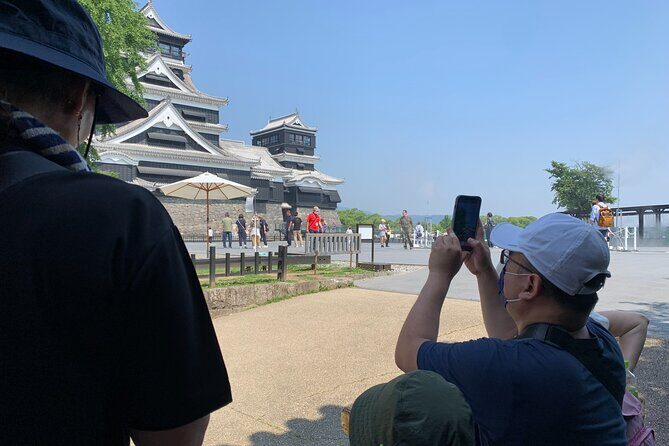
You start at Kumamoto City Hall (1-1 Tetorihonchō, Chuo Ward). The scheduled start time is 8:30 am, which is a practical choice if you want the castle in a calmer rhythm and you don’t want your day to start late. The tour ends at Johsaien (1-1-2 Ninomaru, Chuo Ward, Kumamoto), so your walking route finishes right where the views come in.
One practical tip: plan your transport to arrive a few minutes early. The meeting point is near public transportation, but you’ll still want a buffer to find the right location and get your mobile ticket ready. Also, since this is a walking tour, I’d wear comfortable shoes—there’s a lot of moving between exterior viewpoints and interior sections.
The tour also offers a small scheduling perk after booking. They can adjust the start time to fit your schedule when possible, which is helpful if you’re chaining together other Kumamoto sights.
From Courtyard Highlights to the Castle Keep Entrance
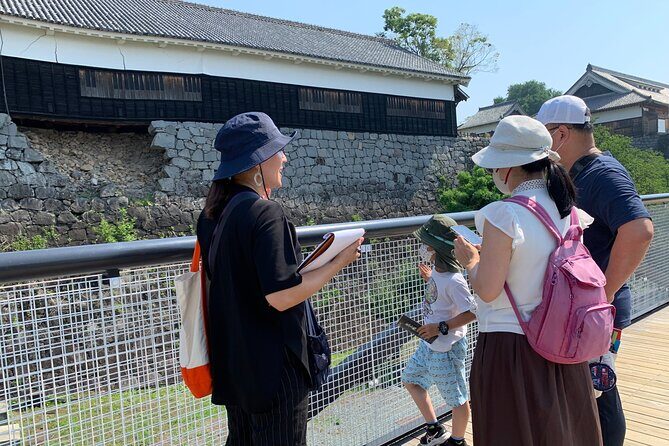
The tour format is straightforward: your guide accompanies you as you walk the highlights from outside to inside of Kumamoto Castle. You’ll get explanations in English as you see the structures up close, which is key when you’re trying to understand why certain areas were built the way they were.
This outside-to-inside approach helps you build a mental map fast. Castles can be confusing because you’re surrounded by multiple layers—outer areas, gates, paths, and the keep. When a guide sets the scene in real time, you’re less likely to feel like you’re just passing doors and walls.
Once you enter, the tour includes your admission ticket to the castle. That’s a big value detail because the keep itself is the main attraction, and having the entry bundled reduces friction on the day.
The Special Viewing Path: How You Get Up Without Guessing
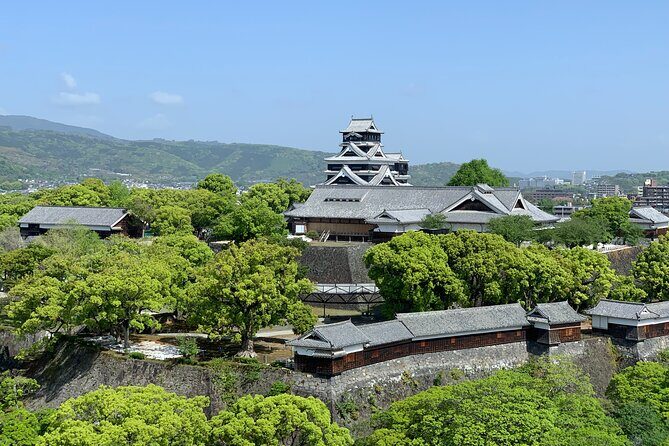
Inside the keep, the guide leads you through a special viewing path. The route is designed so you move upward together to the top floor, and your guide explains what you’re seeing as you go. That matters, because the order of spaces can be as important as the spaces themselves.
Expect the guide to connect the physical layout to the castle’s purpose. Even if you’re not an architecture person, it becomes easier to notice patterns like defensive sightlines and the logic of movement through different interior areas. The guiding thread is samurai-era thinking and Kumamoto’s cultural identity, not just a room-by-room narration.
Here’s a crucial consideration to keep in mind: many of the exhibits inside the castle are primarily in Japanese. The guide’s job is to translate what’s most important and put it into context, but if you’re hoping to read everything yourself, your experience may feel more structured than free-form. In practice, you’ll get the most by listening closely while you walk.
Johsaien Finish Point: Panoramas From the Equivalent of 14 Stories
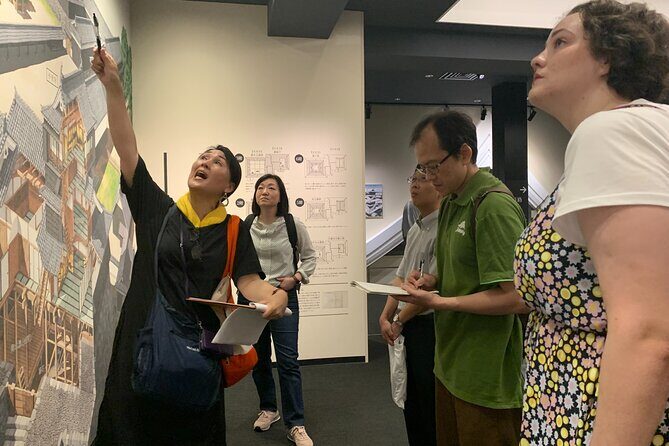
The tour culminates with Johsaien, and the viewing part is built into the ending. After you reach the top floor through the viewing path, your guide then takes you to Johsaien for the next viewing segment.
The views are described as panoramic and comparable to the experience you’d get from the equivalent of 14 stories. That’s the kind of line you’ll appreciate once you’re there, because it signals you’re not just getting a quick look at the landscape. You’re getting an outlook designed to show the wider area around Kumamoto Castle.
I like this finish because it’s a natural way to close the loop. You start by understanding the castle’s shape and story, then you end by seeing how that shape relates to the terrain and the surrounding city. It turns the castle from an isolated monument into something you can place in a living geography.
You can also read our reviews of more guided tours in Kumamoto

The Earthquake Story and Why It Changes How You See the Walls
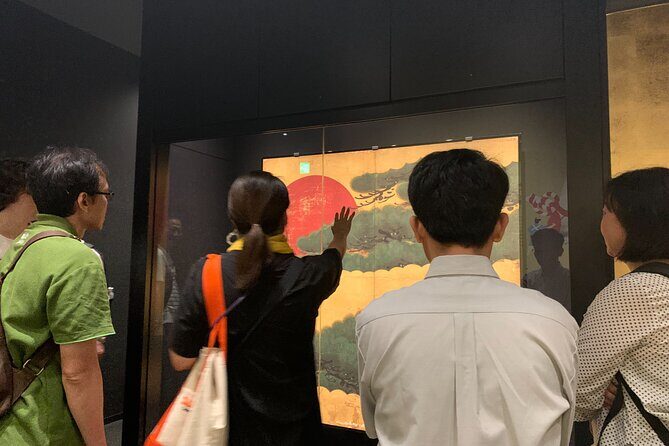
One of the most highly praised parts of this tour is how guides handle the earthquake and the castle’s repair story. In particular, Tommy is noted for excellent storytelling about the damage and for recounting what it was like locally, including that she lives in the immediate vicinity. That personal connection matters because it adds a human scale to restoration work you might otherwise miss.
When reconstruction becomes part of the tour, you start noticing details differently. Instead of treating the castle only as a historical artifact, you start seeing it as something that has survived, been harmed, and is being rebuilt step by step. That shift is especially powerful at a place where the design itself is so tied to resilience and planning.
This is also where the local-guide approach pays off. The tour’s focus on Japanese history and culture isn’t just academic; it shows up in how the guide talks about community pride and reconstruction efforts. If you care about how places keep their meaning through change, you’ll likely value this part a lot.
English Guidance: What Makes It Feel Smooth Instead of Rushed
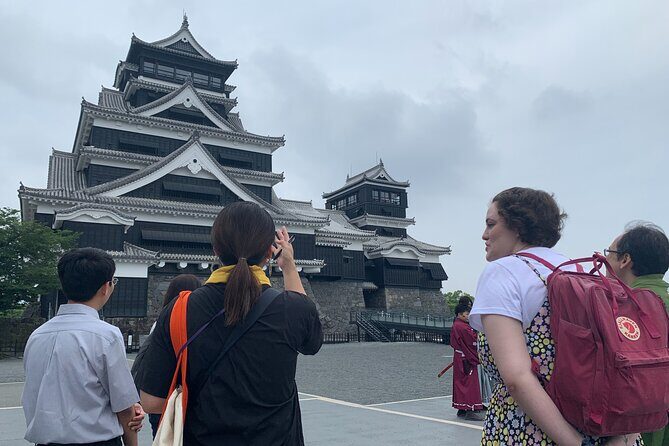
The best part of the experience, based on guide feedback, is the quality of the explanations. Tommy is singled out for excellent English and for being knowledgeable about both the castle and Kumamoto in general. Aki also gets strong marks for being considerate and for sharing stories about life and events around the castle that make the tour more memorable.
That’s a real practical advantage. When you’re moving through a historical site with exhibits mostly in Japanese, the guide’s English becomes your key to understanding. You’re not relying on signage alone, and you’re not left staring at architecture wondering what it means.
This tour is also built for a manageable group size—maximum 6 travelers. A smaller group usually means the guide can keep an eye on pacing and make sure your questions don’t get lost. It’s the kind of setup that turns a “see it” visit into a “get it” visit.
Value Check: Price, Included Admission, and What You’ll Still Pay For
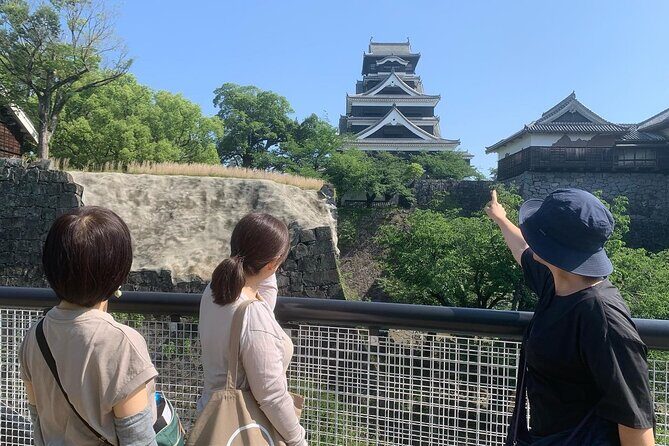
The price is $106.50 per person, and the admission ticket to Kumamoto Castle is included. The tour runs about 3 hours and includes guided time with one guide. For a major site like Kumamoto Castle—where entry is a big piece of the overall experience—bundling admission is a smart value move.
The rest of your spending is basically what you choose outside the tour. Food, drinks, and purchases at shops during the tour are not included. I’d plan to bring water or budget for a drink nearby if you get thirsty, especially since you’ll be walking and spending time viewing from elevated spots.
Also keep in mind that transportation to the meeting point is not included. The start location is near public transportation, which helps, but you’ll still need to get there on your own.
Finally, this is a tour that tends to be planned ahead. It’s commonly booked about 21 days in advance on average, so if your dates are tight, don’t treat it as an afterthought.
Who This Tour Suits Best (And Who Might Want to Think Twice)
This tour fits best if you want the castle experience to be more than sightseeing. If you like history that comes with stories—samurai strategy, local identity, and the earthquake-and-repair angle—this is a strong match. You’ll also do well if you appreciate an English-speaking guide that can translate what matters inside the keep where exhibits are mostly in Japanese.
It’s also a good option if you want structure. With just one stop centered on Kumamoto Castle and a clear route from outside highlights to the top floor and then Johsaien, you won’t have to map your own plan.
If you prefer total independence and reading everything at your own speed, this may feel a bit guided. Because your understanding depends largely on the guide while you walk the special path, it’s less suited to a no-interactions, wander-only mindset.
Should You Book This Kumamoto Castle Walking Tour?
Yes—if you want Kumamoto Castle explained in real language and in a way that helps you see the place as a living story. The included admission, the English-guided route, and the ending at Johsaien make it feel like a complete visit rather than a partial pass-through.
I’d book it especially if you’re the kind of traveler who notices details but wants the meaning handed to you cleanly while you’re still looking at the thing. And if earthquake reconstruction and local resilience are themes you care about, this tour’s local-guides focus will likely be one of your most memorable cultural takeaways in Kumamoto.
If you tell me your travel dates and what other spots you plan to do that morning, I can suggest a simple schedule so Johsaien and the rest of your day fit together smoothly.
FAQ
How long is the Kumamoto Castle walking tour?
The tour is about 3 hours.
What is the tour price per person?
The price is $106.50 per person.
Is the admission ticket to Kumamoto Castle included?
Yes. The admission ticket to Kumamoto Castle is included in the tour price.
Where does the tour start and what time does it begin?
It starts at Kumamoto City Hall (1-1 Tetorihonchō, Chuo Ward) at 8:30 am.
Where does the tour end?
The tour ends at Johsaien (1-1 Nino-maru, Chuo-ku, Kumamoto), and the end address is listed as 1-1-2 Ninomaru, Chuo Ward, Kumamoto.
Are tickets digital or paper?
You receive a mobile ticket.
How many people are in the group?
The maximum group size is 6 travelers.
Can I cancel for a full refund?
Yes, you can cancel for a full refund up to 24 hours before the experience’s start time.