REVIEW · KUMAMOTO
From Fukuoka: Miyazaki, Takachiho Gorge and Shrines Day Tour
Book on GetYourGuide →Operated by Tour Easy · Bookable on GetYourGuide
Myth meets waterfalls far from Fukuoka. This day trip strings together Japanese mythology shrines, wish-making stops, and Takachiho Gorge scenery, all wrapped in an easy round-trip bus ride. You get a real sense of Kyushu beyond the city streets.
I especially love the way the tour treats faith like culture you can actually see: Amano Iwato Shrine connects Amaterasu’s legend to the physical place where the story is said to unfold. And I love the Takachiho segment, because the views hit from every angle, from Manai Waterfall to the Three Bridges and Onihashi Rock.
The main catch is simple: it’s a long day with a lot of walking, plus hours of sitting on the bus. If you get uncomfortable with stairs and uphill paths, plan carefully.
In This Review
- Key things I’d circle in your planner
- A 10-hour shuttle day that still feels full
- Pickup at Hakata: when your day really starts
- Kamishikimi Kumanoimasu Shrine: lanterns and a luck hole
- Amano Iwato Shrine: the sun-goddess story in person
- Amano Yasugawara: building a wish tower from stones
- Takachiho Gorge: volcanic scenery and the 17-meter Manai Waterfall
- Three Bridges, Onihashi Rock, and Sennin-no-Byobu Rock
- Boat tickets aren’t included: how to avoid a disappointment
- Timing, pacing, and how to make the day feel manageable
- Guides and drivers: why the same route can feel different
- Price and value: $50 for transport plus expert guidance
- What to bring and what to watch for
- Who this tour fits best
- Should you book this Fukuoka to Miyazaki shrines and Takachiho tour?
- FAQ
- What time and where do we meet in Fukuoka?
- How long is the tour, and will there be walking?
- Are meals included?
- Are Takachiho Gorge boat tickets included?
- What languages are available on the tour?
- What if my option includes Boat/lunch but Amano sites get replaced?
- Is there free cancellation?
Key things I’d circle in your planner
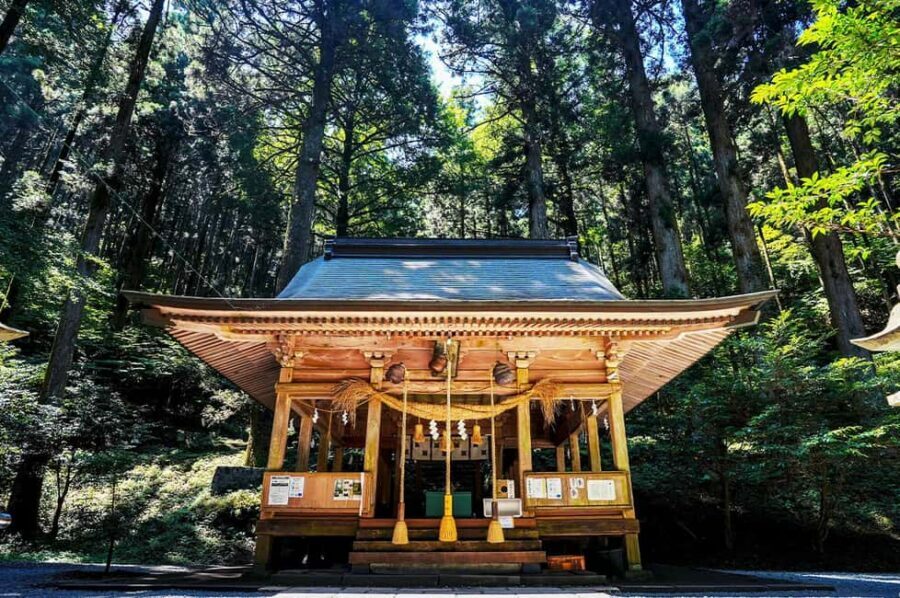
- Amano Iwato to Amano Yasugawara: sun-goddess legend plus stone-stacking wish towers
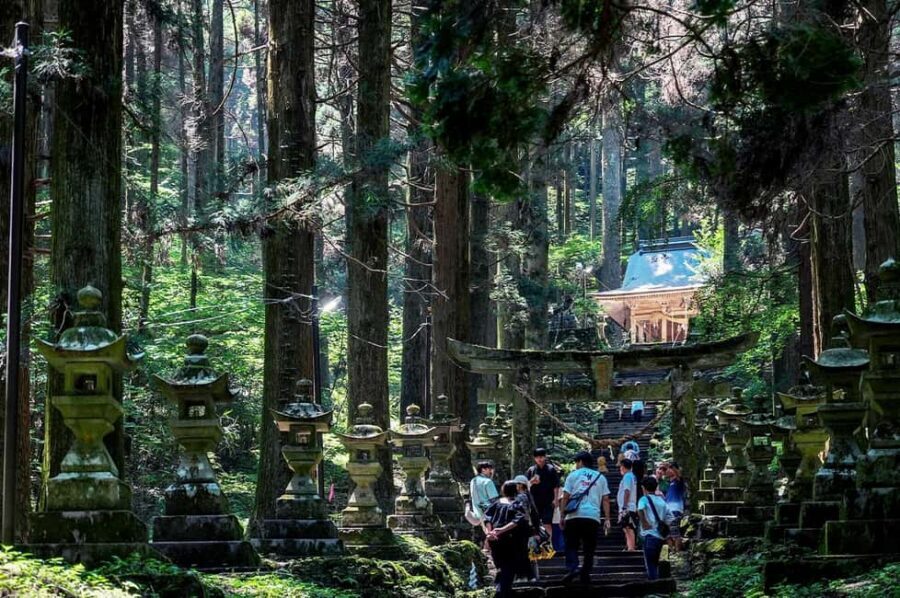
- Kamishikimi lantern path and the Tooriwa Rock big “luck and success” vibe
- Takachiho Gorge trail + Manai Waterfall with about 80 minutes of free time
- Three Bridges of Takachiho, Onihashi Rock, and Sennin-no-Byobu Rock for classic photo lines
- Boat rides cost extra and can sell out depending on the water and timing
- Multiple languages on one group bus, with guides like Sun, Helen, and Thomas mentioned for clear explanations
A 10-hour shuttle day that still feels full
This tour is built for people who want Miyazaki highlights without renting a car. You start early and spend most of the day moving between a small set of big-ticket sights—shrines tied to myth, then the Takachiho Gorge area with multiple viewpoints.
The upside of this format is focus. You’re not bouncing through ten small stops; you’re seeing a handful of places that are known for a reason, with enough time to take photos and walk at each.
You can also read our reviews of more tours and experiences in Kumamoto.

Pickup at Hakata: when your day really starts
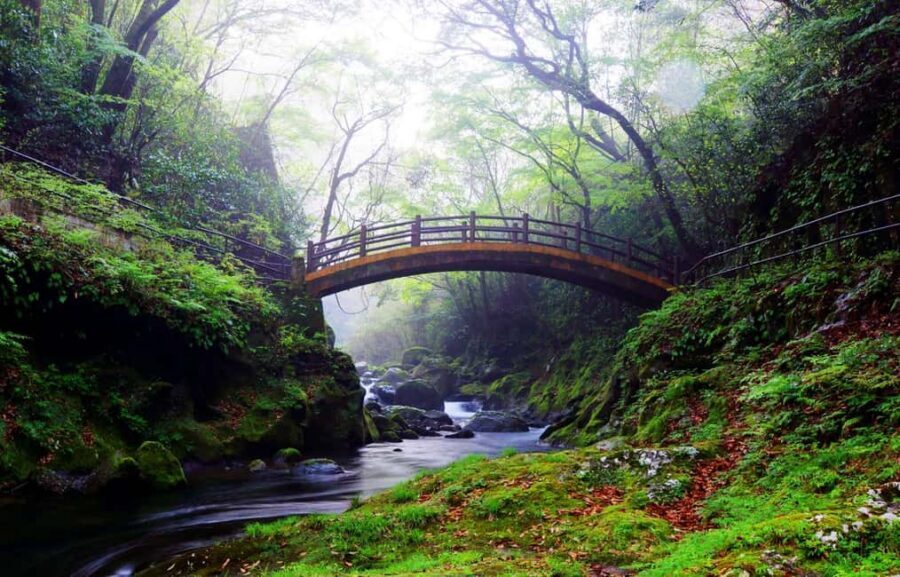
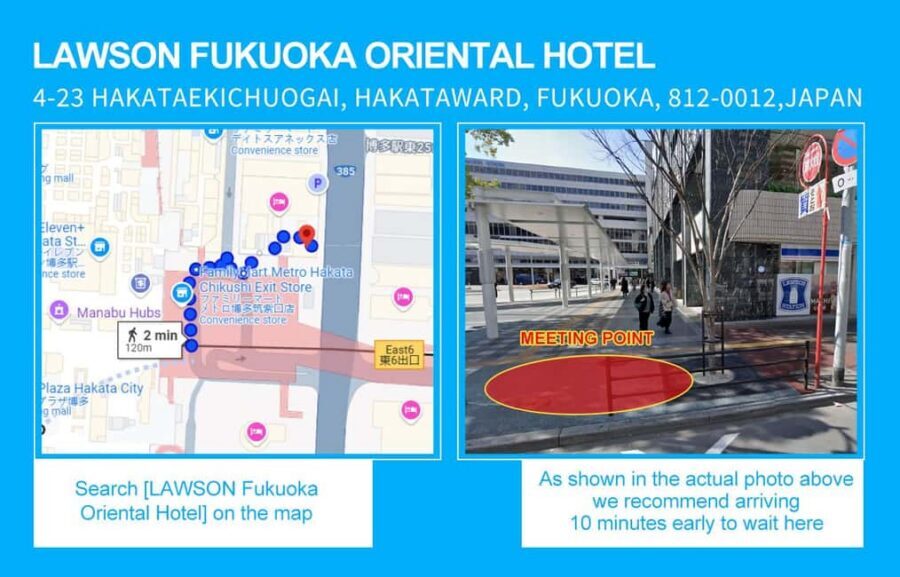
You meet at 8:00am at Lawson Fukuoka Oriental Hotel, in front of Hakata Station Chikushiguchi. Getting there 15 minutes early matters because late arrivals aren’t refunded, and the group has to roll on time.
Once you’re aboard, you’re in for a long drive—about 2.83 hours out and roughly 3 hours back. That sounds like a lot, but the bus also acts like your buffer: you can rest, snack, and let the guide set expectations for what’s coming next.
Practical move: pack water and something small to eat for the ride. Meals and drinks aren’t included, and the day includes walking uphill and stairs, so your energy matters.
Kamishikimi Kumanoimasu Shrine: lanterns and a luck hole
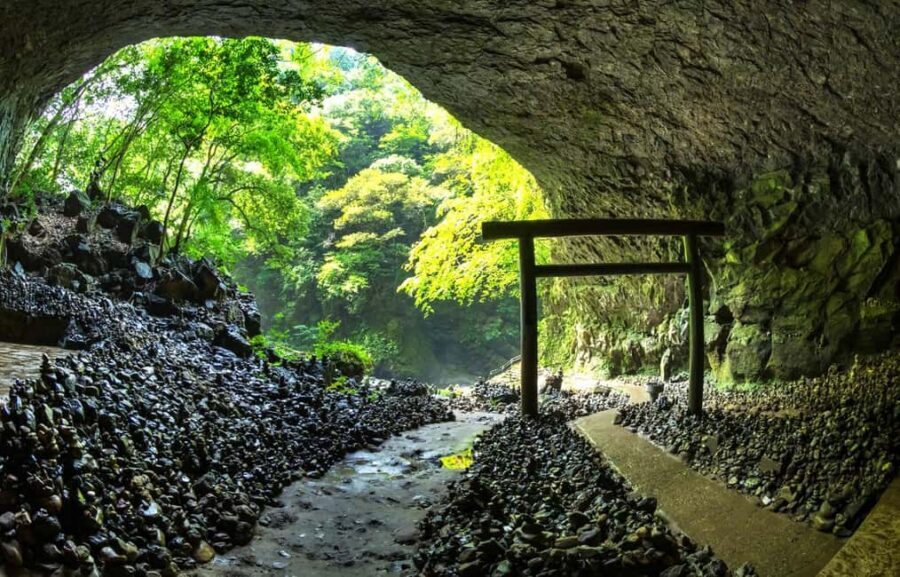
Your first major stop is Kamishikimi Kumanoimasu Shrine, known for its lantern-lined approach—nearly 100 lanterns along the path. If you like Japanese pop culture references, the shrine is especially famous because it appears in anime like Hotarubi no Mori e and Natsume’s Book of Friends.
The stop also includes Tooriwa Rock, a massive hole people visit for good luck and success. It’s a popular spot for couples praying for love and prosperity, so you’ll feel that mix of spirituality and everyday human hope.
Time on-site is about 40 minutes, which is enough to walk the lantern path, take photos, and still have time to breathe and observe without rushing.
Amano Iwato Shrine: the sun-goddess story in person
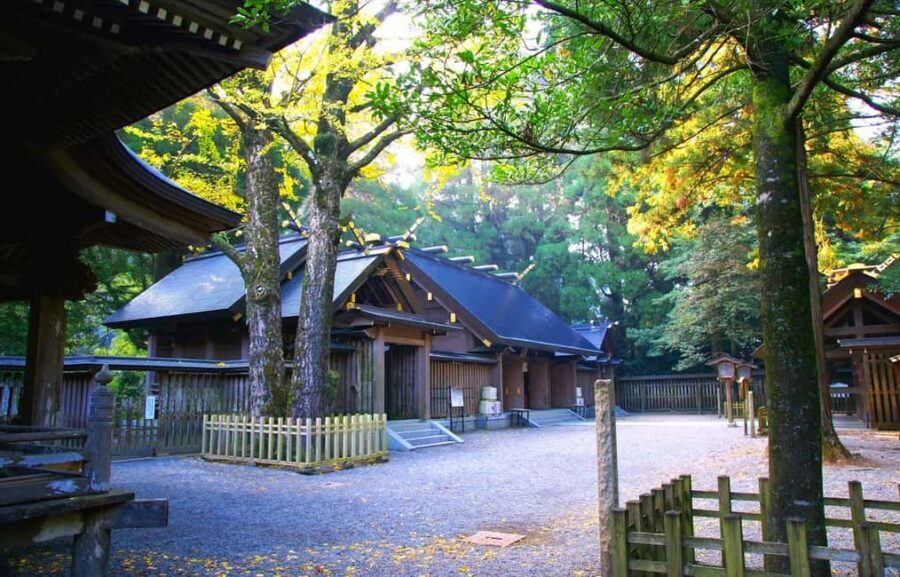
Next up is Amano Iwato Shrine, where Japanese mythology says the sun goddess Amaterasu hid—plunging the world into darkness. The guide portion is helpful here, because the legend isn’t just a fun tale; it connects to why people pray at the site.
You’ll get roughly 30 minutes with a guided tour plus sightseeing time. Some people find the stop a touch tight if you’re a slower walker or you want extra time at smaller details, so if Amano Iwato is your top priority, go in ready to move through calmly but confidently.
Photo note: treat this as a respectful place first. You can still take pictures, but you’ll get better results (and a calmer visit) if you don’t try to block walkways or linger in high-traffic spots.
Amano Yasugawara: building a wish tower from stones
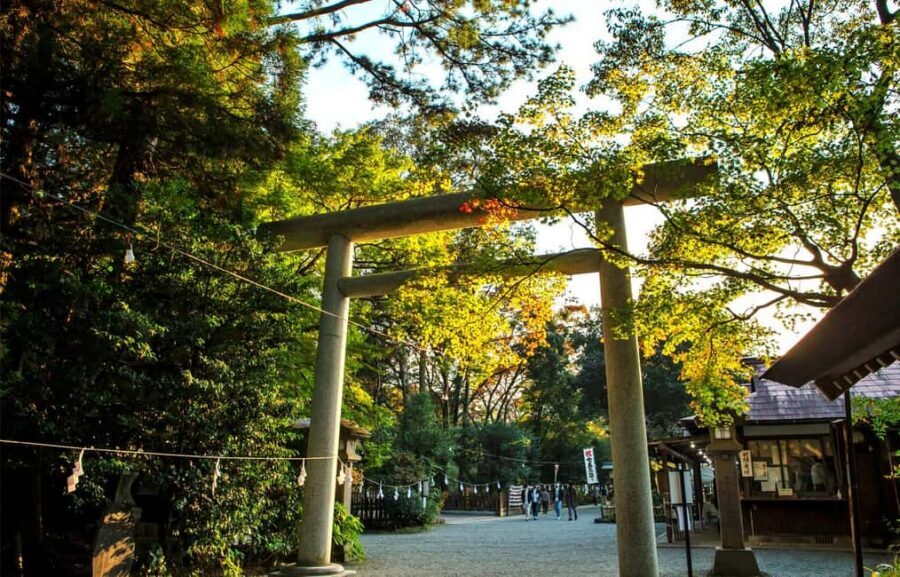
After Amaterasu, the mood shifts to something hands-on: Amano Yasugawara. This is the wish-making area where visitors stack stones to build a personal wish tower—simple, tactile, and memorable.
You’ll have about 30 minutes here. That’s enough to do the ritual, get the photos you want, and then step back for a wider view of the area instead of staying only at your immediate stone pile.
If you’re prone to overthinking rituals, try this: focus on the action and the moment. Don’t stress about making a perfect tower. The point is participation, and the guide explanations help you get the meaning quickly.
Takachiho Gorge: volcanic scenery and the 17-meter Manai Waterfall
Then you reach the main outdoor draw: Takachiho Gorge. You’ll get about 80 minutes of free time, plus you’ll walk a trail roughly 1 kilometer along the gorge.
The headline is Manai Waterfall, about 17 meters tall, often listed among Japan’s top 100 waterfalls. Even when weather changes, the gorge still delivers because you’re looking at raw, formed-by-nature rock shapes and layered water.
A realistic tip: wear shoes you trust. Reviews point out there’s quite a bit of walking, including uphill sections and stairs in the overall day, and the gorge route is part of that.
Three Bridges, Onihashi Rock, and Sennin-no-Byobu Rock
Once you’re in Takachiho Gorge, the sights turn into a sequence of iconic photo moments.
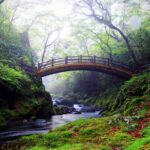
You’ll see the Three Bridges of Takachiho, each representing a different era. Then there’s Onihashi Rock, a massive 200-ton boulder tied with sacred ropes, adding that distinctive Japanese “ritual meets nature” feeling.
And if you still have energy after all that, the Sennin-no-Byobu Rock is the dramatic finish—about 70 meters high. This is the kind of place where you stop trying to take the perfect photo and just stare for a second. The scale does the work for you.
Boat tickets aren’t included: how to avoid a disappointment
Boat rides at Takachiho Gorge are popular, but they’re not included on this tour. You’ll need to buy tickets separately, and availability can be tight, especially if you’re relying on the day’s timing.
One practical suggestion from real on-the-ground experience: if boat time is a must for you, book online in advance during the period and timing people commonly target (some guidance mentions a window roughly from two weeks to two days before, with attempts around 2:30). Also, water levels can affect whether boats run smoothly.
Bottom line: don’t assume you can add it last-minute. If you want the boat, treat it like a separate plan, not an afterthought.
Timing, pacing, and how to make the day feel manageable
This is a shared group tour with guests from multiple countries, and the guide works in multiple languages. That matters because it means the explanations are structured for different language groups, and the guide has to keep the timing tight for everyone.
In practice, the day can feel long because of travel time. Some people say a lot of the day is simply riding the bus. I’d treat that as the deal: the “extra” time buys you convenience, and you’re not dealing with transfers or parking stress.
There’s also a walking component across more than one stop. You’ll be hopping from shrine steps to gorge paths, so your best move is to dress for movement: comfortable shoes, a light layer for changing weather, and a small bag you can keep with you.
Guides and drivers: why the same route can feel different
One of the strongest parts of this tour is the human factor—guides who can explain what you’re seeing and help you enjoy the day instead of just “getting through it.” Names that come up in strong feedback include Jyo, Helen, Sun (pronounced like soon), Thomas, Lina, Koko, Roger, and Elvis.
What I like about this setup is how the best guides connect the myth to the setting. At shrines, that turns a legend into something concrete. At Takachiho, it turns a scenic walk into a story you can remember.
Even the drivers are part of the experience, especially when schedules shift due to traffic or holiday congestion. You’ll want to keep your expectations flexible for return time if conditions aren’t ideal.
Price and value: $50 for transport plus expert guidance
At $50 per person for about 10 hours, the big value is that you’re buying organization. Round-trip transportation from Fukuoka is included, along with a professional driver and multilingual guide, plus highway tolls, parking fees, and fuel.
What’s not included is what can add cost: meals and boat tickets. That’s the tradeoff. If you skip the boat and eat at your own pace later, you can keep the day simple. If you want the boat ride, you’ll need to budget for it.
My practical take: this tour makes sense if you want a low-stress “great hits of Kyushu” day. If you prefer total control over timing and you’re comfortable navigating regional transport, you might be able to do it cheaper another way. But if you want someone to handle routing and timing, the price feels fair for what’s included.
What to bring and what to watch for
A few basics make the day smoother:
- Bring some cash, since credit cards may not be accepted at certain spots.
- Bring water and a snack, since meals and drinks aren’t included.
- Wear shoes for stairs and uphill paths.
- Have a plan for the weather. Check conditions before you go.
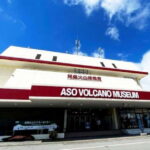
Also, note an important swap possibility. If you choose an option that includes Boat/lunch, Amano Iwato Shrine and Amano Yasugawara may be replaced by Mount Aso Volcano and Kusasenri Grassland. That doesn’t make the day worse; it just changes which myth-centered stops you’ll see. If Amano is your main target, double-check what’s included in your selected option.
Who this tour fits best
This tour is ideal if you:
- Want shrines and natural icons in one day without planning routes.
- Like guided context, especially for Japanese mythology.
- Enjoy photos, but also don’t mind walking between viewpoints.
It’s less ideal if you:
- Hate long bus rides or you’re very sensitive to stairs and hills.
- Care most about unhurried time at one location rather than seeing several highlights.
- Want the boat ride but don’t want to plan ahead for tickets.
Should you book this Fukuoka to Miyazaki shrines and Takachiho tour?
Book it if you want a structured, stress-free day with big visuals: lanterns, myth prayers, stone wishes, waterfall views, and those classic Takachiho rock-and-bridge photo stops. The included bus transport and multilingual guiding are the core value, and the day delivers even when weather shifts.
Skip it or add extra planning if you want a boat ride for sure, or if long travel time and walking feel like a problem for your body. If that’s you, you may still enjoy the tour, but you’ll want to go in with a realistic mindset.
If you’re excited by shrines plus Takachiho’s iconic views, this is a strong pick for a Kyushu “best-of” day from Fukuoka.
FAQ
What time and where do we meet in Fukuoka?
Pickup is at 8:00am at Lawson Fukuoka Oriental Hotel, in front of Hakata Station Chikushiguchi (4-23 Hakataekichuogai, Hakata Ward, Fukuoka 812-0012).
How long is the tour, and will there be walking?
The tour runs about 10 hours. You’ll walk during the gorge portion (about a 1-kilometer trail) and expect some stairs and uphill walking as part of visiting the sites.
Are meals included?
No. Meals and drinks are not included.
Are Takachiho Gorge boat tickets included?
No. Boat tickets for Takachiho Gorge are not included.
What languages are available on the tour?
The guide offers English, Traditional Chinese, and Japanese.
What if my option includes Boat/lunch but Amano sites get replaced?
The notice says that if you choose the option of including Boat/lunch, Amano Iwato Shrine and Amano Yasugawara Shrine can be replaced with Mount Aso Volcano and Kusasenri Grassland in Aso.
Is there free cancellation?
Yes, you can cancel up to 24 hours in advance for a full refund.