REVIEW · KUMAMOTO
From Fukuoka: Mount Aso, Kurokawa Onsen, and Shrine Tour
Book on GetYourGuide →Operated by TAIHOU CO,LTD · Bookable on GetYourGuide
Aso turns a bus day into geology theater. This Fukuoka trip strings together Mount Aso views, an ancient Aso Shrine, and a slow stroll through Kurokawa Onsen, with real breathing room at the best places. It’s a fast way to see a lot of Kyushu personality without planning every turn.
I especially like the chance to get close to the Nakadake crater for photos when access is open. I also like that Kurokawa Onsen gives you time to wander first, then decide whether you want to soak in the mineral-rich waters.
The one thing to keep in mind is that Mount Aso crater access is subject to volcanic safety rules, so weather or restrictions can change what you actually see.
In This Review
- Key takeaways before you go
- Mount Aso, Aso Shrine, and Kurokawa Onsen in One Efficient Day
- Price and What Your $50 Actually Covers
- Getting There From Fukuoka: Pickup, Timing, and Ride Comfort
- Nakadake Crater: When the Volcano Lets You See It
- Kusasenri Grassland and Optional Horseback Across the Open Range
- Aso Jinja: Old Shinto and a Calm Cultural Reset
- Kurokawa Onsen Stroll: Atmosphere First, Baths Second
- Weather, Safety, and Tattoo Rules That Can Change Your Day
- What the Tour Guide Adds (Beyond Translation)
- Who This Tour Fits Best (and Who Might Want to Skip It)
- Should You Book This Tour?
- FAQ
- How long is the tour?
- Where do I meet in Fukuoka?
- What time will I return to Fukuoka?
- Is Mount Aso-Nakadake Crater access guaranteed?
- What parts of the day include entrance fees?
- Is lunch included?
- Do I need cash during the day?
- Can I enter Kurokawa Onsen if I have tattoos?
- Is this tour suitable for wheelchair users?
Key takeaways before you go
- Nakadake crater is the headline, but entry depends on safety.
- Kusasenri grassland is calm, open, and optional-horse friendly.
- Aso Jinja feels old in a real, specific way: 2,500 years and 12 deities.
- Kurokawa Onsen is built for walking—baths are a separate decision.
- English-speaking support varies by group, and guides like Sun and Seki are praised for clear translation.
Mount Aso, Aso Shrine, and Kurokawa Onsen in One Efficient Day
This is the kind of day trip that works when you have limited time in Fukuoka but still want something that feels like more than a checklist. You get the big nature hit at Mount Aso, a serious stop at Aso Shrine, then the soothing contrast of Kurokawa Onsen.
What I like most is the rhythm. You’re not rushing minute-to-minute inside every site. There’s built-in free time for photos and walking, plus enough structure that you don’t spend the day figuring out transit or where to stand.
And yes, the scenery comes with a catch: Mount Aso is active. That means the craters can be dramatic one day and restricted the next.
You can also read our reviews of more tours and experiences in Kumamoto.
Price and What Your $50 Actually Covers
At about $50 per person, this day tour can feel like good value if you’re comparing it to DIY days with train changes and paid entrances. The key included items are:
- Air-conditioned vehicles
- Professional tour guide and driver
- Pickup and drop-off at a designated Fukuoka meeting spot
- Admission of Aso Volcano
- Parking fees
What’s not included matters because it affects your final day budget:
- Lunch is not included
- Onsen admission at Kurokawa Onsen is not included
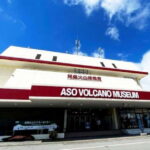
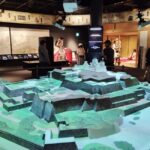
- Optional add-ons like Aso Volcano Museum and horse riding cost extra
- You’ll likely want cash for personal expenses since some places may not accept credit cards
So, you’re paying for smooth logistics and the core sights. If you plan to skip optional extras and just treat the onsen town as a walking-and-snack stop, you can keep costs tight.
Getting There From Fukuoka: Pickup, Timing, and Ride Comfort
The day starts early. You’ll depart around 8:00am from the Oriental Hotel Fukuoka Hakata Station (Lawson convenience store) area. Plan to arrive 15 minutes early so check-in doesn’t steal your energy.
The schedule is built around a long but manageable ride: roughly a couple of hours each way. The vehicle is air-conditioned, and the tour is a shared group, so expect a mix of nationalities. The guide offers explanations in multiple languages (English, Japanese, Korean, Traditional Chinese), which makes it easier to follow what you’re seeing without needing to translate everything yourself.
Practical note: no smoking in the vehicle and no food in the vehicle. If you’re prone to getting snacky on bus days, plan to eat outside the vehicle during designated breaks.
Nakadake Crater: When the Volcano Lets You See It
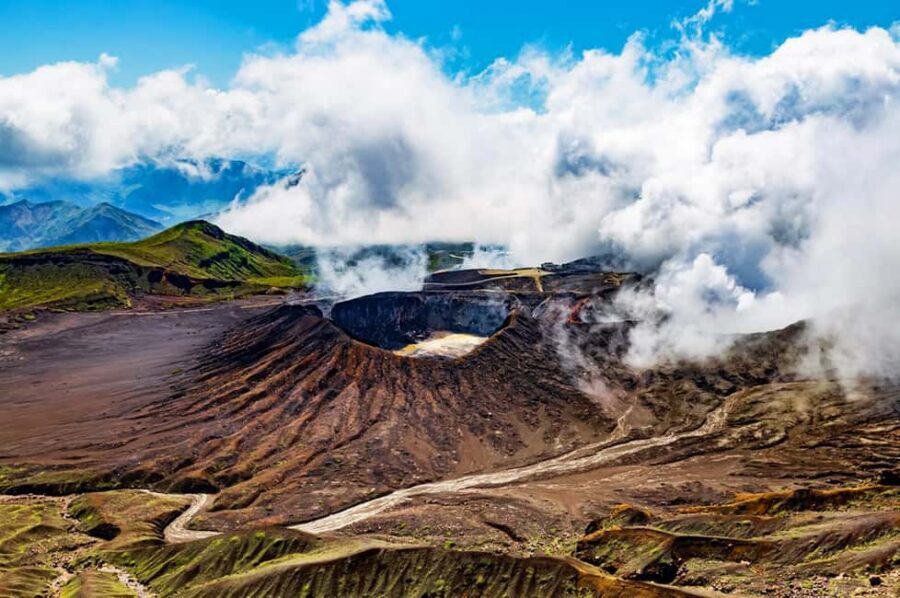
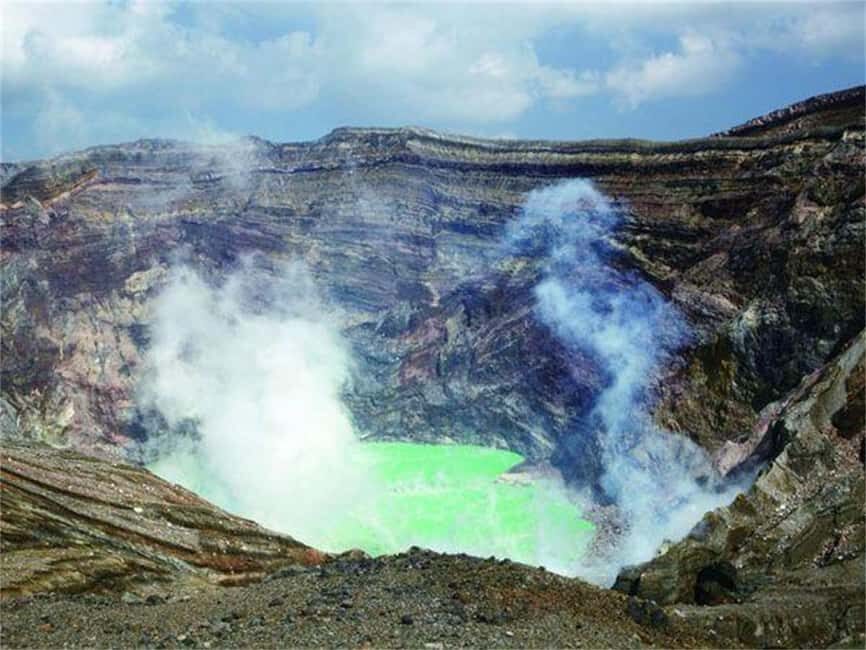
Mount Aso is known for serious volcanic activity, and this stop is the main reason many people book. If access is allowed, you’ll get a close-up photo moment at Nakadake Crater (about 15–20 minutes). This is where the day turns from pretty to unforgettable—smoke, sulfur air, and that sense of scale you can’t really fake with photos.
But here’s the honest catch: the crater portion is subject to volcanic activity, and access can be restricted for safety. In practice, that means:
- You may not get the same viewing angles.
- The experience could feel shorter or less dramatic than you planned for.
- Weather and visibility can also reduce what you can actually see.
I’d treat this as a bonus if you get clear access, and keep your mental plan flexible. If you only want guaranteed views, this tour might feel stressful on the day of.
Kusasenri Grassland and Optional Horseback Across the Open Range
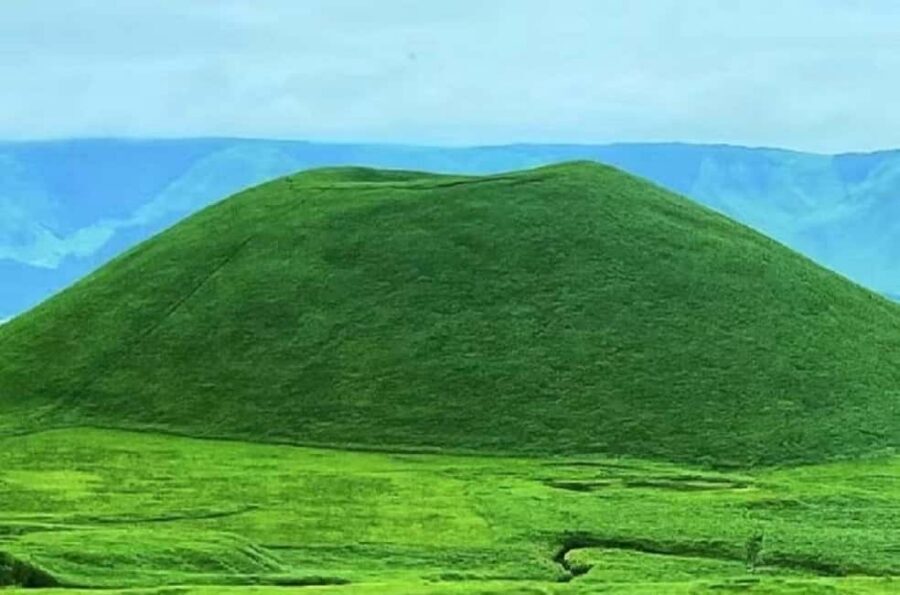
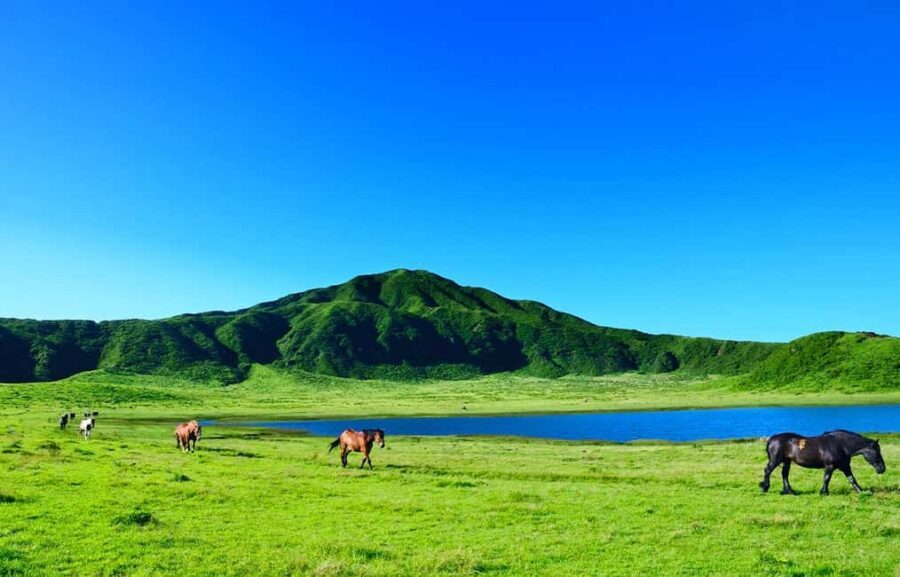
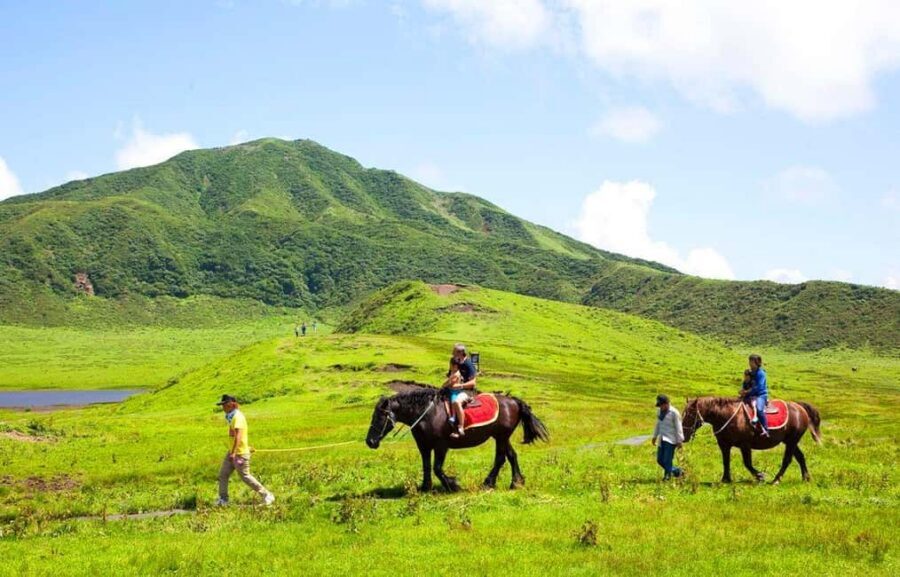
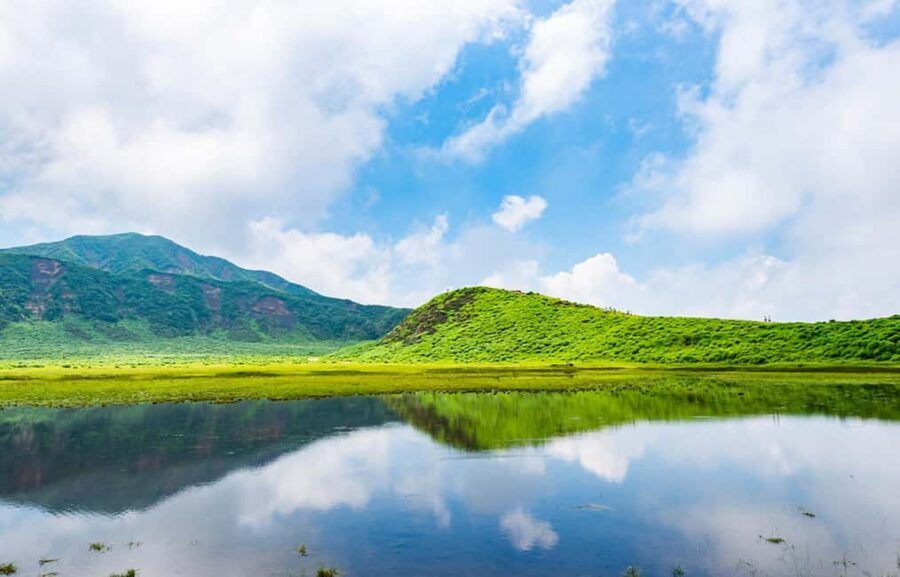
After the crater stop, you head to Kusasenrigahama (about 60 minutes) for grassland time and lunch break (lunch not included). This area sits at the foot of Mount Eboshi, and it’s the “slow down” moment in the itinerary.
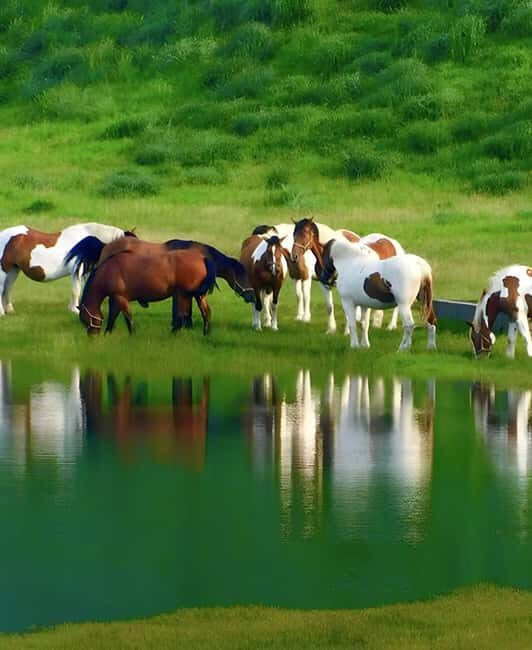
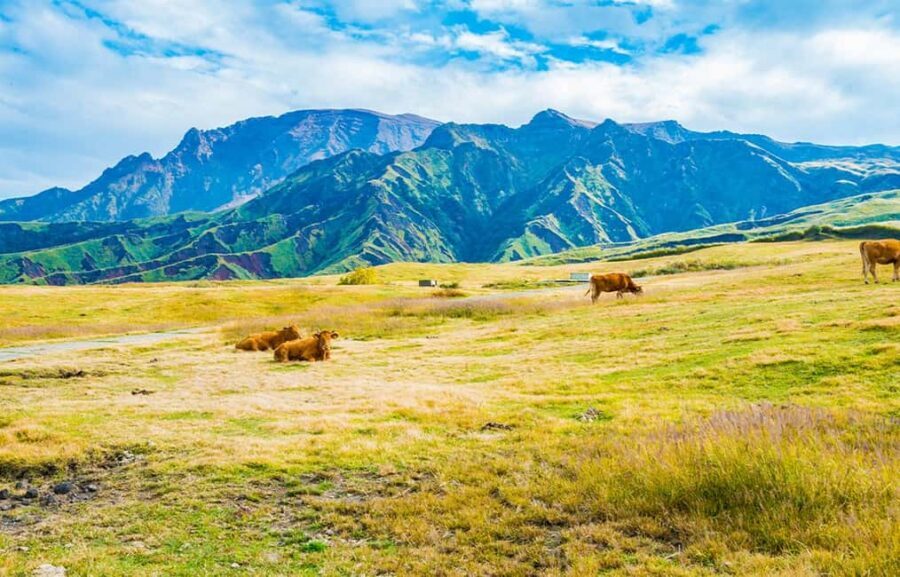
The grassland vibe is different from the volcano. It’s open, airy, and peaceful—ideal for photos that don’t involve smoke. You can also watch grazing cattle and horses, and you’ll have time for a leisurely walk.
Best part: there’s an optional horse riding experience across the grassland. It’s guided, designed to be manageable even for beginners, and it’s described as suitable for children too. You pay for it separately, but if you’ve been curious about riding in Japan, this is one of the more scenic places on the day.
Even if you skip the ride, you’ll usually appreciate the simple reset. A volcano day can be intense; this stop balances it.
Aso Jinja: Old Shinto and a Calm Cultural Reset
Then you shift gears to Aso Shrine (Aso Jinja), with free time of about 30–40 minutes. This isn’t just a quick roadside temple stop. It has deep roots: the shrine is said to have over 2,500 years of history.
The shrine enshrines 12 deities, including the grandson of Emperor Jimmu, and it serves as the head shrine for over 450 Aso Shrines across Japan. It’s also recognized as an Important Cultural Property of Japan.
What that means for your visit: you’ll feel like you’re stepping into a place that has remained important across centuries, not just an attraction with photo spots. Take a quiet moment. Even if you don’t read the explanations, the pacing here is noticeably different from the crater scramble.
If you like Shinto architecture and want a meaningful cultural stop without adding extra planning, this is the part of the day that gives context to the region.
Kurokawa Onsen Stroll: Atmosphere First, Baths Second
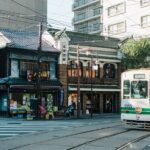
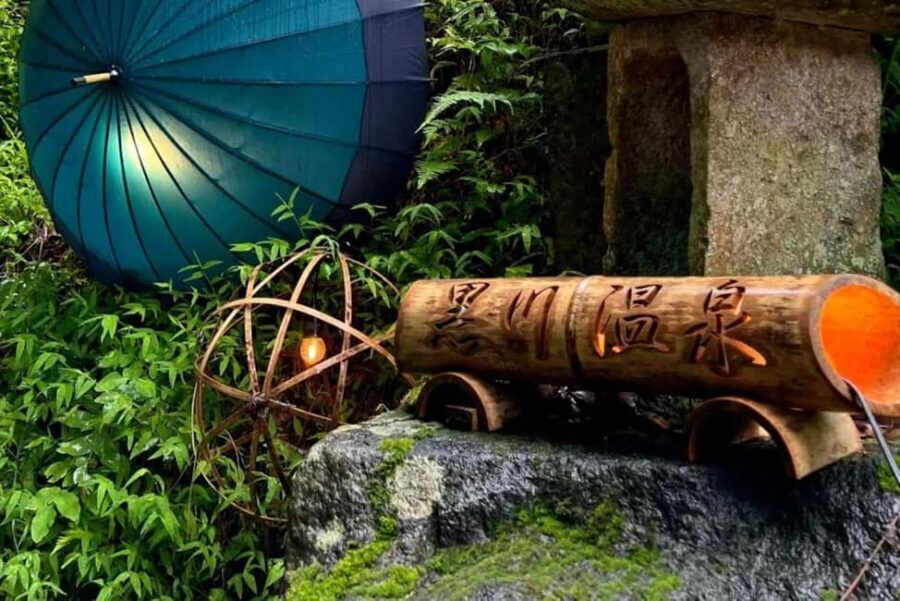
By mid-afternoon, you arrive at Kurokawa Onsen (about 90 minutes). This is where Kyushu’s slower side takes over: rivers, wooded surroundings, and that nostalgic town feel that makes walking enjoyable even when you don’t have a plan.
You’ll have time for:
- Strolling the streets
- Shopping for small souvenirs
- Deciding whether to soak at an open-air bath or another bathhouse
Two details make this stop worth more than just hot water. First, Kurokawa Onsen is popular for over 300 years for its mineral-rich waters. Second, each bathhouse can have different therapeutic benefits, so your soak choice is personal.
Kurokawa’s reputation also comes through in the awards tied to it—ranked #1 for atmosphere in a 2008 Onsen Top 100 poll, and recognized with 2 stars in the Michelin Green Guide Japan (2009).
One important planning point: onsen admission isn’t included. So budget for it if you want a soak, and remember that some places may not allow entry if you have tattoos.
Weather, Safety, and Tattoo Rules That Can Change Your Day
This tour runs in the real world, not an ideal brochure version. Two factors can shift your day more than you’d expect:
1) Volcanic activity at Mount Aso
Access to Nakadake can be restricted for safety. That can reduce the crater viewing experience even if you arrive ready.
2) Bad weather, traffic, and crowding
The return time can vary, and some attractions may be shortened, rescheduled, or canceled during heavy weather or busy holiday periods.
So I recommend you do two things:
- Don’t schedule anything right after the tour ends. Build slack for delays.
- Keep your expectations flexible. The shrine and onsen portions tend to still feel worthwhile even if the crater portion changes.
Tattoo policy is another practical rule. If you have tattoos, plan that you might not be allowed into certain hot spring facilities.
What the Tour Guide Adds (Beyond Translation)
This day trip succeeds or fails on the guidance style—especially because the day touches nature, religion, and small-town strolling.
From the info available, guides are praised for being professional and for providing clear explanations. Two guide names come up in that context: Sun and Seki. Sun is noted as friendly, helpful, and knowledgeable, while Seki is highlighted for professionalism and translation—especially helpful when English support mattered inside the group.
That matters for you because you’re dealing with a lot of different “kinds” of stops:
- volcano science you may not know
- Shinto history you may want to understand
- onsen culture you’ll feel more if you know what to look for
Even if you only catch parts of the narration, the guide’s pacing helps you spend time in the right places.
Who This Tour Fits Best (and Who Might Want to Skip It)
This works well if you want:
- A one-day sample of three big Kyushu experiences: volcano drama, Shinto heritage, and hot spring town life
- Clear structure and pickup from Fukuoka
- A tour guide who can explain what you’re seeing across multiple languages
You may want to skip it if:
- You’re uncomfortable with the idea that Nakadake crater access can be restricted
- You need a day with zero uncertainty
- You rely on wheelchair access (this tour is listed as not suitable for wheelchair users)
If you’re traveling as a couple, a solo traveler, or a group with mixed interests, this itinerary also makes sense. One person can be into the crater photos, another can focus on shrine details, and everyone gets a chance to slow down in Kurokawa.
Should You Book This Tour?
I’d book this tour if you’re the type of traveler who likes variety and you don’t mind that nature can make the plan flexible. Mount Aso is a world-class subject, and when you get workable access, Nakadake is the payoff. The addition of Aso Shrine keeps the day from feeling purely scenic, and Kurokawa Onsen gives you the soothing end you want after time on the road.
But don’t book it last-minute if you have a tight schedule or a hard requirement for crater close-ups. Treat volcanic access as the wild card. And remember that lunch and onsen admission cost extra, so set aside a bit beyond the $50.
If you want a low-stress way to see more of Kyushu in one day—this is a strong choice.
FAQ
How long is the tour?
The tour runs for about 10 hours from the 8:00am departure.
Where do I meet in Fukuoka?
Meet at the Oriental Hotel Fukuoka Hakata Station (Lawson convenience store) area. Plan to arrive about 15 minutes early.
What time will I return to Fukuoka?
Return is listed as around 6:00pm, but it can be earlier or later depending on weather, traffic, or crowding.
Is Mount Aso-Nakadake Crater access guaranteed?
No. The crater stop is subject to volcanic activity, so access may be restricted for safety.
What parts of the day include entrance fees?
Aso Volcano admission is included. Kurokawa Onsen admission is not included, and optional stops like the Aso Volcano Museum are also not included.
Is lunch included?
No. Lunch is not included, even though there is a lunch break during the Kusasenri grassland time.
Do I need cash during the day?
You should bring cash for personal expenses, since some places may not accept credit cards.
Can I enter Kurokawa Onsen if I have tattoos?
You may not be allowed to enter Japanese hot springs if you have tattoos.
Is this tour suitable for wheelchair users?
No. The tour is listed as not suitable for wheelchair users.