REVIEW · TOKYO
Discover Japanese Coffee Brewing Experience at Tokyo
Book on GetYourGuide →Operated by Tasse Coffee Roastery · Bookable on GetYourGuide
Siphons and teapots in Tokyo. In this 2-hour Japanese coffee brewing workshop at Tasse Coffee Roastery, you learn coffee by doing it step by step, not just watching. I like how it pairs technique with culture, so the brewing makes sense in the context of Japanese coffee habits.
What I like most is the hands-on practice across three methods (siphon, kyūsu, and hand drip) and the guided coffee cupping that teaches you what to look for in flavor. One consideration: you’re packing a lot of variety into a short session, so if you want one method studied in extreme depth, this may feel fast.
In This Review
- Key Highlights You’ll Care About
- Tasse Coffee Roastery: A Calm Setup for Learning Coffee
- What You Learn Beyond the Pour: Japanese Coffee Culture and Coffee Basics
- Cupping Session: How You Train Your Tongue to Spot Differences
- Siphon Brewing: The Japanese Traditional Method and Why It Changes Flavor
- Kyūsu 急須 Coffee: Turning a Teapot Tradition into Brewable Coffee
- Hand Drip Method: Water Temperature and Pour Control That You Can Repeat
- Comparing Your Results: What the Tasting Teaches You to Do Next
- Price and Value: Is $116 for Two Hours Worth It?
- Who This Japanese Coffee Workshop Fits Best (and Who Should Skip It)
- Practical Tips for Getting More Out of Your Session
- Should You Book This Japanese Coffee Brewing Experience in Tokyo?
- FAQ
- How long is the Tokyo Japanese coffee brewing workshop?
- What’s included in the price?
- What brewing methods will I learn?
- Do I do a cupping session?
- What languages are available during the workshop?
- Is the workshop private?
- Is the experience suitable for children?
- Can I cancel and get a refund?
- Is there an optional coffee tasting kit?
Key Highlights You’ll Care About
- Three brewing styles in one workshop: siphon, kyūsu 急須, and hand drip
- Guided coffee cupping to identify aromas, acidity, body, and aftertaste
- Farm-to-cup context: beans, roasts, and how coffee gets from grower to brewer
- Small group feel for more individual feedback during pours and tasting
- Equipment provided, so you can focus on learning instead of setup
- English and Japanese instruction, with expert baristas guiding the steps
Tasse Coffee Roastery: A Calm Setup for Learning Coffee

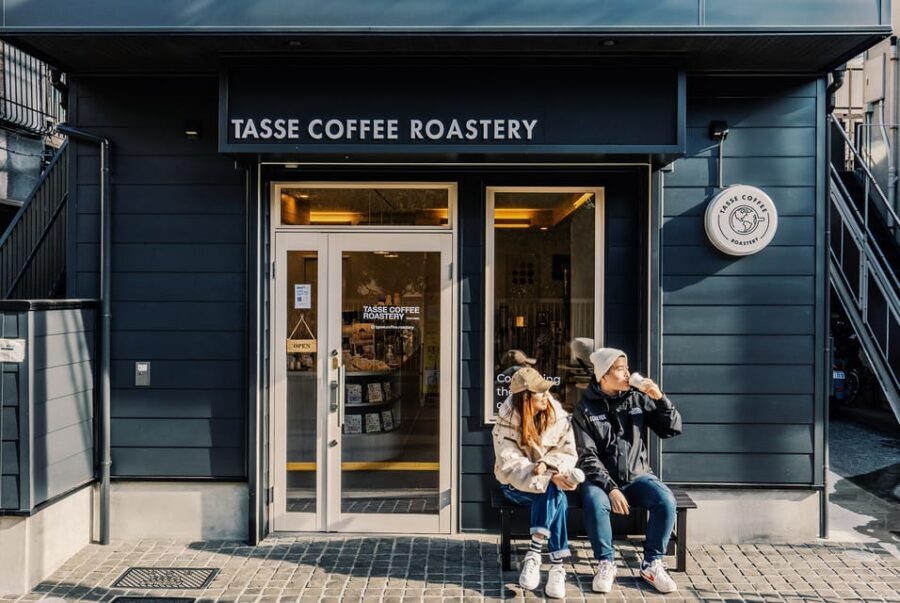
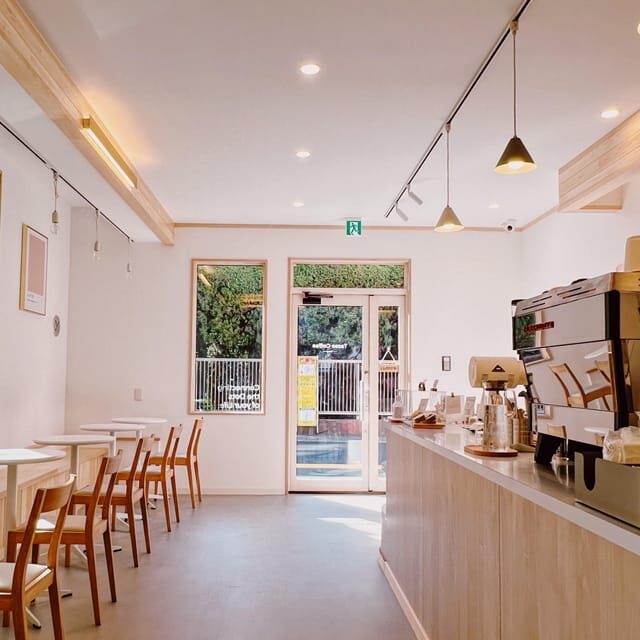
This class happens at Tasse Coffee Roastery in Tokyo, and the venue is built for attention. Expect a comfortable workshop space with soothing natural wooden tones, which matters more than you’d think. Brewing is hands-on and precise, and a calmer room helps you concentrate on water, grind, timing, and tasting.
The experience is also designed around your pace. It’s offered in a small group size and run as a private group, so you’re not stuck in a crowded demo where the instructor can’t correct your technique. You’ll be working with the tools and brewing equipment provided for the session, which keeps the focus on what you’re learning: how the method changes the cup.
The whole thing runs 2 hours. That’s long enough to taste, compare, and practice multiple methods, but short enough that you’ll want to pay attention when the instructor explains what each step is aiming for.
A few more Tokyo tours and experiences worth a look
What You Learn Beyond the Pour: Japanese Coffee Culture and Coffee Basics

The workshop starts with the kind of basics that make your later cupping and brewing feel logical instead of random. You’ll cover coffee history and culture in Japan, plus how to think about coffee beans and roasts. You also get a farm-to-cup overview, so you understand why the same “coffee” can taste totally different depending on processing, roast level, and preparation.
This matters because Japanese-style coffee often rewards clarity. If you only chase flavor notes without understanding the variables, it’s hard to reproduce results. Learning the journey of coffee from farm to cup helps you connect what you’re tasting to choices earlier in the chain.
You also get guidance on selection—how to think about beans and roasts in a way you can actually use when you’re buying coffee later. I like that this workshop doesn’t stop at skills. It aims for judgment, so you can taste, interpret, and then choose coffee you’d enjoy.
Cupping Session: How You Train Your Tongue to Spot Differences
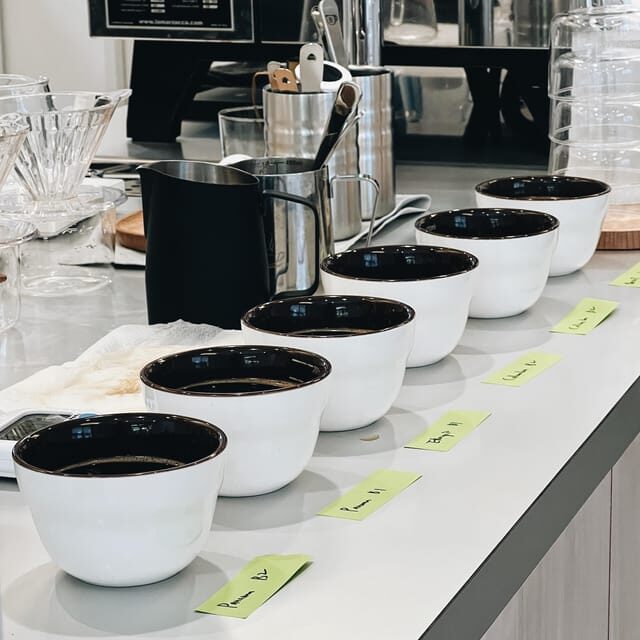
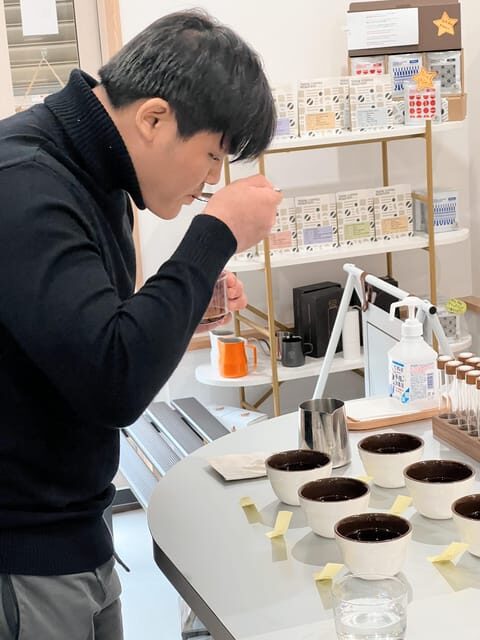
Before you brew, you practice tasting through a structured cupping exercise. Cupping is one of the quickest ways to learn coffee without needing fancy gear, because it forces you to compare. Here, you get an introduction to what cupping is and why it matters, then you taste coffee blends and learn to map flavors to sensory cues.
During the guided tasting, you’ll work on identifying:
- aromas
- acidity
- body
- aftertaste
That list is practical. It gives you a checklist for noticing what you normally miss when you sip casually. Once you can name what you’re tasting, comparing brewing methods becomes meaningful. Otherwise, it’s easy to say one cup is “stronger” and miss why.
You’ll also do aroma work. Smell is half of taste, and cupping trains your brain to catch it. I like this approach because it turns tasting into a skill you can reuse at home, even if you don’t replicate every method.
Siphon Brewing: The Japanese Traditional Method and Why It Changes Flavor
Next comes siphon brewing, billed as a Japanese traditional method. The siphon setup is visually elegant, but the real value is the control it offers. You’ll explore the history and elegance of the method, then the instructor demonstrates and you practice it.
What you’re learning here isn’t just how to assemble the gear. You’re learning how the siphon approach affects coffee flavor. The method’s movement and heat transfer patterns can highlight different qualities compared with hand drip. That’s why siphon fits well into a short workshop: it creates a noticeable comparison fast.
During your practice, pay attention to the instructor’s guidance on how the brew develops. Even if you’re not trying to become a siphon expert the same day, you’ll walk away with a clearer sense of what brewing technique does to extraction and balance.
It’s also a good option if you like learning that feels “serious” and technical without being intimidating. The siphon lesson gives you confidence that the process can be understood, not just followed blindly.
Kyūsu 急須 Coffee: Turning a Teapot Tradition into Brewable Coffee
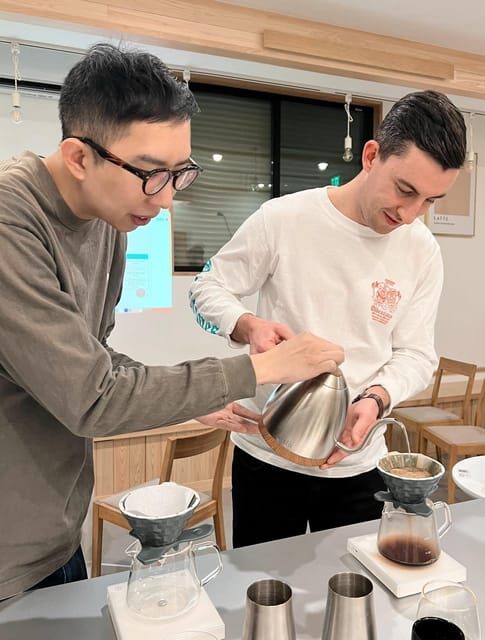
Then you’ll shift to kyūsu 急須, a Japanese teapot method adapted for coffee. The workshop treats this as a distinct brewing approach, not a gimmick. You’ll learn techniques for brewing coffee with a kyūsu, and you’ll compare the taste profile with other methods from the class.
This section is especially interesting if you already know pour-over or drip basics. Kyūsu changes the feel of pouring and can lead to a different balance in the cup. The workshop’s goal is to help you notice those differences and understand what’s causing them.
What I like about including kyūsu is that it connects coffee to Japanese tea culture. If you’ve ever watched how tea is handled with patience and attention, this method will feel more intuitive. It’s still coffee, but it uses a tool and mindset that will be familiar if you’ve encountered Japanese tea preparation.
By the time you finish kyūsu, you should be able to describe what changes between methods, not just which one you liked most.
A few more Tokyo tours and experiences worth a look


Hand Drip Method: Water Temperature and Pour Control That You Can Repeat
The final brewing segment is hand drip, where you learn the art of pour control and water temperature. In a workshop like this, hand drip is usually where real-world skills click. It’s widely used, easy to replicate later, and forgiving enough that you can improve quickly.
You’ll be guided through techniques for perfecting water temperature and pouring, then you’ll practice and taste as part of the comparisons. The instructor’s focus on water temperature is a big deal, because temperature affects extraction speed and flavor clarity. Pour technique matters too, since flow rate and distribution influence how evenly the coffee is extracted.
What you should take away is not just a recipe. It’s the logic of the process. If you can understand why the method works, you’ll be better equipped to adjust when you change beans or grind size later.
The workshop structure makes this section land well: you’ve already cupped flavors, you’ve already experienced siphon and kyūsu comparisons, and now you can see how hand drip creates its own character.
Comparing Your Results: What the Tasting Teaches You to Do Next
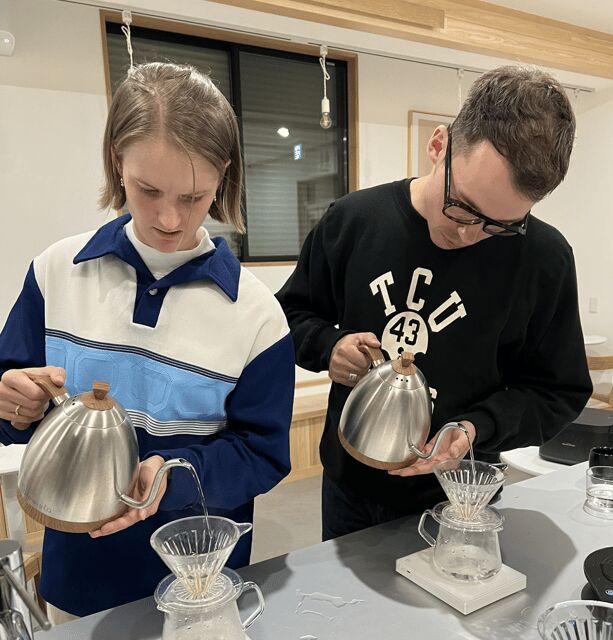
One of the best parts of a multi-method class is the built-in comparison. Here, you get coffee tasting comparisons across the workshop, using various coffee blends brewed during the session. This helps you avoid the common trap of picking one favorite without understanding why.
After cupping and then brewing multiple methods, you’ll have a better sense of:
- which flavors show up more in certain brewing styles
- how acidity, body, and aftertaste shift across methods
- what you personally enjoy, tied to specific sensory traits
I think this is where the workshop delivers real value. You’re not just collecting impressions. You’re learning a way to evaluate coffee. That matters when you’re shopping later, because you’ll know what to look for and what to avoid.
The option to purchase an exclusive coffee tasting kit can also be useful if you want to keep experimenting after the class. It’s not required, but if you like the structure of tasting and comparing, a kit can extend the learning.
Price and Value: Is $116 for Two Hours Worth It?
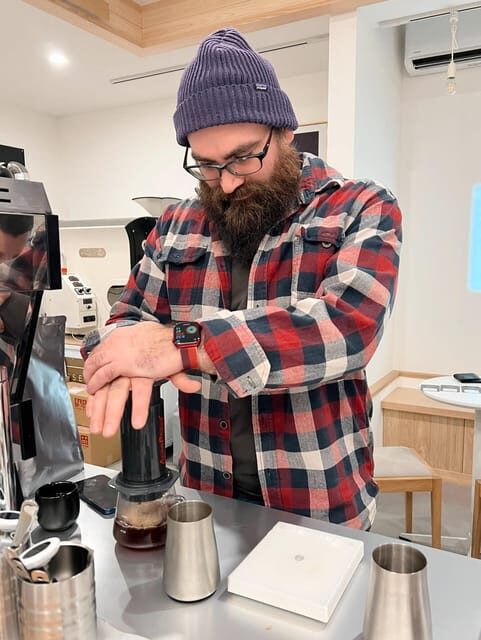
At $116 per person for a 2-hour workshop, you should ask one question: what are you actually getting for that money? In this case, you’re paying for structured instruction, guided cupping, hands-on brewing practice in three distinct methods, and all equipment for the session.
This is not a single demo where you watch and leave. You get:
- expert instruction from coffee professionals
- a guided cupping session focused on specific sensory categories
- practice with siphon, kyūsu, and hand drip
- quality beans and tasting comparisons during the class
- a comfortable workshop setting with what you need to participate
Also, the class is English and Japanese with instruction provided in both languages, which can be a genuine value boost if you’re trying to learn technique in a way that feels precise and clear. And the session is private group with limited participants, which usually means you get more time with the instructor when you need correction on technique.
If you’re a coffee hobbyist who wants a structured framework and multiple methods in one go, the price starts to make more sense. If you’re brand new and only want one method, you might feel like you’re paying for variety. But the comparisons are the point, so skipping them means skipping what makes the workshop useful.
Who This Japanese Coffee Workshop Fits Best (and Who Should Skip It)
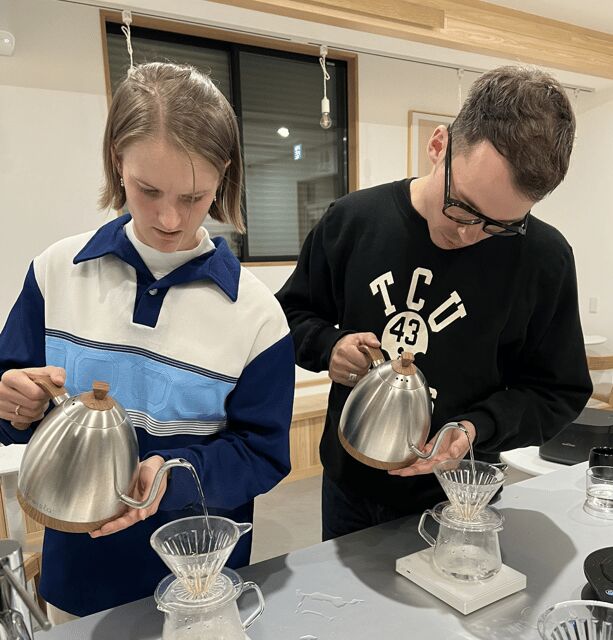
This workshop fits you best if you want hands-on learning and you like having your tasting ability trained. It’s also great if you’re in Tokyo and want something different from a museum or a standard food tour.
It’s especially suitable if you:
- enjoy coffee and want to improve technique, not just drink it
- like comparing flavors and learning why they change
- want English instruction in Japan, or Japanese instruction if you prefer that
- appreciate a calm, well-equipped teaching space
It’s not suitable for children under 16, so plan for an adult-focused schedule.
If your goal is to spend a long afternoon on only one brewing method, you may find the pacing intense. But if you want to leave with a toolkit of skills and a clearer idea of how different Japanese-style methods shape a cup, this is a strong format.
Practical Tips for Getting More Out of Your Session
Because this is a hands-on workshop, your attitude matters. Come ready to pay attention to small details like pour timing, the sensory part of tasting, and the way the method changes the cup.
Here’s how to make the most of those 2 hours:
- During cupping, focus on the categories you’re taught (aroma, acidity, body, aftertaste). Treat them like a checklist.
- When practicing each brew method, watch for what the instructor emphasizes in your technique, not just what tastes good.
- Taste after each method with the same mindset, so comparisons stay fair.
You’ll likely leave with a stronger ability to describe coffee you like, not just the vague preference of stronger or weaker. And that skill is useful everywhere, from cafés to buying beans.
Should You Book This Japanese Coffee Brewing Experience in Tokyo?
Book it if you want three Japanese-style brewing methods taught with structure, plus a guided cupping session that trains your senses in a practical way. The $116 price is easier to justify when you factor in instruction, equipment, multiple brew styles, and tasting comparisons, all in a calm Tokyo roastery setting.
Don’t book it if you only want one method, because the workshop is intentionally broad across siphon, kyūsu, and hand drip. Also, if you’re looking for a long, slow session, the 2-hour format may feel brief.
If you want to leave Tokyo with repeatable skills and a clearer way to taste coffee, this is the kind of class that actually pays off afterward.
FAQ
How long is the Tokyo Japanese coffee brewing workshop?
The workshop lasts 2 hours.
What’s included in the price?
The experience includes expert instruction, a cupping session, hands-on brewing workshops (siphon, kyūsu, and hand drip), tasting comparisons, quality coffee beans, and all necessary brewing and tasting equipment. All fees and taxes are included.
What brewing methods will I learn?
You’ll learn siphon, kyūsu 急須, and hand drip methods, with demonstration and hands-on practice for each.
Do I do a cupping session?
Yes. There’s a guided coffee cupping exercise where you learn how to identify aromas, acidity, body, and aftertaste.
What languages are available during the workshop?
The instructor supports English and Japanese.
Is the workshop private?
It’s offered as a private group with a limited group size for a more personalized experience.
Is the experience suitable for children?
No. It is not suitable for children under 16.
Can I cancel and get a refund?
Yes. Free cancellation is available up to 24 hours in advance for a full refund.
Is there an optional coffee tasting kit?
Yes. An exclusive coffee tasting kit is available for purchase (optional).