REVIEW · TOKYO
Best of Downtown Tokyo: Nature, Coffee, & Japanese Sweets Tasting
Book on Viator →Operated by DS Tours · Bookable on Viator
Tokyo slows down in Kiyosumi Shirakawa. This relaxed morning blends Kiyosumi Teien’s garden atmosphere with a neighborhood that still feels like real daily life, not a theme park. I love that the garden time isn’t just photos; you’re meant to slow your eyes down and notice what’s moving around the water and paths.
The coffee stop is the other big win. You’ll get freshly brewed coffee and a light breakfast, then finish with Allpress Espresso Tokyo-style third-wave energy before switching gears to two distinct Japanese sweets at the Futatsume-dori Origin Monument area. The main catch: this tour is not a match if you don’t like tea, coffee, or sweets, and it does include some walking with a moderate fitness level in mind.
In This Review
- Key highlights you’ll actually care about
- Kiyosumi Shirakawa at 9:00 am: a calmer Tokyo start
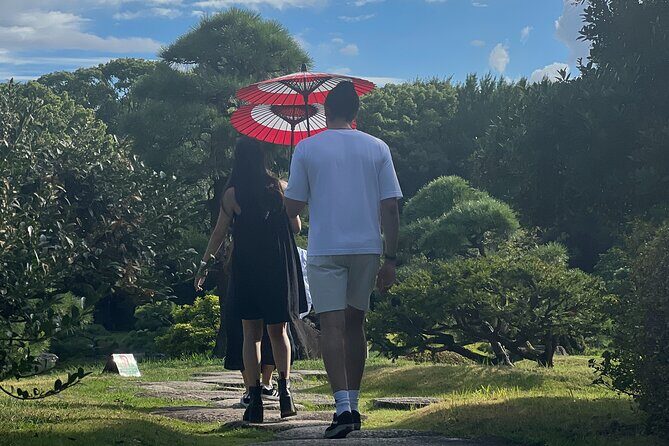
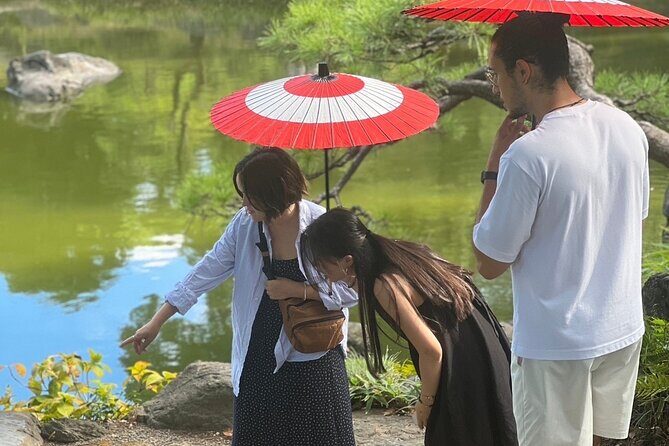
- Kiyosumi Teien Garden: feudal-lord peace and wildlife spotting
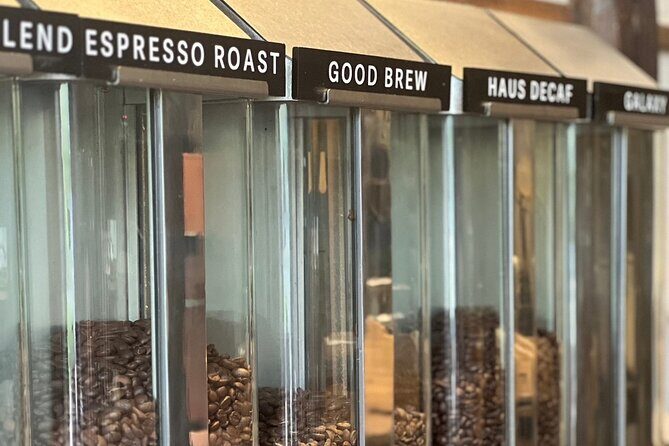
- Allpress Espresso Tokyo Roastery & Cafe: real third-wave coffee, not a gimmick
- Futatsume-dori Origin Monument: two-style Japanese sweets tasting
- What the $65.03 price buys you (and why it still can be good value)
- The guide touch: clear explanations and getting oriented fast
- Who should book this tour (and who should skip it)
- Getting from the start point to the end point without stress
- Should you book the Best of Downtown Tokyo: Nature, Coffee, & Japanese Sweets Tasting?
- FAQ
- Is the tour duration really about two hours?
- What’s included in the coffee and food parts?
- Is the garden admission included?
- What does the sweets tasting include?
- How big is the group?
- Where does the tour start and where does it end?
- Is there free cancellation?
Key highlights you’ll actually care about

- Kiyosumi Teien garden: traditional Japanese garden tied to a feudal lord and the Kyoho era
- Allpress Espresso Tokyo Roastery & Cafe: third-wave coffee atmosphere with a real roastery feel
- Two-style sweets tasting: something modern plus something traditional, with tour guidance
- Small group size (max 5): easier pace, more time to ask questions, less rushing
- Close to central sights, far from crowds: a downtown Tokyo morning that feels calmer
Kiyosumi Shirakawa at 9:00 am: a calmer Tokyo start
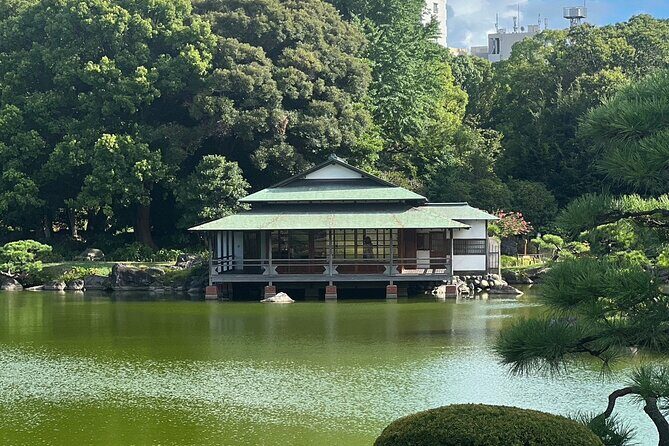
If you’re arriving in Tokyo and feeling a little punch-drunk from the biggest sights, this is a smart reset. Kiyosumi Shirakawa sits in “downtown Tokyo” territory, but it doesn’t feel like you’re being swept into the loudest tourist loops. The whole idea is to start your day at a relaxed pace and let the neighborhood lead the schedule.
The group stays small—up to five people—so the tour can stay conversational instead of turning into a nonstop slideshow. That matters here because the experience hinges on small details: what to look for in the garden, how to order and enjoy your coffee, and what you should pay attention to when you’re tasting sweets.
You’ll also be walking enough to feel like a real neighborhood stroll. The tour calls for moderate physical fitness, so it’s not for you if you want zero movement, but it’s not an intense hike either. Think: steady, comfortable morning walking with breaks built in.
You can also read our reviews of more food & drink experiences in Tokyo

Kiyosumi Teien Garden: feudal-lord peace and wildlife spotting
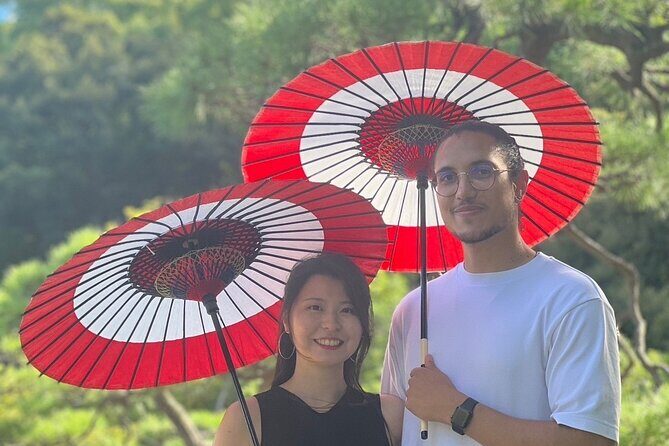
The tour begins at Kiyosumi Teien, a traditional-style garden built by a feudal lord during the Kyoho era. That sets the tone right away: this isn’t just “pretty landscaping.” Your guide is there to explain key historic points and landmarks so the garden feels grounded in place, not just pretty screens for your camera roll.
This is also where the tour’s “slow down” energy really pays off. You’re there for about an hour, and it’s long enough to move at garden pace, pause for views, and take in the water and paths without feeling like you’re sprinting through.
One reason this stop lands well is what people notice when they’re paying attention. In the garden, you may spot wildlife like birds and fish, and even a snapping turtle mentioned in guide storytelling. You don’t need to be an expert to appreciate it—you just need to look where your guide points.
What I’d watch for: Kiyosumi Teien’s admission ticket is not included in the tour price. So you’ll want a little cash or card readiness for that entrance cost. It’s not a deal-breaker, but it’s part of the total budget for the day.
Allpress Espresso Tokyo Roastery & Cafe: real third-wave coffee, not a gimmick

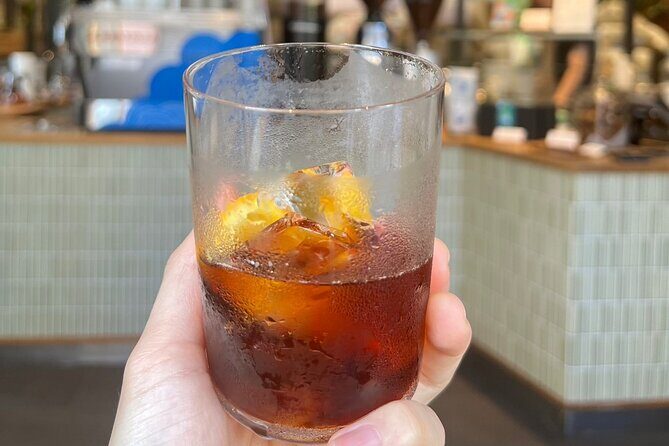
After the garden quiet, you’ll move into the coffee world at Allpress Espresso Tokyo Roastery & Cafe. Kiyosumi Shirakawa is described as the birthplace of Japan’s third-wave coffee scene, and Allpress is the flagship place to experience that mindset up close.
This stop runs about 30 minutes. In that time, the goal isn’t to lecture you about beans—it’s to help you order and enjoy freshly brewed coffee as part of the morning rhythm. You’ll also have a light breakfast of your choice here, which is a big deal for two reasons. First, it keeps the day comfortable (no empty-stomach jitters). Second, it makes the coffee culture feel practical, not ceremonial.
The best part is that this isn’t “coffee tasting tourism.” It’s a neighborhood roastery-cafe stop where you can observe how people actually do coffee: quick, focused, and everyday. If you like your travel days to include good food and simple rituals, this works.
One small consideration: admission is listed as not included for this segment as well. The good news is that coffee and your light breakfast are described as part of the experience, so the “extra” cost is more about any individual purchases and any specific items beyond what’s included. Still, I’d skim the details when you book so you know what’s covered and what’s optional.
Futatsume-dori Origin Monument: two-style Japanese sweets tasting
The final stop is on Futatsume-dori, near the Kiyosumi-dori area and the Origin Monument. Here, the tour shifts from coffee and calm visuals into tasting mode. You’ll eat two distinct Japanese sweets—one modern and one traditional.
This is the stop that turns the tour into a memorable food moment instead of a “nice stroll.” The guide promises that secrets will be revealed, and the structure supports that. You don’t just grab sweets and move on. You get context for what makes each style different, and what to notice as you taste.
The modern choice versus the traditional choice is also a smart way to get variety without overwhelm. You can learn how Japanese sweets can range from refined classics to newer takes, and the origin-location setting helps the tasting feel tied to the neighborhood rather than imported from elsewhere.
What to expect: this segment is about 30 minutes and is food-focused, so come with at least a little appetite. If you’ve already eaten a heavy breakfast, you may have to slow down your pace and choose smaller bites.
Also: as with other stops, admission is listed as not included. For this segment, that usually means the tasting items themselves are what you’re paying for within the tour flow, while any separate ticketed entries (if any) would be your responsibility. Keep an eye on what’s actually included when you confirm your booking.
What the $65.03 price buys you (and why it still can be good value)
At $65.03 per person for about two hours, this tour is priced like a small, guided neighborhood experience—not like a long, multi-stop extravaganza. The best value comes from what’s included in the morning flow: the garden visit (with a guide explanation), coffee plus a light breakfast, and a two-style Japanese sweets tasting.
The small group size (max five) is also part of the value. With fewer people, the guide can explain points at the pace you need. That matters at Kiyosumi Teien, where noticing details is the point, and at the coffee stop, where it helps to have someone steer you through a roastery-cafe situation.
There are also costs to plan for because not every “admission” element is included. Kiyosumi Teien is explicitly not included for admission. If you’re budget-tight, check what you’ll pay at the gate and treat the tour as a guided food-and-culture morning with one extra ticket cost.
One more practical value note: this tour runs at 9:00 am. Getting out early often means less crowd pressure, which can make the experience feel more relaxed even if you’re in a busy city.
A few more Tokyo tours and experiences worth a look



The guide touch: clear explanations and getting oriented fast
A tour like this lives or dies by the guide’s ability to make you look at the right things. In the feedback around this experience, Daisy is mentioned for explanations that are clear and interesting. That’s the kind of guiding that changes a garden walk into something you remember, and it turns ordering coffee into something less intimidating.
There’s also a practical orientation story that matters. One person arrived with an Uber drop-off that didn’t put them at the garden entrance, but it was still easy to find once Daisy gave directions. That’s exactly what you want from a city tour guide: help when reality (traffic, ride-share drop-offs, confusing streets) doesn’t match the map.
So if you like guided experiences where someone helps you get your bearings fast, this fits that style well.
Who should book this tour (and who should skip it)
This tour is a good match if you want a Tokyo morning that mixes nature, coffee culture, and sweets without the sprinting. You don’t need special knowledge to enjoy it. If you like gardens, like coffee (especially third-wave style), and enjoy trying Japanese sweets, you’ll get a lot out of the structure.
It’s also a smart pick if you feel overwhelmed by Tokyo’s biggest-name attractions. This is a way to see a local side of the city while still keeping things close to where you can move on afterward.
Skip it if:
- You don’t like tea, coffee, or sweets
- You prefer long, heavy-history museum-style tours instead of a short food-and-neighborhood route
- You want zero walking (the tour calls for moderate physical fitness)
Getting from the start point to the end point without stress
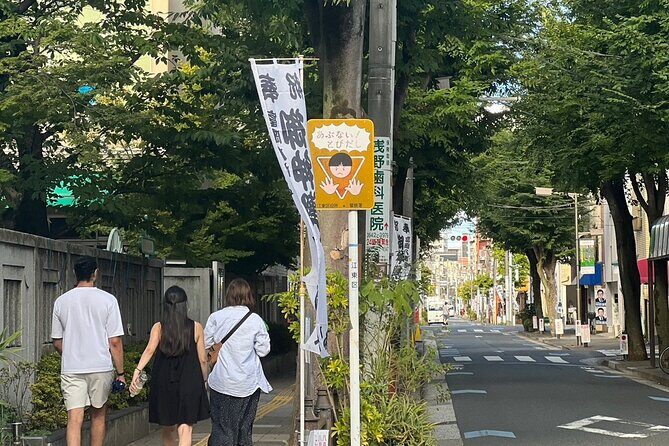
The tour starts at 3-chōme-3 Kiyosumi in Koto City, Tokyo, at 9:00 am. The route ends near a noodle shop area: 麺屋 宮本 in Shirakawa, Koto City. There are multiple stations in Kiyosumi Shirakawa, and the guide assists you in choosing the best one to reach your destination afterward.
That last bit matters. Tokyo station choices can turn a simple trip into a mental puzzle. Having guidance at the finish helps you keep the day smooth, especially if you’ve just eaten coffee and sweets and want to move on quickly.
Should you book the Best of Downtown Tokyo: Nature, Coffee, & Japanese Sweets Tasting?
I’d book this if you want a compact, high-reward morning that feels local and relaxed. The combination is strong: Kiyosumi Teien gives you nature and atmosphere, Allpress Espresso Tokyo brings real coffee culture, and the sweets tasting keeps it fun and memorable.
I wouldn’t book it if you’re skipping coffee/tea or sweets, or if you need a tour with fully ticket-included sights. The garden admission being not included is the one budget factor to plan for.
One last reason to consider it: with a small group and a start time of 9:00 am, you’re set up for an easier Tokyo day. If you like your travel experiences to be practical, flavorful, and calm, this is a very good bet.
FAQ
Is the tour duration really about two hours?
Yes. The tour is listed as approximately 2 hours total, with time set aside for the garden, coffee stop, and sweets tasting.
What’s included in the coffee and food parts?
The experience description says you’ll enjoy freshly brewed coffee and a light breakfast of your choice, plus a sweet or savory Japanese treat of your choice. The final segment also includes eating two distinct Japanese sweets.
Is the garden admission included?
No. The Kiyosumi Teien stop notes that the admission ticket is not included.
What does the sweets tasting include?
The tour includes two distinct Japanese sweets, described as something modern and something traditional, eaten during the final stop near the Futatsume-dori (Kiyosumi-dori) Origin Monument area.
How big is the group?
The experience has a maximum group size of 5 travelers.
Where does the tour start and where does it end?
It starts at 3-chōme-3 Kiyosumi in Koto City, Tokyo, and ends near 麺屋 宮本 in Shirakawa, Koto City.
Is there free cancellation?
Yes. You can cancel for a full refund if you cancel up to 24 hours in advance of the experience start time.