REVIEW · TOKYO
Tokyo’s Neighborhood Digs: Coffee, Records & Vintage Vibes
Book on GetYourGuide →Operated by Pinpoint Traveler · Bookable on GetYourGuide
Vintage Tokyo hides in plain sight. This 4-hour neighborhood walk connects subculture streets with story-driven stops across Shimokitazawa, Kichijoji, Koenji, and Nakano, so you’re not just sightseeing—you’re reading the city like a zine. I love how the guide points you toward real lanes for vintage shopping and collector-style browsing, then ties what you see to how these areas changed over time.
My other favorite part is the food-and-pop-culture mix: you’ll sip a coffee at an independent cafe in Kichijoji, then go from indie street style toward anime, manga, and retro-game treasure hunting at Nakano Broadway. One watch-out: it’s a fair amount of walking and each area gets a set time slot, so if your goal is slow, hours-long browsing, you may feel a bit rushed.
In This Review
- Key highlights you’ll care about
- Shimokitazawa Station and the Postwar-to-Vintage Street Feeling
- Kichijoji Coffee Stops and Bubble-Era Clues in the Architecture
- Koenji Backstreets: Indie Shops, Social Shifts, and Tattoo-Ready Style
- Nakano Broadway for Anime, Manga, and Retro Game Collecting
- The Included Coffee, Transit, and Shop Access: Does $83 Feel Fair?
- Walking, Photos, and What to Bring for a Smooth Half-Day
- Who This Tour Suits Best (and Who Might Want Something Else)
- Should You Book Tokyo’s Neighborhood Digs?
- FAQ
- How long is the Tokyo neighborhood tour?
- Where do you meet the guide?
- Is coffee included?
- What areas does the tour cover?
- Are flash photos allowed?
- Is this tour suitable for wheelchair users or mobility impairments?
Key highlights you’ll care about
- Four neighborhoods in four time slices: Shimokitazawa (1h), Kichijoji (1h), Koenji (40m), Nakano City/Broadway (40m)
- English guide with personal explanations, including insider-style shop guidance
- Coffee included at a local cafe in Kichijoji
- Exclusive access to vintage shops and indie boutiques (so you spend less time guessing where to go)
- Collector-friendly stops for vintage fashion, music, cameras, anime, manga, and retro games
- Small groups or private options, for a more adjustable experience
Shimokitazawa Station and the Postwar-to-Vintage Street Feeling
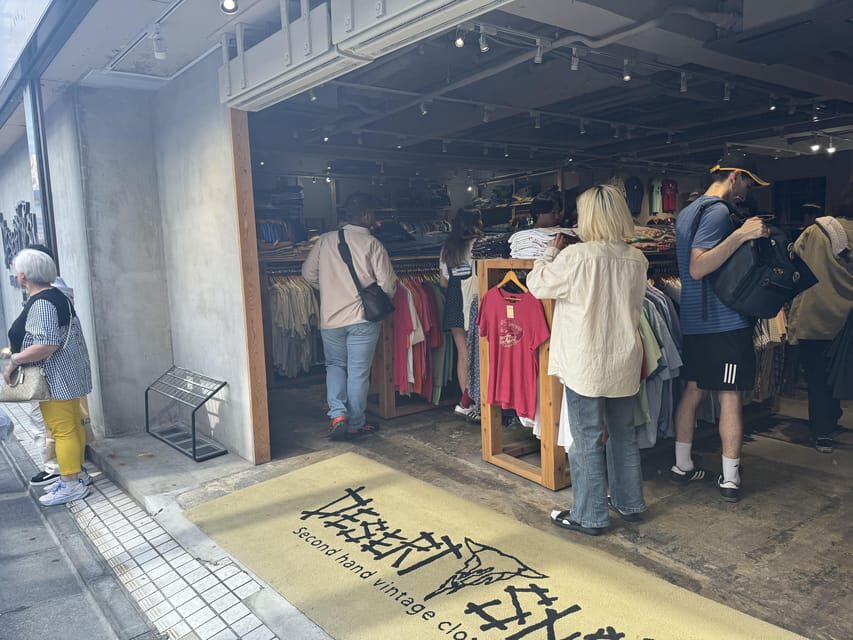
You start at Shimo-Kitazawa Station (Odakyu Line East Exit). From the first steps, Shimokitazawa feels like Tokyo doing its best impression of a creative backyard: smaller streets, independent stores, and a mix of students, stylists, and people who know what they’re looking for.
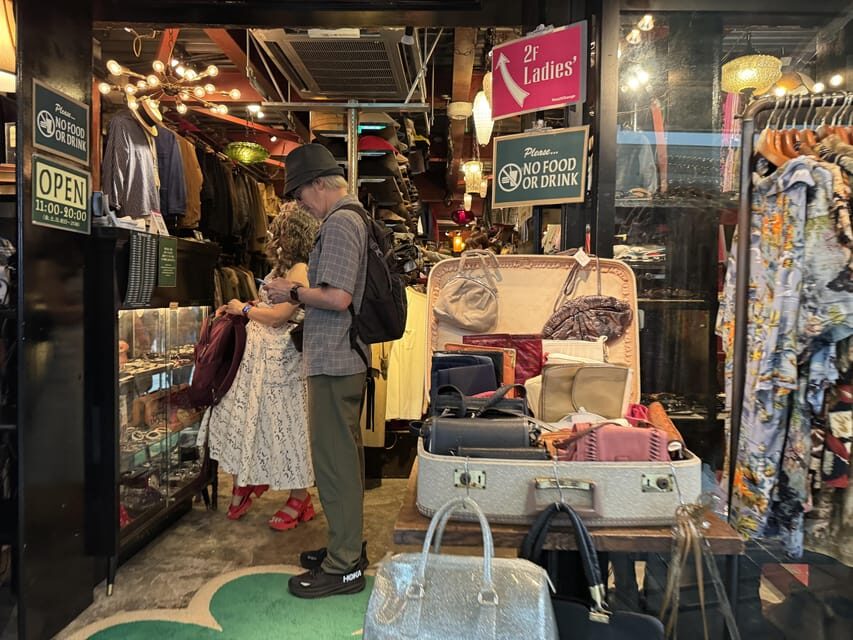
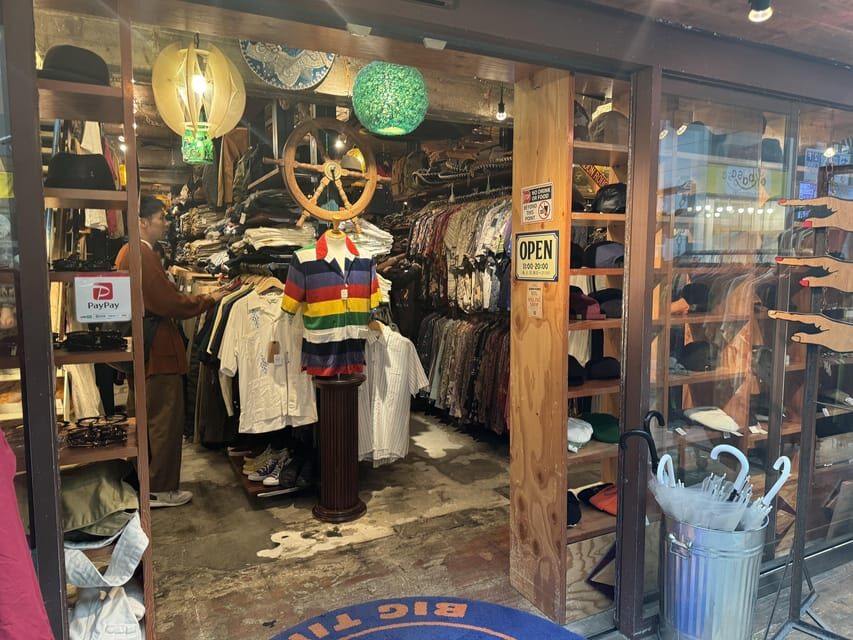
This is the place I’d send you if you love clothes with character. Expect guided time focused on vintage treasures—the kind of finds that don’t feel like replicas of the past, but like reused memories. The guide’s job here is important: vintage shopping in Japan is fun, but it’s also easy to wander aimlessly. You’ll get direction on what to look for and how the area’s postwar evolution helped it become a hub for independent artists.
What to watch for: this first stop sets your pace for the whole tour. If you want photos, do it early before you’re deep into shopping bags and trying-on. Comfortable shoes matter a lot more here than you think.
A few more Tokyo tours and experiences worth a look


Kichijoji Coffee Stops and Bubble-Era Clues in the Architecture
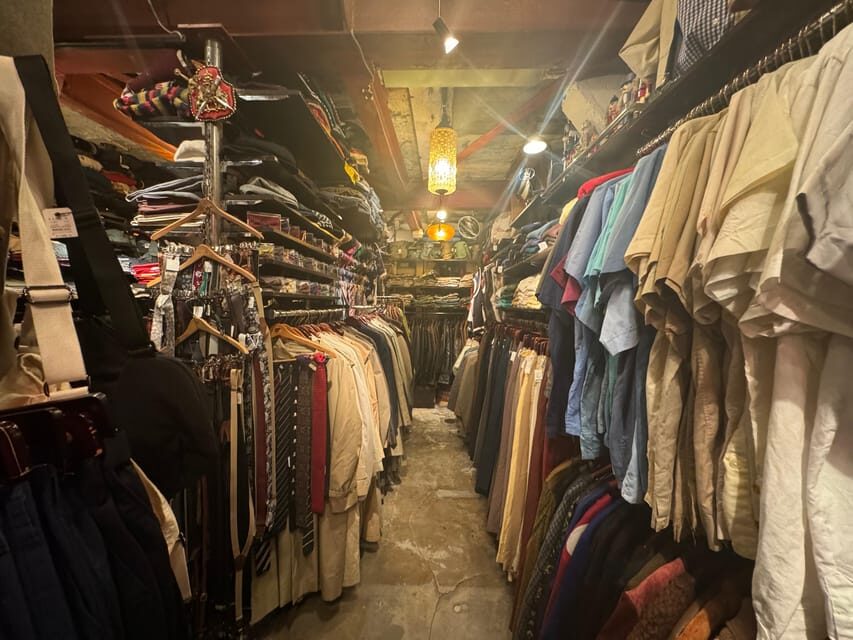
Next you head to Kichijōji for a relaxed contrast. Compared with Shimokitazawa’s scatter of indie energy, Kichijōji has a calmer, slightly softer vibe—still subculture, just easier to breathe in.
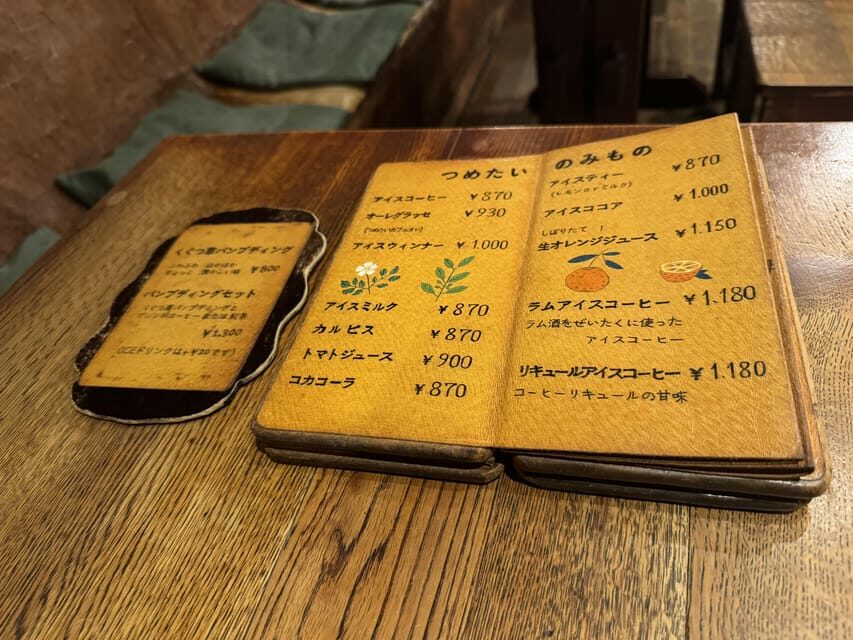
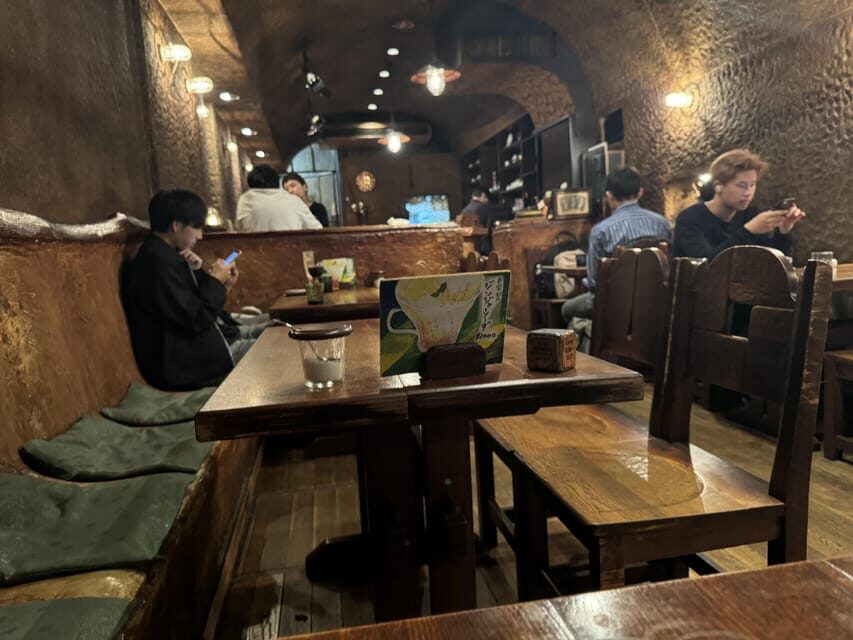
This is where you’ll get the included coffee at a local cafe. I like this break because it turns the tour from pure walking into a real pause. You’ll also get the kind of context that makes a neighborhood feel less random: the area was influenced by the economic bubble era, and you can see that shift in how the neighborhood grew and how it reads today.
Why this stop is valuable: Tokyo’s coffee scene is constantly evolving, but local cafes are where that change shows up first. A guided coffee stop helps you avoid the trap of only chasing famous chains. You get to taste the neighborhood’s everyday personality.
Possible drawback to consider: Kichijōji is set as one hour. If you fall in love with a cafe or a shop you’re not ready to leave, you’ll have to decide fast. The tour is designed for variety across four neighborhoods, not for lingering at one perfect place.
Koenji Backstreets: Indie Shops, Social Shifts, and Tattoo-Ready Style
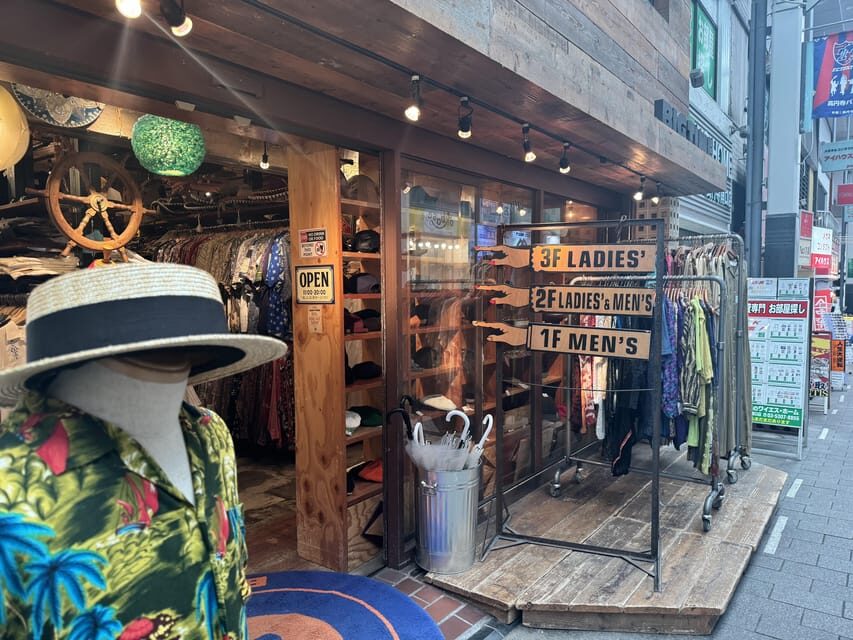
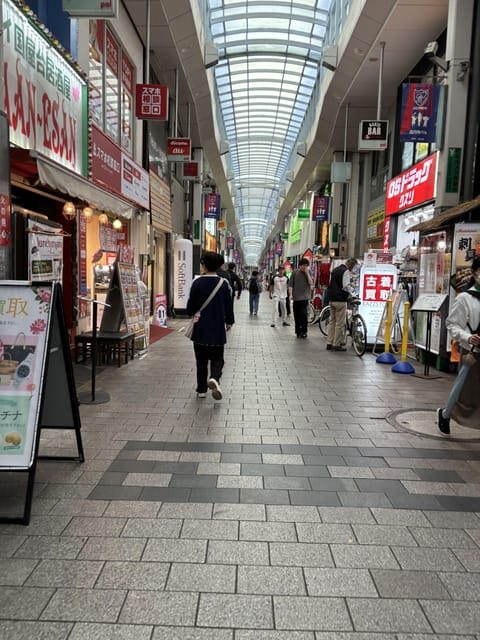
Then it’s Koenji, where the energy ramps up again. Koenji feels like creativity you can trip over—more indie boutiques, more street-level style talk, and more people exploring fashion as identity.
You get guided time through the maze-like streets, with shopping built into the flow. This is also where the tour’s history angle becomes practical: you’ll hear about changing social norms and how that environment helped tattoo parlors become more visible in the district. That detail isn’t trivia—it helps explain why Koenji still feels like it welcomes alternative aesthetics.
What you’ll likely notice: style here doesn’t seem to chase one trend. You’ll see experimentation in clothes and accessories, and you’ll probably spot record-and-music culture references in storefronts and signs. Even within a short 40 minutes, the point is to help your eyes learn what to look for.
A realistic expectation: 40 minutes is short. Use it like a sprint for selection, not a slow browse for everything. If the guide suggests a specific alley or shopfront, go when they say go—Koenji’s layout rewards quick direction.
Nakano Broadway for Anime, Manga, and Retro Game Collecting
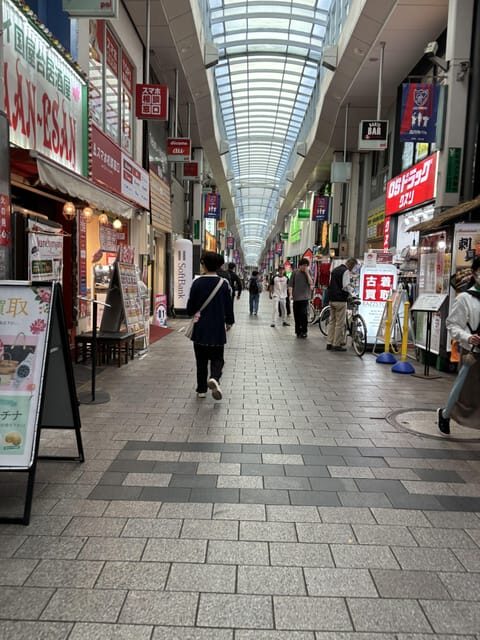
Finally, you land in Nakano City for the collector’s hour split into focused browsing time. Nakano Broadway is the kind of place where you can spend way more money than you planned—rows of shops, lots of pop-culture inventory, and plenty of nostalgia packed into one blocky universe.
This is where the tour fits perfectly with the theme name: anime, manga, and retro game treasures. You’ll also find vintage cameras and other collectibles. The guide ties this scene to the bubble era and explains why that era’s effects have echoed through Japanese entertainment culture, so you’re not only buying or photographing—you’re understanding what you’re looking at.
How to make the most of your time: bring a sense of purpose. If you’re hunting anime merchandise, cameras, or older game items, pick one category before you walk in. With 40 minutes, you’ll do better finding one great item than scanning everything.
Small caution: this is the stop most likely to tempt impulse buys. It’s not a criticism of you—it’s the environment. If you’re budget-conscious, set a limit before you arrive and treat each shop like a high-speed search.
The Included Coffee, Transit, and Shop Access: Does $83 Feel Fair?
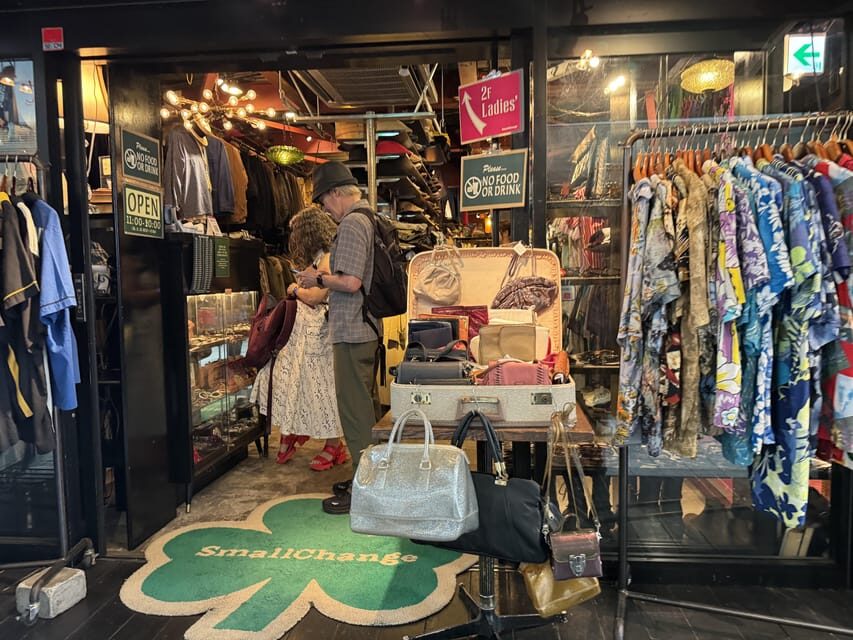
At $83 per person for 4 hours, the value mostly comes from what you don’t have to plan. Your tour includes guided time across four distinct neighborhoods, transit, coffee at a local cafe, and exclusive access to vintage shops and indie boutiques. That mix matters because Tokyo’s best neighborhoods aren’t always “obvious” from the street.
Here’s the practical way to think about it: if you tried to do Shimokitazawa, Kichijōji, Koenji, and Nakano Broadway on your own, you’d spend real time figuring out routes, finding the right side streets, and learning which shops are actually worth entering. This tour compresses that learning into a single half-day.
Is it a bargain? For the specific vibe you’re paying for—guided subculture context plus curated shopping access—it’s reasonable. If your goal is only classic sightseeing landmarks, you might feel like you’re paying for shopping-heavy content. If you want street-level Tokyo with collectors’ energy, the price makes more sense.
One more value point: guides can adjust in real time. In feedback tied to this experience, guides such as Ryuhki and Hiro are praised for being friendly, giving lots of interesting city and culture information, and showing genuinely cool shops. That sort of personalization is what turns a tour from a checklist into a useful afternoon.





Walking, Photos, and What to Bring for a Smooth Half-Day
This tour is built on movement. You’ll cover multiple neighborhoods on foot, and the simple truth is that good shoes are non-negotiable.
Bring:
- Comfortable shoes
- Camera
- Sunscreen
- Water
On the rules side: smoking isn’t allowed, and flash photography isn’t allowed. If you’re the type who shoots lots of indoor photos, remember that this affects how you handle camera settings. Plan to use natural light and keep your camera ready without the flash.
Also, note that the tour isn’t suitable for people with mobility impairments or wheelchair users. The walking and neighborhood layouts are part of what makes it work.
Who This Tour Suits Best (and Who Might Want Something Else)
This tour is a great fit if you want Tokyo that feels lived-in: vintage fashion, music culture vibes, and pop-culture collecting. You’ll get exactly the kind of neighborhood variety that makes first-time Tokyo feel less overwhelming, because each area has a distinct personality.
It’s also ideal if you like to shop, but you don’t want to spend your entire trip figuring out what’s worth your time. The guided approach helps you avoid random browsing and focus on what the neighborhoods are known for.
You might choose differently if you:
- want mostly major temples and landmark-style sightseeing
- dislike shopping or prefer museum-only experiences
- need long rests or minimal walking
Should You Book Tokyo’s Neighborhood Digs?
If you’re planning Tokyo for a few days and you want a half-day that feels real, this is an easy yes. The combination of vintage and pop-culture stops, plus coffee and guided context, creates a tour that’s more than just transportation between points. You’ll leave with ideas for what to explore next, and you’ll understand why these neighborhoods developed the way they did.
Book it if your travel style includes street scenes, records and retro finds, and the joy of hunting for the one item you didn’t know you wanted. Skip it if you want a car-free day with zero shopping pressure and long museum time—this is designed for wandering with purpose.
FAQ
How long is the Tokyo neighborhood tour?
It runs for 4 hours.
Where do you meet the guide?
You meet at Shimo-Kitazawa Station, Odakyu Line East Exit.
Is coffee included?
Yes. Coffee at a local cafe is included.
What areas does the tour cover?
The tour covers Shimokitazawa, Kichijōji, Koenji, and Nakano City.
Are flash photos allowed?
No. Flash photography is not allowed.
Is this tour suitable for wheelchair users or mobility impairments?
No. It isn’t suitable for people with mobility impairments or wheelchair users.