REVIEW · TOKYO
Japanese Home Styled Cooking Class in or around Shinjuku, Tokyo
Book on Viator →Operated by Home-style Authentic basic Japanese Cooking Class & Experience of Japanese culture · Bookable on Viator
A home-cooked dinner in Tokyo beats a selfie. This Japanese home-style cooking class in/near Shinjuku is built around hands-on practice, cooking a small set of familiar dishes, then eating what you made together. I like that you get 3-4 authentic dishes you can realistically recreate later, and I also like the built-in culture lesson that explains why Japanese meals work the way they do.
One thing to consider: menu choice is flexible, but not always guaranteed. You can select among four menu options when you book, though you may not be able to choose if another group is also in the same class that day.
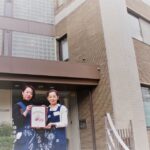
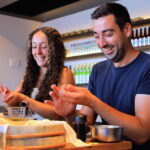
If you’re wondering whether it’ll feel touristy, the vibe is closer to a real kitchen hangout. Past sessions have been led by friendly English-speaking hosts such as Lulu and Erica, and in other classes Chieko-San has been the one guiding guests through the food and the steps. Expect helpers to support the group and even capture photos along the way.
In This Review
- Key highlights
- Japanese home cooking in Shinjuku: what makes it worth your time
- What you’ll cook: 3-4 real dishes, not just “Tokyo-themed” food
- How the class runs: from ingredient setup to finishing your meal
- The culture lesson you can actually use
- Meeting your host: what the vibe feels like with Lulu, Erica, and Chieko-San
- What you take home: recipe sheets that turn dinner into a future meal
- Price and value: is $89.99 a good deal?
- Timing, location, and how to fit it into your Shinjuku night
- If you have dietary needs, this is the right kind of question to ask now
- Who should book this cooking class (and who might choose differently)
- Should you book this Japanese Home Styled Cooking Class in/around Shinjuku?
- FAQ
- What dishes will I cook?
- How long is the cooking class?
- What’s included in the price?
- Is transportation included?
- How big is the group?
- What if the weather is bad or the class is canceled?
Key highlights
- Hands-on cooking for 3-4 dishes Japanese people actually eat at home
- Tools and ingredients provided, so you’re not hunting for supplies around Shinjuku
- Take-home recipe sheets you can use after your trip
- Menu choice from four popular options, with limits depending on group mix
- English-speaking hosts and assistants who keep the class moving
- Max 12 travelers, which helps you get attention when you need it
Japanese home cooking in Shinjuku: what makes it worth your time
Shinjuku can be loud and fast. This class slows your evening down on purpose. Instead of walking through Tokyo and trying to interpret menus, you’re working with real ingredients and real techniques, the way a Japanese household would teach them: start simple, practice the basics, and build confidence as you go.
The best part for me is the practical outcome. You don’t just taste dinner; you learn how to make it. That’s what turns the experience from a one-time activity into a repeatable skill—especially because you leave with recipe sheets for the dishes you cooked.
Also, the class is designed for groups without feeling chaotic. With a maximum of 12 travelers, you’re close enough to the action that you can follow the steps and ask questions, but you’re not packed in like a factory line.
You can also read our reviews of more cooking classes in Tokyo

What you’ll cook: 3-4 real dishes, not just “Tokyo-themed” food
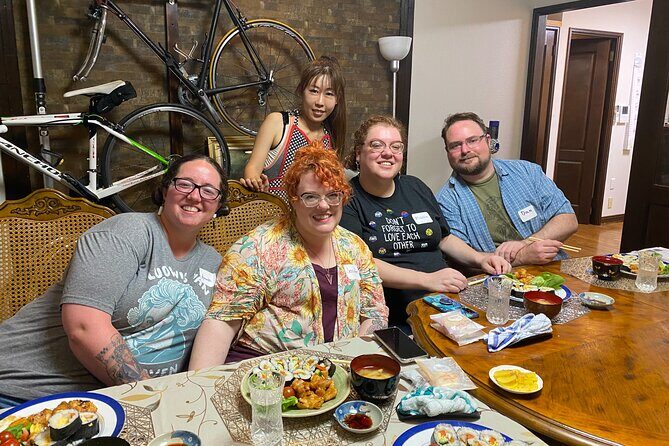
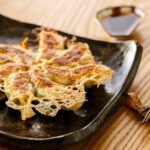
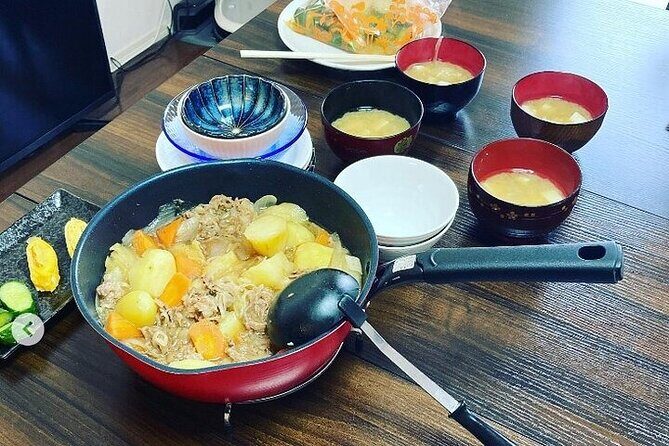
The class centers on learning basic but authentic home-style Japanese cuisine. You’ll prepare 3-4 dishes chosen from four menu options offered at booking. The menu options are described as well-known, popular dishes from Japan—think comfort foods and everyday favorites rather than fancy showpieces.
Here’s the key detail for planning: the menu you cook depends on how the day’s groups are arranged. When you book, you can choose one of four options, but the info specifies that this selection is only possible in certain situations—specifically, if you (or your group) is the only group attending that day. If another group joins, you may not be able to choose.
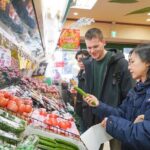
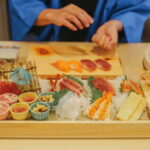
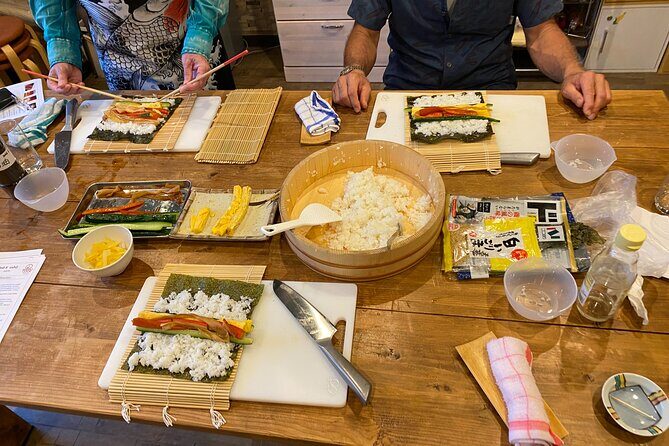
In past sessions, dishes included things like sushi and a green bean salad—which is a great sign if you want food that’s recognizable and not overly technical. Still, don’t assume those exact dishes are guaranteed for your date. Expect the instructor to guide you through whichever popular option(s) are available for that session.
How the class runs: from ingredient setup to finishing your meal
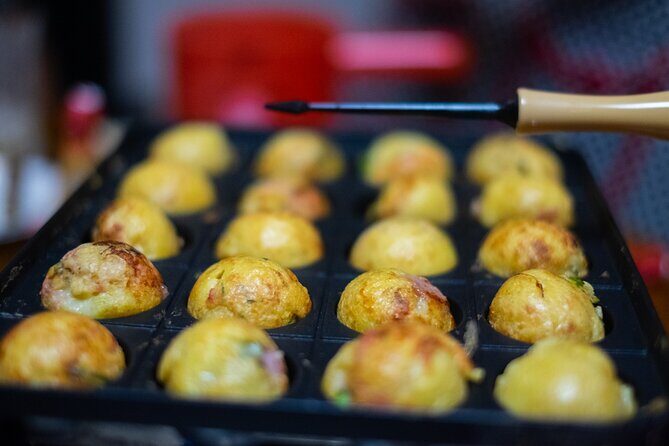
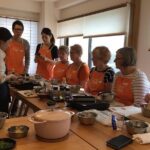
You get a guided, hands-on cooking experience over about 2 hours 30 minutes total. The class includes both cooking and eating what you made, so the timing feels complete rather than rushing you out at the midpoint.
One reason this class works well is that the host prepares ingredients beforehand. That means you spend your energy cooking—not chopping for the first 30 minutes while everyone waits. You’ll still do real hands-on steps, but the structure is smoother.
During cooking, helpers often circulate to keep things moving and to assist the group when questions pop up. In some sessions, they also take photos for guests, which is a nice touch when you’re focused on your cutting board and can’t stop to document everything.
At the end, you sit down and enjoy the meal as a group. This is where it clicks: Japanese home cooking isn’t just about taste—it’s about balance, texture, and technique working together. Even without getting “lecture-y,” you’ll come away understanding why the recipes are built the way they are.
The culture lesson you can actually use
Japanese cuisine has a reputation for being precise. This class explains the background, but in a practical way—more like, why this ingredient matters and how a Japanese household thinks about meals, rather than a history textbook.
You’ll also learn about the history and culture behind Japanese cuisine as part of the experience. That might sound broad, but what matters for you is how it changes your approach when you cook at home. Instead of copying a dish blindly, you start to understand the logic behind seasoning, timing, and how flavors get layered.
The hosts make this easier. Based on past experiences, English communication is strong, and questions are welcomed. If you’ve ever tried to follow a Japanese recipe and got stuck on terms or techniques, that kind of guided clarity is exactly what you want.
Meeting your host: what the vibe feels like with Lulu, Erica, and Chieko-San
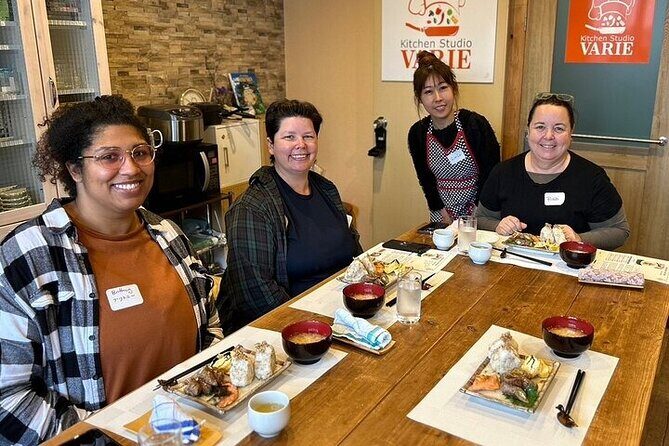
Different guides bring different energy, but the overall tone described for this class is warm and welcoming. Hosts such as Lulu and Erica have led sessions filled with laughter and clear instruction. Another guide, Chieko-San, has been praised for speaking English well and for being able to answer questions directly.
Why does that matter? Because Japanese cooking often has “small” technique differences that can change results. In a class like this, you can ask: Is my consistency right? Should I adjust heat now? What does this step accomplish? With someone actually there to explain, you get faster progress than you would from a video.
The group element also helps. With up to 12 people, you’re not just watching your instructor—you’re also learning from the rhythm of the room. Even if you’re a solo traveler, the class format keeps you from feeling awkward or lost.
A few more Tokyo tours and experiences worth a look




What you take home: recipe sheets that turn dinner into a future meal
Recipe sheets are included, and that detail matters more than it sounds. In Japan, it’s easy to enjoy food and then forget the exact proportions or steps by the time you get home. These printed recipes are meant to keep on giving—so you can recreate the dishes later when you’re craving the taste of your trip.
Even better: because you cooked the dishes yourself, the recipes feel understandable, not random. If you know what the mixture should look and how the flavors should develop, the recipe becomes a guide you can trust.
You’ll also leave with a confidence boost. Home-style cooking teaches fundamentals: how to manage timing, how to handle common ingredients, and how to follow a process from start to finish. That’s the kind of learning that pays off on a future Tokyo trip—or a weekend dinner at home.
Price and value: is $89.99 a good deal?
At $89.99 per person, this isn’t the cheapest activity in Tokyo—but it’s also not pretending to be a “budget ticket” to a factory workshop.
Here’s what you’re paying for, based on what’s included:
- cooking tools and ingredients are provided
- you cook 3-4 dishes
- you eat what you make
- you get recipe sheets to take home
When you compare that to the real cost of buying ingredients, plus the time of a trained instructor plus the value of structured guidance, the price starts to make sense—especially if you’re staying in central Tokyo and you don’t want to spend time shopping.
It’s also a good value if you want more than one dish. Many “single dish” classes can feel narrow. This one is built around a fuller meal experience, and the time is long enough to actually learn rather than just sample.
Timing, location, and how to fit it into your Shinjuku night
The meeting point is in/near 2-chōme-5-1 Yoyogi, Shibuya (near Shinjuku), and the class ends back at the meeting point. It’s stated as near public transportation, so you should be able to plan your arrival without needing private transport.
Expect the whole experience to run about 2 hours 30 minutes. That makes it a smart option for an evening or early night plan—especially if you’re looking for something that feels more personal than a standard dinner.
If you’re pairing it with other plans, I’d recommend giving yourself a little buffer before and after. Cooking classes can run smoothly, but you’re also learning, tasting, and taking photos—so your timeline won’t be as rigid as a train schedule.
If you have dietary needs, this is the right kind of question to ask now
If you have food allergies, the class info says you should let them know in advance. The host can discuss menu options and what choices will be available to you.
That’s a meaningful detail. Japanese dishes can involve common ingredients that vary by household and recipe, and substitutions aren’t always simple. The best move is to message your needs early so the instructor can plan the safest possible menu for your group.
Who should book this cooking class (and who might choose differently)
This is a strong choice if you:
- want hands-on learning, not just tasting
- like the idea of cooking several dishes, then eating together
- want take-home recipes you’ll actually use
- prefer smaller group settings (max 12)
It may be less ideal if you:
- expect guaranteed menu choice every time (selection can depend on other groups attending)
- want a class that’s only about one specific dish you already know you want
It’s also a good fit for couples, small groups, and solo travelers. The structure helps you meet people without forcing awkward icebreakers, and the cooking tasks give everyone something shared to focus on.
Should you book this Japanese Home Styled Cooking Class in/around Shinjuku?
If you like food you can recreate, book it. This isn’t only about eating in Tokyo—it’s about learning how to make Japanese home-style dishes in a way that sticks.
Choose it especially if you want a calmer, more authentic evening in central Tokyo. The combination of provided tools and ingredients, a small group size, English-speaking guidance from hosts like Lulu, Erica, or Chieko-San (depending on the date), and included recipe sheets makes it one of those activities that can pay off long after you leave Japan.
If you’re sensitive about allergies or you care deeply about which menu option you cook, message in advance and confirm how menu selection works for your specific day. That one step will help you walk in confident.
FAQ
What dishes will I cook?
You’ll learn to cook 3-4 authentic home-style Japanese dishes, selected from one of four menu options you can choose during booking. Your exact menu may depend on whether other groups attend the same class that day.
How long is the cooking class?
The experience runs about 2 hours 30 minutes. You’ll cook and then enjoy the meal together at the end.
What’s included in the price?
The price includes all fees and taxes, plus cooking tools and ingredients. You’ll also receive recipe sheets to take home.
Is transportation included?
No. Private transportation is not included. The meeting point is described as near public transportation.
How big is the group?
This activity has a maximum of 12 travelers, so it stays small enough for hands-on instruction.
What if the weather is bad or the class is canceled?
The experience requires good weather. If it’s canceled due to poor weather, you’ll be offered a different date or a full refund. The class can also be canceled if a minimum number of travelers isn’t met, with the same type of alternative or refund offered.