REVIEW · KYOTO
Sekka Cotton Furoshiki Class
Book on Viator →Operated by Kyoto Shibori Museum · Bookable on Viator
A cotton cloth, a folding pattern, and a dye bath—simple inputs, pretty results. This private sekka shibori furoshiki class at Kyoto Shibori Museum turns you into the craft for about an hour, complete with museum time while your piece dries. Two big wins for me are the private, exclusively yours lesson format and the fact you leave with a finished cotton furoshiki (86cm x 89cm) you can actually use. The one thing to consider: the dyeing portion is fairly structured, so if you’re hunting for lots of open-ended creativity, it may feel a bit quick or “guided.”
If you like Kyoto that’s not just temples and photo stops, this is a hands-on detour with real craft context. You choose a color, fold the fabric in a specific way, clamp it between boards, dye it, then wait while you explore shibori tools, samples, and textile art in the museum. It’s a nice value for the price because you’re paying for instruction plus a take-home souvenir—not just watching a demo.
In This Review
- Key highlights you’ll care about
- Kyoto Shibori Museum: a craft-focused stop with an easy rhythm
- What you’ll dye: sekka shibori on cotton furoshiki
- Step-by-step class flow: fold, boards, dye, then wait on purpose
- The museum time while your fabric dries (where the learning lands)
- Price and value: why $43.35 often feels like a bargain
- What “private lesson” changes (and why it matters in Kyoto)
- Best fit: who should book this furoshiki dyeing class
- Before you go: small tips that improve your outcome
- Should you book Sekka Cotton Furoshiki Class?
- FAQ
- How long is the Sekka Cotton Furoshiki class?
- Is this a private class?
- What item will I make?
- What happens during the drying time?
- Where do I meet for the class?
- Is the museum accessible by public transportation?
- What do I receive at the end?
- Can I cancel for a full refund?
Key highlights you’ll care about
- Private class for your group: one-on-one style teaching, not a crowded workshop.
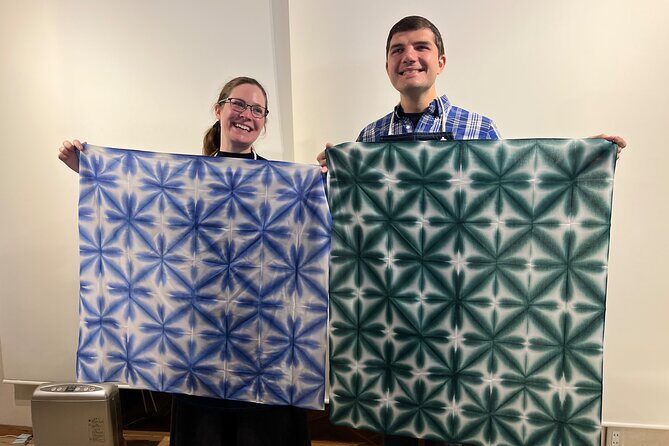
- You make the souvenir: a cotton furoshiki (86cm x 89cm) dyed with sekka shibori.
- Fold, board, dye, then museum time: you’re crafting first, then learning as it dries.
- Museum exhibits included in the flow: you can browse art pieces, tools, and samples upstairs.
- Shop time after the class: there’s a museum store with shibori items and fabrics.
- Short session, realistic pacing: about 1 hour total, with drying around 30 minutes.
Kyoto Shibori Museum: a craft-focused stop with an easy rhythm
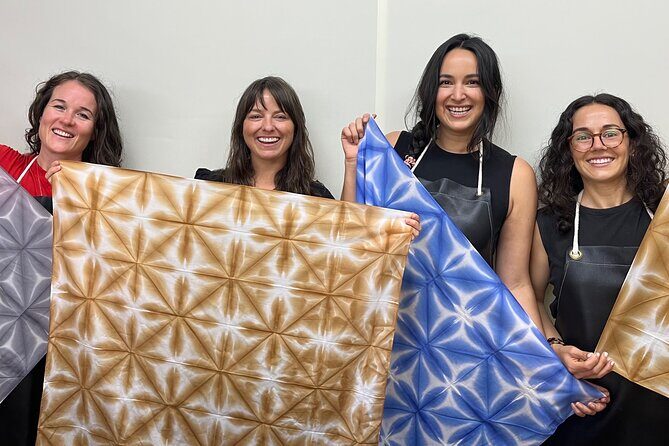
This experience centers on the Kyoto Shibori Museum, a place built for people who want to understand the textile craft, not just buy a ticket and move on. You’ll start at Kyoto Shibori Museum (135-5 Shikiamichō, Nakagyo Ward), and the venue is near public transportation, which matters in Kyoto where walking can quietly add up.
The rhythm is what I like. You do the hands-on part first. Then you switch gears while the dye sets—using that waiting time to learn more about shibori through the museum collection. It feels efficient without feeling rushed, and it turns the downtime into part of the experience.
Also, the setup is intentionally approachable. The class is described as suitable for most travelers, and you’re not required to bring any special skills. In plain terms: if you can follow folding instructions, you can do this.
A few more Kyoto tours and experiences worth a look
What you’ll dye: sekka shibori on cotton furoshiki
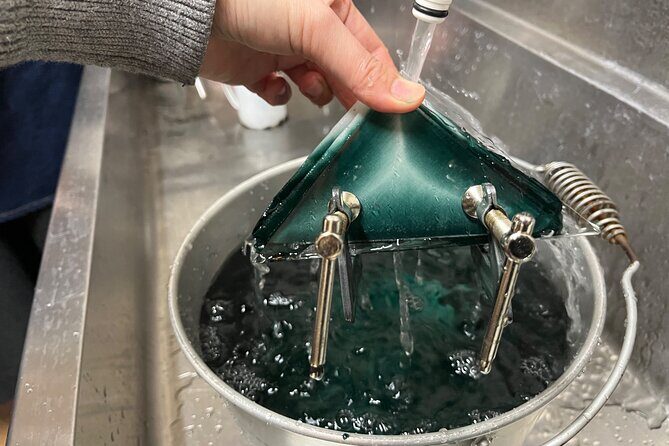
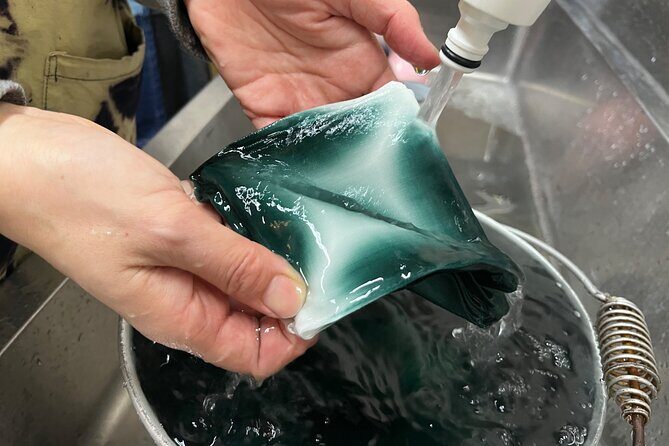
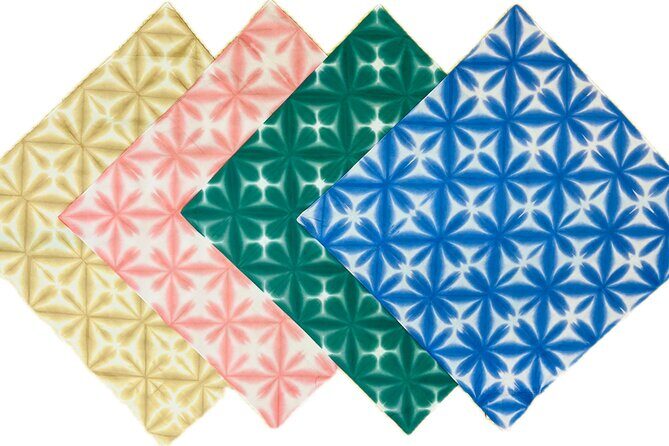
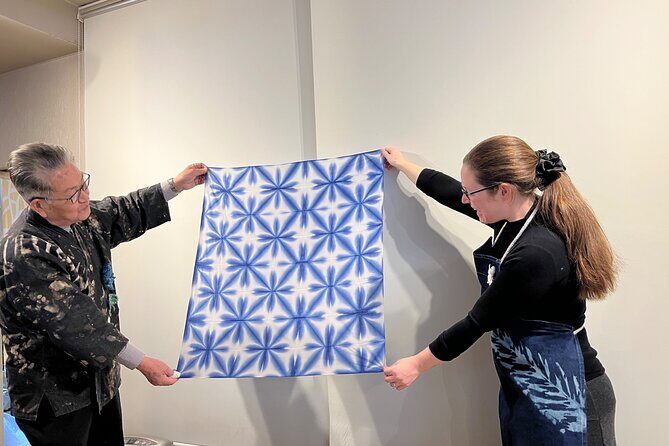
Your takeaway is the star: a cotton furoshiki sized 86cm x 89cm. That’s a useful size for wrapping and also big enough to show off the pattern work. (Even if you never become a full-on furoshiki person, it makes a beautiful textile souvenir.)
Sekka shibori is a shibori dyeing method, and the class guides you through the key idea: the pattern is created by how the fabric is folded and positioned before dye hits it. Instead of painting freely, you control the outcome earlier—then dye reveals it.
Color choice is part of the fun. You’ll pick your favorite color at the start, and from there the method stays consistent. That’s why results are usually reliably good: it’s guided, but it’s still your finished piece.
Step-by-step class flow: fold, boards, dye, then wait on purpose
The lesson runs about 30 to 60 minutes for a class, and your total time on site is about 1 hour (approx.). The schedule is simple, and that’s good news if your Kyoto day is already packed.
Here’s the flow you can expect:
1) Choose your color
You start by selecting the color you want for your furoshiki. That choice affects the look of your final piece right away.
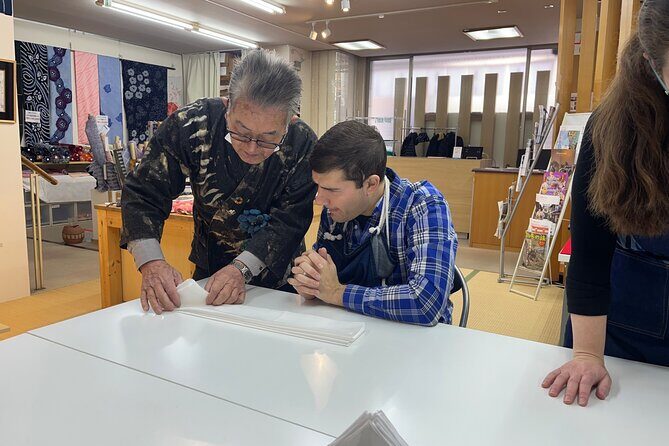
2) Fold the cotton in the method your instructor teaches
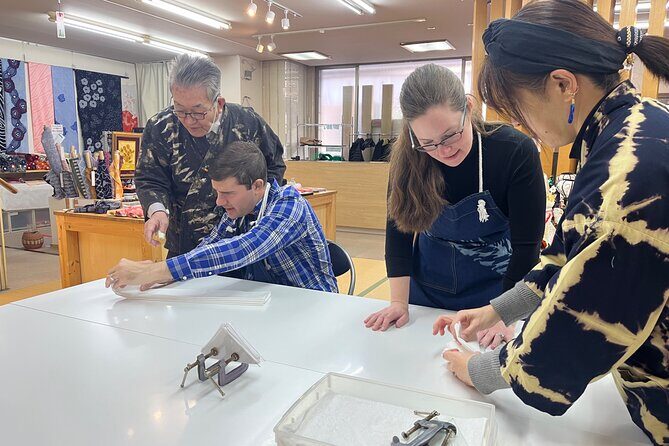
You’ll learn how to fold the fabric in a particular way. This is the part where you slow down and focus. The better you follow the folding guidance, the clearer the pattern tends to be.
3) Place the folded fabric between two boards
Once folded, the fabric goes between two boards. This step matters because it helps control where the dye can reach (and where it can’t).
4) Dye the fabric
After the boards are in place, the dyeing happens. This is the hands-on moment people usually remember, because you’re physically doing the crafting steps instead of just watching.
5) Wait while it dries (about 30 minutes)
While the fabric dries, you don’t sit idle. You shift to museum learning upstairs, which keeps the whole experience moving.
One small consideration: the dyeing and craft steps are described as fairly standardized. That can be a positive if you want smooth instruction. It’s just something to keep in mind if you’re expecting lots of customization or experimenting beyond the core method.
The museum time while your fabric dries (where the learning lands)
This is a clever part of the experience. Instead of letting drying time become wasted time, the class uses it as an entry ticket to the museum collection.
As your furoshiki dries (around 30 minutes), you can browse:
- Art pieces and displayed examples tied to shibori techniques
- Tools and samples, so you can connect what you just did with what’s represented in the exhibits
- Educational materials in the museum setting, which helps you understand how shibori fits into Japanese textile traditions
One standout detail from the museum experience: there’s an exhibition described as created by 50 artisans over 50 years. Even if you’re not a textile nerd, it’s the kind of project scope that changes how you see small patterns—suddenly you understand this is craft with a long timeline behind it.
And yes, you can also spend time in the museum shop. A lot of the enjoyment here is that you’re not stuck with one piece of merch. You can see, compare, and choose additional items that match what you just made.
Price and value: why $43.35 often feels like a bargain
At $43.35 per person, you might wonder if this is “just a quick class.” It is quick. But the value isn’t that it’s long—it’s that you get a finished item that’s part craft project, part souvenir.
Here’s what’s included based on the experience details:
- A private lesson exclusively for your party
- Instruction in the sekka shibori technique
- Making a finished cotton furoshiki you take home
- Museum time as your fabric dries, plus museum browsing access
Compare that to typical Kyoto souvenir shopping, where you’re paying for an item without the story behind it. This gives you the story—because you created it. And even if your folding isn’t perfect (it probably won’t be on the first try), the experience still earns its keep because you leave with something tangible.
One practical tip: if you love shopping, consider bringing extra money. People often recommend budgeting a little more because the shop has beautiful shibori textiles and accessories worth picking up.




What “private lesson” changes (and why it matters in Kyoto)
Kyoto can be hectic, and most craft experiences are either crowded or too rushed. Here, the format is private and exclusively for your party, which usually means:
- You get direct guidance while you fold and dye
- You’re not trying to hear instructions over a room full of people
- The pace can fit your group, since you’re not sharing the instructor’s attention
In practice, that usually makes the difference between a craft that feels like a checkbox and a craft that feels like a skill you can repeat later. Even though the method is structured, you still walk away understanding how the pattern forms and how to follow the steps again.
Best fit: who should book this furoshiki dyeing class
This class is a strong match if you fall into any of these groups:
- You want a Kyoto experience that’s hands-on instead of passive
- You’re traveling with family or teens and want a shared activity with a clear outcome
- You like crafts and want to connect the finished object to the larger shibori world
- You’d enjoy a short session that still includes museum context
It can also be a good solo choice. Private format means you don’t have to worry about whether you’ll feel lost in a group.
The main mismatch is if you’re looking for lots of freestyle dye experimentation or a longer, more open-ended studio session. This workshop is about learning the sekka shibori process and producing a take-home item within a set framework.
Before you go: small tips that improve your outcome
You don’t need special gear listed for this class, but a few common-sense moves can help you enjoy it more:
- Wear clothes you don’t mind getting a little dye-related risk (even if the process is controlled, you’re working with dye).
- Plan for the 30-minute dry window as part of your experience, not as a pause in your day. The museum time is where you can read about the craft and see examples.
- Set expectations for the structure: you’ll be taught a specific folding method and steps. That’s how you get reliable results.
- Bring a little extra money if you want museum shop items. It’s part of the day’s flow.
Also, plan your arrival to match the start time you book. The class is short enough that you don’t want to arrive late and lose part of the museum browsing time.
Should you book Sekka Cotton Furoshiki Class?
I’d book it if you want a Kyoto souvenir that you can point to and say, I made this—and if you like learning through doing. The private setup, the take-home cotton furoshiki, and the museum browsing while your piece dries create good value for the time.
Skip it (or rethink it) if you’re mainly looking for lots of personalization beyond choosing a color and following the folding method. The dyeing portion is guided and fairly structured, so the magic here is in the process and the craft context—not in trying wild new variations.
If you want one craft stop that feels authentic, teaches a real technique, and ends with something beautiful you’ll use or display, this is an easy yes.
FAQ
How long is the Sekka Cotton Furoshiki class?
The class is about 1 hour on average, with the hands-on dyeing taking roughly 30 to 60 minutes and drying time around 30 minutes.
Is this a private class?
Yes. It’s a private tour/activity, and only your group participates.
What item will I make?
You’ll dye a cotton furoshiki (wrapping cloth) using the sekka shibori method. The cloth size is 86cm x 89cm.
What happens during the drying time?
While your fabric is drying (about 30 minutes), you can learn more about shibori by browsing the museum upstairs, including art pieces, tools, and samples.
Where do I meet for the class?
You meet at Kyoto Shibori Museum, 135-5 Shikiamichō, Nakagyo Ward, Kyoto, 604-8261, Japan.
Is the museum accessible by public transportation?
The experience is described as near public transportation.
What do I receive at the end?
You leave with your finished cotton furoshiki dyed in the sekka shibori method.
Can I cancel for a full refund?
Yes. You can cancel up to 24 hours in advance of the experience start time for a full refund.