Kyoto can feel like sensory overload. This tea-and-temple walk keeps things human-sized while you learn how wabi-sabi shows up in real daily rituals. I love the small group setup because it means you can ask questions without shouting over a crowd, and I also love that temple admission and a guided tea ceremony are built in. One thing to consider: like any guided experience, the quality of communication can vary, and one review flagged that a guide’s English was hard to hear.
In This Review
- Key points before you go
- A Tea + Temple Walk That Solves Kyoto Chaos
- Meeting at Gion Shijo: Easy Start, Clear Direction
- Gion Matcha Stop: Learn Tea Basics While You Walk
- Kennin-ji Temple: Centuries in a Short, Guided Visit
- Craft Stops in Kyoto Prefecture: Tea Culture Beyond the Cup
- Hidden Temple and Garden + Raku Teacup Meaning
- Tea Ceremony Chayu: Wabi-Sabi Comes Alive
- Price and Timing: Is $94.45 Good Value?
- Who Should Book This Tour (and Who Might Not)
- Should You Book the Way of Tea Tour?
- FAQ
- How long is the Way of Tea Kyoto Crafts, Hidden Temples & Wabi-Sabi Walk?
- Where do I meet the tour guide?
- How big is the group?
- Is the tour hard to follow without navigation?
- Are temple entrance fees included?
- Is the tea ceremony included, and do I get matcha?
- What age is required for the tea ceremony?
- Is the ticket sent digitally?
Key points before you go
- Small group (max 7) means more guide time and easier Q&A.
- No navigation worries: you follow a guide from stop to stop with a clear meeting point.
- Temple admission included (2 temples) so you don’t have to hunt for tickets.
- Crafts focus: you’ll see how ceramics and tea bowls connect to meaning, not just shopping.
- Ends with an actual tea ceremony at a traditional Japanese house, with matcha included.
- Weather matters: Kyoto’s extremes mean bring layers and plan for heat or cold.
A Tea + Temple Walk That Solves Kyoto Chaos
If your Kyoto plan is already packed, this is a smart add-on because it combines two big themes in one smooth loop: temples and tea culture. Instead of trying to stitch together transit, ticket lines, and finding the right tea house, you get a guided route that does the hard parts for you.
I like how the pacing works for first-timers. The tour moves through well-known areas like Gion, then shifts into quieter, more reflective stops, and finally finishes with a hands-on experience. You’re not just looking at pretty buildings—you’re learning why people treat tea and aesthetics with so much care.
The emphasis on wabi-sabi is also useful. Even if you’re not familiar with the term, you’ll see how the ideas behind it show up in simple things: humble objects, imperfections, and respect for the moment.
You can also read our reviews of more walking tours in Kyoto


Meeting at Gion Shijo: Easy Start, Clear Direction
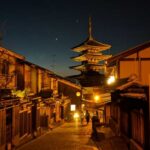
The meeting point is right where you want to be: in front of the Statue of Izumo-no-Okuni, outside Exit 5 of Gion Shijo Station on the Keihan Line. The guide holds an orange signboard that says Magical Trip Tour, which cuts down the usual start-time stress.
The tour is built around staying on schedule. The operator notes you must start on time or you won’t be able to join (no late arrival refund/reschedule), so do yourself a favor: arrive early and take one lap around the station area so you’re calm when you spot the sign.
You’ll also get the practical benefit of a mobile ticket, which usually means fewer paper hassles on the day. And since the group is capped at 7 travelers, it’s a setting where you can pay attention instead of playing “where did everyone go?”
Gion Matcha Stop: Learn Tea Basics While You Walk
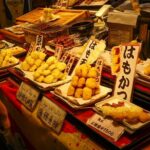
Stop 1 takes you into Gion, where the tour starts with how Japanese tea is made and how matcha fits into daily life. You’ll also visit a famous matcha shop—about a 30-minute segment, and admission there is free as part of the tour.
This is the kind of stop that can make the rest of Kyoto click. If you don’t know what matcha actually is, or why it’s treated differently from regular green tea, you’ll feel it immediately at the tea ceremony later. The guide’s context matters here because matcha isn’t just a drink; it’s part of a whole etiquette and aesthetic package.
A small timing warning: 30 minutes goes quickly in Gion. If you want photos, decide what you want before you get distracted by side streets and storefronts.
Kennin-ji Temple: Centuries in a Short, Guided Visit
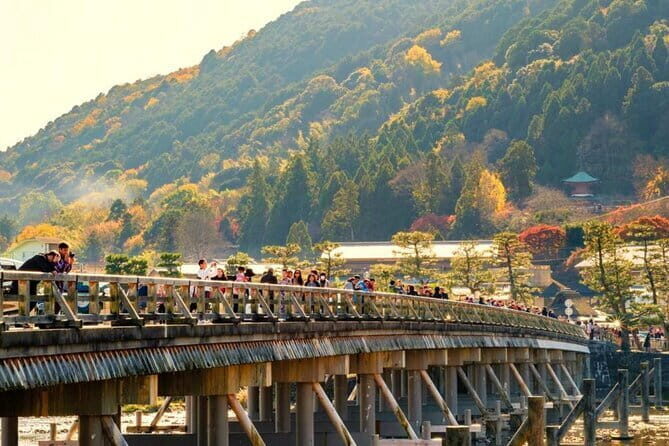
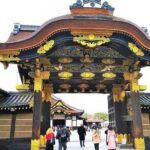
Next up is Kennin-ji Temple, one of Kyoto’s important historical sites. You get another 30-minute stop, with temple admission included.
In a short time, a good guide is everything—and this tour is designed to give you that. Kennin-ji isn’t just “see the gate, move on.” You’re meant to walk away with at least a basic sense of what you’re looking at and why it matters.
The best way to enjoy Kennin-ji in this format is to slow down once the guide points out the key details. If you sprint for photos, you’ll miss the context. And if you linger at the edges—quiet corners, the pace of the grounds—you’ll feel why people come back to temples even after they’ve seen the famous ones.
Craft Stops in Kyoto Prefecture: Tea Culture Beyond the Cup
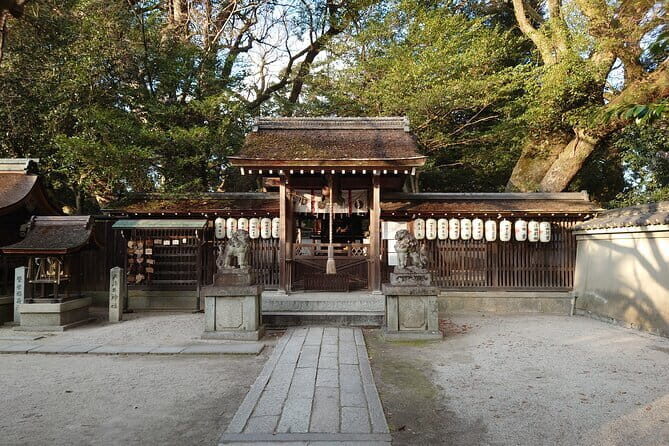
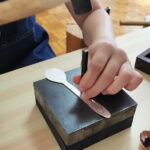
After Kennin-ji, the route turns toward crafts. You’ll visit craft shops for about 30 minutes in two parts (a broader craft stop, then a more specific ceramics moment later). Admission for these stops is listed as free.
This is one of the tour’s smarter choices. Tea shows up everywhere in Kyoto, but it’s easy to think it’s only the ceremony itself. The craft side connects the dots: the utensils, the shapes, and how objects are valued all affect how tea is served and perceived.
What you can realistically expect here is browsing with guidance, not a hard sell. You’re there to understand the role of materials and design in the tea world. If you like small, practical learning—watching and asking rather than rushing—this section plays to that strength.
If you do enjoy shopping, you’ll likely find yourself tempted. Just remember: the tour is timed, so if you see something you really want, ask the guide about best ways to buy or handle it with your schedule. (You’re not getting unlimited time in each stop.)
Hidden Temple and Garden + Raku Teacup Meaning
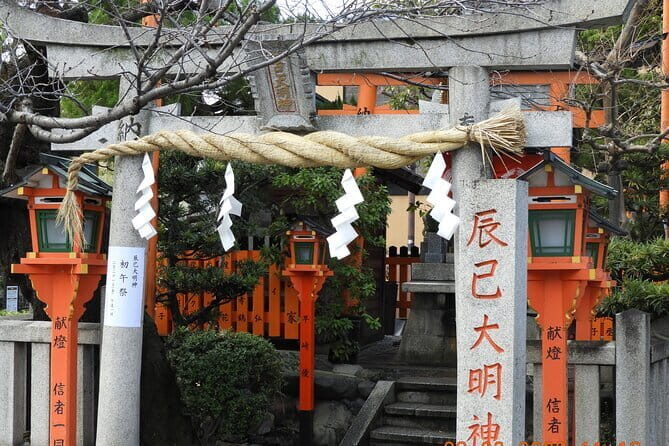
Stop 4 is where the tour leans into Kyoto’s quieter personality. You’ll visit a hidden temple and garden, again for about 30 minutes.
This segment is valuable because it shifts your mindset. After Gion’s lively energy and Kennin-ji’s historical draw, a hidden garden helps you reset. It’s the kind of break that makes the tea ceremony feel earned instead of just scheduled.
Then comes the ceramics highlight: a tea bowl shop where a raku teacup takes center stage. The guide shares how each cup has its own character, history, and meaning. That detail matters. In tea culture, the vessel isn’t neutral—it carries its own story and mood.
If you’ve ever wondered why tea bowls can look “imperfect” on purpose, this is where the logic gets explained. You’re not looking at random chips or irregularities. You’re learning how form, wear, and individuality fit the wabi-sabi worldview.
Tea Ceremony Chayu: Wabi-Sabi Comes Alive
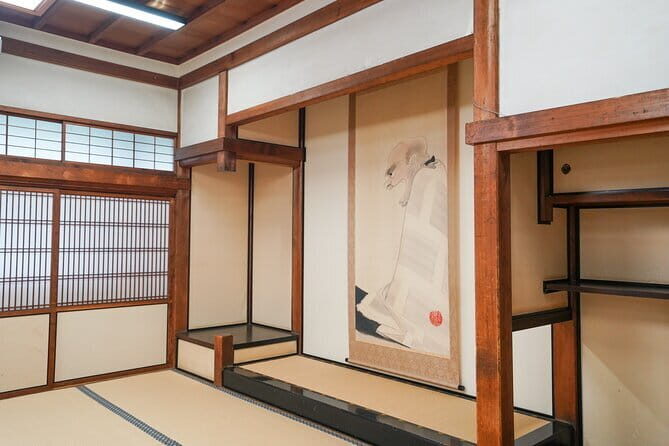
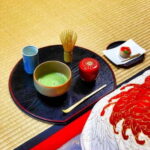
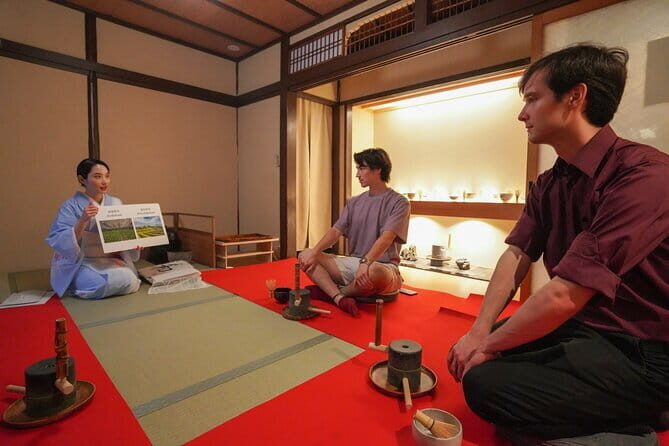
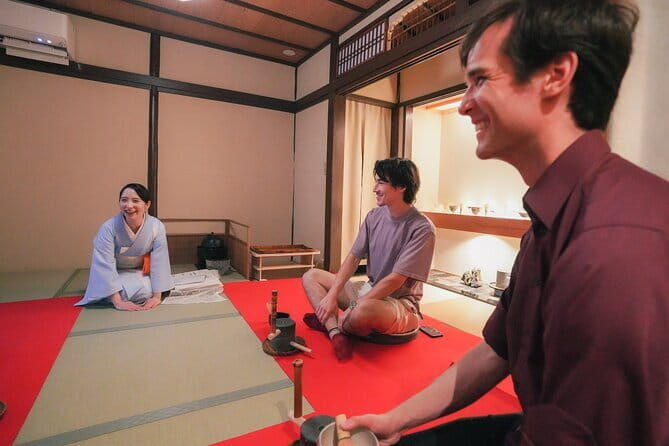
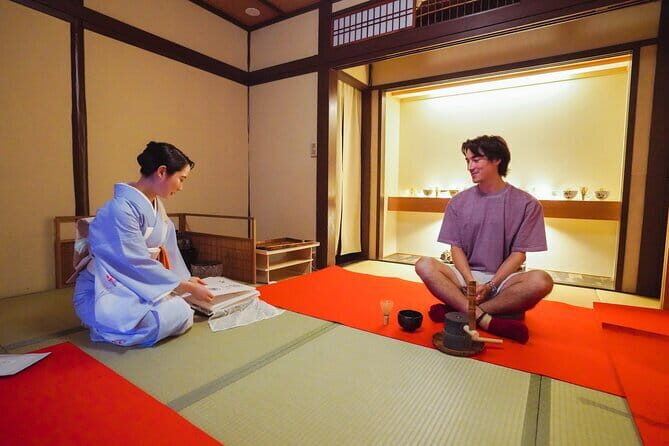
The finale is Stop 5: Tea Ceremony Chayu, about 1 hour, and tea ceremony admission is included. This is the hands-on part: you get matcha (green tea) and instruction from a tea master.
One of the most interesting details in the description is that the experience is tied to the wabi-sabi ideas learned during the walk. In other words, the ceremony isn’t separate from what you saw—it’s presented as the payoff. You’re meant to connect the aesthetics you noticed (simplicity, aging, the character of objects) to the way the tea is prepared and served.
Practical notes:
- You’ll be drinking matcha made during the experience, not just observing.
- The ceremony is in a traditional Japanese house, which changes the atmosphere fast. This isn’t a fast demo in a room with chairs lined up.
- The tour includes photos taken during the walk and you’ll end at the tea experience location.
There’s also an age rule: the tea ceremony experience can only accommodate kids age 6 and older. If you bring younger children, one adult needs to accompany them outside the facility during the experience.
Price and Timing: Is $94.45 Good Value?
At $94.45 per person for about 3 hours 30 minutes, the value depends on what you’d otherwise pay and what you want to avoid.
You’re paying for three things that can easily cost more when booked separately:
- A guided route with no navigation stress
- Entrance fees of 2 temples included
- An instruction-based tea ceremony with matcha at the end
If you’re planning to visit Kennin-ji and do a tea ceremony anyway, this price looks reasonable for a guided combo. And the time matters: 3.5 hours is long enough to feel like a real experience, but short enough to pair with other Kyoto plans on the same day.
Also, the tour includes photos during the experience. That’s not a game-changer for everyone, but it helps if you want decent shots without stopping constantly to ask strangers.
Who Should Book This Tour (and Who Might Not)
This is a great fit if you:
- Want a structured Kyoto experience without designing your own route
- Like cultural learning with real-world connections (tea + objects + aesthetics)
- Prefer small groups where the guide can actually interact with you
- Care about the meaning behind what you see, not only the photo spots
It may be less ideal if:
- You need very loud, highly articulate narration the whole time. One review mentioned a guide spoke very softly and was hard to understand in English. That’s not the same for every guide, but if you’re sensitive to audio clarity, plan to sit where you can hear clearly and don’t be afraid to ask for repetition.
- You’re looking for a long, slow temple-halo day. This is timed. You get focused visits, not all-day wandering.
Should You Book the Way of Tea Tour?
I’d book it if you want a single, well-timed loop that combines Kyoto’s two big comfort zones—temples and tea—plus a craft lesson that explains why the objects matter. The included temple admission and the tea ceremony with matcha do a lot of heavy lifting for your budget and your schedule.
Skip it only if you already have your own temple route perfected and you don’t care about tea culture beyond tasting matcha once. For everyone else, this is the kind of tour that turns a few hours into real understanding.
And as a tip that pays off in Kyoto: dress for the day’s extremes. The operator specifically warns about heat up to 40°C and winter lows down to -5°C, so bring layers and stay hydrated if it’s hot.
FAQ
How long is the Way of Tea Kyoto Crafts, Hidden Temples & Wabi-Sabi Walk?
The tour lasts about 3 hours 30 minutes.
Where do I meet the tour guide?
You meet in front of the Statue of Izumo-no-Okuni, right outside Exit 5 of Gion Shijo Station (Keihan Line). The guide will be holding an orange signboard.
How big is the group?
This tour has a maximum of 7 travelers, which keeps it small and guide-accessible.
Is the tour hard to follow without navigation?
No. The tour is designed so you have a guide leading the way, so you won’t need to navigate on your own.
Are temple entrance fees included?
Yes. The tour includes the entrance fees of 2 temples.
Is the tea ceremony included, and do I get matcha?
Yes. The tour ends with a tea ceremony at Tea Ceremony Chayu, and you’ll drink matcha with instruction from a tea master.
What age is required for the tea ceremony?
The tea ceremony can only accommodate children age 6 and older. Younger children may attend, but one adult must accompany them outside during the experience.
Is the ticket sent digitally?
Yes. The tour uses a mobile ticket.