REVIEW · KYOTO
Kyoto: Kendo and Samurai Experience with Uniform and Gear
Book on GetYourGuide →Operated by Kendo Experience · Bookable on GetYourGuide
Ditch the cosplay. Learn real kendo etiquette.
What makes this experience fun is how quickly you shift from tourist mode into training mode—you dress in traditional gear, learn safe sword basics, and finish with photos and videos that actually look like you were part of a dojo. The one thing to keep in mind: the training room can feel a bit dusty and worn, so don’t expect a brand-new studio.
I like that the session is hands-on from minute one. You’ll get a safety briefing, practice grip and posture, drill strikes and blocks, and then do a friendly end-of-class sparring-style moment using training swords.
The main question for you is simple: do you want to learn the craft and the etiquette, not just watch a performance? If yes, this is a strong pick for a Kyoto day that feels more active and personal than sightseeing.
In This Review
- Key moments that make this kendo-and-samurai class special
- Stepping Through the Gate: Arrival at a Kyoto Machiya Dojo
- Suiting Up Like You Mean It: Uniforms, Shoes, and Gear
- Safety-First Sword Handling: Grip, Posture, and Controlled Cuts
- Kendo Footwork and Technique Drills: What You Actually Practice
- The Samurai Part Isn’t a Lecture: Etiquette and Mindset
- The End Moment: Sparring-Style Practice and a Short Competition Vibe
- The Photo and Video Session: Why It’s Worth Doing
- Where the Time Goes: 2 Hours, Packed but Not Messy
- Price and Value: What You’re Paying For (and What You’re Not)
- Who Should Book This Kendo and Samurai Experience
- Should You Book This Kyoto Kendo Class?
- FAQ
- How long is the Kyoto kendo and samurai experience?
- Is the instruction offered in English?
- What’s included with the class?
- Is alcohol allowed during the training?
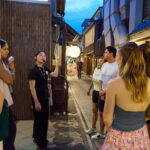
- What should I know about meeting the group?
- Who can participate?
Key moments that make this kendo-and-samurai class special
- Full uniform and gear fitting: you don’t just put on a costume, you’re taught how to wear the training kit properly
- Safe training swords: bamboo swords, foam blades, or replicas, with an emphasis on control and safety
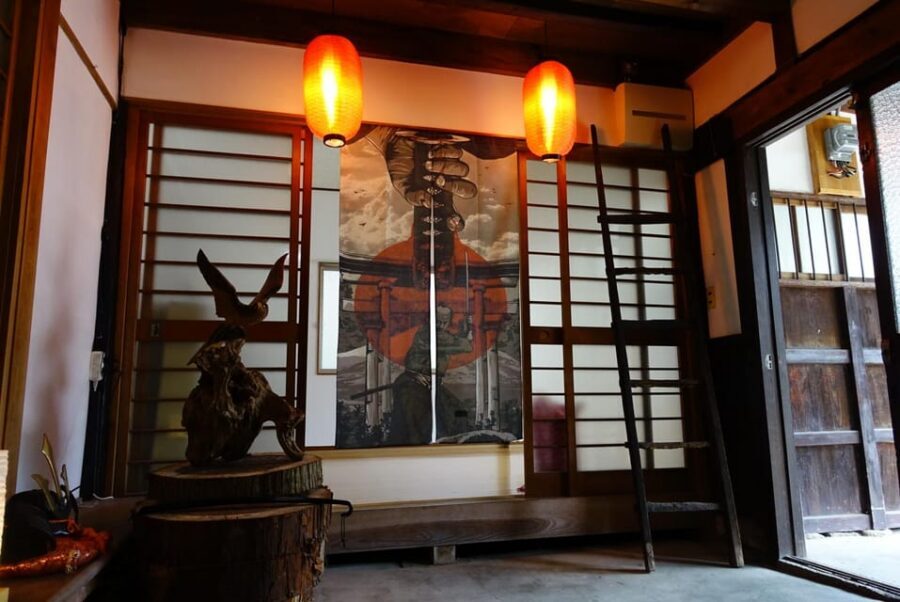
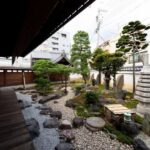
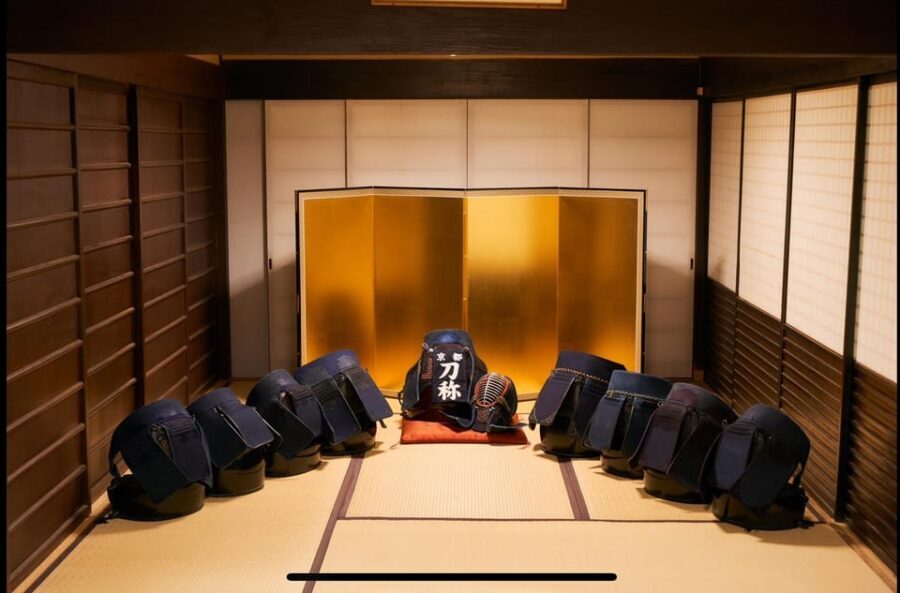
- A real Kyoto machiya setting: you practice in an old wooden building over 100 years old, not a generic studio
- Etquette + mindset, led in English by Taka-san: history and philosophy are part of the class, not filler
- A guided photo/video session: you get assisted “samurai-style” shots at the end
- Hands-on practice that ends with sparring-style fun: partners, drills, and a short competition vibe
Stepping Through the Gate: Arrival at a Kyoto Machiya Dojo
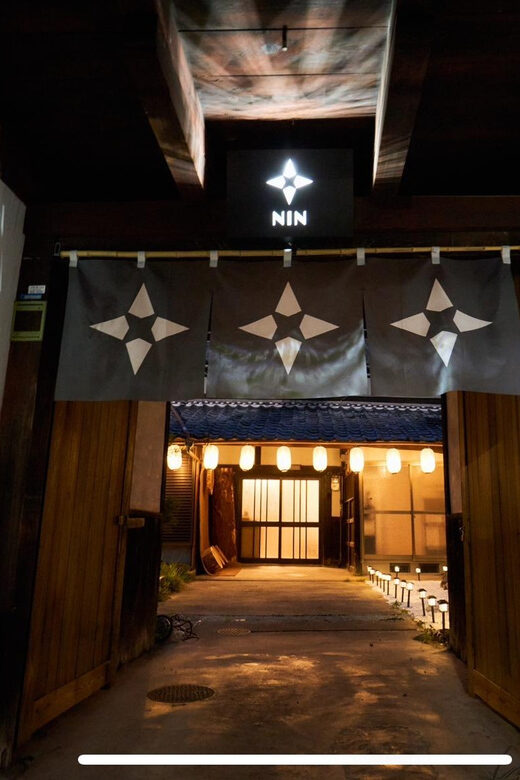
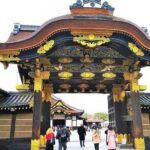
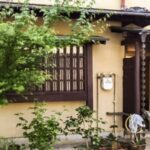
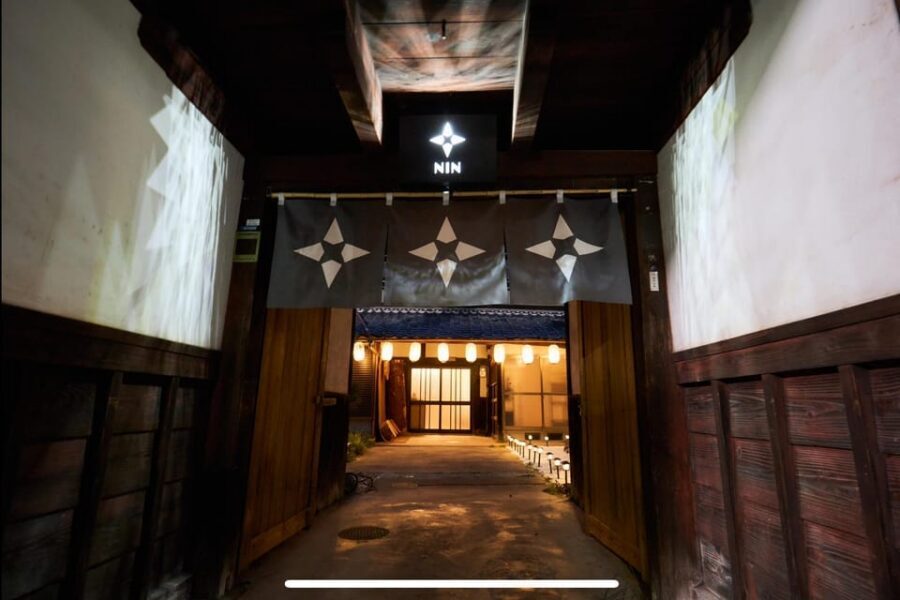
You meet at an old Japanese house with a large gate. It’s the kind of place where you instantly feel you’re walking into a private workshop, not a storefront attraction.
A practical note: the location is in a residential area and can be a bit far from the station. If you’re using public transit, I’d plan extra time, and if you’re traveling with luggage or you hate rushing, a taxi from the station saves stress and keeps you on schedule.
The building itself is part of the show. That “machiya” feel—wood, age, and quiet—sets the mood for the rest of the class before you even touch the sword.
You can also read our reviews of more tours and experiences in Kyoto.


Suiting Up Like You Mean It: Uniforms, Shoes, and Gear
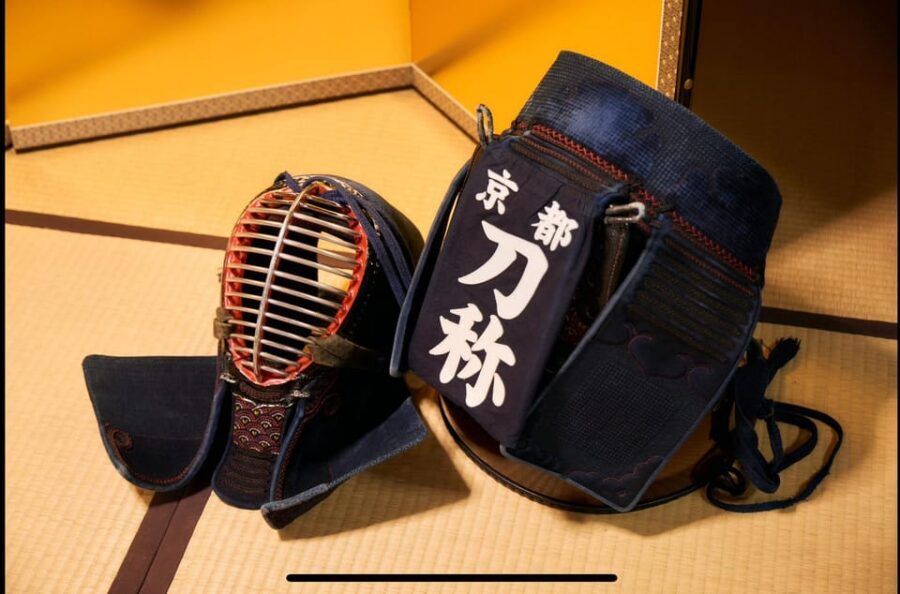
This is one of the best-value parts of the experience because gear is included: uniform rental, equipment rental, and shoe rental, plus the coaching that goes with it. In plain terms, you’re not left to figure out a knot of straps and armor-like pieces on your own.
Your instructor (Taka-san, also written as Takato/Takka in some bookings) will show you what to wear and how it all goes on. That matters because kendo training isn’t just about moving; it’s about posture, spacing, and discipline—so the outfit helps you take the lesson seriously right away.
You’ll also feel the comfort tradeoff. This isn’t outdoor “streetwear,” and in colder months you may want warm socks or a base layer—one common tip from past participants is that the dojo can be chilly, and practice may happen outside when the weather allows.
Safety-First Sword Handling: Grip, Posture, and Controlled Cuts
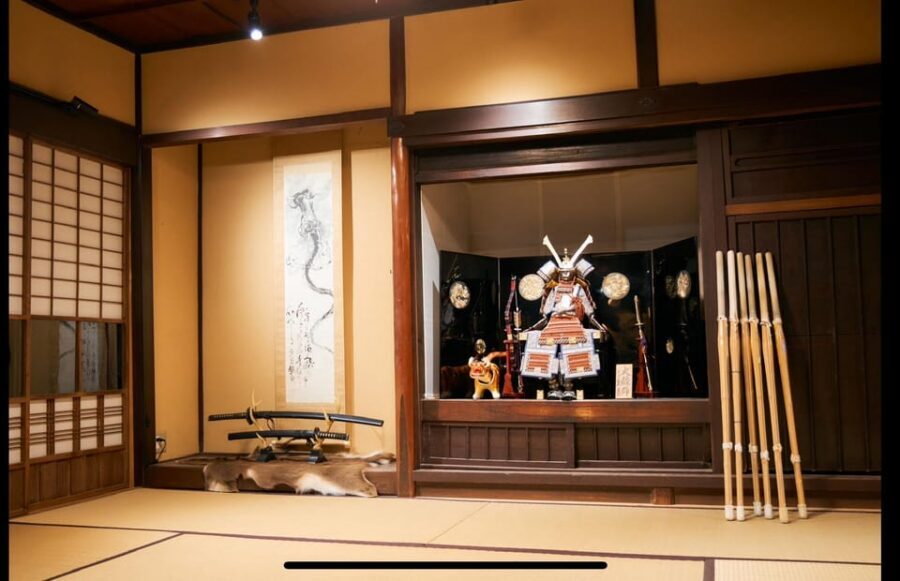
Before you swing anything, you get a safety briefing and the rules of sword handling. What I appreciate is the focus on doing things the right way: how to hold the weapon, how to stand, and how to move without endangering anyone nearby.
Then you start on sword basics using training tools that are described as safe yet elegant—commonly bamboo swords, foam swords, or refined replica blades. You’re not meant to go full power or act like a movie hero. The emphasis is precision: controlled grips, clean body alignment, and respectful motion.
One detail worth knowing: don’t assume you’ll do dramatic cutting demonstrations with sharp blades. At least one participant noted that the tatami-slicing part doesn’t happen anymore, so if your dream is a katana-to-target moment, adjust your expectations. You’ll still get real practice and real technique, just not the risky spectacle.
Kendo Footwork and Technique Drills: What You Actually Practice
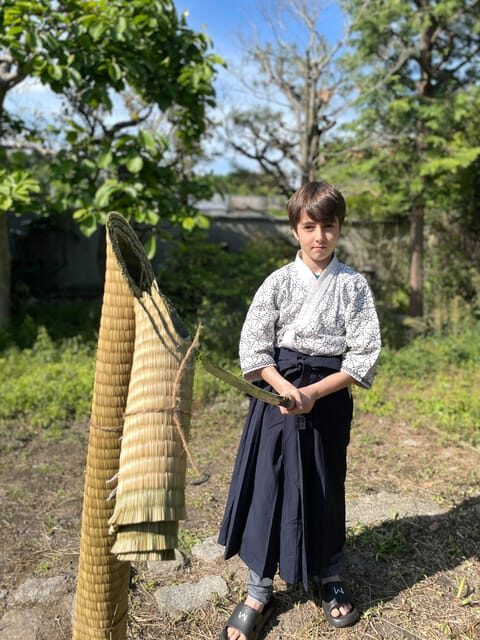
In a class like this, the win is whether you do more than pose. You do more than pose. You’ll practice foundational movements like strikes, blocks, and footwork, guided step-by-step so you can build muscle memory instead of copying random arm swings.
The session is structured so you’re not overwhelmed. You start with basics, then layer in refinement—how to move your body so the sword technique looks correct and feels stable.
Another thing I like: instructors tend to keep the tone welcoming while staying strict about form. Past participants specifically praised how everyone gets a chance to practice basics, and how Taka-san keeps explanations clear in English while encouraging questions.
The Samurai Part Isn’t a Lecture: Etiquette and Mindset
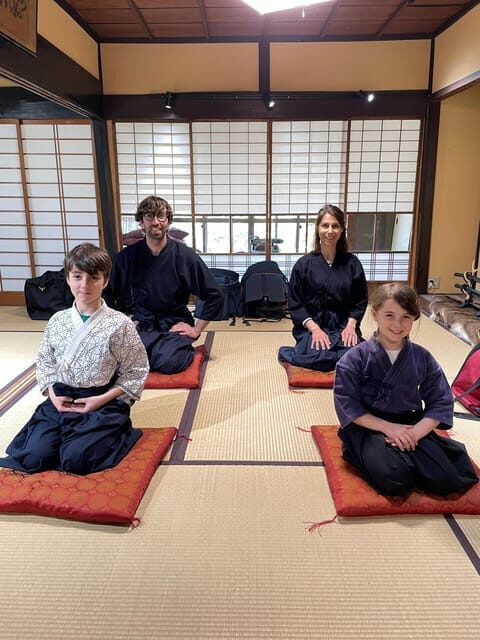
You’ll hear the cultural side of the blade—samurai etiquette, mindset, and the connection between samurai history and the development of kendo. This isn’t presented as a long academic talk. It’s folded into what you do with your body.
Taka-san is a big reason for that. Multiple participants describe him as patient, approachable, and genuinely invested in making the session meaningful—not just entertaining. In one account, he was described as a kendo master with decades of practice, and you can feel the “teacher energy” in how he corrects your stance without turning it into a scolding.
For you, this matters because kendo is as much behavior as it is technique. Learning the why behind the movements changes how you perform them. It also changes what you remember on the train back to your hotel.


The End Moment: Sparring-Style Practice and a Short Competition Vibe
The last part is where the class becomes a story you’ll actually talk about. You’ll pair up and go through sparring-style practice using the training swords—often foam katanas—so you can apply what you learned without turning the session into something dangerous.
Many participants mention a fun sparring moment, and a few highlight that there’s a little competition at the end. Expect it to feel energetic: quicker exchanges, more teamwork, and a chance to test your timing while still following the instructor’s safety rules.
Also, this is one of those activities where the instructor’s attitude really shows. Past participants noted that Taka-san works to include everyone and doesn’t leave people behind if they’re nervous or need extra help. If you’re traveling with a friend who’s brand-new to martial arts, this kind of pacing helps.
The Photo and Video Session: Why It’s Worth Doing
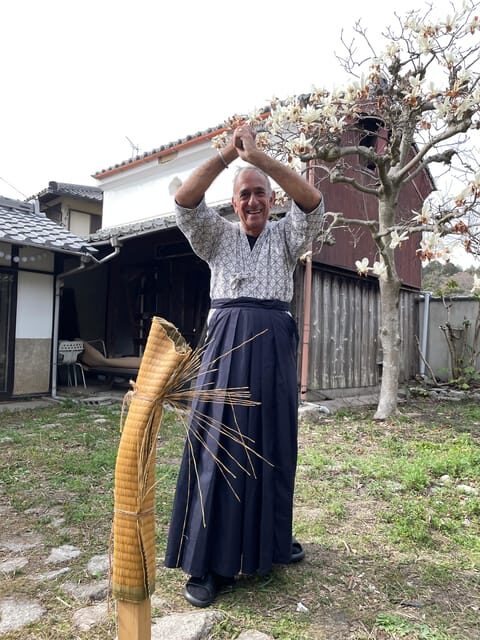
A lot of “costume experiences” hand you a phone and call it a day. Here, you get a photo and video session with instructor assistance while you’re fully dressed in the training gear.
That makes a difference because the instructor knows how to set up the shots and how to guide your pose so it looks like kendo training, not random sword cosplay. Several participants specifically called out the quality of the photos and the cinematic style of the results.
For your travel album, this is the part that turns “I tried something” into “I have proof I was there.” And since the gear is included, you aren’t juggling a rental, extra costs, and changing clothes at the end.
Where the Time Goes: 2 Hours, Packed but Not Messy
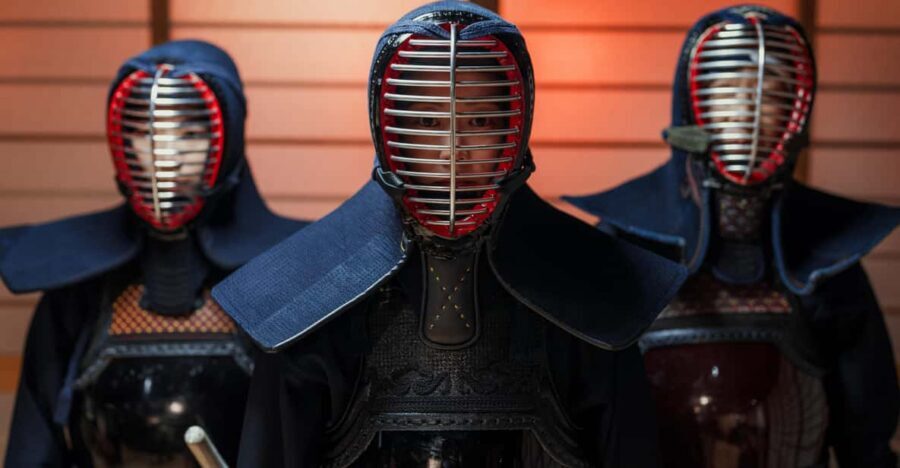
The session runs about 2 hours, and that timing is key. You get enough instruction to make the practice feel real, but not so much that you burn out on technique corrections and history talk.
You’ll likely spend time in sequence: suit up, safety briefing, sword-handling foundations, then refined technique practice, then the photo/video moment and cultural explanation, finishing with closing reflection and gear return.
One small “feel” note from participants: the class can include outdoor practice in some conditions, like a courtyard moment. If you’re going in winter or you run cold, pack for it. If you’re expecting a warm, carpeted studio, Kyoto in the shoulder season can surprise you.
Price and Value: What You’re Paying For (and What You’re Not)
At $103 per person for around two hours, you’re not just paying for entertainment. You’re paying for three things that add up fast:
- instruction in English (so you can actually learn what you’re doing),
- rental gear (uniform, equipment, and shoes),
- and the staff time to teach technique plus help with photos/videos.
That’s why it often feels better value than a “watch and walk away” attraction. You’re leaving with technique you can explain and images you can share, not just a story about standing in line.
What isn’t included: replica swords are available for purchase, but they’re not part of the base price. If you want a souvenir you can display, ask at the end—just remember that buying something means deciding in the moment when you’re still in training mode.
Who Should Book This Kendo and Samurai Experience
This is best for you if you want an active Kyoto experience that mixes hands-on kendo practice with etiquette and history. It’s also a good fit if you like structured instruction and you’re curious about the discipline side of Japan’s warrior arts.
It’s not a fit if you need a kid-friendly activity under age 7 (the experience isn’t suitable for children under 7). And it’s not a fit if you expect alcohol-and-fun energy, because alcohol and drugs aren’t allowed.
Skip it if what you really want is a sharp-blade cutting show. This is training with safe tools, focused on form and respectful practice.
Should You Book This Kyoto Kendo Class?
If your Kyoto plan includes “one meaningful hands-on thing,” I think this deserves a spot. The combination of authentic training attire, real technique drills with safe swords, and Taka-san’s English instruction makes it feel personal—not like a scripted show.
Book it if you’ll enjoy learning posture, etiquette, and basic kendo movements, and if you want photo/video memories that match the experience. I’d also book it if you’re traveling with people who like different styles of activities: this has cultural content, but it still gets your body moving.
Just go in with the right expectation about the setting and the room. It’s a dojo in an old building, not a polished museum studio, and it may feel a bit worn. If that doesn’t bother you, you’ll likely leave feeling like you practiced something real and understood it more than you expected.
FAQ
How long is the Kyoto kendo and samurai experience?
It lasts about 2 hours.
Is the instruction offered in English?
Yes, the instructor speaks English.
What’s included with the class?
The experience includes instruction, uniform rental, equipment rental, and shoe rental.
Is alcohol allowed during the training?
No. Alcohol and drugs are not allowed.
What should I know about meeting the group?
You meet at an old Japanese house with a large gate.
Who can participate?
Children under 7 years old are not suitable for this experience.