REVIEW · KOBE
Private tour – Experience Kobe’s Best Gems with a local host
Book on Viator →Operated by The City Panorama · Bookable on Viator
A private Kobe day cuts through the usual confusion fast. This 8-hour experience is built around an easy mix of old and newer Kobe, with a native English-speaking host who helps you move smoothly from place to place. I love that you get a real plan based on what you like, not a one-size-fits-all loop.
The other big win is the pace: you spend time in the city instead of hunting directions in stations or trying to read your way through menus. One thing to watch is the cost of optional sights like Nunobiki Herb Gardens and Sorakuen Garden, since their entrance fees aren’t included, and Suma Beach is seasonal.
In This Review
- Key points to know before you go
- Kobe in one day: shrines, harbor, shopping, and sea air
- Starting at Kobe Station and finishing near Sannomiya
- A calmer first stop: Minatogawa Shrine
- Meriken Park and Harborland: port views plus browsing time
- Motomachi Shopping Street: where new meets old
- Chinatown (Nankinmachi): a quick mood shift
- Sorakuen Garden: a private residence feel (and an extra fee)
- Nunobiki Herb Gardens: flowers, gardens, and optional waterfall time
- Kobe beef without taking over your whole day
- Suma Beach: seasonal downtime near the sea
- Sake tasting swap-in: local brewery museum or sake bar
- Ikuta-jinja: colorful shrine time with a fun approach
- Value for $135: what you’re really paying for
- The biggest praise: English clarity and real itinerary adjusting
- Who this private Kobe tour fits best
- Should you book this private Kobe highlights tour?
- FAQ
- FAQ
- How long is the tour?
- Is this tour private?
- Do you pick up from my hotel?
- What language does the guide speak?
- Are entrance fees included?
- Is food included?
- Where do we meet and end the tour?
- Can I add sake tasting or choose Kobe beef timing?
- What if I cancel?
Key points to know before you go
- Native English-speaking local host who explains culture and customs as you walk
- Private, personalized routing with adjustments based on your interests
- Old-and-new Kobe stops: shrines, harborland, Motomachi shopping, and Chinatown
- Optional add-ons for a custom day like sake tasting and Kobe beef timing
- Seasonal timing matters for Suma Beach and flower-focused gardens
- Main attractions are mostly free with only a couple paid garden stops
Kobe in one day: shrines, harbor, shopping, and sea air
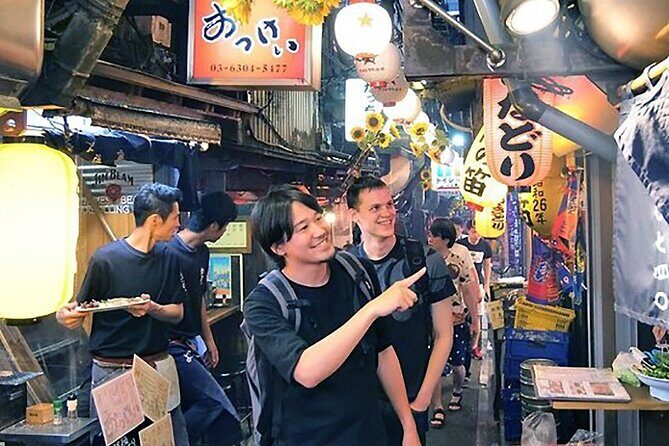
Kobe works well for a day tour because it feels like it has multiple personalities in a small area. You get religious landmarks, port scenery, high-street shopping, and a quick change of mood when you hit Chinatown. What makes this tour especially practical is that it’s private and you don’t have to coordinate trains, lines, and translations on your own.
I also like that the day is built around walking time that stays purposeful. That matters when you’re trying to see more than one neighborhood without burning the entire schedule on transit. With the English-speaking host, you can ask questions along the way and get context you’d normally miss when you’re just passing through.
You can also read our reviews of more private tours in Kobe

Starting at Kobe Station and finishing near Sannomiya

You start at Kobe Station (3-chōme-1-1 Aioichō, Chuo Ward). Many tours make you return to the same point. This one doesn’t. You finish at Sannomiya Station (4丁目-1-1番-1 Nunobikichō, Chuo Ward), and the drop-off can be adjusted if needed.
That end-point shift is more than a convenience. It usually means you can continue your day at a major hub without backtracking. If you’re using Sannomiya as your base for dinner or hotel logistics, this is a nice setup.
A calmer first stop: Minatogawa Shrine
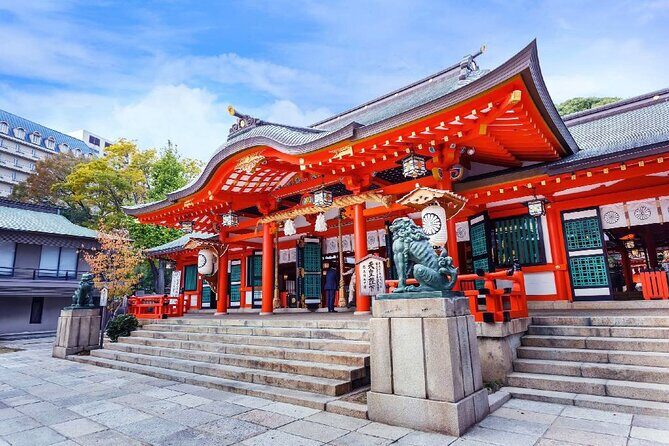
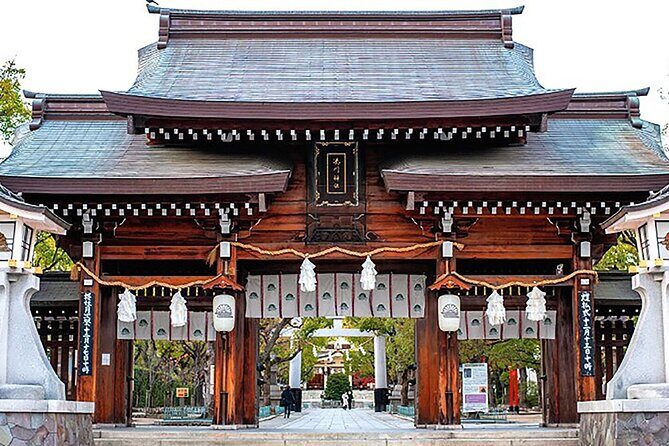
You begin with Minatogawa Shrine, one of Kobe’s best-known shrines. For this visit, it’s presented as a more muted version compared to the more famous orange-red shrine scenes you may see elsewhere in Japan. Even if you’re not a shrine superfan, this stop is a good way to start because it feels steady and local.
It’s also free to enter, and you get time to slow down and notice details. The shrine is popular for many important local celebrations, so your guide can help you understand what people are doing there and why it matters to the area.
Meriken Park and Harborland: port views plus browsing time
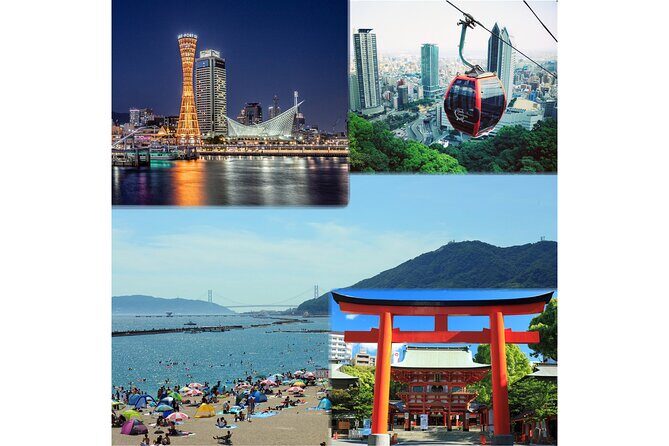
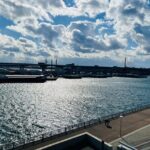
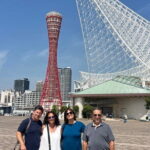
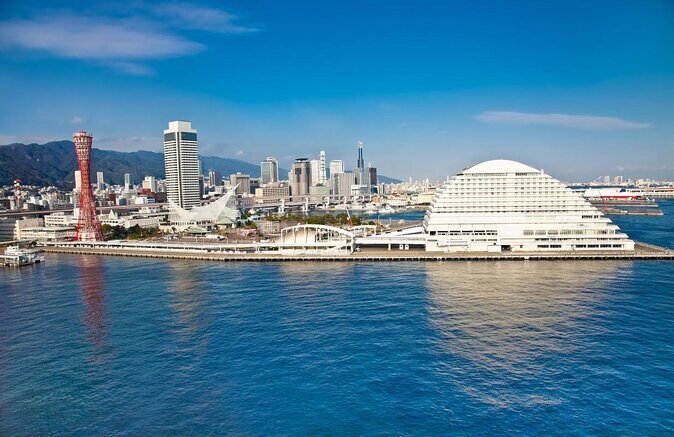
Next you move through the Harborland area and Meriken Park. This is where Kobe’s waterfront vibe shows up. You’ll be able to look out over the port setting and then shift into casual mode.
The tour gives you about an hour at Meriken, and it’s not just for looking. There are eateries and shops where you can browse without feeling rushed. If you’re the type who likes snacks but doesn’t want a strict food itinerary, this is a good place to pick up something simple and keep the day moving.
Motomachi Shopping Street: where new meets old
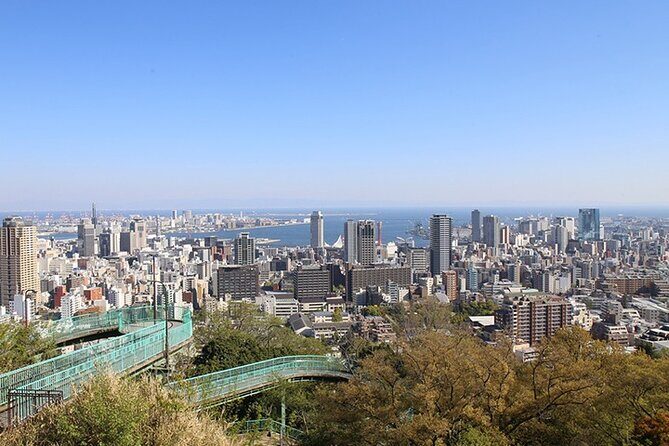
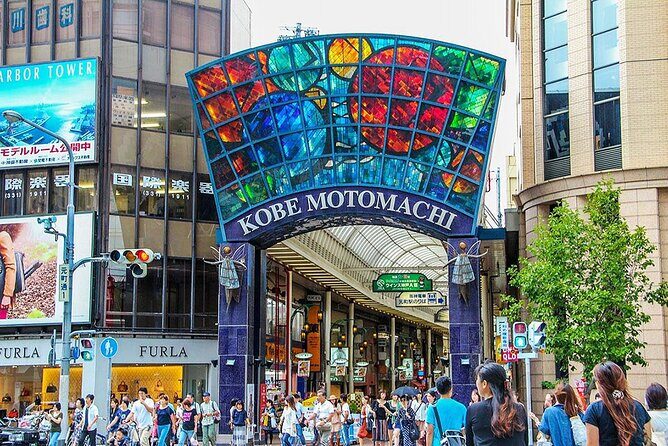
Then it’s Kobe Motomachi Shopping Street, a place locals go when they want a mix of familiar streets and newer brands. The tour time here is shorter, about 20 minutes, but it’s enough to feel the difference as you move through the area.
A practical tip for you: Motomachi tends to work best with a guide because the street layout can feel like a maze if you’re trying to read it on your own. With the host, you’ll know where to look for the older, multi-generation stores near the shopping centers, and where things feel more modern as you head toward Kobe Station.
Chinatown (Nankinmachi): a quick mood shift
After Motomachi, you step into Chinatown (Nankinmachi). This part of the day is about atmosphere. The change is dramatic in how the street feels and what you see around you.
You’ll have about 20 minutes here. If you’re hoping to sample food, this is usually the right moment to do it, but the schedule gives you room to choose your own style: quick bites, a walk-through, or just snapping photos and people-watching for a few minutes.
Sorakuen Garden: a private residence feel (and an extra fee)
Sorakuen Garden is one of the paid options, so it’s a great example of how this tour can be tailored. The grounds were formerly the private residence of prior Kobe city mayors, and the site includes interesting contrasts like a European-designed horse stable plus Japanese garden spaces.
You also get time to wander through hidden-feeling areas and an older boat-house. This is the kind of stop that can be a relief if you’ve had enough shopping streets and want quiet greenery and architecture.
Admission is not included (¥300 per person). If your day feels too packed or you only want the major photo stops, you might skip this and let the host build more time into the free areas.
Nunobiki Herb Gardens: flowers, gardens, and optional waterfall time
If you include the Kobe Nunobiki Herb Gardens, plan for a longer garden-focused segment—around two hours. This stop is linked with an optional waterfall add-in (Nunobiki Falls is mentioned as something you can include), and the tour notes that the full 8-hour format is recommended if you want that included.
Admission is not included (¥1,800 per person). That’s a bigger ticket than Sorakuen, so ask your host to help you decide based on your priorities: flowers in season, garden paths, and the Kobe views you can get from the area.
This stop also has a seasonal logic. The flowers you’ll see depend on when you go, and the host can adjust what you focus on once they know your interests.
Kobe beef without taking over your whole day
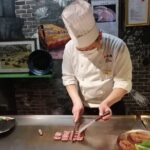
“Kobe beef” can mean one of two things on this tour: either you end the day at a recommended restaurant where you can take your time, or you build a lunch around Kobe beef during the experience.
The nice part is that you’re not forced into one option. If you’re a serious food planner, you can align the timing with your appetite and schedule. If you’re more casual, you can keep sightseeing and still finish with a meal.
Food and drinks aren’t included, but the guide can help you choose a place that fits the time you have.
Suma Beach: seasonal downtime near the sea
Suma Beach shows up as a seasonal stop—during summer and early fall months. Outside those months, it can be quieter, and the schedule still supports the idea of a brief break from the city routine.
During the summer period, there are pop-up spots with music, plus the chance to stroll near warm water. Even if you’re not spending time in the sand, the sea air can reset your brain after shrines and shopping streets.
The key consideration: if you’re traveling in off-season, you should treat this as a flexible stop rather than the main event.
Sake tasting swap-in: local brewery museum or sake bar
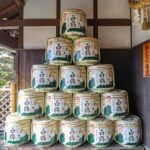
If you want alcohol-focused culture, this tour has you covered with a dedicated sake tasting hour option. You can choose between a local brewery museum approach or a popular sake bar style visit—your choice.
Because the selection is explicit, you can match it to your preferences. Museum-style tends to fit if you like the story and process. A bar-style stop can fit if you want tastings in a more casual social setting.
Ikuta-jinja: colorful shrine time with a fun approach
The last shrine stop is Ikuta-jinja, one of Kobe’s most popular shrines. It’s about a 15-minute visit, and you’ll get a guided walk through a more energetic area on the way there—an entertainment section vibe that helps make the approach feel like part of the experience, not just the destination.
Entrance is free. This is a good way to end on something meaningful, especially after a day of neighborhoods and shopping streets.
Value for $135: what you’re really paying for
At $135 per person for about 8 hours, this isn’t a budget snack-size tour. But it can be strong value when you compare how much effort and uncertainty you avoid.
Here’s what you’re paying for that adds up:
- A private schedule tied to your interests (not a rigid bus-group route)
- A native English-speaking host who can explain what you’re seeing
- A day built to prevent wasted time getting oriented
What isn’t included matters too. Food and drinks are on you. Transportation costs (including for the guide) are extra if you use taxis or other paid transit. And two garden entrances aren’t included: Nunobiki Herb Gardens (¥1,800) and Sorakuen Garden (¥300).
Also, the tour offers group discounts and a mobile ticket, which can help with the practical side if you’re splitting costs with friends.
If you hate planning and want a guided day that feels local instead of touristy, this price starts to make more sense.
The biggest praise: English clarity and real itinerary adjusting
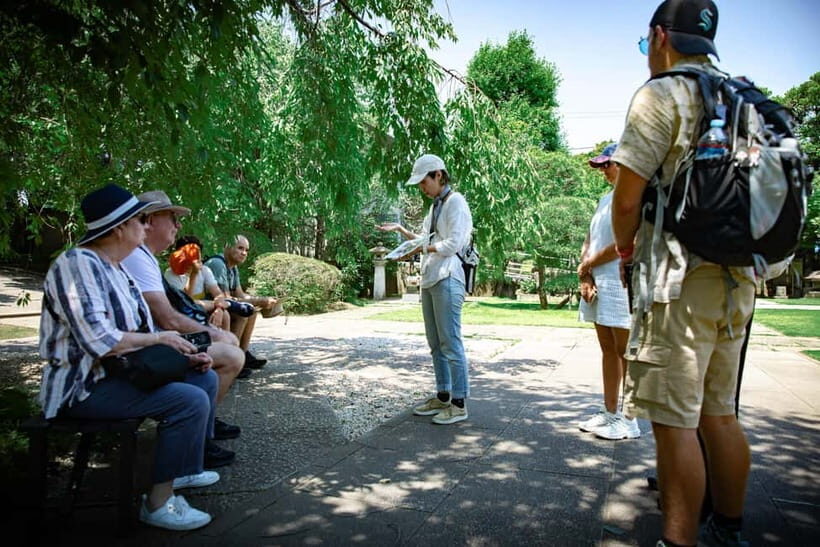
The most consistently praised part of this experience is the guide’s English ability. A host named Michelle is highlighted for speaking excellent English and for offering insights into Japanese culture and customs from her own background of living in an English-speaking country.
I like that the tour isn’t treated like a script. The host plans and adjusts the itinerary based on what you want to see, and you can often keep things comfortable even when the day includes variety—from shrines to shopping streets to gardens.
One more detail: there’s evidence the host has experience working around mobility needs for at least one member of the group. That doesn’t mean every situation is handled the same way, but it’s a reassuring sign that the guide thinks on their feet and plans routes thoughtfully.
Who this private Kobe tour fits best
This works especially well if:
- You want a guided day but hate the stress of figuring out trains and transfers
- You like a balanced mix: religion landmarks plus shopping plus food-and-culture time
- You’re short on time in Kobe and want more than one neighborhood in a day
- You care about details like what ceremonies mean at shrines or why streets feel different across neighborhoods
It may be less ideal if you prefer total freedom with no structure. Even though your schedule can shift, you’re still following a planned route with set time windows at each stop.
Should you book this private Kobe highlights tour?
If your goal is to see Kobe without getting lost in transit and translation, I think this is a smart booking. The private format and English host do the heavy lifting, and the mix of stops gives you a real feel for the city.
Just go in with two practical expectations:
- Two garden entrances cost extra (Sorakuen and Nunobiki).
- Suma Beach is seasonal, so if you’re visiting in colder months, treat that stop as a bonus rather than a must-see.
If you want a day that feels planned but still flexible, and you’d rather spend your energy on the city than on logistics, this tour is a strong pick for Kobe.
FAQ
FAQ
How long is the tour?
The tour is approximately 8 hours, with other options listed as 3hrs, 4hrs, or 7hrs with a local host.
Is this tour private?
Yes. It is a private experience, so only your group participates.
Do you pick up from my hotel?
Pickup is offered. The tour also includes a specific starting meeting point at Kobe Station.
What language does the guide speak?
You get a native English-speaking host.
Are entrance fees included?
Some are not. Entrance fees are not included for Kobe Nunobiki Herb Gardens (¥1,800) and Sorakuen Garden (¥300).
Is food included?
No. Food and drinks are not included. The guide can recommend places, including options for Kobe beef.
Where do we meet and end the tour?
You meet at Kobe Station (3-chōme-1-1 Aioichō, Chuo Ward, Kobe). You end at Sannomiya Station (4丁目-1-1番-1 Nunobikichō, Chuo Ward). The drop-off can be modified as needed.
Can I add sake tasting or choose Kobe beef timing?
Yes. The itinerary allows for sake tasting (either a brewery museum or a sake bar) and for Kobe beef either as a lunch during the experience or as a restaurant recommendation at the end.
What if I cancel?
You can cancel for a full refund if you cancel up to 24 hours in advance of the experience start time. Less than 24 hours before start time is not refundable.