REVIEW · TOKYO
Martial Arts: Samurai Experience (Iaido)
Book on GetYourGuide →Operated by SMEKK Inc. · Bookable on GetYourGuide
You’ll swing a katana, safely guided. This Iaido Samurai Experience in Japan’s Kanto region turns Japanese sword technique into hands-on training, starting with basic movements and progressing into guided katana practice. I like that you are not just watching history—you’re doing the steps yourself—then you cap it with the master’s Shinken (real sword) performance and a Q&A.
My other favorite part is the structure: you change into rental samurai-style clothing, practice in a clear progression, and leave with photos plus real answers from the instructor team. One thing to consider: it’s a 1-day class with no meal and no hotel pickup, so you’ll need to plan food and get yourself to the dojo meeting point.
In This Review
- Key things to know before you go
- Iaido 101: what you’re actually learning in the Samurai Experience
- Finding the dojo: the 3rd-floor meeting point and your first “samurai moment”
- Outfit change and kata basics: where beginners get their footing
- Katana practice: learning usage, then using the blade with guidance
- The master’s Shinken demonstration: real sword, clear teaching
- Photos and Q&A: turning a great show into real understanding
- Price and value for $161: what you get (and what you must add)
- Who should book this Iaido lesson (and who should reconsider)
- Should you book the Samurai Iaido Experience?
- FAQ
- What is the duration of the Samurai Experience (Iaido)?
- Where does the Iaido class meet?
- What is included in the price?
- Is food and drinks included?
- Do they provide hotel pick-up and drop-off?
- What language is the instruction available in?
- What should I wear or bring?
- Is the experience suitable for young children?
- Is the experience wheelchair accessible?
- Can I cancel for a refund?
Key things to know before you go
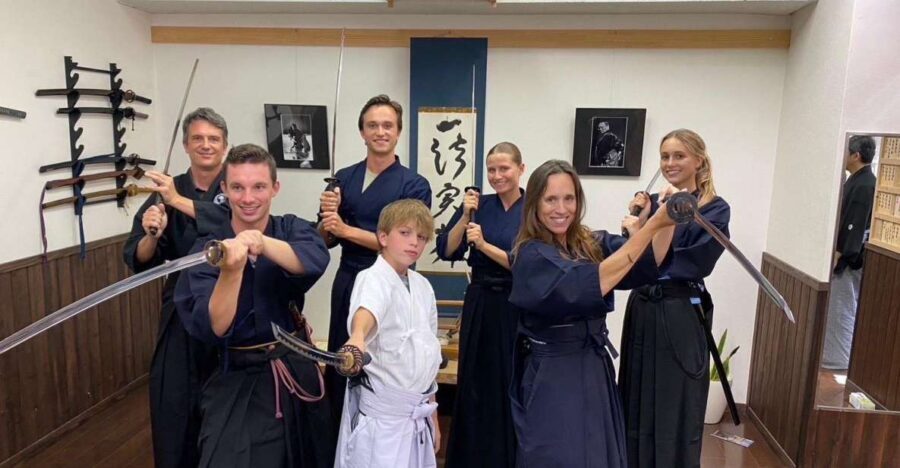
- You train in Iaido fundamentals before any showpiece sword moment
- Rental outfit and katana are included, so you travel light
- You’ll see Shinken used in the master’s demonstration
- Commemorative photos and Q&A help you turn questions into context
- No food or hotel transfer means plan meals and transport yourself
Iaido 101: what you’re actually learning in the Samurai Experience
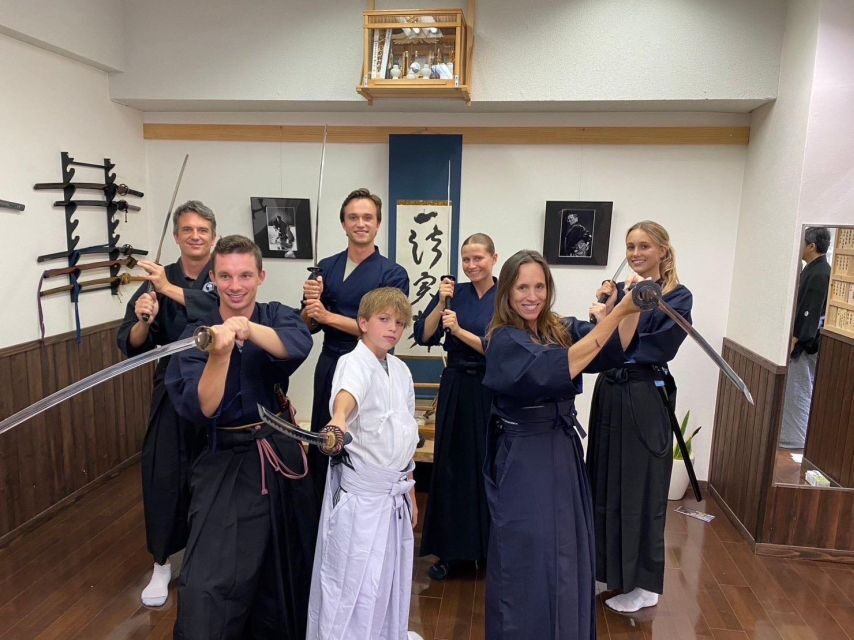
“Iaido” is often described as sword technique practiced with precision and calm focus. In this class, the goal is simple: you learn the basic movements of samurai sword technique and how to handle the katana with the guidance of the master. You’re not expected to be a sword expert on day one. The pacing is designed for first-timers who want a real taste of the discipline.
You also get cultural framing along the way. At the dojo, the instructor explains the summary and basics of samurai practice, and you’ll hear about the Samurai spirit that has been passed down for generations. There’s even a mention of the International Iaido Organization, created so Iaido training could be taught worldwide. That matters because it signals the lesson isn’t just a performance for tourists; it’s tied to a real training tradition you can take home as context.
You can also read our reviews of more tours and experiences in Tokyo.



Finding the dojo: the 3rd-floor meeting point and your first “samurai moment”
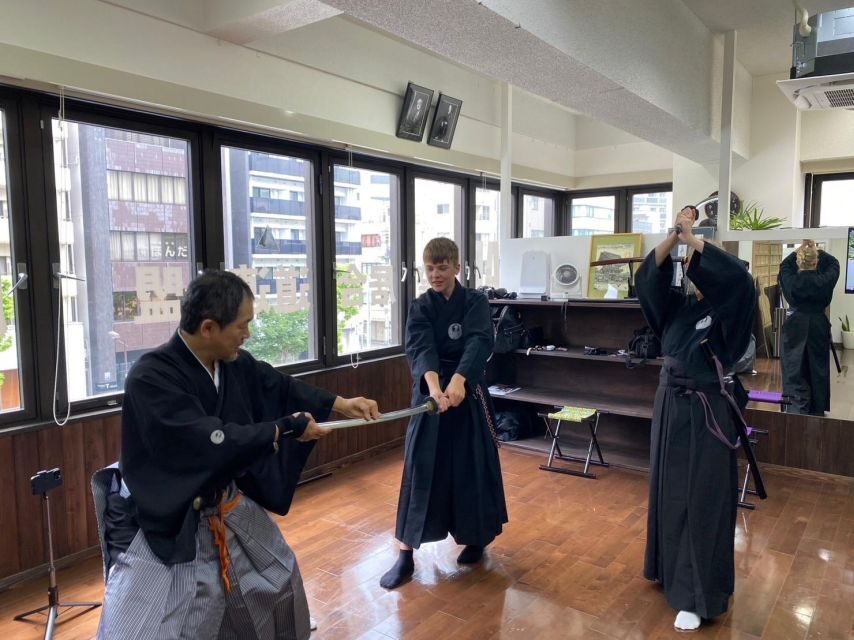
The session begins at the meeting point building, on the 3rd floor. That detail is more important than it sounds. If you show up rushed or without checking the floor, you’ll lose minutes you could spend getting settled and ready to move.
Once you’re there, the first step of the itinerary is changing into the rental outfit. The outfit and katana rental are included, so you won’t be worrying about finding gear or arranging anything in advance. For clothing, keep it practical: wear comfortable clothes you can move in easily. Even if you’re not used to Japanese martial arts attire, the key is comfort so you can focus on form, timing, and following instructions.
And yes, getting into that uniform-style look is part of the magic. It’s the moment where the day stops being just sightseeing and starts feeling like training.
Outfit change and kata basics: where beginners get their footing
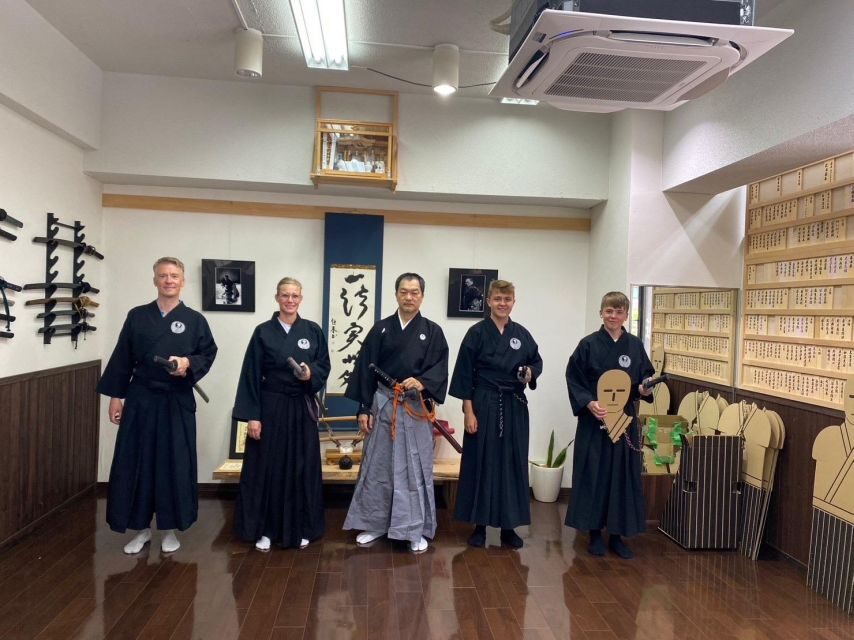
After the outfit change, you jump into practice of the fundamental movements. This is the “build your base” portion of the experience. The master runs you through the key basics so you know what you’re aiming for before the day asks you to do more with the katana.
This part is also where you can set expectations right. You’re learning a sequence of actions, not trying to freestyle. If you’ve never trained in martial arts, that can be reassuring. You’ll get structure, repetition, and corrections as you go.
It’s also a good moment to watch the room. Body alignment, timing, and how you hold your posture will matter more than speed. In Iaido practice, control is the point. If you treat it like a moving photo shoot, you’ll miss what the instructor is trying to fix. If you treat it like a physical checklist you keep improving, you’ll likely enjoy the day a lot more.
Katana practice: learning usage, then using the blade with guidance
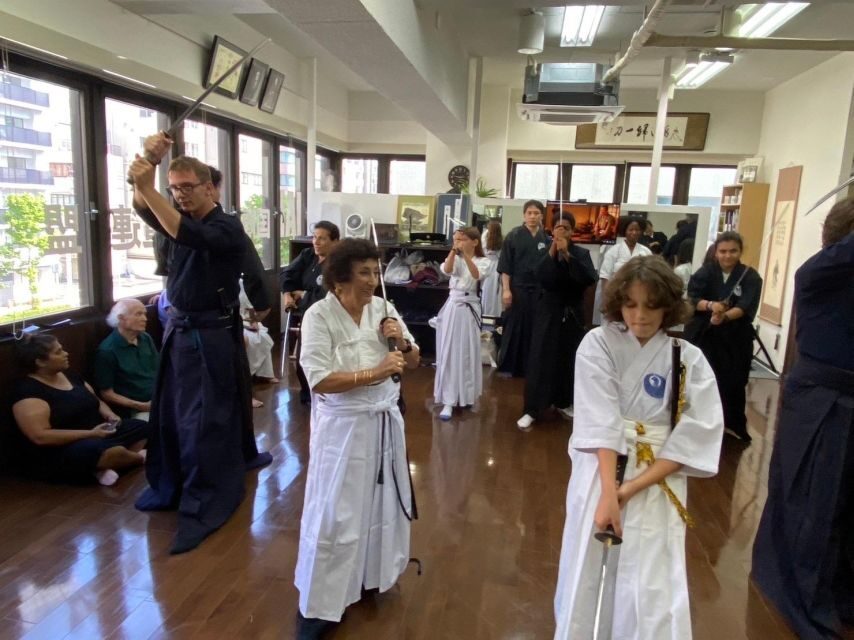
Next comes “learn the usage of katana” and then “practice the use of katana.” In other words, you go from understanding to doing. The master’s guidance matters here, because the technique you’re learning is about correct handling and purposeful movements—not just waving a sword around.
What you should focus on is consistency. Keep your attention on what the instructor demonstrates. If something feels awkward, that’s normal at first. This is a lesson built around fundamentals, and the progression is designed to help you make sense of the movement without needing prior experience.
You’ll also be practicing within a clear itinerary sequence, which helps. When you know what’s coming next, you stop worrying about the logistics of the moment and start improving the technique you’re working on.
The master’s Shinken demonstration: real sword, clear teaching
The highlight moment for many people is the master’s performance with Shinken, meaning a real sword. This is where you see the technique at its most authentic and focused. The important detail is that this segment is demonstration-based. You’re watching the master apply what you’ve learned, with the kind of control that comes from years of practice.
You’ll also see a performance from the pupils in a show-fight style sequence. That element helps you connect the fundamentals to what the discipline looks like when it’s executed with commitment and timing. It’s not just spectacle; it’s also visual reinforcement of the movement patterns and intention.
Even if you only understand part of what you’re seeing, you’ll likely leave with a better sense of what “samurai spirits” means in training terms: discipline, clarity, and respect for the blade and the process.






Photos and Q&A: turning a great show into real understanding
After the demonstrations, you move into commemorative photos with the master and then a Q&A. This is one of the best parts of the day because it’s interactive. Instead of leaving with only impressions, you get a chance to ask practical questions and make the experience connect to the bigger picture of Japanese martial arts.
Use the Q&A for specifics you actually care about, like what part of your movement needs attention or how the instructor thinks a beginner should approach practice. If you’re interested in Japanese culture through martial arts, you can also ask how the discipline ties back to samurai-era values and training traditions.
The photo moment is quick, but it’s a nice “I did this” anchor. You’ll have something to remember the feeling of training in that dojo setting, not just a memory of watching from the sidelines.
Price and value for $161: what you get (and what you must add)
At $161 per person for a 1-day experience, this is not a budget activity. The value comes from the package: the activity fee includes rental outfits and katana, plus travel insurance. That’s a meaningful cost to offset, especially since you don’t have to source equipment or worry about extra fees once you arrive.
You should also factor in what is not included. Food and drinks are not part of the tour, and there’s no hotel pickup or drop-off. Practically, that means you’ll want to plan a meal before or after the session, and budget transit time to reach the meeting point building. If you’re combining this with other Kanto sightseeing, build your day around it so you’re not rushing to find food afterward.
For value, I’d frame it like this: you’re paying for structured instruction, hands-on practice time, real-sword demonstration context, and a full “day in the dojo” experience that doesn’t end when the class ends.
Who should book this Iaido lesson (and who should reconsider)
This Samurai Experience is a strong fit if you:
- Love Japanese culture and want more than museum-level exposure
- Want hands-on practice, not just a performance
- Enjoy structured lessons where you can improve through repetition
- Like the idea of learning the first steps of Iaido, then seeing it explained through the master’s demonstrations
It also has clear limits. The activity is not suitable for children under 5, and it’s not suitable for wheelchair users. If you’re traveling with someone who uses a wheelchair, this is likely not the right activity based on the provided accessibility information.
If you’re someone who dislikes physical activity at all, this might feel like a mismatch, even though it’s designed for beginners. It’s still training with movements, posture, and focus. Wear comfortable clothing and be ready to move.
Should you book the Samurai Iaido Experience?
If you want an authentic, structured taste of Iaido in a dojo setting, I think this is an easy yes. You get a complete flow: outfit change, fundamentals, katana usage practice, the master’s Shinken demonstration, photos, and Q&A. That’s a lot packed into a single day, and the included rental gear makes it practical.
The main reason to hesitate is also simple: it’s $161, and you need to handle your own food and transport. If your schedule is tight, or you were hoping for a guided pickup-and-drop service plus included meals, you may feel frustrated.
But if you’re the type who likes learning by doing—and you want to understand samurai sword technique in a real training context—this is one of those activities that tends to satisfy both the history brain and the hands-on learner.
FAQ
What is the duration of the Samurai Experience (Iaido)?
The experience lasts 1 day. Starting times vary, so you’ll need to check availability for the time options.
Where does the Iaido class meet?
The Iaido session is held on the 3rd floor of the meeting point building.
What is included in the price?
The price includes the activity fee, rental outfits and katana, and travel insurance.
Is food and drinks included?
No. Food and drinks are not included.
Do they provide hotel pick-up and drop-off?
No. Hotel pick-up and drop-off are not included.
What language is the instruction available in?
The instructor offers English and Japanese instruction.
What should I wear or bring?
Wear comfortable clothes. The experience provides rental outfits and katana.
Is the experience suitable for young children?
No. It is not suitable for children under 5 years old.
Is the experience wheelchair accessible?
No. It is not suitable for wheelchair users.
Can I cancel for a refund?
Yes. Free cancellation is available up to 24 hours in advance for a full refund.