Hiroshima shows both loss and quiet beauty. This full-day outing balances Peace Tourism with nature and culture, starting at the mountain Buddhist temple Mitaki-dera and moving through Shukkei-en’s garden design before you end up at the Peace Memorial Park and Museum. I especially liked the chance to walk the temple grounds with real context on Buddhism in Japan, and then stand in the area around the Atomic Bomb Dome with time to think and read. One catch: lunch isn’t included, so you’ll want to plan ahead and use the free time wisely.
I also liked how the day is paced by an English-speaking guide, with a small group size capped at 15 people, which keeps the stories clear and the questions practical. My guide, Isabella, was enthusiastic and well read on both history and daily-life culture, and her lunch recommendation paid off. You’ll be on public transport between stops for much of the day, so wear shoes that handle walking and stairs without drama.
In This Review
- Key Things You’ll Notice on This Hiroshima Day
- A Peace-Plus Route That Makes Sense for One Day
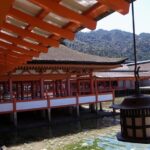
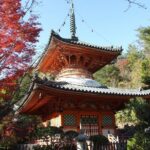
- Mitaki-dera Temple in the Hills: Buddhism With a View
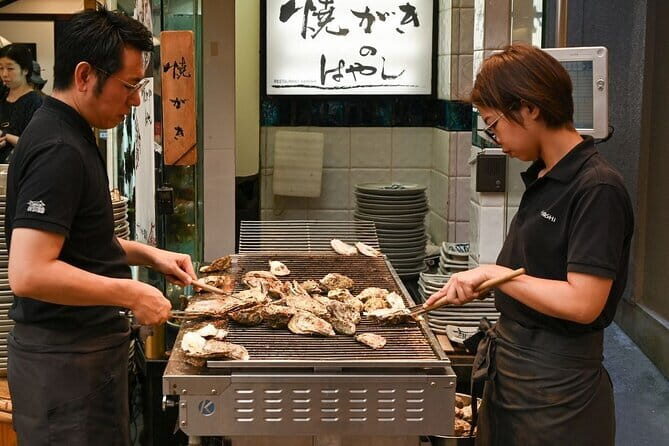
- Hondori Shopping Street: A Breather (and Your Lunch Move)
- Shukkei-en Garden: How Japanese Garden Principles Work
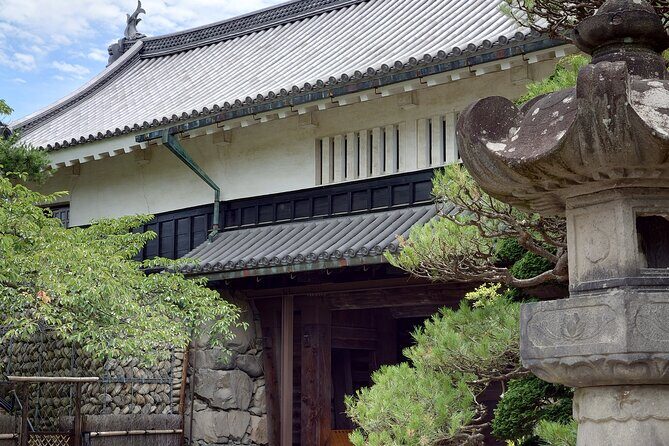
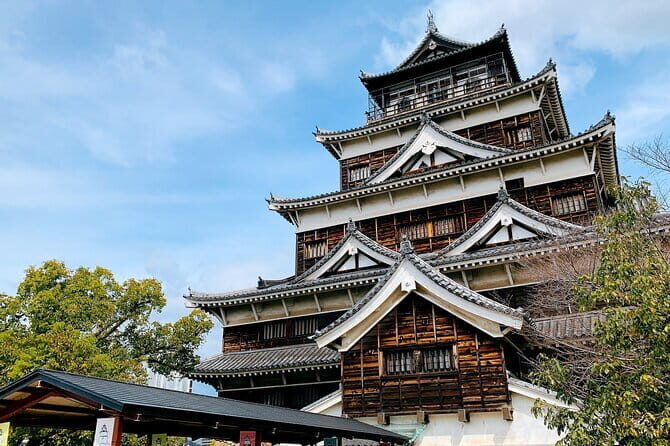
- Hiroshima Castle Ruins: Sengoku-Era Origins in Plain Terms
- Peace Memorial Park and Museum: Atomic Bomb Dome and Reflection Time
- What’s Included (and What You’ll Need to Handle)
- Price and Value: Is $148.93 a Good Deal?
- Group Size and Comfort: Why It Feels Manageable
- Who Should Book This Hiroshima Full-Day Tour
- Should You Book This Hiroshima Peace and Nature Tour?
- FAQ
- How long is the Hiroshima full-day tour?
- What is the price per person?
- What time does the tour start, and where does it meet?
- Is lunch included?
- What’s included in the tour price?
- What are the main stops during the day?
- Is the tour group large?
- Do I get an electronic ticket?
- What if I need to cancel?
Key Things You’ll Notice on This Hiroshima Day
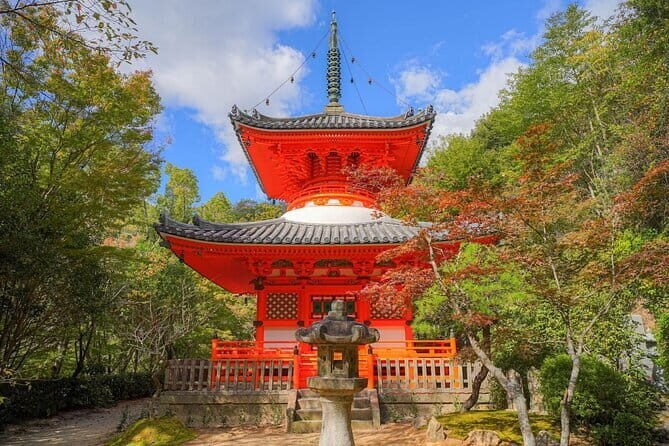
- Mitaki-dera’s mountain setting: cooler air, temple calm, and Buddhism taught in context
- Peace Memorial Park with time to absorb: Atomic Bomb Dome viewing plus Peace Memorial Museum access
- Shukkei-en Garden design explained: main-pond stroll, tea houses, bridges, and hills with guidance
- Sengoku-era perspective: Hiroshima Castle ruins framed as a castle-town origin story
- A real break on Hondori Shopping Street: 2 hours of free time for snacks or wandering
- Small-group focus: up to 15 people, English guide, and included entry fees and transit
A Peace-Plus Route That Makes Sense for One Day
This tour is built for people who want Hiroshima beyond the headline sites. You’ll start with a temple visit away from the city center, then shift into a Japanese-garden mindset, and only later tackle the heavy material in the Peace Memorial area. That order matters: it helps you move from quiet observation to reflection without feeling rushed.
The full schedule runs about 8 hours and keeps you moving by public transport between stops. You’re also not stuck figuring out entry lines and timing—entry fees are covered, and the guide keeps the day stitched together. For the price, you’re paying for that structure: an English guide, admissions, included transportation between activities, and even origami paper for paper cranes.
If you’re short on time in Hiroshima, this format is a strong choice. You’ll see major anchors and also pick up smaller cultural context that makes the city feel more lived-in.
A few more Hiroshima tours and experiences worth a look

Mitaki-dera Temple in the Hills: Buddhism With a View
Mitaki-dera is the first stop, and it’s chosen for a reason. You’ll head into the mountains and visit a Buddhist temple that feels far removed from the urban pace of Hiroshima, which sets the tone for the day. Admission is free on this part of the tour, so you can focus on the experience rather than budgeting for yet another ticket.
On site, the guide leads you on a walk around the temple grounds. You’ll learn about Buddhism in Japan, not just facts to memorize, but the kind of background that helps you read what you’re seeing—temple spaces, religious symbolism, and the rhythm of how people experience sacred places.
Practical note: even though this isn’t described as an extreme hike, temple grounds in mountainous areas usually mean uneven walking and a bit of stair/route navigation. I’d wear shoes you trust, and keep a light layer handy because the hills can feel cooler.
This stop is also a useful reset. By the time you leave Mitaki-dera, Hiroshima won’t just be a memory of 1945—it’ll be a city with ongoing spiritual and cultural life.
Hondori Shopping Street: A Breather (and Your Lunch Move)
After returning to the city, the tour gives you 2 hours of free time near Hondori Shopping Street. This is a smart placement in the day because it breaks up the heavier stops and gives you space to recharge.
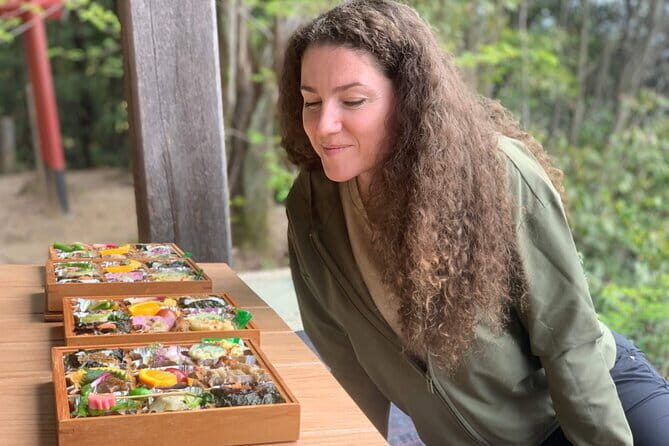
What you should expect here is simple: walking, browsing, and picking something to eat or drink when you’re ready. The tour itself doesn’t include lunch, so this is where you’ll make your decision. In my experience, having a guide who can point you toward something good saves time, especially when your Japanese is limited.
If you want to travel lightly, you can treat Hondori as your practical hub. Grab water, a snack, or whatever keeps you comfortable before the Peace Memorial Park area. You’ll also have a chance to do some casual people-watching and street-level shopping without turning it into a full side trip.
Shukkei-en Garden: How Japanese Garden Principles Work
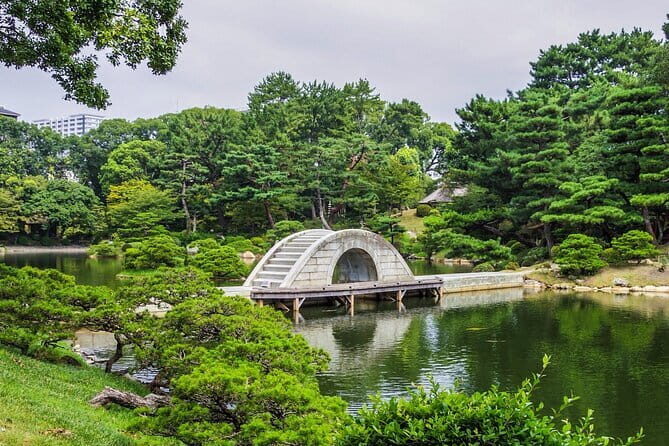
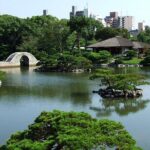
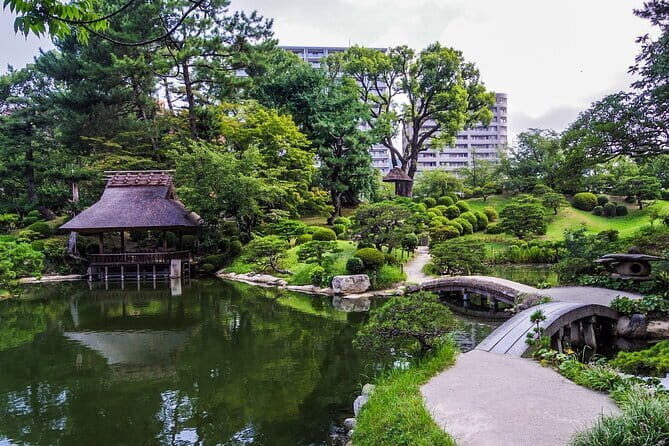
Shukkei-en is where the day shifts from buildings and streets into design. The garden visit runs about 1 hour and includes admission, so once you’re there you can just follow the guide’s pace and explanations.
You’ll take a leisurely stroll around the main pond, and the experience is built around the garden’s carefully framed viewpoints. Expect to pass tea houses, bridges, and hills, with pauses at the best photo spots. The guide also shares the main principles behind Japanese gardens, which turns the garden from something you wander through into something you can actually read.
Here’s what that means for you: instead of looking at Shukkei-en like a pretty background, you’ll start noticing how the layout guides your movement. Ponds and bridges aren’t random. They’re part of how the garden creates views and quiet moments.
This stop is a good fit if you like slow travel. It’s not a sprint, and the explanations help you appreciate the design even if you’re not a garden expert.
If it’s rainy, expect slick surfaces. Bring shoes with grip and keep an eye on footing around water-adjacent areas.
Hiroshima Castle Ruins: Sengoku-Era Origins in Plain Terms
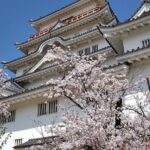
Next up is a history stop: Hiroshima Castle ruins and the story of how Hiroshima began as a castle town during the Sengoku Period. This is valuable because it gives you context that most Peace Memorial visits don’t provide.
Standing near castle remnants (even when it’s ruins rather than a restored fortress) helps you understand the strategic importance of the region. It also gives your brain a different timeline to hold: not only the 1945 bombing, but the centuries of power, defense, and governance that shaped Hiroshima long before modern history.
The payoff is perspective. When you later walk around memorial spaces, you’ll be thinking in layers—city development, conflict, rebuilding, and the human cost that reshaped Hiroshima’s identity.
This stop also balances the emotional weight of Peace Memorial Park. It’s not light, but it’s less personal in tone, and it helps keep the day from feeling like one long concentration exercise.
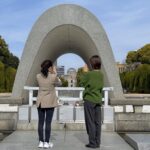
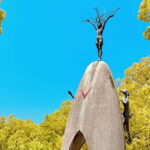

Peace Memorial Park and Museum: Atomic Bomb Dome and Reflection Time
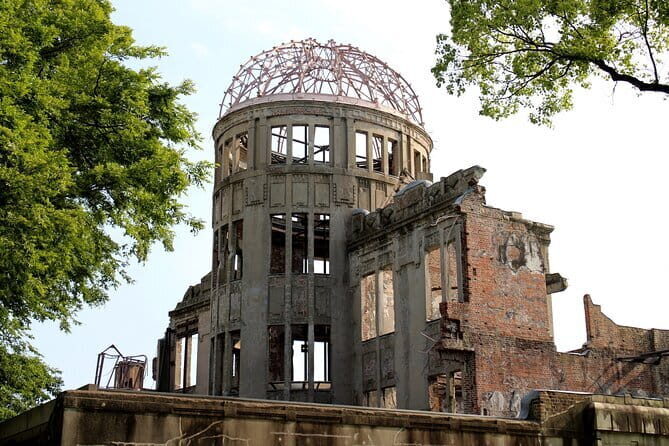
Peace Memorial Park is the heart of the tour’s “Peace Tourism” theme. You’ll spend about 2 hours here, and you’ll visit the Atomic Bomb Dome area and the Peace Memorial Museum.
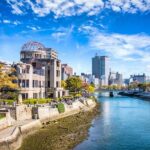
One detail I appreciate is that the Atomic Bomb Dome is treated as more than a haunting silhouette. You’ll learn that the building was inaugurated in 1915 and originally connected to exhibiting and selling products from Hiroshima Prefecture. Understanding that helps you grasp the shock of what it became—and why the site carries such weight.
In the museum and around the memorial grounds, the focus is on traces of the atomic bombing and monuments built to honor victims. This is where the tour asks you to reflect on the concept of peace. It’s not a show; it’s a structured way to see what happened, then sit with what it means.
If you’re the type who needs time to process, this schedule works better than some rapid half-day options. You get enough time to read and look without sprinting from one display to the next.
Practical tip: bring a little patience. This area draws attention from the world, and you’ll likely move at a respectful, slower pace. Also, expect crowds near the Dome. Start your focus early and don’t rely on perfect photo angles—this is about comprehension more than snapshots.
What’s Included (and What You’ll Need to Handle)
This tour includes several things that matter on a one-day schedule:
- English speaking guide
- Entry fees at tour locations
- Transportation between activities using public transport
- Origami paper for paper cranes
- Paper crane materials are a thoughtful touch, since folding something small can be a calmer way to engage with the day’s meaning.
What’s not included is straightforward but important:
- Lunch
- Accommodation
- Transportation to the meeting point
That lunch gap is why the Hondori free time is so useful. If you don’t want to think on the spot, decide beforehand what kind of food you’ll look for—something quick and filling so you’re not hungry during the Peace Memorial Park section.
Also, you should budget energy for walking. The day is structured, but you’re still moving across multiple neighborhoods and sites. Start with water and a snack you can carry if needed.
Price and Value: Is $148.93 a Good Deal?
At $148.93 per person, the price isn’t low. But it’s also not just for a guide wandering beside you. You’re paying for a full day’s worth of value:
You get an English-speaking guide, covered admissions, and public-transport coordination between stops. When you add up standalone ticket costs plus the hassle of building a route across far-flung sites, the guided format starts to look more reasonable.
You also get time planning benefits: your schedule is organized into distinct themes—temple, garden, castle origins, and peace sites—so you don’t lose time figuring out what to prioritize. For many visitors, that time savings is the real value.
If you already have a tight plan and can independently handle everything (tickets, transit, translations), you could do parts on your own. But for most people, paying for an organized day is the smoother route, especially in a city where distance and transit choices can be confusing.
In short: if you want peace, nature, and culture under one roof, this price is easier to justify.
Group Size and Comfort: Why It Feels Manageable
The tour caps at 15 travelers, which is a sweet spot. Small enough to feel personal, large enough that the schedule still runs efficiently.
Because the guide is responsible for keeping the group together, it’s easier to focus on the sights instead of constantly checking transit apps. It also helps during museum time—you can listen for key context, then look on your own without feeling like you missed something.
You’ll also use a mobile ticket, which cuts down on printed paperwork and speeds entry for included sites. That’s a small detail, but on a day with multiple stops, it adds up.
If you’re someone who dislikes rushing and prefers guided explanations that connect the dots, this format is a good match.
Who Should Book This Hiroshima Full-Day Tour
This is ideal if you want a full day that balances emotion and everyday culture. It’s also a strong fit if you like learning from a guide instead of reading alone at each stop.
You’ll especially like it if:
- You want Peace Memorial Park and Museum time but also need context beyond 1945
- You enjoy cultural stops like a Buddhist temple and Shukkei-en’s garden design
- You want a structured schedule that reduces planning stress
- You prefer traveling with an English guide who can explain what you’re seeing
It may feel like too much if you want a slow, unstructured day. The day is packed into about 8 hours, and you’ll move between several distinct areas.
Should You Book This Hiroshima Peace and Nature Tour?
I’d book it if you want the best of Hiroshima in one shot without turning it into a logistics puzzle. The combination of Mitaki-dera, Shukkei-en, and Hiroshima’s Sengoku-era origins alongside the Peace Memorial sites gives you a fuller city picture than Peace stops alone.
Choose it if you value an English guide who can connect religion, garden design, and history to what you’re physically looking at. And if you take the lunch planning part seriously—by eating during your Hondori break—you’ll have a smoother, more comfortable day.
Skip it only if you already have a detailed independent itinerary and don’t want organized pacing. Otherwise, this is a solid value purchase for a memorable Hiroshima day.
FAQ
How long is the Hiroshima full-day tour?
The tour is about 8 hours.
What is the price per person?
The price is $148.93 per person.
What time does the tour start, and where does it meet?
It starts at 9:00 am. The meeting point is 7-Eleven at ekie Hiroshima Shinkansen Exit, 2F.
Is lunch included?
No. Lunch is not included.
What’s included in the tour price?
An English speaking guide, origami paper for paper cranes, entry fees at all tour locations, and transportation between activities using public transport are included.
What are the main stops during the day?
You’ll visit Mitaki-dera, Shukkei-en Garden, Hondori Shopping Street (free time), Hiroshima Castle ruins, and Hiroshima Peace Memorial Park (including the Atomic Bomb Dome) and the Peace Memorial Museum.
Is the tour group large?
No. The maximum group size is 15 people.
Do I get an electronic ticket?
Yes. The tour includes a mobile ticket.
What if I need to cancel?
Free cancellation is available up to 24 hours before the experience’s start time for a full refund.