REVIEW · HIROSHIMA
Hiroshima and Miyajima Full Day Private Tour
Book on Viator →Operated by 888tour · Bookable on Viator
Eight hours, two places, one hard-to-forget lesson.
This private Hiroshima and Miyajima tour starts at the Peace Memorial Museum and then strings together the city’s biggest historic sights with a local guide who can adjust the day to your interests and your pace.
I love that the core admissions are handled for you, including the Peace Memorial Museum, Shukkeien Garden, Hiroshima Castle, and the Itsukushima Shrine entry. I also love the way the guide experience shows up in the details: guides such as Masa and Aya get praised for clear explanations, good energy, and tailoring the route so you ask questions and actually understand what you’re seeing.
My main caution is simple: you’ll be outside a lot, and Japan summers can be brutal. With summer temperatures often topping 35°C, plan for outdoor walking time and bring real shade and water.
In This Review
- Key highlights to know before you go
- How a Private Guide Shapes the Day in Hiroshima and Miyajima
- Hiroshima Peace Memorial Museum: Time to Read, Not Race
- Atomic Bomb Dome and Hiroshima Castle: Two Tones of the Same Story
- Shukkeien Garden: A Slow Pause Between Heavy Sites
- Miyajima Torii Gate, Omotesandō, and the Shrine at Ground Level
- Walking, Heat, and Transit Tips That Actually Matter
- Price and Value: What $167.50 Covers and What You Handle
- Should You Book This Private Tour of Hiroshima and Miyajima?
- FAQ
- How long is the Hiroshima and Miyajima full day private tour?
- Is this tour private?
- What’s included in the price?
- What is the tour meeting point and where does it end?
- Will Hiroshima Castle be open during my visit?
- What if weather is bad or plans change?
Key highlights to know before you go

- Private and flexible: your guide can adjust beyond the standard stops based on timing and interests
- Admissions included: museum, garden, castle, and Itsukushima Shrine entry are covered
- A strong Hiroshima arc: Peace Memorial Museum, Atomic Bomb Dome, and Hiroshima Castle in one day
- Miyajima at human pace: Torii Gate views plus shopping street time and shrine time
- Guides earn the praise: people mention strong communication and helpful lunch help, including vegan options
- Heat is real: bring water, shade, and pace yourself for long outdoor stretches
How a Private Guide Shapes the Day in Hiroshima and Miyajima
A private tour here works because Hiroshima and Miyajima don’t reward rushing. You’re moving between heavy history and calmer beauty, and the best moments come from context: why a place matters, what you’re looking at, and what to notice as you walk.
This day is built around about 8 hours of time with a guide, and you’re not stuck with a fixed crowd schedule. The operator also notes that the plan is a reference, and that not all stops may happen if timing, preferences, or traffic make it impossible. That sounds like a downside, but it’s actually a reality check: Miyajima especially can eat time if the ferries, lines, or foot traffic get messy. Having a guide lets the day flex instead of breaking.
One more practical benefit: the tour is designed as a mobile-ticket experience. That can cut down on ticket-window stress, especially on busy days.
If you care about the story behind the sights, look for guides who focus on explanation and pacing. In past tours, people specifically called out guides like Masa, Aya, and Masako for keeping things moving while still answering questions, and for being friendly and patient.
The tradeoff with any private walking tour is effort. You’re trading buses and cars for feet on pavement and steps up and down in places like gardens and shrine areas. Plan to walk, and you’ll get a smoother, more satisfying day.
You can also read our reviews of more private tours in Hiroshima


Hiroshima Peace Memorial Museum: Time to Read, Not Race
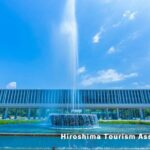
Your day starts at the Peace Memorial Museum. The museum is emotional, and it’s also information-heavy. The time suggestion here is about 2 hours, which is enough to see the main exhibits without turning it into a sprint.
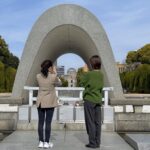
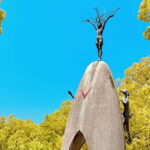
What I like about starting with the museum is that it sets your brain before you step outside. The park is spacious—around 120,000 square meters—with trees and lawns that give people breathing room. It helps that the park is also where locals relax, not just a monument zone. You’ll feel that mix of calm and gravity in the air the moment you arrive.
One practical tip from past experiences: the museum can be crowded. If you’re sensitive to crowds or air quality, it’s smart to plan for that. A simple mask can make the experience easier to handle without changing what you take in.
In the best-guided versions of this tour, your guide doesn’t just point at things. They help you connect details. That matters here. This is the kind of site where understanding turns the visit from seeing panels to actually grasping meaning.
If you’re the type who likes to ask questions, this is a good stop to do it. Several guides have been praised for answering curiosity in a way that felt natural, not like a script.
If you’re not a museum person, you’ll still find the time useful because the museum gives you the vocabulary for what you’ll see later at the Atomic Bomb Dome.
Atomic Bomb Dome and Hiroshima Castle: Two Tones of the Same Story
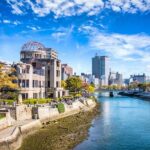
After the museum, you’ll head to the Atomic Bomb Dome, with about 30 minutes suggested there. Even in a short window, it’s a site you can’t really speed through, because the building reads like a message. It survived directly beneath the explosion’s epicenter, which is exactly why the place became such a powerful peace symbol.
Here’s the rhythm I recommend: let your eyes adjust before you take photos. Spend the first few minutes just looking at the structure and the way it sits among modern Hiroshima. Then ask your guide what to notice. With the better-guided days, people mention getting specific stories and context that you won’t get just by wandering.
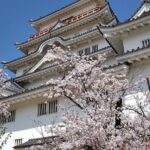
Then comes Hiroshima Castle, built during the Warring States period. The tour gives about 1 hour, and admission is included. The catch: even if the castle is part of the plan, timing and closures can affect what you actually get.
One date-specific note that matters if you’re traveling in the future: Hiroshima Castle is listed as closed for renovation starting March 23, 2026. If your trip falls around then, confirm what your guide will do instead.
Why the castle fits well after the Dome: it shifts the focus from shock and loss toward resilience, rebuilding, and the long sweep of Japanese history. It’s not a lighter stop, but it’s a different lens.
Be realistic about the time. In a perfect day, you’ll see the castle from the right angles and have a guided walk inside if the schedule allows. In weaker versions of the experience, some people felt the castle was treated like a quick checkmark. So if castle interior time matters to you, communicate that preference early and be ready to adjust if the schedule tightens.
Shukkeien Garden: A Slow Pause Between Heavy Sites
Next is Shukkeien Garden, with about 1 hour and admission included. This is your decompression stop. After Peace Memorial Park and the Dome, you want a place where your eyes can rest.
Shukkeien is known as a blend of traditional Japanese garden design and intricate landscaping. The setting gives you a reason to slow down and notice the details: paths, views that open and close as you walk, and seasonal feel in how the garden frames the world around it.
The garden’s value on this itinerary is pacing. A private day that includes both Hiroshima’s hardest locations and a calmer environment needs this kind of pause. Otherwise, everything can feel like one long emotional overload.
There’s also a practical benefit: gardens structure your walking. You don’t feel like you’re wandering aimlessly across a city. You follow a loop, you stop at the view points, and you get a natural time box.
One caution to keep in mind: because the day is flexible and subject to time constraints, the garden can be skipped on some schedules. If Shukkeien is a must-see for you, prioritize it in your own decision-making and watch the timing once you’re in Hiroshima.
Miyajima Torii Gate, Omotesandō, and the Shrine at Ground Level
Then you switch to Miyajima, where the atmosphere changes fast. On this day, the tour includes the view area for the Itsukushima Shrine Torii Gate (about 30 minutes, with entry free at that specific stop) plus time on Omotesandō Shopping Street (about 1 hour), and then the Itsukushima Shrine itself (about 2 hours, with admission included).
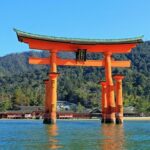
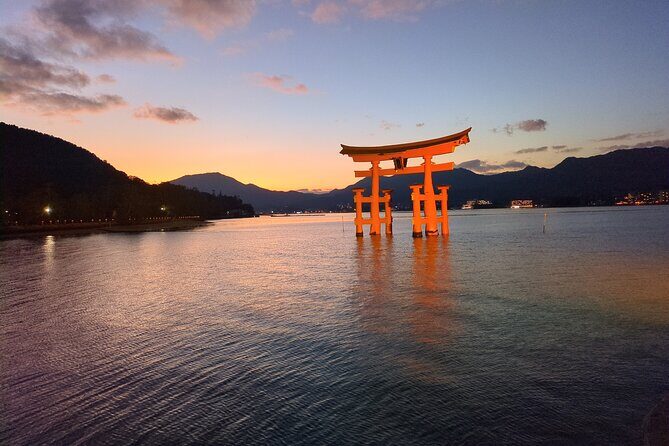
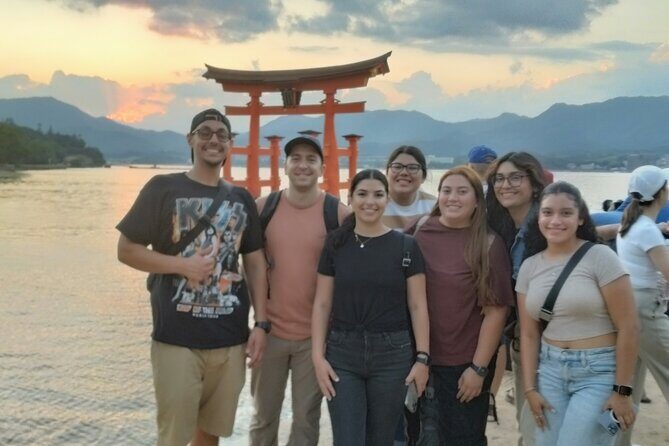
Start with the Torii Gate. The big detail is that it’s treated as a symbol of Japan’s beauty and history, and it sits in the sea so the effect changes with the tide. Your guide can help you understand what you’re seeing as you stand there, which is useful because the visuals can be easy to take for granted if you don’t know the significance.
From there, Omotesandō Shopping Street is your reset. It’s where you get the fun, everyday side of Miyajima: traditional shops, souvenir browsing, and snack stops. Even if you don’t plan to buy anything big, it’s a good stretch for legs and a way to feel the island’s rhythm.
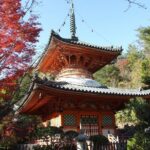
Finally, the Itsukushima Shrine is where the time pays off. This shrine is UNESCO World Heritage, and it traces back to 593 AD. You’ll see the vermilion-painted Great Torii Gate and the shrine’s architectural relationship with the coastline. The suggested 2 hours is enough for a calm walk and several moments of just watching people move through the space.
If you like photos, plan for them, but don’t let photos replace attention. The best experience comes from moving slowly enough to notice the structure and the layout, not only the famous views.
Also, Miyajima can be busy. The more you can rely on your guide to manage the flow of time, the more likely you’ll get the shrine experience you hoped for instead of a rushed walkthrough.
A few more Hiroshima tours and experiences worth a look

Walking, Heat, and Transit Tips That Actually Matter
This is a walking-forward full day. Even when transport connects stops, you’ll still cover distance between sights. The operator explicitly warns about summer heat, especially in August, where temperatures often exceed 35°C. That warning isn’t just for drama. It affects your mood and your ability to enjoy the day.
I’d treat heat like a real itinerary constraint:
- Start early if possible so you hit iconic outdoor sights before the strongest sun
- Carry water and take shade breaks when you can
- Wear comfortable shoes for uneven paths and stairs
You should also know that lunch isn’t included. In the better-guided versions of this day, guides have helped people find strong options, including vegan-friendly meals. That’s a big deal in Japan, where it can be hard to guess restaurant menus without help.
Transportation is the other practical note. Hotel pickup/drop-off and a private vehicle aren’t included. The meeting point is at the Peace Memorial Museum in central Hiroshima, and the day ends at Miyajima Pier. You’ll handle your own getting to the meeting point and then get yourself home after the finish unless your plans line up with how the day is being managed.
The good news: several guides have been praised specifically for helping people access public transportation and keep the day on track. In weaker days, people complained the guide focused too much on a checklist rather than guiding. The difference for you is whether your guide can help you navigate smoothly when you hit real-world friction like delays and crowd flow.
Price and Value: What $167.50 Covers and What You Handle
At $167.50 per person, this isn’t an impulse buy, so you should judge it like one. The value is that key admissions are included: Hiroshima Peace Memorial Museum, Hiroshima Castle, Shukkeien Garden, and Itsukushima Shrine entry. The Atomic Bomb Dome area and the Torii Gate stop are free admissions at those points.
So the question becomes: are you paying for time, guidance, and reduced ticket hassle? If yes, this pricing can make sense. A private guide can also reduce wasted minutes, and that matters because you only have about 8 hours.
The other value piece is interpretive help. Places like the Peace Memorial Museum and the Atomic Bomb Dome can feel like landmarks until you understand the details behind them. When the guide does that well, the day changes from sightseeing to understanding.
But there are real tradeoffs. Not everyone gets the same experience quality. One low-rated account complained about English skills and a guide who treated the day like a checklist, even skipping some stops. Another complaint focused on the feeling that the tour cost was high given that transportation from your hotel isn’t included.
Here’s my practical way to decide:
- If you want someone to explain the Hiroshima sites deeply and manage timing, the price can feel fair.
- If you prefer total independence and you don’t care about guided context, you may think the cost is harder to justify.
Also, watch the castle renovation issue if your dates overlap. Since admission fees are listed for Hiroshima Castle but the castle has a renovation closure from March 23, 2026, your expectations should match your travel dates.
Finally, remember that lunch isn’t included. You’ll need to budget food, snacks, and whatever you pick up on Omotesandō Shopping Street.
Should You Book This Private Tour of Hiroshima and Miyajima?

If you’re trying to do Hiroshima and Miyajima in one day and you care about context, this private format is a solid choice. I like it most for people who want the emotional arc of Hiroshima handled thoughtfully and then want the calm beauty of Miyajima without planning every step.
Book it if:
- You want a guide to explain what you’re seeing, not just point at buildings
- You want admissions handled for the big stops
- You’re okay with walking and heat
- You can arrive at the meeting point on your own
Skip or rethink it if:
- Hiroshima Castle interior access matters and your dates fall during the March 23, 2026 renovation period
- You dislike walking in summer and you don’t want to manage shade and breaks
- You prefer independent pace with no chance of a stop getting cut due to timing or traffic
My final advice is straightforward: if Hiroshima and Miyajima are the centerpiece of your trip, paying for a private guide is often worth it. Just make sure you’re booking for the kind of day you actually want, not for the schedule alone.
FAQ
How long is the Hiroshima and Miyajima full day private tour?
It’s listed as about 8 hours.
Is this tour private?
Yes. It’s a private tour/activity, so only your group participates.
What’s included in the price?
The tour includes an English-speaking local guide, admission to the Hiroshima Peace Memorial Museum, admission to Hiroshima Castle, Shukkeien Garden, and Itsukushima Shrine. The tour is also described as using a mobile ticket.
What is the tour meeting point and where does it end?
You meet at Hiroshima Peace Memorial Museum (1-2 Nakajimachō, Naka Ward, Hiroshima) and the tour ends at Miyajima Pier (宮島桟橋) in Miyajimacho, Hatsukaichi.
Will Hiroshima Castle be open during my visit?
The tour details note that Hiroshima Castle admission is included but the castle is closed for renovation from March 23, 2026, so access may change depending on your dates.
What if weather is bad or plans change?
The experience requires good weather. If it’s canceled due to poor weather, you’ll be offered a different date or a full refund. Free cancellation is available up to 24 hours in advance for a full refund.