REVIEW · HIROSHIMA
Visit behind the Scenes: Hiroshima Saijo Sake Brewery Tour
Book on Viator →Operated by みちしるべ · Bookable on Viator
Sake culture in Saijo feels personal. You’ll line up at three breweries plus Mitate Shrine, then compare what each producer does differently in one smooth afternoon route. I like tours that don’t just show bottles; this one walks you through the setting, the process, and the people who keep sake traditions running.
My favorite part is the calligraphy workshop at Sanyotsuru, done with spring water from Mount Ryuo and sumi ink. You’ll grind ink, write, and make an original label-style souvenir on paper used for authentic sake labels—so you leave with something you actually made, not just something you bought.
One consideration: this is a tasting-and-comparison experience, so if you’re sensitive to alcohol—or you’re under 20—you’ll want to flag that when booking.
In This Review
- Key highlights you’ll remember
- Why Saijo sake tastes different before you even sip
- The afternoon rhythm: timing, pacing, and what the schedule really means
- Stop 1 at Mitate Shrine: where sake and community meet
- Stop 2 at Kamotsuru: using museum-style exhibits to understand the brew
- Stop 3 at Hakubotan: a Tenpo Brewery factory look after the theory
- Stop 4 at Sanyotsuru: calligraphy with Mount Ryuo spring water (and a made-by-you label)
- Tasting and comparisons: how to enjoy it without getting overwhelmed
- Price and value: what $117.27 covers (and why it feels fair)
- Who this tour fits best (and who should reconsider)
- Practical bits that matter on the day
- Should you book the Hiroshima Saijo Sake Brewery Tour?
- FAQ
- How long is the Hiroshima Saijo sake brewery tour?
- What time does the tour start?
- Where is the meeting point?
- What stops are included on the tour?
- Is the calligraphy experience at Sanyotsuru included?
- Is transportation to the meeting point included?
Key highlights you’ll remember
- Mitate Shrine stop tied to Saijo’s sake makers, where local brewers pray for good brewing
- Kamotsuru museum shop with displays that explain the sake brewing process
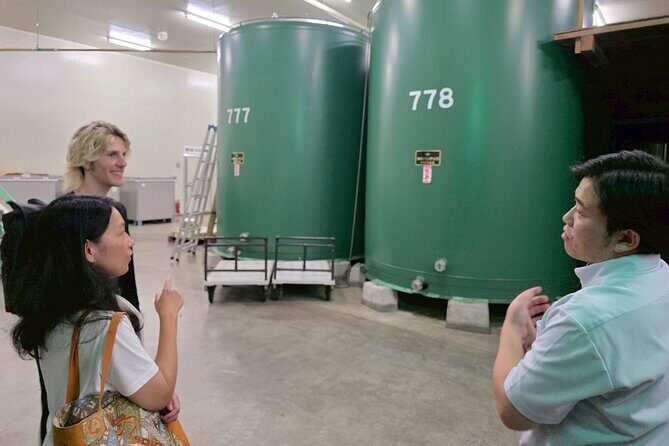
- Hakubotan brewery with a special factory tour of their Tenpo Brewery (a rarer look than a standard storefront visit)
- Sanyotsuru calligraphy using Mount Ryuo spring water and sumi ink, plus your own label souvenir
- Small group size (max 5) which makes tasting questions and explanations easier to follow
Why Saijo sake tastes different before you even sip
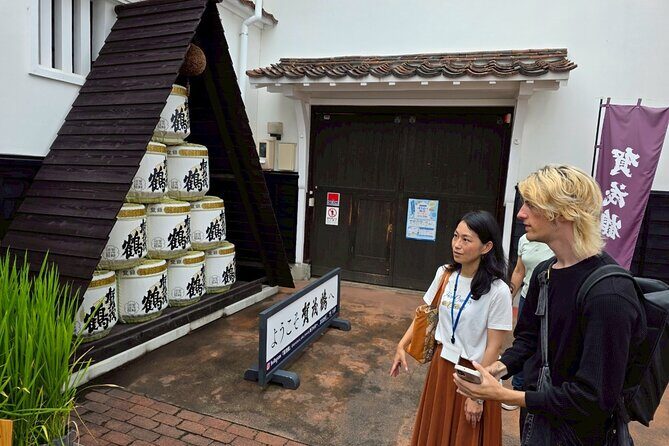
Saijo is a place where sake isn’t a museum topic. It’s tied to local faith, local craft, and the everyday landscape—especially the idea of clean, consistent water. That’s why this tour works: it starts with people and place, then moves into tools and process, and ends with hands-on making.
You’ll get a real sense of how Japanese hospitality shows up in the details. At each stop, the rhythm is calm and purposeful. You’re not herded through a “checklist” of photos. Instead, you’re guided through what matters: why these breweries exist, what they protect, and how the final flavor lands.
And yes, the tasting comparisons matter. You’ll be able to connect the taste to what you just saw—like how the brewing flow is explained at Kamotsuru, or how the Tenpo Brewery tour frames scale and technique at Hakubotan. That makes the whole afternoon feel like one story instead of four separate stops.
You can also read our reviews of more food & drink experiences in Hiroshima

The afternoon rhythm: timing, pacing, and what the schedule really means
This tour runs about 3 hours, starting at 2:00 pm. The first stop begins at 14:05, so you’ll have a brief buffer between meeting and the shrine visit. From there, the schedule is tight but not exhausting.
Here’s the structure in plain terms:
- Mitate Shrine (25 minutes): a slower start that sets the tone
- Kamotsuru (30 minutes): a museum-shop style visit with process-focused exhibits
- Hakubotan (50 minutes): the longest segment, built around a factory tour component
- Sanyotsuru (45 minutes): the workshop finish, ending with a keepsake you made
A couple small gaps sit between stops (for example, between 15:00 and 15:10, and between 16:00 and 16:15). That’s normal for brewery routes—often you need a little time to walk, wait, and settle before the next explanation.
Also, note the group limit: up to 5 travelers. In practice, this is huge. You can ask questions without shouting, and it’s easier to get the guide’s attention during tastings. If you’ve ever been on a tour where you can barely hear over the crowd, this schedule is designed to feel more human.
Stop 1 at Mitate Shrine: where sake and community meet
The tour begins at Mitate Shrine, which is more than a pretty landmark. It’s tied directly to sake production in Saijo. The shrine enshrines the deity of sake, and it’s been cherished by local brewers for generations.
You’ll also hear about a tradition where representatives from the seven breweries gather here to pray. That matters because it gives you context for the rest of the route. When you later see brewing equipment and factory areas, you’ll understand why the craft is treated like something both practical and spiritual.
What I like about this first stop: it gently trains your eyes. Instead of jumping straight into the technical side, you start with the cultural framing. You learn how local people connect brewing to respect, responsibility, and continuity.
Possible drawback: if you’re expecting “sake-making action” immediately, shrine time may feel quieter than you want. But it’s only 25 minutes, and it pays off later when everything clicks.
Stop 2 at Kamotsuru: using museum-style exhibits to understand the brew
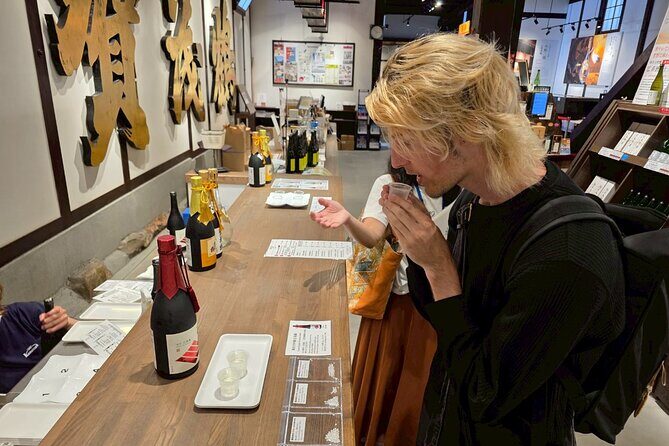
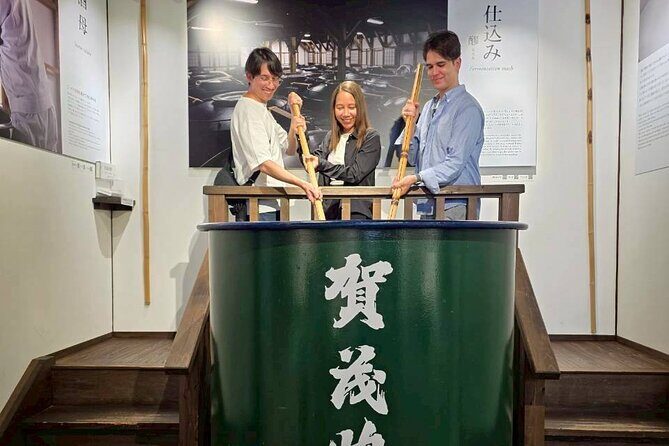
Next comes Kamotsuru Sake Brewing Co. Ltd, visited at their sake museum shop. This is where the tour leans more educational: you get to see displays and exhibits that explain the sake brewing process.
What makes this stop practical for you is that the exhibits give a vocabulary for tasting. Even if you’re not a beer-and-wine nerd, the process explanations help you recognize that different producers make decisions along the way—choices that affect the final character in the glass.
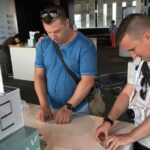
Another helpful detail: since this is a museum-shop setting, the environment tends to be easier to follow than a factory floor. If you want to ask basic questions, this is usually a good moment. You can also take your time looking at what’s on display before moving on.
What to watch for: don’t rush through the exhibits. If you skim, the tasting later can feel disconnected. Give the process visuals a few minutes. Then the comparisons actually mean something.
Stop 3 at Hakubotan: a Tenpo Brewery factory look after the theory
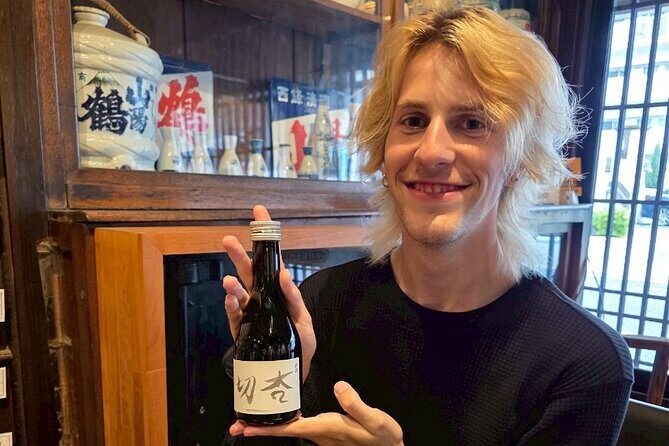
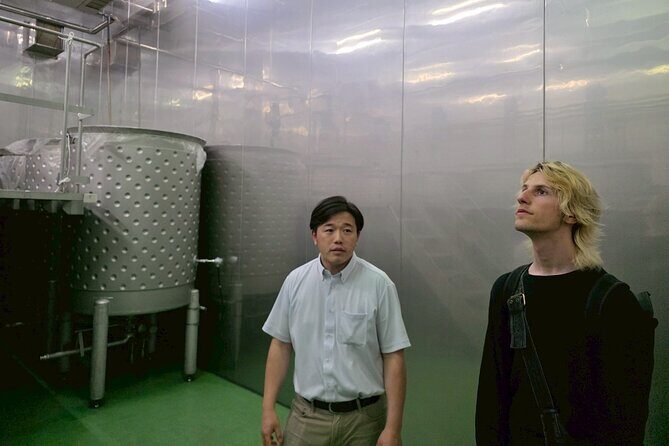
At Hakubotan Brewery, you’re stepping into a longer segment: 50 minutes. Hakubotan’s background is described as spanning over 350 years, which instantly sets expectations. This isn’t a flash-in-the-pan operation; it’s a craft line that’s been working for a very long time.
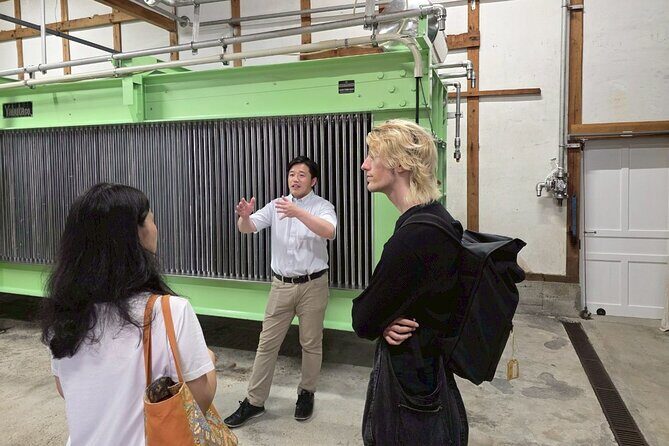
During your visit, staff provide a special factory tour of the Tenpo Brewery, which is usually handled as a tailored experience rather than a casual stroll. That kind of access is valuable because factories are where the “how” lives: equipment, workflows, and the physical reality behind the bottled product.
One reason this stop gets attention: factory tours tend to be the point where a tour stops being theoretical. When you see tools and production areas, it’s easier to appreciate what takes time and what takes precision.
What might challenge some people: if you strongly dislike factory-style environments (noise, motion, crowds, or simply being close to production spaces), you may find this stop less comfortable than the museum-shop portion. Still, it’s only 50 minutes, and it’s paced as part of a group tour rather than an all-day factory schedule.
You can also read our reviews of more drinking tours in Hiroshima

Stop 4 at Sanyotsuru: calligraphy with Mount Ryuo spring water (and a made-by-you label)
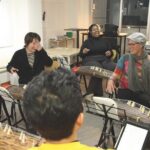
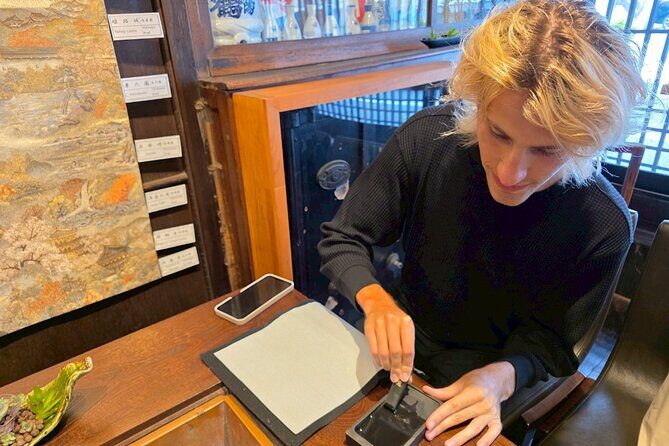
The final stop is the one with the most memorable hands-on work: Sanyotsuru Sake Brewery Inc. You’ll enjoy an interior that leans traditional, then participate in a calligraphy experience.
Here’s the part you’ll care about if you like doing things with your hands:
- You use spring water from Mount Ryuo
- You work with sumi ink
- You’ll grind the ink
- You’ll create your own sake label on special paper used for authentic sake labels
So instead of leaving with a generic postcard, you leave with an item tied to the process and the place. The tour frames the spring water as the same kind used in brewing, so your calligraphy isn’t just arts-and-crafts. It’s a linked experience: water → ink → label → craft culture.
I also like that this stop ends the day on a personal note. By the time you reach Sanyotsuru, you’ve already seen process explanations and factory context. The calligraphy then becomes a finishing chapter: you’re performing a tradition the way the community understands it.
Consideration: this is hands-on. If your handwriting isn’t your strong suit, don’t worry. The point is the making and the meaning, not perfect penmanship. The souvenir is the label-style paper you create through the workshop.
Tasting and comparisons: how to enjoy it without getting overwhelmed
This tour includes sake tasting and comparisons, and that’s where you can either have a great time—or feel lost. The trick is to treat each tasting like a short, focused experiment.
Here’s how to make the comparisons land:
- Pay attention to what the guide highlights while you pour and sip
- Take small notes mentally: sweetness level, aroma, and how it finishes
- Don’t chase one “best” sake—compare what each brewery is trying to express
The fact that the day includes both shrine context and process explanations makes tasting easier to interpret. You’re tasting with background now, not just tasting for taste’s sake.
Also, be honest with yourself about alcohol. If you’re under 20 or you can’t consume alcohol, you’re asked to inform the team when booking. That’s the kind of practical detail that keeps the experience comfortable for everyone.
Price and value: what $117.27 covers (and why it feels fair)
At $117.27 per person, this tour isn’t the cheapest thing in town. But it’s also not just a “walk past three shops” situation.
What’s included:
- Experience fees
- Sake tasting fees (partial)
- Souvenirs
- Insurance
And what you’re getting in return:
- Multiple stops in Saijo with culture + production + workshop
- A small group size (max 5), which raises the value of the guide time
- A calligraphy souvenir you make yourself, not just a tasting flight you pass through
- A mix of locations: shrine, museum-shop exhibits, a brewery/factory tour component, and a brewery workshop setting
If you’re already planning to visit Saijo anyway, this is a strong way to compress the “best parts” into one organized afternoon. You’re paying for access and guidance, not just entry. For many people, that’s the difference between a good souvenir day and a memorable craft day.
Who this tour fits best (and who should reconsider)
This experience is a great match if you:
- Want a structured introduction to Saijo sake culture
- Like hands-on workshops (calligraphy with a real takeaway)
- Enjoy small-group tours where you can ask questions during tastings
- Prefer learning from process explanations, not just sampling
It may feel less ideal if you:
- Want an all-out factory day with heavy industrial viewing (this is still a guided brewery route with multiple cultural stops)
- Don’t drink and don’t want anything tied to tasting comparisons (you can flag this when booking, but the format is still built around tasting)
Overall, it’s well-designed for curious visitors who want meaning behind the bottle.
Practical bits that matter on the day
A few details you’ll want to plan around:
- You’ll meet at 12-3 Saijōhonmachi, Higashihiroshima, Hiroshima 739-0011, Japan
- Start time is 2:00 pm, with the first listed stop beginning shortly after
- The meeting area is near public transportation
- Transportation to the meeting point isn’t included, so you’ll want to handle that leg on your own
Because your afternoon ends back at the meeting point, you can plan an evening in Hiroshima or stay local in Saijo without worrying about getting somewhere far.
Also, you’ll receive confirmation when you book, and you’ll use a mobile ticket. Simple, modern, and easy to manage once you arrive.
Should you book the Hiroshima Saijo Sake Brewery Tour?
Yes, if you want a small-group, well-paced afternoon that connects sake culture to the people and places that make it. The biggest pull for me is the combination: shrine context, process exhibits, a Tenpo Brewery factory component, and a Sanyotsuru calligraphy workshop using spring water from Mount Ryuo—plus an original label-style souvenir.
Skip it if you’re only interested in drinking and nothing else, or if you want a very hands-on, all-factory experience without the cultural and workshop segments. But if you like craft, explanation, and taking something home you truly made, this is the kind of tour that turns a quick trip into a story you’ll remember.
FAQ
How long is the Hiroshima Saijo sake brewery tour?
It runs for about 3 hours.
What time does the tour start?
The tour starts at 2:00 pm.
Where is the meeting point?
The meeting point is 12-3 Saijōhonmachi, Higashihiroshima, Hiroshima 739-0011, Japan, and the tour ends back at the meeting point.
What stops are included on the tour?
The route includes Mitate Shrine, Kamotsuru Sake Brewery (sake museum shop), Hakubotan Brewery (Tenpo Brewery factory tour), and Sanyotsuru Sake Brewery (calligraphy experience).
Is the calligraphy experience at Sanyotsuru included?
Yes. You’ll do a calligraphy experience using spring water from Mount Ryuo and sumi ink, and you’ll create an original sake label souvenir.
Is transportation to the meeting point included?
No. Transportation to the meeting point is not included, though the meeting point is near public transportation.