REVIEW · HIROSHIMA
Hiroshima Saijo Sake Tasting Guided Tour – 7 Breweries in 2 Hours
Book on Viator →Operated by DeepExperience · Bookable on Viator
Seven breweries, two hours, and you’re set. This Hiroshima Saijo guided tour is built for quick understanding: you taste multiple styles in one walkable stretch and learn how locals think about food-friendly sake. Saijo’s reputation isn’t just marketing either. The area grew hard after the railroad, shipping its gentle, clean flavors west across Japan and beyond.
I love how the guide turns tastings into something you can actually use at dinner, not just a sip-and-run stop. I also love the small size and relaxed pace, where you get enough time at each place to compare dry versus sweet styles and ask questions. One possible drawback: the exact tasting lineup and how long each brewery visit lasts can shift based on what’s operating that day.
In This Review
- Key highlights
- Saijo sake lanes: what you’re really tasting in Hiroshima
- Price and time: getting 7 breweries into 2 hours
- Meet at Saijo Station and start with the Saijosakagura-dori street scene
- Kamotsuru: a brewer tied to Japan’s highest table
- Fukubijin: learning how master brewers were trained
- Kamoizumi and Kirei: traditional methods and local ingredients
- Saijotsuru and Hakubotan: soft water, time-honored methods, and centuries
- Sanyotsuru: small-batch craft with a family focus
- How guides like Ram, Emoke, and Masa shape the tour
- Taste strategy for beginners: how to enjoy without getting lost
- What you’ll likely notice brewery to brewery
- Terrain, pacing, and comfort: why this works as an afternoon plan
- Who should book this Saijo sake tour
- Should you book the Hiroshima Saijo Sake Tasting Guided Tour?
- FAQ
- How long is the Hiroshima Saijo sake tasting guided tour?
- How many sake breweries are included?
- What is the meeting point?
- Is the tour near public transportation?
- Is the tour suitable for everyone?
- How large is the group?
- What is the price per person?
- Is admission included at the breweries?
- Can I cancel for a full refund?
Key highlights
- Small group size: up to 6 people, so you get more personal attention.
- Seven brewery lineup: different makers, different styles, all tied back to Saijo’s water and craft.
- Guide-led learning: guides like Ram, Emoke, and Masa are cited for making the experience easy to follow.
- Walkable, low-stress route: most stops are close together with easy terrain.
- Meal-friendly focus: Saijo sake is known for a gentle sweetness that works with food.
- A practical tasting pace: you can slow down, and you may be able to add extra tastings for cost.
Saijo sake lanes: what you’re really tasting in Hiroshima
Saijo is one of Japan’s classic sake towns, right up there with places like Nada and Fushimi. What makes Saijo special is its flavor profile and its process context. The city sits in a practical, export-minded setting: facing the Sanyo Expressway and benefiting from good water. After the railroad arrived, Saijo’s brewing really took off, sending sake mainly to western Japan and even overseas.
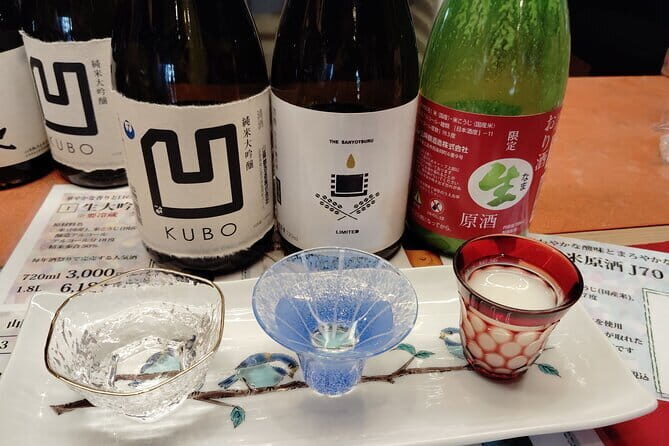
The flavor people talk about from Saijo is usually described as clean and gentle—often with a mild sweetness and a mellow finish. That matters because sake is not only for drinking on its own. The whole point of good sake in a real meal setting is pairing, and Saijo’s style tends to sit comfortably next to lots of foods.
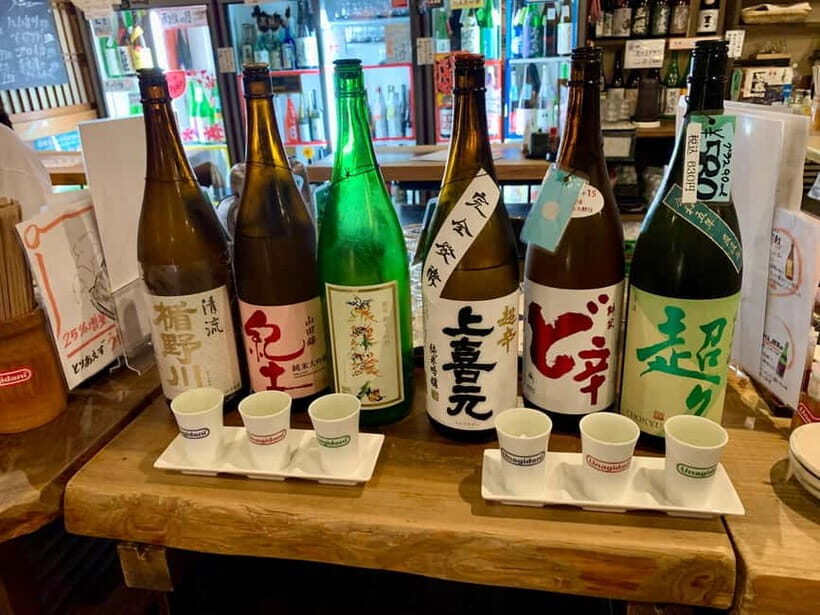
This tour is designed for people who want clarity fast. You won’t just get a sip. You’ll compare styles brewery to brewery, while your guide explains what you’re tasting and why it differs.
You can also read our reviews of more food & drink experiences in Hiroshima

Price and time: getting 7 breweries into 2 hours
At $73.30 per person for about 2 hours, this tour lands in the “worth it if you want structure” category. The value comes from three things working together:
First, you’re covering multiple breweries in a short time. That saves you the hassle of planning routes, finding hours, and figuring out which places are best for beginners.
Second, the tour includes tasting admissions for many stops, plus a mobile ticket. Some brewery visits are listed as admission-included, while a couple are listed as free on the activity information. Either way, the pricing is meant to bundle the experience into one guided circuit rather than you buying separate entry tickets one by one.
Third, you get a guide who can handle questions and pacing. Small group tours like this typically cost more than self-guided wandering, but you’re paying for time and context. With a maximum group size of 6, the guide can adjust on the fly, which makes the tour feel less rushed.
Meet at Saijo Station and start with the Saijosakagura-dori street scene
You start at Saijo Station and end back at the meeting point. That round-trip setup matters more than it sounds. It keeps the day simple, especially in Japan where getting slightly wrong turns can eat time fast.
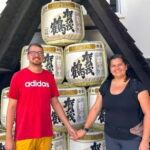
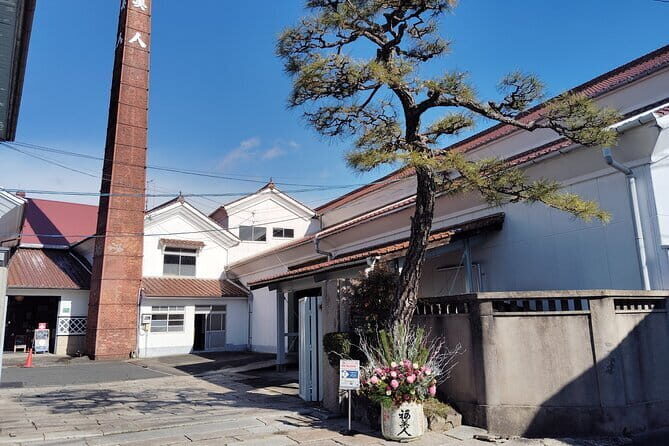
Right at the start, you’re taken into the Saijosakagura-dori Street area, where multiple breweries sit close together. The idea here is comparison before you go deep. Even if the tour doesn’t spend the entire time inside buildings right away, this first stretch sets the mental map: you’re learning that Saijo can feel both dry and sweet depending on the brewer.
This beginning also helps if you’re new to sake. You get a low-pressure introduction to the flavor range without needing to memorize labels. The guide can steer you toward what to notice, like aroma, dryness, and how the finish behaves.
Kamotsuru: a brewer tied to Japan’s highest table
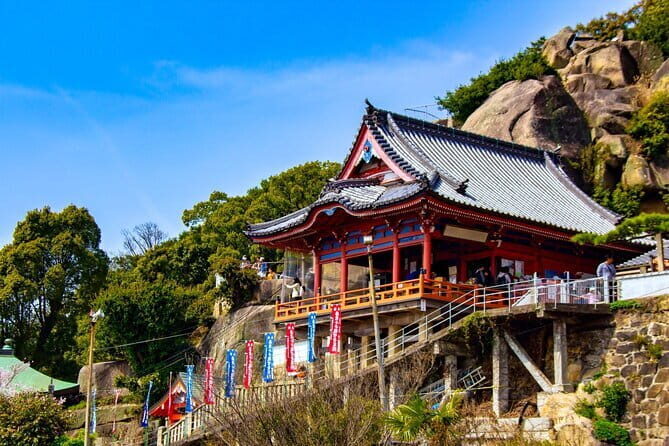
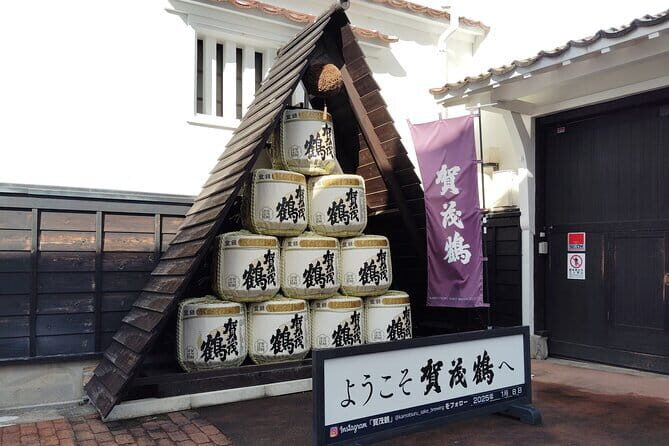
One of the first full brewery stops is Kamotsuru Sake Brewery. It’s a long-running name, founded in 1873, and it’s especially associated with sake presented to the Japanese Imperial Family.
Why that matters for your tasting: it frames the brewery as one that has spent a long time refining balance. When you taste a refined, well-balanced style, you’re often looking for something that doesn’t shout. Instead, it aims for harmony—clean structure with a gentle sweetness rather than aggressive sweetness or harsh dryness.
If you care about learning, this is a good stop to anchor your senses. The guide can help you notice how a “balanced” sake still has layers. You’re not only tasting sweetness or dryness; you’re tasting how the flavors move and settle.
Fukubijin: learning how master brewers were trained
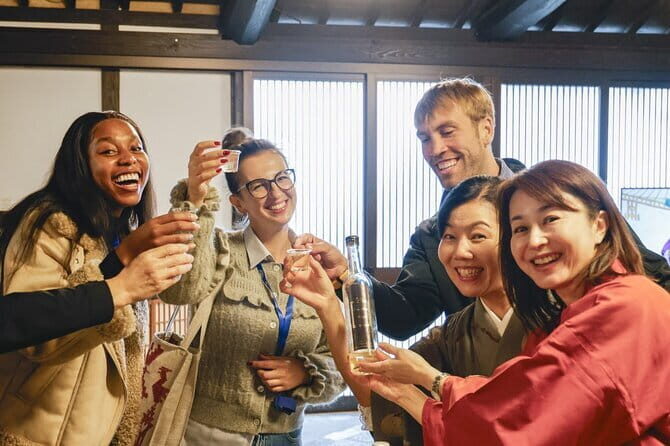
Next is Fukubijin, founded in 1917 in Higashihiroshima. This brewery is known as a former training hub for master brewers, and that role shaped Saijo’s sake culture.
That’s a big deal for a tasting tour because “training hub” implies consistency in technique and a tradition of passing on skills. In other words, you’re tasting not only a finished product, but the mindset behind it.
Expect a smooth, approachable style that makes it easier to compare with earlier pours. Guides often use stops like this to show how the same region can produce different expressions without losing the Saijo identity.
You can also read our reviews of more guided tours in Hiroshima


Kamoizumi and Kirei: traditional methods and local ingredients
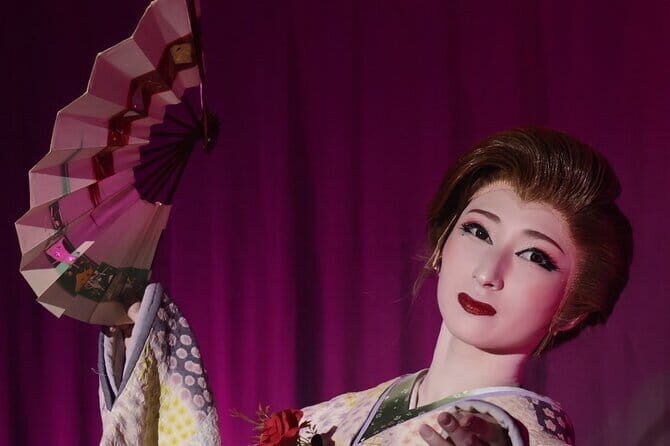
Two stops come up with an emphasis on traditional craft and ingredient-driven character.
At Kamoizumi Sake Brewery, the focus is on dedication to traditional brewing methods. The tour includes time to learn about the brewing process, and there’s even a mention of a picturesque brewery setting. For you, that can be more than atmosphere. When a brewery sticks closely to old methods, you may notice the sake feels straightforward—less theatrical, more focused on the basics.
Then you hit Kirei Sake Brewery, established in 1887. It’s known for smooth, rich sake made using local ingredients. That combination usually signals a different texture than a lighter style: still smooth, but with more body on the tongue.
One practical note: in this tour, some brewery visits are listed as admission free on the activity details. Even without obsessing over the ticket line items, that supports the bigger theme: the tour is built to pack meaningful brewery time into a fixed 2-hour window.
Saijotsuru and Hakubotan: soft water, time-honored methods, and centuries
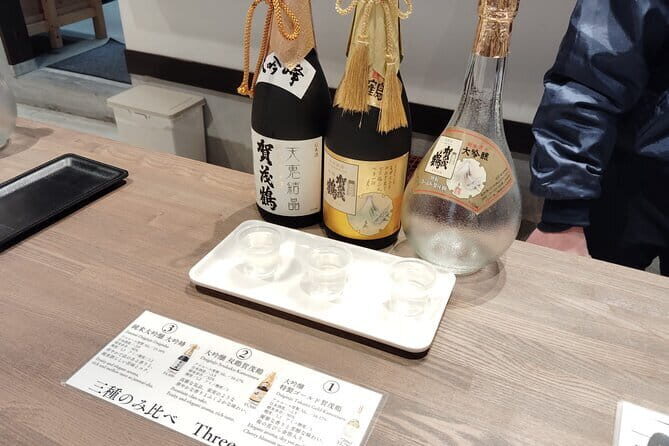
Saijotsuru Sake Brewery is described as small but respected, and it leans into hands-on, time-honored brewing. The ingredient mentioned here is soft water, which is often a key to how a sake feels and how flavors round off rather than cut sharply.
When you taste a sake associated with soft water, you can often expect a gentler mouthfeel. This stop is useful for beginners because it’s easier to categorize what’s happening: the sake feels smooth and settled, not edgy.
Then comes Hakubotan, founded in 1675. That’s centuries of brewing tradition. In practical terms, a brewery with that timeline tends to treat sake as craft over trend. The tour description points to a calm, nostalgic atmosphere and mellow, easy-to-drink sake.
If you’re trying to understand Saijo as a whole, Hakubotan is your “anchor” stop. It gives you the feel of continuity, so you don’t only learn a list of flavors. You also learn why the flavors have stayed approachable for generations.
Sanyotsuru: small-batch craft with a family focus
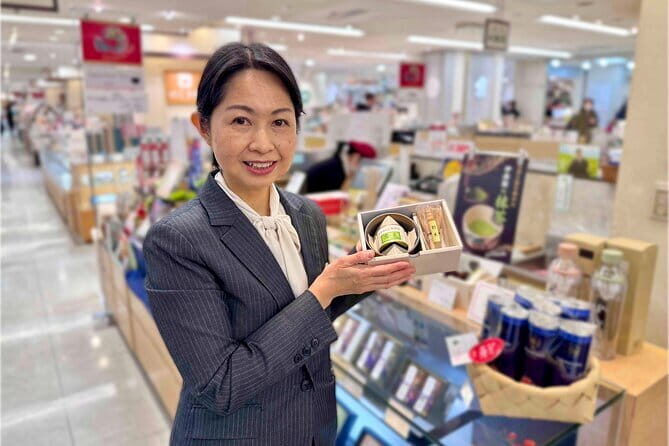
The final brewery stop is Sanyotsuru Brewery Inc., which is described as family-owned and focused on small-batch, artisanal production. The contrast here is important: compared with larger makers, a small-batch approach tends to emphasize hands-on brewing techniques passed down over time.
For your tasting, that means the guide can help you notice differences that may not come from sweetness alone. You might start noticing subtle changes in balance and finish. This is where many people begin thinking about what to buy as gifts or what style to pair with what meal.
Also, if you want extra tastings, this is where your best chance is to ask. One guide style mentioned in the experience details is letting people add additional tastings at their own pace, as long as you pay for the extra pours.
How guides like Ram, Emoke, and Masa shape the tour
This tour rises or falls on the guide. The strongest theme tied to the experience is how guides make the learning feel relaxed, not like a lecture.
You’ll see different guide names associated with standout tours, including Ram, Emoke, and Masa. Across those accounts, the common thread is responsiveness. Ram is noted for being attentive and helpful for an 87-year-old participant, including support and pacing that worked for someone who needed extra care. Emoke is described as amiable and helpful, with a clear focus on explaining the brewing process. Masa is described as showing up at the station and keeping things smooth.
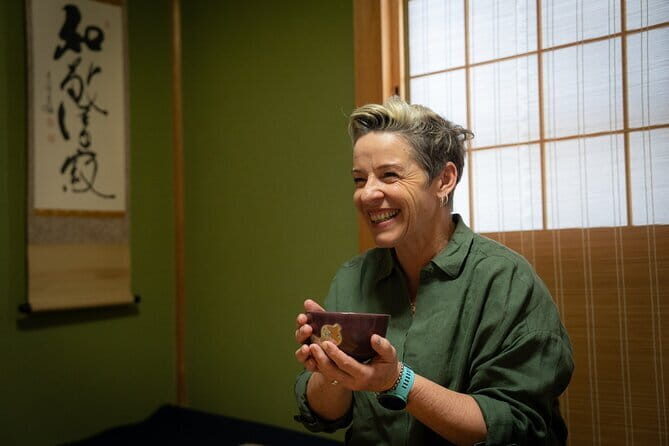
What that means for you: if you have questions—about dryness, sweetness, brewing terms, or how to choose sake later—this type of guided pacing gives you room to ask without feeling rushed. And because the group is capped at 6, you’re not stuck listening while other people talk over you.
Taste strategy for beginners: how to enjoy without getting lost
Sake tasting is easy to overdo if you treat it like a checklist. This tour is short, so you want a simple tasting rhythm.
Here’s how I’d approach it as a first-timer:
- Start by listening to what the guide tells you to watch for. You’ll get more out of each pour when you know whether you’re comparing dryness, balance, or finish.
- Take small sips and breathe between tastings. Your nose matters, and the guide can often point you toward what to notice.
- Use food logic. Saijo is described as mellow and meal-friendly, so taste with pairing in mind. Even if you don’t eat during the tour, you’re training your palate for the next meal.
Also, keep the Japan rules in mind. By Japanese law, people under 20 years old are not allowed to taste alcohol. If you’re bringing younger family members, plan for that so everyone’s expectations match what’s permitted.
What you’ll likely notice brewery to brewery
Even if you don’t want to memorize brand names, you’ll probably end up with a few clear impressions:
1) Dry vs sweet isn’t a single switch. Saijo covers a range. You can start to tell the difference between a crisp dry style and a gentle-sweet one, even within the same region.
2) Balance is more than sweetness. When a brewery is described as refined and well-balanced, you’re usually tasting how clean the finish feels and how quickly the flavors settle.
3) Water and method show up in mouthfeel. Soft water and time-honored methods can feel smoother, while different techniques can make the sake seem more structured.
4) Age and tradition can mean approachability. A long-lived brewery doesn’t automatically mean heavy flavors. Hakubotan’s centuries-old setting is paired with mellow, easy drinking.
Terrain, pacing, and comfort: why this works as an afternoon plan
The tour is built around short visits—some around 10 minutes, some closer to 20 minutes. That timing structure is useful. It keeps your brain fresh, and it prevents the classic tasting-tour fatigue where everything starts tasting the same.
The route is also designed to be manageable. The experience details emphasize that stops are close together and terrain is easy. That’s a real plus in Hiroshima, where you might otherwise combine this with other sightseeing. This tour is the kind of plan that doesn’t bully you into a big hike.
For seniors or anyone who needs a slower pace, this format helps because the guide can adjust. If you’re concerned, just ask your guide directly for a pace that fits you.
Who should book this Saijo sake tour
This is a strong fit for:
- Sake newcomers who want a structured taste comparison.
- People who want to understand Saijo beyond one bottle on a shelf.
- Anyone who likes learning while walking, without a long day of transit.
It may be less ideal if:
- You only care about one very specific sake style and would rather browse independently for depth.
- You’re traveling with someone under 20 who wants to actively participate in tastings, since tasting alcohol isn’t allowed under Japanese law.
- You prefer fully open-ended time inside breweries rather than a tight 2-hour loop.
Should you book the Hiroshima Saijo Sake Tasting Guided Tour?
If you want a guided Hiroshima sake tasting that actually teaches you how to think about what you’re drinking, I’d book it. The best part is the combo: seven brewery experiences packed into about two hours, delivered by a guide who can explain the process and keep the pace comfortable.
Skip it only if you’d rather do a slow, self-paced shopping-and-tasting day. Otherwise, this tour is built for smart sampling, quick context, and a relaxed afternoon that ends where you started.
FAQ
How long is the Hiroshima Saijo sake tasting guided tour?
The tour is about 2 hours.
How many sake breweries are included?
The experience includes visits to 7 sake breweries. The exact number of breweries and how long each visit lasts may vary depending on operating conditions and available tastings that day.
What is the meeting point?
The tour starts at Saijo Station in Higashihiroshima and ends back at the meeting point.
Is the tour near public transportation?
Yes, it is near public transportation.
Is the tour suitable for everyone?
Most travelers can participate. By Japanese law, persons under 20 years of age are not allowed to taste alcohol.
How large is the group?
The maximum group size is 6 travelers.
What is the price per person?
The price is $73.30 per person.
Is admission included at the breweries?
Many stops list admission tickets as included, while some stops are listed as admission free. The activity also includes a street segment at Saijosakagura-dori Street.
Can I cancel for a full refund?
Yes. There is free cancellation up to 24 hours in advance for a full refund. If you cancel less than 24 hours before the start time, it is not refunded.