REVIEW · KYOTO
Tea Ceremony Experience in Kyoto
Book on Viator →Operated by Travel Japan Together · Bookable on Viator
Tea time can change your pace fast. This Kyoto session is built around you making matcha yourself, guided by Chisato, a teacher with 30+ years of experience, and focused on mindfulness and etiquette. The best part is it’s practical: you’re not just watching. You’re learning the steps, from whisking to serving and tasting, in a calm setting about a 15-minute walk from the Kamogawa Delta.
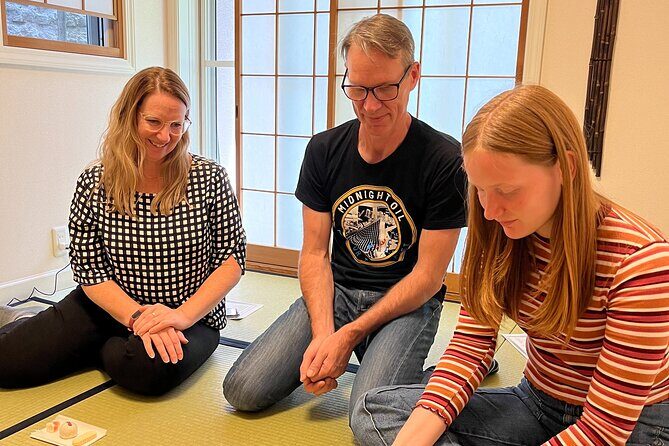
I especially like two things. First, you get hands-on practice—whisking powdered matcha and doing the motions that turn tea into a focused ritual. Second, the tone is welcoming, even if you’re brand-new; Chisato explains how to show respect and how to stay present during the ceremony. It’s also a small group experience, with a maximum of 6 people.
One consideration: this experience is not wheelchair accessible, and you’ll likely move through a normal indoor setup. Also, kimono isn’t included, so if you want a dressed-up photo look, you’ll need to plan that separately.
In This Review
- Key things to know before you go
- Finding the tea ceremony spot near Kamogawa Delta
- Meeting Chisato and the 30+ years behind the calm
- What actually happens in your 1-hour tea ceremony
- Whisking matcha: the hands-on part you’ll remember
- Wagashi and etiquette: how sweets fit into mindfulness
- Group size, pacing, and kid-friendly calm
- Price and value: is $39.09 worth it?
- Where to fit it in your Kyoto day
- What to expect culturally (and how to get the most out of it)
- Who this tea ceremony suits best
- Should you book this tea ceremony in Kyoto?
- FAQ
- FAQ
- Do I get to make my own matcha?
- What’s included in the price?
- Is kimono provided?
- How long is the tea ceremony?
- How many people are in the group?
- Is the experience wheelchair accessible?
- Where do I meet for the tea ceremony?
- Is it in English?
- What are my options if my plans change?
Key things to know before you go
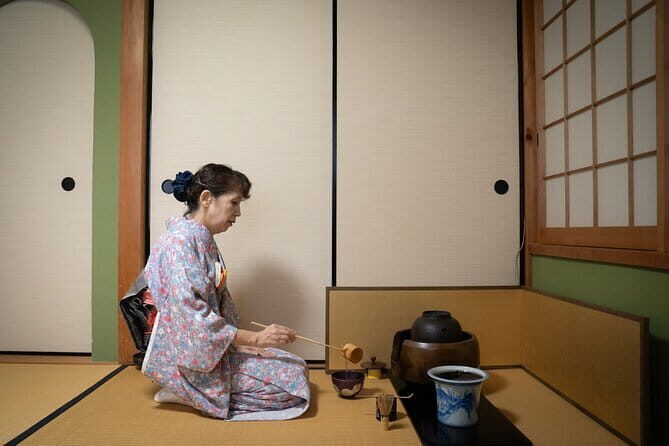
- You can make your own matcha at the right pace, with step-by-step guidance
- Chisato leads in English, and you may need simple phrasing for questions
- Wagashi and matcha are included, so you can focus on the ceremony instead of shopping
- Small group size (max 6) keeps things calm and questions more manageable
- About 1 hour total makes it easy to fit between Kyoto sights
- Close to local landmarks: roughly a 15-minute walk from Kamogawa Delta and Demachiyanagi Station
Finding the tea ceremony spot near Kamogawa Delta
Your meeting point is Tea Ceremony Experience Chisato, 67-23 Shimogamo Matsunokichō, Sakyo Ward, Kyoto, 606-0816. The location is convenient if you’re already planning time in the northern Kyoto area.
The practical win here is walking access. You’re roughly a 15-minute walk from the Kamogawa Delta, a scenic riverside area where it’s easy to enjoy the day at human speed. You’re also about a 15-minute walk from Demachiyanagi Station, which can help if you’re mixing this with visits around Kibune Shrine and Rurikou Temple.
Plan a little buffer. Even if you’re comfortable in Kyoto, “15-minute walk” can stretch when you hit turns, street crossings, or photo stops. I’d rather you arrive early than rush, because tea ceremonies reward a calm start.
You can also read our reviews of more tours and experiences in Kyoto.



Meeting Chisato and the 30+ years behind the calm
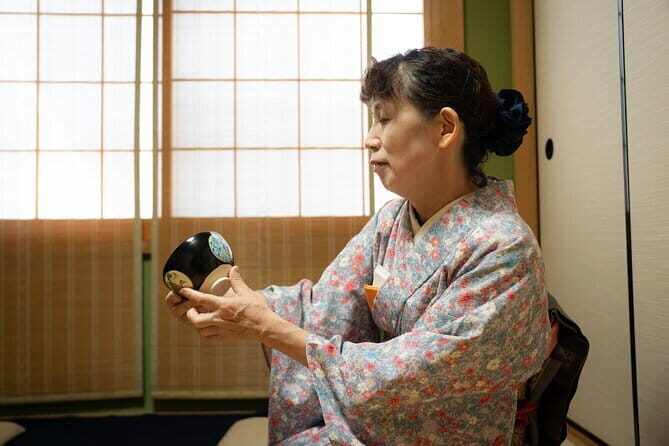
The guiding force here is Chisato, the host/teacher behind the experience. The session is designed to be welcoming no matter your background, which matters because Kyoto’s traditional activities can sometimes feel intimidating if you don’t know the rules.
In practice, Chisato’s approach is described as kind and patient. There’s also an emphasis on how to behave respectfully, and on being present instead of treating the ceremony like a show you just need to finish. That combination is what makes this feel cultural rather than mechanical.
One small detail that stands out from feedback: the experience is very structured, but the mood stays relaxed. Chisato may start off a bit nervous at first, then settle into a smooth flow as the session begins—like someone who cares deeply about getting everything right.
What actually happens in your 1-hour tea ceremony
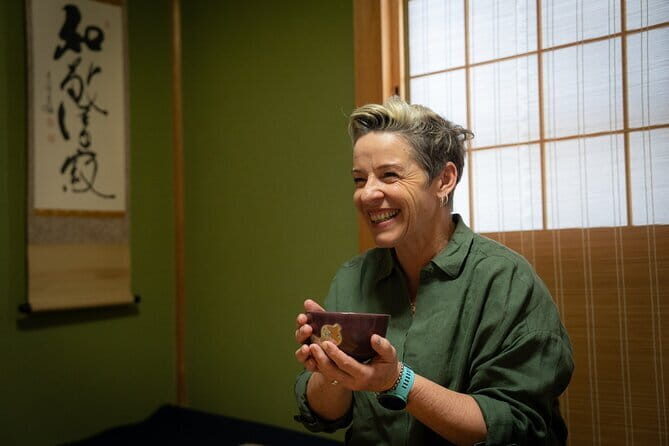
This is an approximate 1-hour experience, and it moves with enough structure that you won’t feel lost. At a basic level, it’s an instructional walkthrough of matcha preparation plus the etiquette around serving and drinking it.
Here’s the rhythm you should expect:
1) Learn the matcha setup and the purpose of each step
You’ll be guided through the sequence for preparing matcha powder. The focus is not just on what to do, but why those motions matter for harmony and mindfulness.
2) Whisking matcha with attention
You have the option to make your own tea. That means you’ll handle the whisking step and learn the timing and movements that help matcha taste properly. The ceremony is partly about technique, but it’s also about attention—slowing down so you notice what’s happening.
3) Taste matcha and notice the intention
You’ll drink the tea you prepared. Reviews highlight the idea of intention—how the ritual makes the tea feel different than a quick café order.
4) Add wagashi and learn the etiquette around sweetness
Wagashi (Japanese traditional sweets) is included, and you’ll pair it with the tea as part of the ceremony flow.
Even if you’re a beginner, the session is built to reduce barriers. You don’t need prior knowledge. You just need a willingness to follow along.
Whisking matcha: the hands-on part you’ll remember
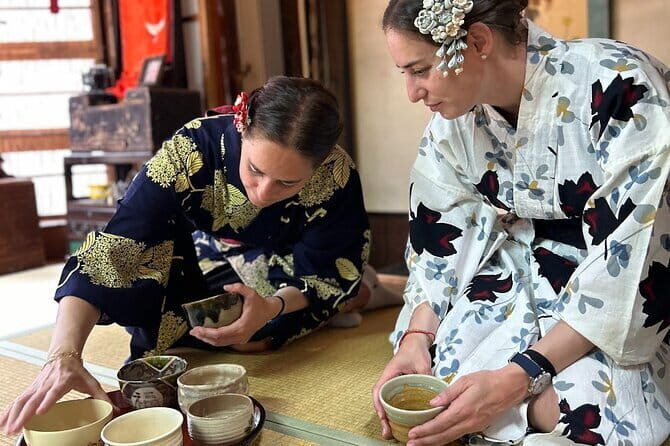
If you’re choosing this experience for one reason, make it this: the opportunity to make your own matcha.
This matters because matcha is easy to buy in Kyoto, but hard to truly understand until you see how it’s prepared. The whisking step is the heart of the process. Chisato guides you through the intricate steps, including the precise movements tied to the ceremony’s mindfulness theme.
A big practical advantage is that the session is paced for real people, not just tea enthusiasts. One review notes that the preparation procedure is very detailed and comprehensive. That’s exactly what you want if you’re the type who likes to know what you’re doing—especially when your hands are involved.
Language tip: the ceremony is done in English, and questions may be easiest when phrased simply. If you want to ask something, keep it short. You’ll get better results.
Wagashi and etiquette: how sweets fit into mindfulness
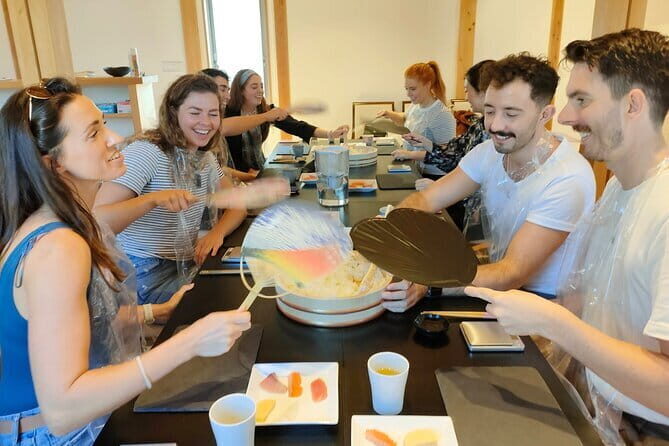
Included with your tea is wagashi, Japanese traditional sweets. These are usually meant to balance the experience: they’re there to complement the taste of matcha and also to slow you down with a different flavor and texture.
In a ceremony context, wagashi isn’t an afterthought. It becomes part of the rhythm: tea first or tea alongside sweets, then a mindful pause to taste and notice. Reviews specifically call out that the sweets were delicious and that the setting felt calm and relaxed.
Etiquette is also part of the lesson. Chisato’s guidance includes how to respect Japanese culture during the ceremony and how to stay present. That theme—attention over performance—shows up repeatedly in feedback, and it’s what turns a “do this, then that” activity into something you can actually carry back into your day.



Group size, pacing, and kid-friendly calm
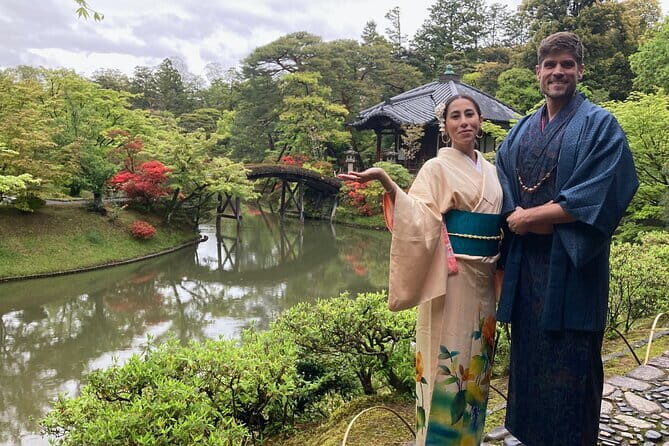
The maximum group size is 6 travelers. That small cap matters. It keeps the ceremony from becoming a crowd event and makes it easier to get guidance if you’re unsure about what to do next.
One review highlights that Chisato accommodated small children well. That doesn’t mean it’s a children’s program, but it does suggest the environment is patient and human. If you’re traveling with family, that’s a good sign.
The session lasts about an hour, which is long enough to learn the basics and actually participate, but short enough that you won’t feel trapped in a single activity block. It’s also a good option when Kyoto’s crowds feel draining.
Price and value: is $39.09 worth it?
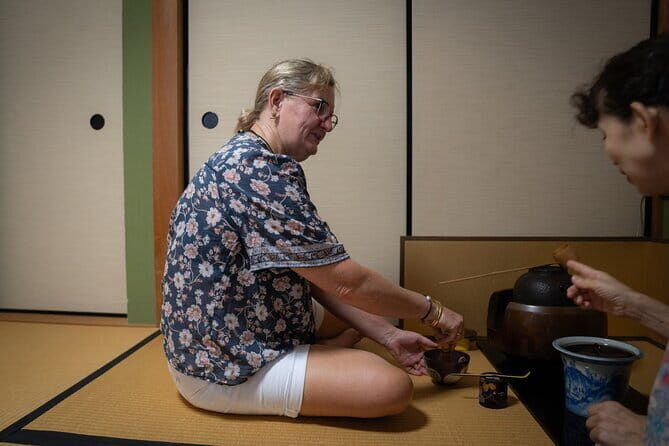
At $39.09 per person for about 1 hour, this tea ceremony isn’t trying to be a budget street-side “taste and go.” The value comes from what’s included: matcha, wagashi, and a guide.
Here’s what you’re really paying for:
- instruction from a long-time teacher (30+ years)
- hands-on guidance for making your own matcha
- cultural context around respect and being present
- included tasting items, so you’re not buying extras mid-session
What’s not included is kimono, and tips aren’t included. So if you want dressed-up photos in a kimono, you’ll need to arrange that separately. Still, you don’t need it to get the core experience.
To me, this price makes sense if you like learning by doing. If you just want a quick snack, matcha cafés are cheaper. But if you want a calmer cultural lesson with participation, this hits the right balance.
Where to fit it in your Kyoto day
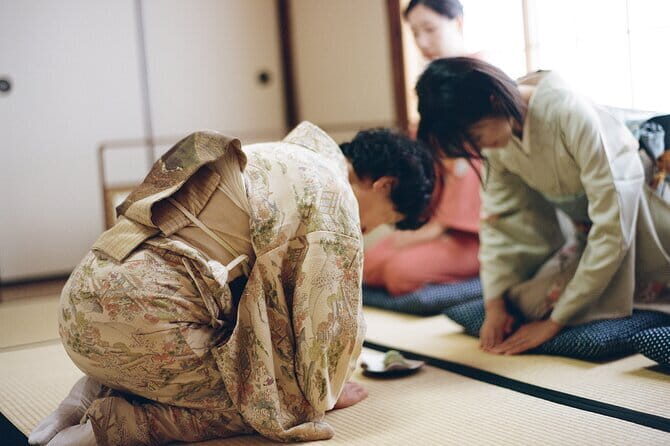
Because it’s about an hour, you can place it in the middle of your day without wrecking your schedule.
A good strategy: pair it with walking time near Demachiyanagi Station if you’re planning a shrine/temple route afterward. The tea ceremony being roughly a 15-minute walk from Demachiyanagi is helpful when your plan involves Kibune Shrine and Rurikou Temple.
Or, if you’re already near the Kamogawa Delta area, it works as a gentle indoor counterpoint to outdoor Kyoto walking. Think of it like a reset button: you slow down, do something hands-on, then continue exploring with a calmer head.
What to expect culturally (and how to get the most out of it)
The ceremony’s center is mindfulness plus etiquette. That shows up in the way Chisato explains the steps—respecting Japanese culture and staying present, not racing through.
To get more out of the experience:
- treat it like practice, not a performance
- ask one or two simple questions instead of a long list
- pay attention to how the matcha and wagashi taste together
- give yourself time to arrive relaxed
Also, remember this is an instructional ritual. You’ll likely be guided through precise movements. Don’t worry if your first try isn’t perfect. The goal is understanding and participation.
Who this tea ceremony suits best
This experience is a great match if you:
- want a beginner-friendly way to understand Japanese tea culture
- prefer doing the activity rather than just watching
- like calm, structured experiences that teach etiquette and mindfulness
- want included food and drink (matcha plus wagashi) without extra stops
It may be less suitable if you:
- need wheelchair accessibility (this one isn’t wheelchair accessible)
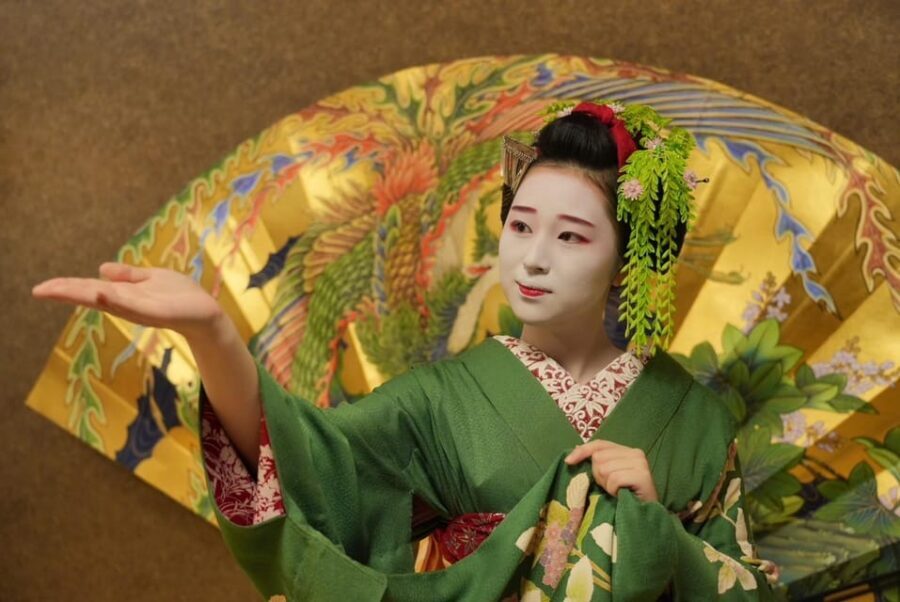
- want a kimono as part of the package (kimono isn’t included)
- hate quiet, slow pacing and want constant action
Should you book this tea ceremony in Kyoto?
Yes—if you want an hour of real participation, this one is an easy recommendation. The hands-on matcha making, the included wagashi, and the small group size (max 6) are the core reasons it feels worth the money. Chisato’s style—patient, kind, and focused on respect and being present—comes through clearly in how the session is described.
Book it if you’re the type who likes learning by doing and you want a calmer cultural moment between Kyoto sights. Skip it only if you strongly prefer a quick tasting stop, need wheelchair access, or you’re specifically seeking a kimono-included package.
FAQ
FAQ
Do I get to make my own matcha?
Yes. You can make your own tea if you wish, with guidance from the teacher.
What’s included in the price?
Matcha, wagashi (Japanese traditional sweets), and a guide are included.
Is kimono provided?
No. Kimono is not included.
How long is the tea ceremony?
It’s about 1 hour.
How many people are in the group?
The maximum group size is 6 travelers.
Is the experience wheelchair accessible?
No, the experience is not wheelchair accessible.
Where do I meet for the tea ceremony?
You meet at Tea Ceremony Experience Chisato, 67-23 Shimogamo Matsunokichō, Sakyo Ward, Kyoto, 606-0816, Japan.
Is it in English?
The experience is described as being done in English, and you may want to keep questions simple.
What are my options if my plans change?
Free cancellation is available. You can cancel up to 24 hours in advance for a full refund.