REVIEW · HIROSHIMA
Hiroshima Saijo Sake Tasting Tour with visit to 7 Breweries
Book on Viator →Operated by Higashi Hiroshima City Tourism Association · Bookable on Viator
Saijo sake is the kind of thing that clicks fast. In about 2 hours, you’ll walk a short loop through seven breweries in Hiroshima’s Saijo area, tasting eight different sake styles and learning what separates Daiginjo, Junmai, and cloudy Nigori. It’s a laidback, small-group way to understand Japan’s national drink without turning it into a test.
I especially like two things: you get real variety in a short time, and the guide-led pace keeps it fun instead of lecture-heavy. One thing to consider is that it’s still a walking tour—about 1.5 km total—and you should show up on time because arriving more than 15 minutes late can mean cancellation with no refund.
In This Review
- Key Things That Make This Tour Worth Your Time
- Saijo Sake Culture, Served Fast and Friendly
- What You’ll Taste: Eight Sake Styles Across Seven Breweries
- The 2-Hour Route in Saijo (Stop by Stop)
- Stop 1: Saijo Station Tourist Information Center
- Stop 2: Kamotsuru Sake Brewery (Daiginjo-type focus)
- Stop 3: Fukubijin Sake Breweries (Junmai-Shu)
- Stop 4: Kamoizumi Sake Brewery (Junmai Ginjoshu)
- Stop 5: Saijo Sakaguradori Tourist Information Center (break + browsing)
- Stop 6: Kirei Sake Brewery (dry profile + limited sake)
- Stop 7: Saijotsuru Brewery (traditional techniques + award mentions)
- Stop 8: Hakubotan Brewery (unfiltered and specially frozen)
- Stop 9: Sanyotsuru Brewery Inc. (cloudy sake + west-of-station detail)
- Your Guide and the Small-Group Advantage in Saijo
- Price and Logistics: Is $50.87 Good Value?
- Tips to Enjoy Every Pour Without Feeling Rushed
- Who This Tour Suits Best (and Who Might Skip It)
- Should You Book This Saijo Sake Tasting Tour?
Key Things That Make This Tour Worth Your Time
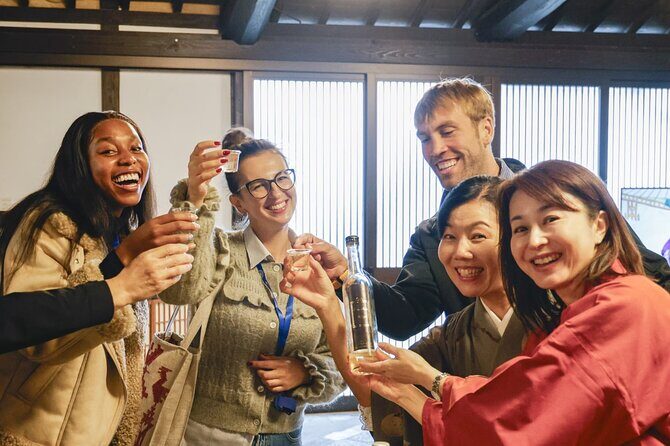
- Seven breweries, eight tastings: you’ll sample across styles instead of just sticking to one flavor lane.
- Real products, not generic pours: you’ll taste named sakes like Daiginjo Gold Kamotsuru and Hyoka (unfiltered and specially frozen).
- Learn how to drink sake properly: the tour explains what to notice and how to handle the tasting like a pro.
- Small group energy (max 10): the vibe stays relaxed, with room for questions.
- Winter-friendly touch: you may get to try warm sake at at least one stop depending on the season.
Saijo Sake Culture, Served Fast and Friendly

If your idea of a sake tour is long lines, stiff rules, and dry history talk, this one won’t match that mood. It’s designed as a short walking route in Saijo, one of Japan’s major sake-brewing areas, and it keeps the tempo comfortable. You’re not there to watch the full brewing process. Instead, you’re there to taste, compare, and understand what’s going on in the glass.
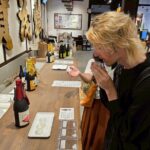
What makes the experience feel practical is that you’re learning while tasting. You’ll hear how different sake categories show up in flavor and texture, and you’ll get guidance on how to drink sake so you can actually tell the differences. That matters, because sake can be sweet, dry, floral, earthy, or cloudy—and if you don’t know what to look for, they can all blur together.
You can also read our reviews of more food & drink experiences in Hiroshima

What You’ll Taste: Eight Sake Styles Across Seven Breweries
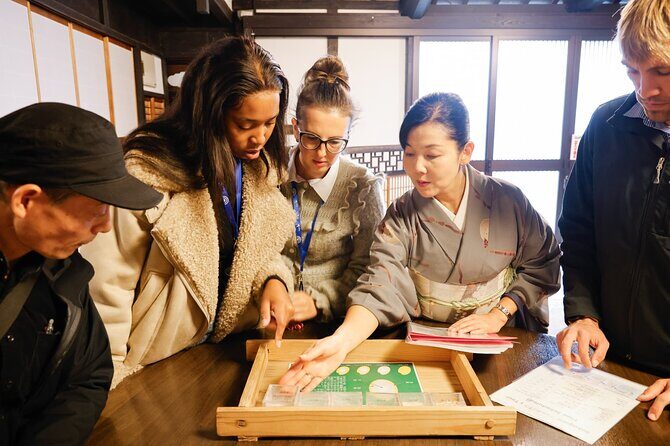
The tour’s core is the tasting flight: eight different types of sake drawn from seven breweries. That range is the point. You start to hear the logic behind the labels—why one brewery leans dry, another goes for fragrant Daiginjo-style elegance, and another focuses on cloudy Nigori texture.
Here are the specific sakes you can expect to see on the tasting path:
- From Kamotsuru, you’ll taste a Daiginjo-type called Daiginjo Gold Kamotsuru, after a short visitor-room video about sake making and tasting.
- From Fukubijin, you’ll taste Fukubijin Junmai-Shu. In winter, you may even be able to try it warm.
- From Kamoizumi, you’ll taste their signature Junmai Ginjoshu 朱泉 Honjikomi.
- From Kirei Shuzo, the tour focuses on a drier profile than many Saijo sakes, and you’ll taste Yoshidaya’s Sake, a limited blend ready to drink that month.
- From Saijotsuru, you’ll taste Junmai Daiginjo Genshu Shinzui, made using traditional techniques passed down through Hiroshima’s sake brewers. It’s also described as repeatedly awarded.
- From Hakubotan, you’ll taste Hyoka, an unfiltered sake that’s been fresh-frozen in a special way.
- From Sanyotsuru, you’ll get a cloudy sake tasting (think Nigori-style texture). The shop also sells sake ware if you want something as a souvenir besides the hangover.
Even if you’re not chasing technical labels, this lineup is useful. You’ll get the contrast: smooth vs. cloudy, dry vs. round, unfiltered freshness vs. more refined styles. That’s how the tour turns random sips into learning you can carry with you.
The 2-Hour Route in Saijo (Stop by Stop)
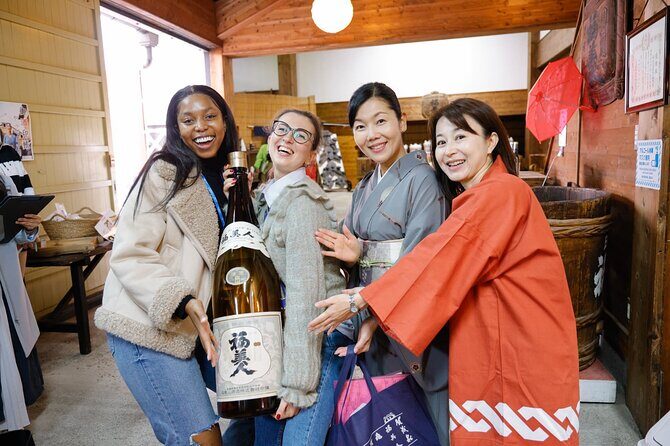
The schedule can shift depending on the number of groups that day, but the route structure stays the same. You’re walking roughly 1.5 km total, with short 10–20 minute pauses at each stop. Wear comfortable shoes; the walking is light, but your feet will notice if you show up in stiff footwear.
Stop 1: Saijo Station Tourist Information Center
You meet at the Saijo Station Tourist Information Center, just outside the ticketing gate. This is your reset moment—get oriented fast, confirm you’re in the right group, and start the route without stress. There’s no brewing show here, just an easy start in a real local setting.
Stop 2: Kamotsuru Sake Brewery (Daiginjo-type focus)
At Kamotsuru Visitor Room, you’ll watch a 10-minute video introducing sake making and tasting, then sample their Daiginjo-type Daiginjo Gold Kamotsuru. This stop is a good anchor point because it sets the tasting mindset early: you learn how to notice what changes when a style aims for aroma, refinement, or balance.
You can also read our reviews of more drinking tours in Hiroshima

Stop 3: Fukubijin Sake Breweries (Junmai-Shu)
Fukubijin has a reputation here for producing master brewers—its background is tied to being called a Saijo Brewing School. You’ll taste Fukubijin Junmai-Shu and, during winter season, there’s a chance to try it warm. That warm option is handy because it shows you how serving temperature can change what your tongue picks up.
Stop 4: Kamoizumi Sake Brewery (Junmai Ginjoshu)
Kamoizumi is described as an early starter in brewing Junmai-shu using only rice and koji mold as ingredients. You’ll taste Junmai Ginjoshu 朱泉 Honjikomi. This is the kind of stop that helps you connect a brewing approach to a flavor impression—simple ingredient focus usually translates into clarity and texture you can actually detect.
Stop 5: Saijo Sakaguradori Tourist Information Center (break + browsing)
This is your practical stop. You can use the restroom, pick up brochures, and get information about Sakagura-dori Street (plus souvenirs are available here). It’s also a useful pause so you’re not rushing while you’re halfway through drinking.
Stop 6: Kirei Sake Brewery (dry profile + limited sake)
Kirei Shuzo is known for a dry taste compared to other Saijo sakes. You’ll taste Yoshidaya’s Sake, a limited sake blended by the brewery with sake that’s ready to drink that month. This stop gives you something “right now,” not just a historical label—dry styles are great for training your palate because sweetness is harder to hide.
Stop 7: Saijotsuru Brewery (traditional techniques + award mentions)
Saijotsuru brews using traditional techniques passed down through generations. You’ll taste Junmai Daiginjo Genshu Shinzui, described as repeatedly awarded. This is where refined Daiginjo-style character usually shows up most clearly in the flight, so pay attention to how it changes from the drier or cloudier styles you’ve already tried.
Stop 8: Hakubotan Brewery (unfiltered and specially frozen)
Hakubotan is described as one of the oldest sake breweries in Hiroshima Prefecture, funded in 1675. You’ll taste Hyoka, an unfiltered sake that’s fresh-frozen in a special way. If you’re the type who likes texture and freshness, unfiltered styles can feel more direct on the palate.
Stop 9: Sanyotsuru Brewery Inc. (cloudy sake + west-of-station detail)
Sanyotsuru is noted as the only sake brewery located west of Saijo Station. You’ll taste a cloudy sake, and there’s also sake ware available for sale. Cloudy/nigori styles are a great last comparison because they help you remember that sake isn’t just “clear and clean”—it can be thick, creamy, and lively.
Your Guide and the Small-Group Advantage in Saijo
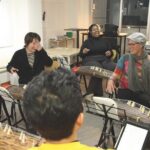
This tour’s big win is its tone: relaxed, friendly, and built for small-group discussion. The group size is capped at 10 travelers, which means you’re less likely to feel like a ticket number. You can ask questions, and the guide can adjust explanations based on what you’re tasting.
In the reviews, the guide name Ione shows up with strong praise for being delightful and very knowledgeable. That kind of guidance matters on a tasting tour. You don’t just want someone to pour you sake—you want help learning what you’re tasting and why it matters. When the guide keeps things flowing at a laidback pace, you actually remember the differences after the tour ends.
The tour also runs with an English guide. Spanish-speaking guides can be arranged if you ask in advance, which is useful if you want more direct explanations.
One practical note: the tour is described as a tasting experience, not a brewing observation tour. If you want to watch tanks, fermentation rooms, or production steps, this probably won’t scratch that itch. You’re here for tasting and learning the style language.
Price and Logistics: Is $50.87 Good Value?
At $50.87 per person, the value comes from packing multiple breweries and multiple styles into one time block. You’re getting 8 different sake tastings plus an English guide. Also, the stop entries are described as free admissions at each location, so you’re not paying extra ticket fees just to get inside.
Is it a bargain? It’s not “cheap,” but it’s a fair price for what you’re doing: a guided tasting that would be hard to assemble yourself (seven breweries and structured comparisons). You’re also walking a short distance rather than spending your day doing transit between separate spots on your own.
Two details that affect value in a good way:
- You don’t have to coordinate anything. The route is set, and the order may change based on group numbers.
- You’re not stuck with one style. Eight tastings is enough variety to make the learning stick.
And if you decide not to drink alcohol, the tour fee doesn’t change. That’s worth noting upfront. The experience still focuses on tastings, so if you’re drinking-curious rather than drinking-committed, plan to enjoy the learning side and compare what others are tasting.
Tips to Enjoy Every Pour Without Feeling Rushed
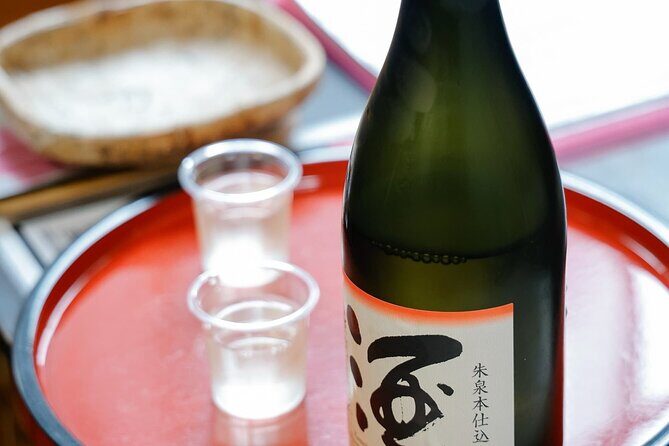
A tasting tour can go sideways if you show up unprepared. Here’s how to keep it smooth:
- Arrive on time. Being more than 15 minutes late is treated as cancellation, with no refund.
- Wear comfortable walking shoes. You’ll cover about 1.5 km total.
- Go in with questions. “What makes this dry?” or “Why is this cloudy?” turns the guide’s explanations into something you remember.
- Use the restroom break. That stop at the Sakaguradori Tourist Information Center is there for a reason.
- Expect seasonal differences. Warm sake may appear in winter at least at one stop, so don’t assume every tasting is served the same way year-round.
Also, keep in mind: weather can affect operations. If the tour is suddenly canceled due to bad weather, the provider contacts you by 5pm the day before via your registered email.
Who This Tour Suits Best (and Who Might Skip It)
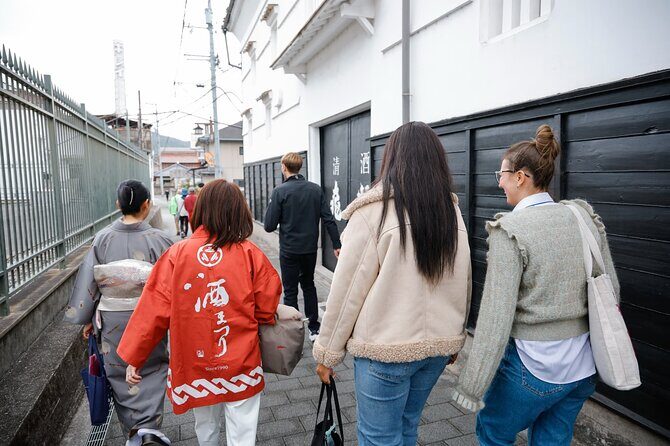
This is ideal for:
- People who want a guided sake crash-course without spending a full day planning
- Anyone who likes comparing styles and learning what changes in flavor and texture
- Groups of friends or couples who want a relaxed small-group vibe (max 10)
You might consider another option if:
- You’re chasing a full brewing-process tour with hands-on production viewing (this one is tasting-focused)
- You don’t want to participate in an alcohol-based activity at all (even non-drinking still costs the same)
If you like food-and-drink tours where you leave with actual taste memories—not just photos—this hits the mark.
Should You Book This Saijo Sake Tasting Tour?
If you’re spending time in Hiroshima and want a high-effort-for-the-time payoff, I’d book it. You get seven breweries, eight tastings, and an English guide in about two hours, with enough structure that your palate will learn something real. The small group size and the praised guidance from Ione (and the overall laidback flow) make it feel welcoming rather than intimidating.
If you’re unsure whether sake learning is your thing, start here. Even if you only end up loving one or two styles, the comparisons across Daiginjo-type, Junmai, dry profiles, unfiltered sake, and cloudy nigori give you a clear sense of what Saijo does best.