REVIEW · TOKYO
Tokyo: Sushi Making Class
Book on GetYourGuide →Operated by Cooking Sun · Bookable on GetYourGuide
Sushi gets personal in Tokyo. This 3-hour sushi making class puts you in a friendly, small-group studio in a local residential area, with English-speaking instructors who break down both the how and the why behind classic sushi. You get hands-on practice shaping sushi rice and building several styles, including nigiri and rolls, plus miso soup and tamagoyaki.
I like that the teaching feels practical, not intimidating. You’ll make nigiri (hand-pressed sushi), inari (sweet tofu pouch sushi), a thin roll (hosomaki), and a California roll, then sit down and eat what you made with miso soup, fresh wasabi, and pickled ginger. One consideration: the class uses pre-sliced fish, and it does not cover how to cut raw fish, so don’t expect sashimi-level knife work.
In This Review
- Key moments that make this class worth your time
- A 3-hour Tokyo sushi class in a real residential studio
- What you actually make: nigiri, inari, hosomaki, and a California roll
- Sushi rice is the whole game, and that is where the class shines
- The flavor groundwork: ingredients, dashi, and miso soup
- Tamagoyaki step-by-step: Japanese rolled egg without the intimidation
- Rolling time: hands-on sushi prep, with real support
- What you eat at the end: a full plate, not a token bite
- Price and value: why $67 can feel fair in Tokyo
- Dietary needs: substitutions are part of the design
- Meeting point reality: finding the studio in Shinjuku’s neighborhood lanes
- Who this sushi class fits best (and who it might not)
- My booking decision checklist
- FAQ
- FAQ
- How long is the Tokyo sushi making class?
- Is the class taught in English?
- How many people are in the group?
- What sushi and related dishes do you make?
- Does the class teach you how to cut raw fish?
- What’s included in the price?
- How do I find the studio?
- Can dietary restrictions be accommodated?
Key moments that make this class worth your time
- Small group (up to 9): enough hands-on help without a lecture vibe
- Sushi rice focus: you learn technique, not just assembly
- Multiple sushi styles: nigiri, inari, hosomaki, and California roll in one session
- Seasoning and soup basics: dashi, miso soup, and flavor-building
- Beginner-friendly support: instructors guide you step-by-step while you roll and shape
A 3-hour Tokyo sushi class in a real residential studio
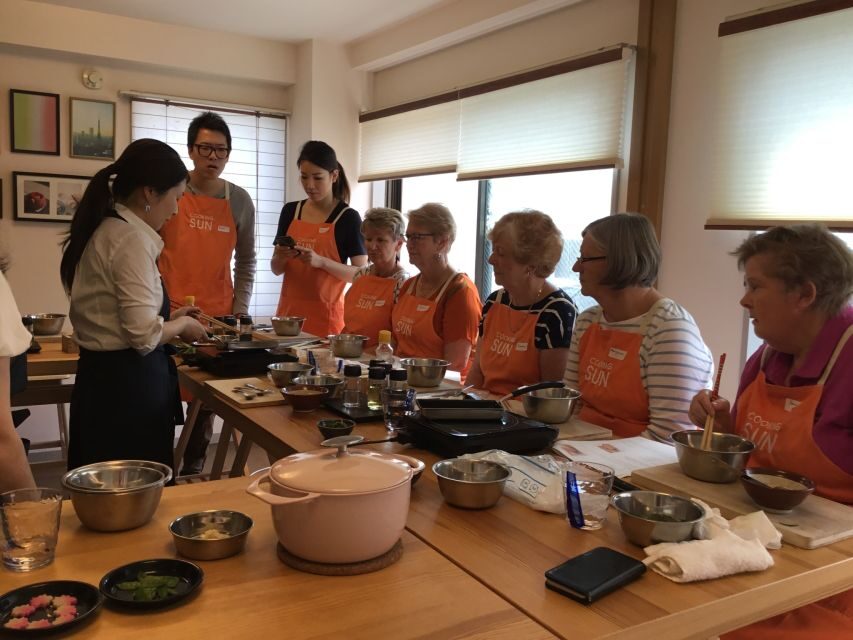
This isn’t a big glossy “tour kitchen.” It’s a compact studio setting in a quiet neighborhood, where you’ll likely hear more everyday conversation than food-broadcast chatter. The class runs for 3 hours, and the pacing matters: you’re doing things throughout the session, rather than watching a demo and hoping it sticks.
The value also comes from the environment. With a small group capped at 9 people, the instructors can correct small technique issues early—how you handle rice, how you season, and how you shape without crushing. In the reviews, people repeatedly mention instructors staying patient and organized, even when someone is new to sushi.
There’s also an English-first advantage. The class is listed as English instruction, and multiple reviews point out clear explanations and supportive help during the hands-on parts. That matters if your Japanese is limited and you want to understand what you’re doing, not just copy steps.
A few more Tokyo tours and experiences worth a look

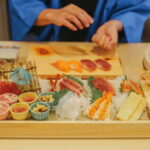
What you actually make: nigiri, inari, hosomaki, and a California roll
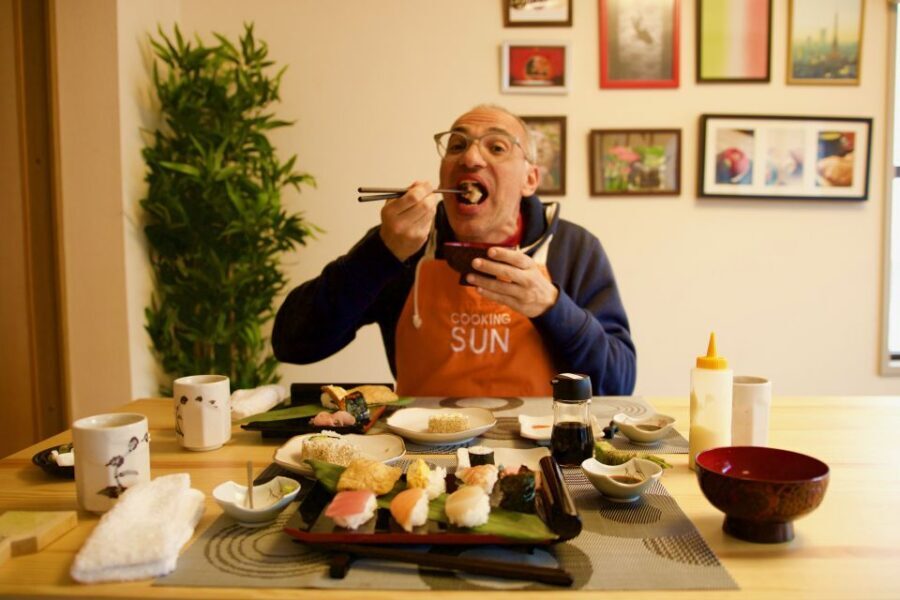
A lot of sushi classes stop at one style. Here, you build a small sushi lineup. Based on the class flow, you’ll work on:
- Nigiri (hand-pressed sushi): learning how rice and topping work together
- Inari (sweet tofu pouch sushi): a different texture and flavor balance than fish-based sushi
- Thin roll / hosomaki: practicing rolling mechanics and rice distribution
- California roll: a more familiar roll format that still teaches real technique
This mix is smart. Nigiri and rolls train different skills. With rolls you learn spread and roll tension; with nigiri you learn shaping and portion control. Inari teaches you something else entirely: sweet, savory tofu pouch flavors and how sushi rice behaves in a different form.
You’ll also make items that frame sushi as part of a broader Japanese meal. The class includes Japanese rolled egg (tamagoyaki) and miso soup, so your plate feels like a complete lunch or light dinner rather than a one-bite snack.
Sushi rice is the whole game, and that is where the class shines
If you only remember one thing from this class, let it be rice technique. Sushi rice is not just cooked rice. It’s about seasoning, temperature, and handling.
The class emphasizes making sushi rice properly, including guidance that helps you avoid the common mistakes: rice that’s too sticky, rice that’s too dry, or rice that’s hard to shape. Reviews also highlight learning the “proper way” to make sushi rice, which is exactly what you need if you want to recreate this at home.
And here’s the practical part: sushi rice controls everything else. The better the rice, the easier nigiri becomes, the cleaner your roll wraps, and the less frustration you feel when you’re trying to press or spread rice without tearing seaweed or crushing toppings.
You’ll also prep toppings like shrimp. The class notes that fish is pre-sliced, which keeps the cooking focus on shaping, seasoning, and assembly instead of knife skills. That trade-off is a plus for beginners: you can spend your energy learning sushi technique rather than worrying about cutting raw fish.
The flavor groundwork: ingredients, dashi, and miso soup
Before rolling and shaping, you’ll get an intro to Japanese ingredients and flavor building. The class specifically calls out dashi (soup stock) and traditional seasonings, plus how to make miso soup.
This matters more than it sounds. When you understand the role of dashi and miso, sushi doesn’t feel like a pile of toppings. You start tasting seasoning intentionally. It also makes the meal section better: you’re not just eating miso soup as an extra, you’re eating something you helped assemble and season.
You’ll make miso soup during the class flow and then enjoy it with your sushi. Reviews mention the class includes miso soup knowledge and technique, and people liked leaving with a clearer sense of how Japanese flavors connect across dishes.
Tamagoyaki step-by-step: Japanese rolled egg without the intimidation
Tamagoyaki can look fancy and complicated, but the class structure makes it approachable. You’ll try making a fluffy Japanese omelet with step-by-step guidance.
Rolling egg is a great training exercise because it teaches you timing and control. You watch how the instructor builds layers and then you do it yourself. Even if your first roll isn’t restaurant perfect, the process builds confidence. Reviews mention how the class breaks everything down into simple steps and makes the results feel doable.
If you’re thinking about cooking at home after this trip, tamagoyaki is one of the most repeatable skills from the day. Sushi is technique-heavy, but tamagoyaki often turns into a “practice this again” project because the method is clear once you’ve seen it and done it.





Rolling time: hands-on sushi prep, with real support
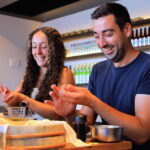
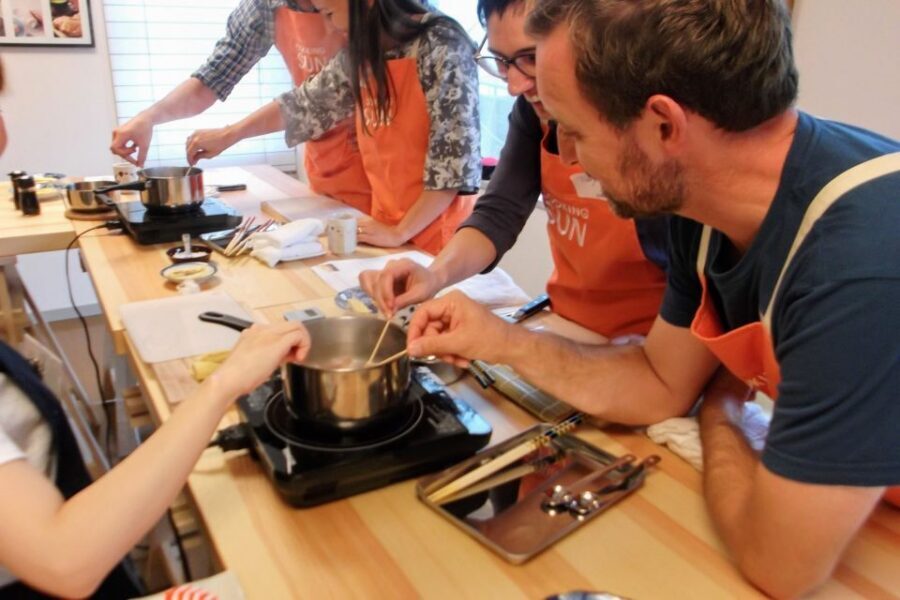
At the core, you’ll do the sushi work. You’ll prep sushi rice and toppings, roll, shape, and adjust as you go. The class is set up so you’re not stuck hoping your roll comes out right by luck.
With a small group, instructors can correct details while you’re mid-action. That’s a big deal because sushi technique is physical. If you press too hard, rice gets compact and toppings slide. If you spread too thick, rolls get bulky. If you’re too light-handed, rolls break. The class includes guidance during this process, so you learn by doing and fixing, not just trying once.
One more practical detail: you’ll get a towel and apron rental, which keeps you comfortable in a working kitchen. Reviews often praise the organization of the kitchen space and the rhythm of demonstrations plus hands-on steps, so expect breaks for cleanliness and hand-washing to keep things smooth.
What you eat at the end: a full plate, not a token bite
The best part is usually the last part: you sit down and eat your handmade sushi. The class meal includes:
- Miso soup
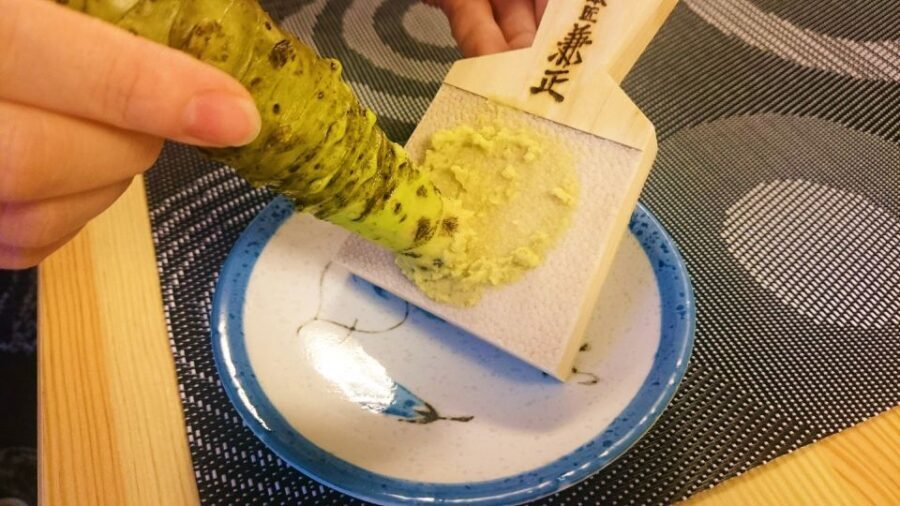
- Fresh wasabi and pickled ginger on the side
- The sushi you made (nigiri, inari, and rolls, plus tamagoyaki)
In multiple reviews, people stress that you leave with a lot of food. That’s a key value point for this class price. If you’ve ever paid Tokyo prices for sushi lunch, you know how fast the math adds up. Here, you’re not only learning skills. You’re consuming what you produced.
There’s also a “no need for dinner” effect reported in reviews. That’s not a promise, but it aligns with the class structure: you make multiple items and eat together at the end.
Price and value: why $67 can feel fair in Tokyo
For $67 per person and a 3-hour session, the value depends on what you want out of the experience.
If you want a quick taste, there are cheaper options. But this class offers more than one sushi style and includes tamagoyaki and miso soup. You’re also getting recipes to take home, and the class provides utensils and ingredients, plus apron and towel rental.
Then there’s the value of avoiding mistakes. Sushi rice technique is hard to learn from a random video. Having an instructor correct you in real time saves you trial-and-error cooking at home. Reviews repeatedly mention how simple step-by-step guidance makes the sushi come out well, even for beginners.
Small group size is the other cost-to-value factor. A class with help scales better than a class where you’re one of many people watching from the sidelines.
Dietary needs: substitutions are part of the design
This class is set up to handle dietary requirements. The info says instructors can substitute ingredients as needed for allergies, gluten-free diets, religious dietary restrictions, vegetarian preferences, and more. You’re asked to inform them during booking.
That’s not just a nice-to-have. In reviews, people mention accommodations for allergies and celiac disease, and they felt safe and not left out of the experience. If you have dietary restrictions, this class’s flexibility is a strong reason to choose it over a fixed-menu workshop.
Meeting point reality: finding the studio in Shinjuku’s neighborhood lanes
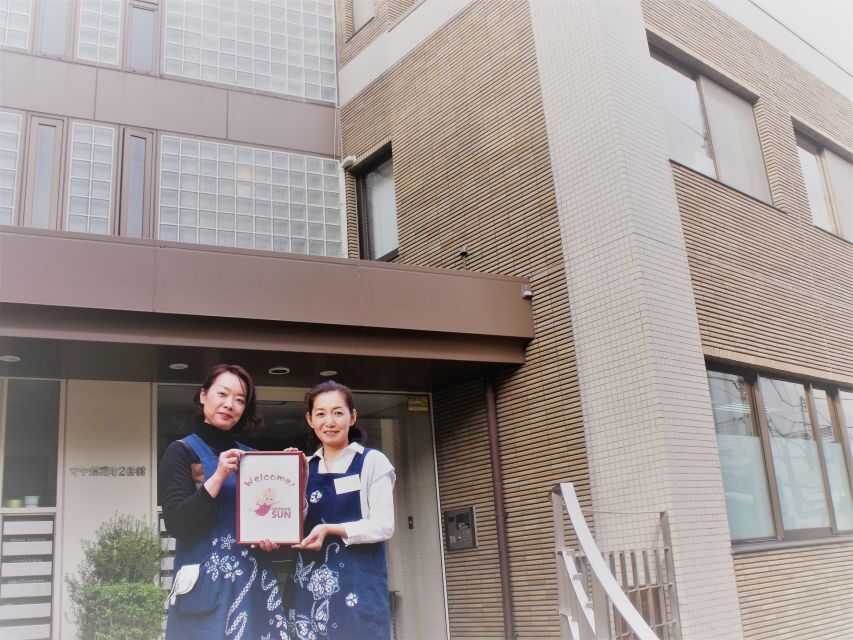
One thing to plan for: the studio can be hard to find because it’s in a residential area. You’ll meet on the 2nd floor of a beige residential building. There are two doors at the entrance, and you should use the right-side door to reach the studio. If you need to call, you press 314 on the intercom.
The good news is the class provides a clear Google Maps search. If you have Wi-Fi, use Google Maps and search Cooking Sun Tokyo at Shinanomachi 18-39, Shinjuku-ku, Tokyo. If you don’t have Wi-Fi, check detailed directions in advance so you aren’t scrambling on arrival.
Also note the “quiet neighborhood” etiquette: if you’re arriving by private vehicle, don’t stop or wait in front of the building. Use a nearby coin-operated parking lot if a driver needs to wait.
Who this sushi class fits best (and who it might not)
This class is ideal if:
- You want hands-on sushi skills without needing Japanese language fluency
- You’re a beginner who benefits from step-by-step guidance
- You want a meal that feels substantial, not just a snack
- You care about learning sushi rice technique and flavor foundations
It may be less ideal if:
- You want full instruction on cutting raw fish. The class notes pre-sliced fish is used, and cutting raw fish isn’t covered.
- You want a large “food tour” day with many stops. This is focused: you’re here for cooking and eating, and you’re not hopping all over town.
My booking decision checklist
I’d book this sushi class if you want a calm, skill-focused cooking afternoon in Tokyo. The mix of nigiri, inari, hosomaki, and California roll plus miso soup and tamagoyaki gives you more than one learning payoff. The small group size and English instruction are practical wins for real beginners.
I’d pass or look elsewhere if your priority is Japanese knife skills or raw fish prep, because pre-sliced fish is part of how the class is set up.
If you fall somewhere in between, here’s the simple way to decide: if you want to leave able to repeat at least sushi rice and one or two sushi styles at home, this class is built for you.
FAQ
FAQ
How long is the Tokyo sushi making class?
The class lasts 3 hours.
Is the class taught in English?
Yes. The instructor language is listed as English.
How many people are in the group?
The class is a small group limited to 9 participants.
What sushi and related dishes do you make?
You’ll learn to make nigiri, inari, a thin roll (hosomaki), and a California roll. The class flow also includes miso soup and Japanese rolled egg (tamagoyaki).
Does the class teach you how to cut raw fish?
No. The class uses pre-sliced fish, and it does not include instruction on how to cut raw fish.
What’s included in the price?
Included items are recipes, all ingredients and utensils, and towel and apron rental.
How do I find the studio?
It’s in a residential area on the 2nd floor of a beige building. Use the right-side door, and if calling use 314 on the intercom. With Wi-Fi, search Google Maps for Cooking Sun Tokyo.
Can dietary restrictions be accommodated?
Yes. The class says instructors can substitute ingredients for allergies, gluten-free diets, religious dietary restrictions, vegetarian preferences, and more. You should inform them when making your booking.