REVIEW · OSAKA
Osaka Walking Tour
Book on Viator →Operated by ALL STAR OSAKA WALK · Bookable on Viator
Osaka has layers, and this walk reveals them. You start at JR Osaka Station, ride local transit, and end on Ebisu Bridge, with real neighborhood stops and a Kushikatsu tasting in between. It is the kind of route that helps you understand why Osaka feels different from Kyoto or Tokyo.
Two things I love here: the small group size (max 10) and the chance to eat Kushikatsu right in Shinsekai. Your local guide also gives practical context, so the city stops looking like random signage and starts making sense.
The main catch is cost beyond the ticket: the subway ride is not included, and you’ll do a moderate amount of walking with some steps. If you hate shoe wear or tight timing, plan accordingly.
In This Review
- Key highlights you should care about
- Arriving in Umeda: Why Osaka Station City is a smart starting point
- Riding the subway like you actually live there
- Shinsekai: The street-food heart and the Kushikatsu tasting
- Hozenji Temple and the old-versus-now contrast
- The walk into Dotonbori ends on Ebisu-bashi
- Pacing, shoes, and the reality of steps and escalators
- Price and value: what $53.06 really buys you
- When to take this tour in your trip
- Who should book this Osaka walk
- Should you book this tour?
- FAQ
- How long is the Osaka walking tour?
- Where do I meet, and what time does it start?
- What food and drink are included?
- Is the subway fare included?
- How many people are in the group?
- Is there free cancellation?
Key highlights you should care about
- Small group (max 10) means you can actually ask questions and keep a comfortable pace
- Kushikatsu tasting + 1 non-alcoholic drink gives you a real food moment without turning into a full-on food crawl
- Osaka Station City orientation helps you navigate a complex hub early
- Shinsekai stop puts Osaka’s street-food culture on your map
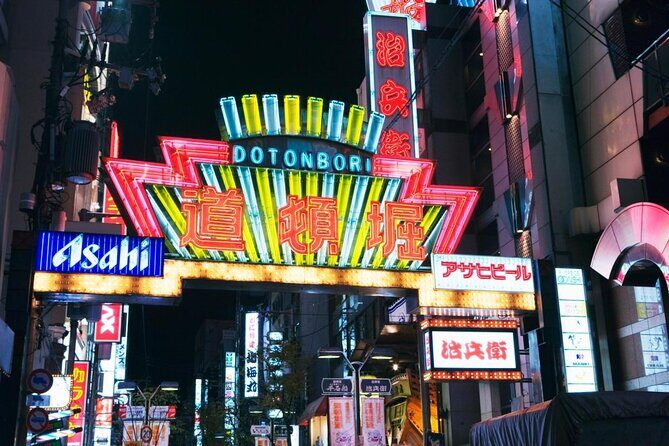
- Ebisu-bashi finish in Dotonbori lands you at one of the city’s most famous neon intersections
- Meet with an All Star Osaka yellow flag so you can find your guide fast in Umeda
Arriving in Umeda: Why Osaka Station City is a smart starting point

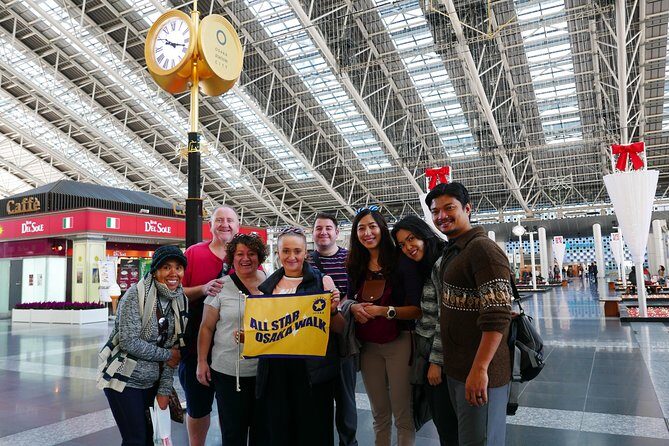
Most first-time Osaka plans start with big sights. This one starts with something even more useful: Osaka Station’s world. You meet at the Osaka Tourist Information Center on the ground level, in front of the central gate of JR Osaka Station, at 9:50 am, and the tour starts exactly at 10am with the guide holding an All Star Osaka yellow flag.
That matters because JR Osaka Station is not small or simple. Starting here means your guide can show you how to move through the station area without you guessing. Plus, Osaka Station City is built for people-watching and quick breaks, which is handy on hot days or when the weather turns.
If you’re the type who wants to understand the city’s “logic” before you chase photos, this first stop does that. You get a structured intro, and then you’re ready to connect the neighborhoods you’ll see later.
Tip for your first hour: arrive a few minutes early. The meeting point is very easy to miss if you’re moving fast, and Umeda is crowded.
You can also read our reviews of more walking tours in Osaka



Riding the subway like you actually live there
This tour includes a subway ride as part of the route, and that’s a big value for first-timers. You are not just walking past transportation systems; you’re using them. That helps you get your bearings fast for the rest of your trip.
Do note the practical detail: the subway fee is not included. The data provided lists 430 yen for adults and youth and 220 yen for children. It is small money, but it can feel annoying if you forget to plan for it.
Why I think the subway segment is worth it: it turns transit into part of your orientation. You learn what direction your route tends to go, and you start recognizing the rhythm of daily commuting. Even if you later swap to trains or buses, you’ll feel less lost than you would after wandering for hours.
Shinsekai: The street-food heart and the Kushikatsu tasting
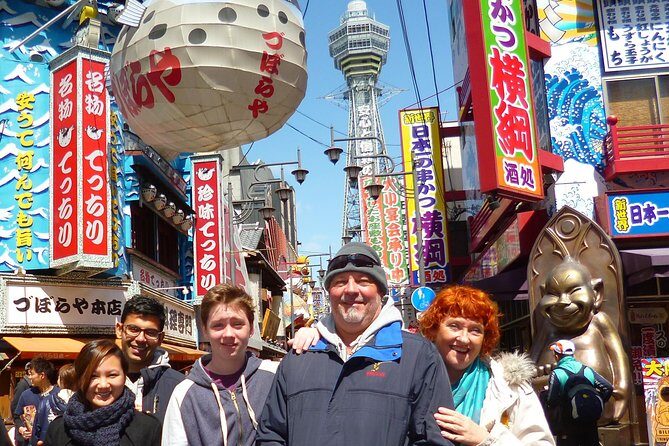
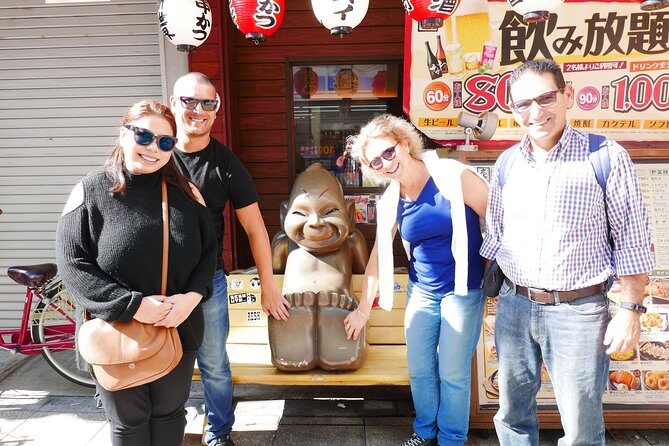
After Osaka Station, you head to Shinsekai, one of the most recognizable downtown areas in the city. This is where Osaka leans into what many people come for: casual meals, loud storefront energy, and food that feels local.
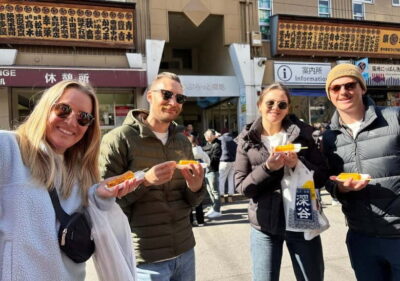
Your tour stops at a restaurant for the included tasting of Kushikatsu, which is described here as a deep fried snack. You also get one non-alcoholic drink as part of the inclusion list.
I like this setup because it is a real food moment without turning your schedule into a chain of meals. It gives you something to anchor the neighborhood with. When you see Shinsekai’s restaurant density, the included snack helps you understand why the area has such a reputation.
A small consideration: the tour provides the tasting, but it does not promise additional food beyond that. If you have strong food goals (more than one bite, or a full meal), you’ll need to budget extra on your own.
Who this stop suits best: first-timers who want one signature Osaka bite, and anyone who prefers guided timing over “figure it out” hunger.
Hozenji Temple and the old-versus-now contrast
Osaka can switch moods quickly. One moment you’re in modern shopping corridors. The next, you’re close to a historic site that slows everything down.
This tour is designed to show those different faces. The overview specifically calls out a visit to Hozenji temple, and it also mentions cruising through the Dotonbori area and waterfront energy. Even if you don’t know the details of each place before you arrive, having your guide point out what you’re looking at can make the whole city feel less random.
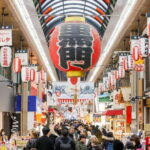
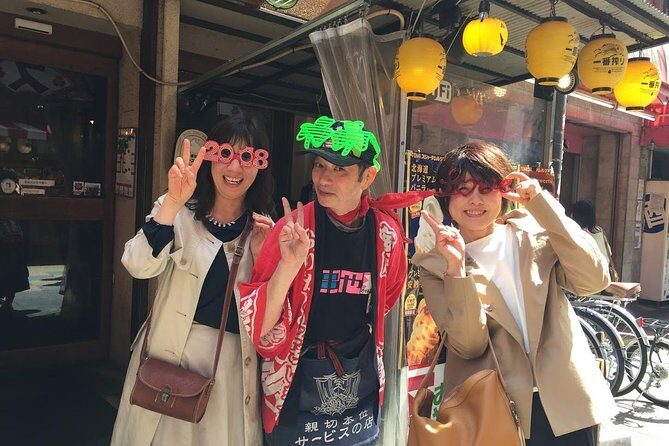
In between the bigger named anchors, you also get time in smaller spaces: the route includes a small attractive alley lined with restaurants, plus segments that pass lively commercial areas with flashy billboards. That mix is the point. Osaka is not a museum; it’s a working city where history and commercial life sit side by side.
If you enjoy street-level atmosphere and you like learning why places are where they are, this part of the tour tends to land well. If you only want one major landmark after another, the alley-and-temple pacing might feel more “walk and notice” than “collect checkmarks.”
The walk into Dotonbori ends on Ebisu-bashi
The finish is at Ebisu Bridge (Ebisu-bashi) in the Dotonbori area. This is where a lot of Osaka first-timers want to be, because Dotonbori is basically visual electricity: signs, lights, and crowds concentrated around the entertainment district.
Your tour ends on the bridge itself, so you get that payoff moment at the end of your orientation walk. The last stretch is also short by design, which helps you avoid the feeling of being dragged through the city when you’re already tired.
Why I think ending here is smart: you leave with a clear place to return to later. Once you’ve got the neighborhood layout in your head from the earlier stops, the Dotonbori scene becomes more than just a backdrop. It turns into a location you can navigate intentionally.
One more practical note: this area can be busy. If you’re sensitive to crowds, plan your rest of the day so you’re not immediately trying to do something that requires quiet or lots of waiting.

Pacing, shoes, and the reality of steps and escalators

This is a 3-hour small-group walking tour with a moderate amount of walking. That phrase usually means something different depending on the operator, but here you also get an explicit heads-up: the tour uses escalators and some steps, and you should be mindful of strollers.
So bring comfortable shoes. Don’t count on perfect flat pavement. Also, Osaka weather can be humid and unpredictable, and the tour notes it takes place rain or shine.
What I like about the pacing: it’s structured enough to keep you moving, but flexible enough that guides can keep conversations going. The small group limit (max 10) helps a lot, because it’s easier to slow down when people have questions.
If you’re traveling with kids, the info says children must be accompanied by an adult. And since the subway fee is separate, have your child fare ready too.
Price and value: what $53.06 really buys you
The price listed is $53.06 per person for a tour that runs about 3 hours. For that cost, the inclusions are clear: food tasting (Kushikatsu), one non-alcoholic drink, and a local guide.
On top of that, the tour includes admission for at least one segment (the Osaka Station City ticket is shown as free, but the tour overall states admission ticket included). In practice, this means you’re paying mainly for guidance and time, not for a pile of attractions.
Now for the part that decides whether it’s “worth it” for you: subway fare is not included. Budget the extra 430 yen adult/youth or 220 yen child for that ride. Also, food and drinks are not included beyond the snack tasting and your one drink.
Where the value shows up is the “first visit” payoff. You’re not trying to assemble Osaka from scratch during your first hours. You’re getting a route that connects major areas: Osaka Station, Shinsekai, Dotonbori, and Ebisu Bridge, plus a temple stop.
If you’re short on time and you want a clean starter path, this pricing can make a lot of sense. If you already know Osaka transit well and you only want street vibes, you might find you can do parts independently. But you’d likely still pay something for transit and end up paying for a meal anyway.
When to take this tour in your trip

This walk is built for orientation. It’s called out as a great introduction for first-time visitors, and the route targets areas that help you understand Osaka’s different sides.
I’d do it early—ideally the first day you’re actually exploring on foot and using transit. If you arrive at JR Osaka Station and want momentum without hours of guessing, this gives you a guided path immediately.
Also, book it earlier rather than later. The information says it’s commonly booked about 39 days in advance, so popular departure times can fill.
Who should book this Osaka walk
This tour is a strong fit if you:
- want a 3-hour start to Osaka rather than a full-day commitment
- like the idea of trying Kushikatsu with a guide instead of hunting for the best first stop alone
- enjoy learning how neighborhoods connect, from station zones to Shinsekai to Dotonbori
- prefer a small group where you can talk with your guide and keep a steady pace
It may be less ideal if you:
- hate any walking with steps/escalators
- want a long, sit-down meal experience (this is a tasting-focused tour)
- don’t want to pay extra for the subway ride
Should you book this tour?
If you’re asking me for a simple decision: I’d book it as your first Osaka “map-building” move. The combination of guided orientation, a proper snack tasting, and a finish at Ebisu Bridge makes it a practical use of a short window.
I’d also go in with two expectations set clearly: you’ll pay the subway fare on your own, and you’re doing a moderate walking route. If that matches how you like to travel, this tour is an efficient way to go from arriving at Osaka Station to feeling like you’ve seen the city’s main pulse points.
If you want, tell me your travel dates and whether you’re going with kids, and I’ll suggest how to slot the 3-hour walk into a smart first-day Osaka plan.
FAQ
How long is the Osaka walking tour?
The tour lasts about 3 hours.
Where do I meet, and what time does it start?
Meet at the Osaka Tourist Information Center on the ground level, in front of the central gate of JR Osaka station, at 9:50 am. The tour starts exactly at 10am. The guide holds an All Star Osaka yellow flag.
What food and drink are included?
You get one non-alcoholic drink and a food tasting of Kushikatsu.
Is the subway fare included?
No. The subway fee is not included. The listed fare is 430 yen for adults and youth, and 220 yen for children.
How many people are in the group?
This tour has a maximum of 10 travelers.
Is there free cancellation?
Yes. Free cancellation is available up to 24 hours before the experience start time for a full refund.