REVIEW · TOKYO
Hakone and Mt. Fuji Day Trip with Private Vehicle
Book on Viator →Operated by Tour Japan · Bookable on Viator
One perfect day, in a car. This private Hakone and Mt Fuji trip is built for people who want out-of-Tokyo time without train transfers, with a route you can tweak to your pace. You’ll start with shrine views, move to Lake Ashi for the scenery, then head toward the volcanic sights at Owakudani.
I especially like that the day is customizable, so you can slow down for photos or spend more time where you actually care. I also like the mix: classic views at Lake Ashi, then modern art at the Hakone Open-Air Museum, plus a garden stop and a shopping option in Gotemba.
One thing to consider up front: Mt Fuji is weather-dependent. Even when the itinerary is right, clouds and haze can hide the mountain, and your driver may adjust the day accordingly.
In This Review
- Key moments to know before you go
- Private Hakone and Mt Fuji: why this format saves real energy
- Hakone Shrine and Kuzuryu Shrine Singu: a calm start with big-feeling traditions
- Lake Ashinoko: where you go for views, not checklists
- Hakone Ropeway to the volcanic zone: close-up steam and sensory sights
- Hakone Open-Air Museum: art in nature, with real star power
- Gora Park: the “pause button” with fountains and rose garden paths
- Gotemba Premium Outlets: the practical add-on that can be a real tradeoff
- Price and what it really covers: where your money goes
- Driver expectations: private transport is not the same as full guiding
- Weather reality: Mt Fuji visibility and how your day may change
- Who should book this Hakone and Mt Fuji private day trip
- Should you book this Hakone and Mt Fuji private day trip?
- FAQ
- How many people are included in this private tour?
- Is pickup from Tokyo included?
- How long is the day trip?
- What’s included in the price?
- What attractions require extra admission fees?
- What are the main stops during the day?
- Can I expect to see Mt Fuji every time?
- Do I need good weather for the experience?
- What if I cancel?
Key moments to know before you go
- Private, air-conditioned transport for up to 5 people, so you avoid transfers and tight connections
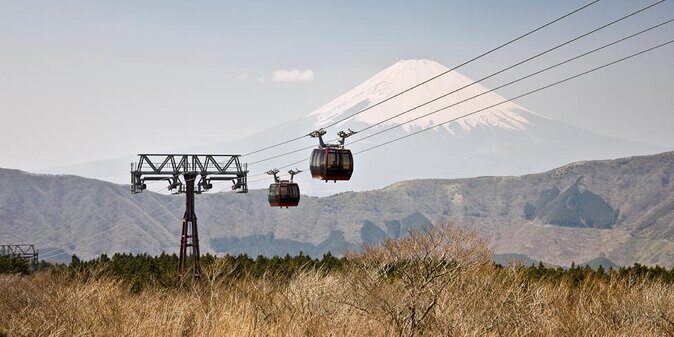
- Lake Ashi cruise + ropeway/volcanic sights for big scenery and up-close geothermal activity
- Hakone Open-Air Museum for modern sculpture set in nature, with major works including Picasso items
- Gora Park for a relaxed garden break with fountains and rose garden paths
- Gotemba Premium Outlets as a practical time filler, but it can be slower during holidays
Private Hakone and Mt Fuji: why this format saves real energy
Hakone works best when you feel un-rushed. This tour is designed for that. You get a private vehicle with pickup offered, bottled water, and an itinerary that you can shape as the day unfolds. That matters because Hakone is spread out, and public transport can mean multiple transfers, schedules to match, and time lost to walking between stations.
The route also leans into the way most people actually want to experience Hakone: first the spiritual stop, then the lake views, then the geothermal punch. By the time you reach the museum and gardens, you’re already in a slower rhythm than downtown Tokyo.
If your group has elders, kids, or anyone who hates sprinting between connections, this is the format that usually feels kinder. It’s also a good choice if you’re short on time and don’t want to commit to staying in Hakone overnight.
You can also read our reviews of more private tours in Tokyo


Hakone Shrine and Kuzuryu Shrine Singu: a calm start with big-feeling traditions
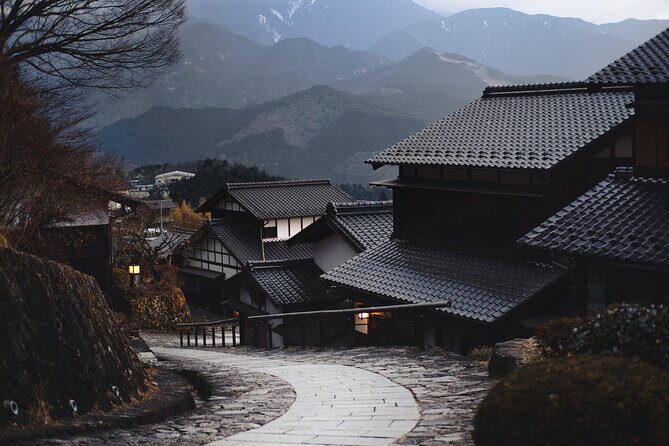
Your first stop is Hakone Shrine / Kuzuryu Shrine Singu, a shrine site tied to long history and strong spiritual reputation. Expect a walk through grounds that many people associate with good luck, purification, easy delivery, traffic safety, and economic well-being.
Even if you’re not the type who reads every plaque, you’ll still feel why this is a “starter” location. It gives you a cultural reset before the day turns scenic and busy. It’s also one of the easier stops to enjoy without rushing, since the time slot is about 45 minutes and admission is listed as free.
A practical tip: wear shoes you’re comfortable walking in. Shrine grounds can be uneven, and you’ll likely spend time around viewing areas and vendors for snacks and small souvenirs.
Lake Ashinoko: where you go for views, not checklists
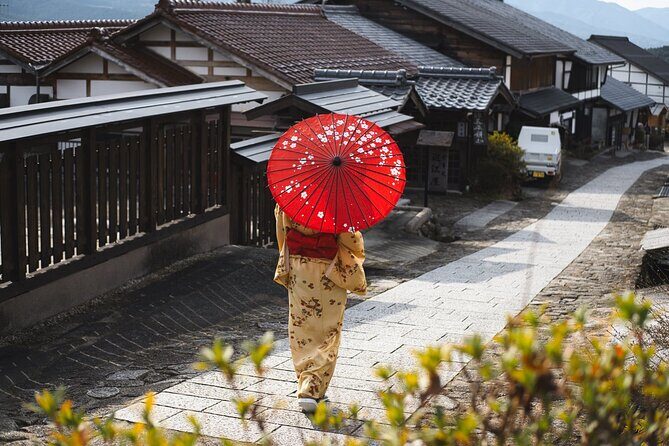
Lake Ashinoko is the postcard moment in many Hakone days. You’ll get about 1 hour here, with time for the calm shoreline atmosphere and nature-filled surroundings. The key value is the way the lake frames Mt Fuji when the skies cooperate.
This is also where you begin moving into the “system” of Hakone sightseeing: you can take a cruise and then connect onward toward ropeway access. The lake cruise is the smooth, scenic portion of the day. It’s not just transportation; it’s part of the view.
From a practical standpoint, I like that this stop is flexible in spirit. If Mt Fuji is visible, you’ll want time for photos. If it’s not, the lake itself still feels like a break from city noise, and you can enjoy the weather shift and fresh air.
Hakone Ropeway to the volcanic zone: close-up steam and sensory sights
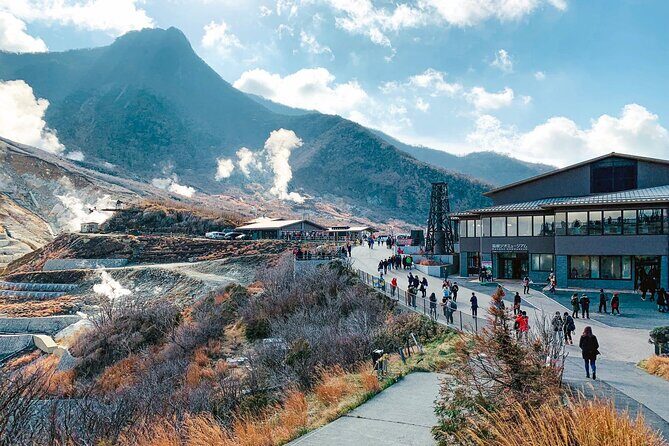
Next you’ll head to the Hakone Ropeway, with time for ferry movement to Togendai and then onward for volcanic views at the Owakudani area. Admission here is not included, so you’ll need to budget extra.
This stop is built around active geothermal energy. You’ll see vigorous volcanic activity and rising gases up close. It’s one of those experiences where you don’t need a long lecture to understand what’s happening—you can see and smell the planet doing its thing.
Plan for short, steady walking and layered clothing. Mountain-area weather changes quickly, and the volcanic zone can feel cooler or harsher than the lake area. Also note: this portion of the day can be the most weather-sensitive in terms of comfort, visibility, and photo clarity.
If the mood hits you, this is also where you might want to try local snacks associated with the geothermal area. One highlight that came up in real-world feedback is the chance to eat the area’s famous black eggs while you’re in the volcanic zone.
Hakone Open-Air Museum: art in nature, with real star power
The Hakone Open-Air Museum is one of the most valuable parts of the day because it slows everything down. You get about 1 hour to explore, and the museum is known for significant modern sculptures in a setting that connects art and the outdoors.
What makes this stop especially worthwhile is that it feels like walking through an outdoor gallery instead of a quick ticketed room. Even if you only enjoy certain artists, the open-air format changes how you experience the works.
One detail that people often mention: a Picasso exhibit with more than 300 original pieces. That’s a big deal if you like modern art, and even if you don’t, the collection and grounds can still be an enjoyable reset after the volcanic intensity.
Admission is not included (listed at ¥2,000 per person), so check your budget early. If you care about this museum, it’s worth prioritizing in your planning so you’re not rushing it between other long drives and connections.
A few more Tokyo tours and experiences worth a look




Gora Park: the “pause button” with fountains and rose garden paths
Gora Park gives you a lighter, more garden-style break. It’s described as a French-styled landscape park with a large fountain and rose garden, plus greenhouses including a tropical botanical garden.
You’ll have about 45 minutes here, and admission is not included (listed at ¥650 per person). I like this stop because it balances the day. After geothermal sights and museum walking, you get open space, shade, and a slower pace that’s easier on the legs.
It’s a good choice if your group wants something photogenic but not physically demanding. And if the weather turns, this kind of outdoor park break can still feel pleasant even when Mt Fuji is hidden.
Gotemba Premium Outlets: the practical add-on that can be a real tradeoff
Gotemba Premium Outlets is the day’s shopping stop, typically about 1 hour 30 minutes. Admission here is free, and the mall is known for international brands.
Here’s the tradeoff: it can be great if you want souvenirs or clothing at outlet prices, but it can also feel stressful during peak holiday traffic. In one real-world example from the same style of day trip, road and parking congestion made it slower to reach the mall, and the group ended up walking about 1 km after leaving the vehicle.
So if your goal is pure sightseeing, think of Gotemba as a bonus, not a must. If your group loves shopping, it can be a smart use of time that breaks up the day before the return drive.
Price and what it really covers: where your money goes
At $436.05 per group (up to 5 people), this is not a budget day trip. The value comes from the private vehicle and the way it reduces Tokyo-to-Hakone stress. You’re paying for time savings, comfort, and flexibility more than for included attractions.
What’s not included matters, because Hakone attractions add up fast. You should expect to pay separately for:
- Hakone Open-Air Museum: ¥2,000 per person
- Hakone Ropeway: ¥1,600 per person
- Hakone Gora Park: ¥650 per person
- Hakone cruise ship: ¥1,200 per person
That means your final total depends on how many of these you actually do. The good news is that the biggest sightseeing components are exactly the ones that are easiest to plan around: museum time, ropeway time, and the lake cruise.
If you want to keep the day efficient, I recommend you decide early which paid elements you consider non-negotiable. If ropeway and cruise are central to your plan, budget for all of it and go with the full flow.
Driver expectations: private transport is not the same as full guiding
A key point that can affect satisfaction: this experience is a private vehicle service with an English-speaking driver, and the day is customizable. But it’s not described as a full, step-by-step guided tour with deep narration throughout.
What you can reasonably expect is practical help: getting you from place to place, managing timing, and giving an overview that helps you understand where you are. Several real-world comments also highlight drivers who were prompt, patient, and good at adjusting the schedule when conditions changed.
If you’re the type who wants history-heavy explanations at every stop and you need detailed site context, you’ll want to confirm whether you’re booking true guidance or transport-focused help. At this price point, it’s worth aligning expectations so the day feels like a win, not a mismatch.
Weather reality: Mt Fuji visibility and how your day may change
Mt Fuji is the headline, but it’s not under your control. Cloud cover and haze can hide the mountain completely. When visibility is poor, your best move is accepting that you’re still going to Hakone for an experience, not just a single view.
The good side: Hakone still delivers. Lake Ashinoko has a beautiful lake-and-mountain feeling even without clear Fuji. The open-air museum remains enjoyable in many conditions. And the ropeway and volcanic zone offer an experience that’s still there even when the sky doesn’t cooperate.
Some drivers also adjust. In one example, when visibility was limited, more time was spent on other experiences such as an onsen stop rather than sticking rigidly to a view-dependent plan. That’s the practical advantage of private transport and flexibility.
If you want the best shot at seeing Fuji, aim for clear daytime windows and keep your schedule adaptable. But if it’s cloudy, don’t treat that as failure. Treat it as a chance to enjoy the Hakone parts that don’t depend on one perfect line of sight.
Who should book this Hakone and Mt Fuji private day trip
This tour is a strong match if you:
- want a private car to avoid multiple transfers
- have limited time and want Hakone highlights in one day
- travel with up to 5 people and want to split costs
- care about a mix of views, art, and a light garden break
It’s a weaker match if you:
- need a guaranteed Mt Fuji view (it’s not promised)
- expect deep, museum-style guiding at every stop as part of the base service
- want a strictly fixed timeline with no flexibility when conditions change
Should you book this Hakone and Mt Fuji private day trip?
If you value comfort, flexibility, and a smooth one-day route, I think this is a solid booking. The private vehicle format helps you actually enjoy Hakone rather than spend the day managing logistics. The Hakone Open-Air Museum and the volcanic zone can become the anchor moments even when Mt Fuji hides.
Before you pay, do two things: budget for the extra admission fees and go in knowing Fuji visibility depends on weather. If those two points are aligned with your expectations, you’re likely to end the day with that rare feeling: you saw a lot, and you didn’t feel rushed getting it.
FAQ
How many people are included in this private tour?
The tour price is listed per group, up to 5 people.
Is pickup from Tokyo included?
Pickup is offered, and you’ll travel in a private, air-conditioned vehicle. Bottled water is included.
How long is the day trip?
The duration is about 10 hours.
What’s included in the price?
Included items are air-conditioned vehicle, private transportation, and bottled water. A mobile ticket is also offered.
What attractions require extra admission fees?
Extra tickets are listed for the Hakone Open-Air Museum (¥2,000), Hakone Ropeway (¥1,600), Hakone Gora Park (¥650), and the Hakone cruise ship (¥1,200). Admission tickets cost extra.
What are the main stops during the day?
Stops include Hakone Shrine / Kuzuryu Shrine Singu, Lake Ashinoko, Hakone Ropeway, Hakone Open-Air Museum, Gora Park, and Gotemba Premium Outlets.
Can I expect to see Mt Fuji every time?
No. The tour depends on weather for views, and Mt Fuji may be obscured by clouds or haze.
Do I need good weather for the experience?
Yes. The experience requires good weather. If it’s canceled due to poor weather, you’ll be offered a different date or a full refund.
What if I cancel?
You can cancel for a full refund if you cancel at least 24 hours in advance of the experience start time.