REVIEW · TOKYO
Hands-on Japanese Cooking in a Shinjuku Home Kitchen with Satoru
Book on Viator →Operated by Traveling Spoon · Bookable on Viator
Cooking in a stranger’s kitchen sounds risky, not here. You meet Satoru in lively Shinjuku and end up learning Japanese homestyle dishes, then eating them together in a real apartment kitchen. It’s culture you can touch: ingredients, timing, and little kitchen decisions you don’t get from a demo class.
I especially love the hands-on pace and the way Satoru talks through ingredients, from savory dashi to sweet notes like organic honey. I also love the private meal afterward, where the cooking turns into an actual sit-down conversation instead of a quick photo and dash.
One thing to plan for: the weekday menu is fixed, so you’ll want to check the menu ahead and give any dietary changes at least one week in advance.
In This Review
- Key highlights to know before you go
- Shinjuku meet-up to apartment kitchen: what the first moments feel like
- What you’ll cook: teishoku set meal days vs popular Tokyo dishes
- Days with teishoku (Japanese set meal)
- Days with popular Japanese foods
- Two quick planning tips
- Inside the class: how the cooking lessons actually work
- What you should do during cooking
- A realistic consideration: small kitchen logistics
- The private meal afterward: eating with your host (and local drinks)
- What the dinner table gives you
- The take-home gift: utensil and ingredient you can use later
- Price and value: why $130 can feel fair (if you want this format)
- Who should book Satoru’s Shinjuku cooking class (and who might not)
- Should you book? My practical go/no-go advice
- FAQ
- Where do I meet for this cooking class?
- How long is the experience?
- Is the tour private?
- What is included in the price?
- Is hotel pickup and drop-off included?
- What dishes do you cook on different days?
- Can I get a vegetarian option?
- If I have dietary restrictions, when should I tell the host?
- Do I eat the meal I help prepare?
- Is alcohol included?
- Is there free cancellation?
Key highlights to know before you go
- Shinjuku meet-up + apartment walk: you start at JR Shinjuku Station and head to a cozy, local home kitchen
- Cook 2–5 homestyle dishes: hands-on prep from scratch, not just watching
- Teishoku weekdays vs popular-food days: dishes depend on the day, and you should confirm your menu early
- Eat what you make, privately: enjoy a meal with your host plus 1–2 glasses of local alcohol
- Take-home utensil + ingredient: a small souvenir you can actually use back home
Shinjuku meet-up to apartment kitchen: what the first moments feel like
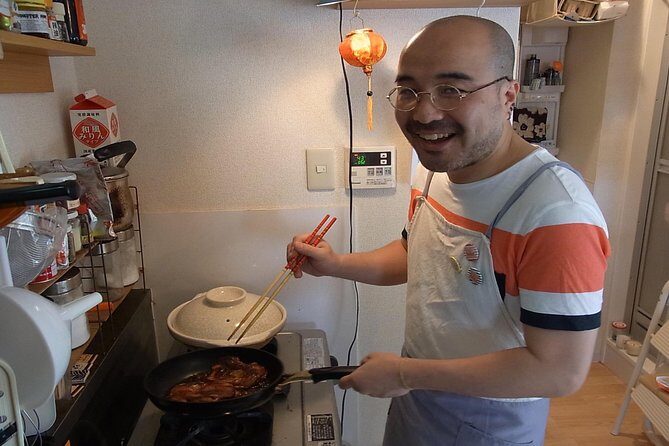
This experience starts at JR Shinjuku Station, and that matters more than you might think. Shinjuku is huge, busy, and layered, so having a clear rail-station start makes it easier to arrive on time without turning your morning into a scavenger hunt. From there, you walk together to Satoru’s simple, cozy apartment in the heart of Shinjuku.
The move from station chaos to an apartment kitchen is part of the charm. You’re stepping out of Tokyo’s public face and into a small space where cooking actually happens day to day. The kitchen is described as small but efficient, which means you’ll likely work close to the counter and each other. It’s not a large classroom setup, and that can be a plus: you’ll feel the rhythm of a real home kitchen, not a stage.
One practical note: pickup from the station is included, but hotel pickup and drop-off aren’t. If you’re staying outside easy reach of Shinjuku, build in extra time to get yourself to JR Shinjuku Station.
You can also read our reviews of more cooking classes in Tokyo


What you’ll cook: teishoku set meal days vs popular Tokyo dishes
A big part of the decision is the menu. This class has a clear schedule by day, and it’s not one of those experiences where you can assume you’ll get your favorite dish.
Days with teishoku (Japanese set meal)
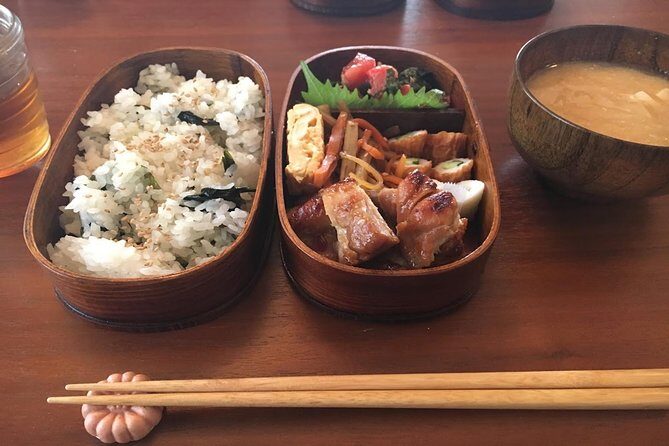
On Sat, Sun, Mon, and Tue, the class follows teishoku. That means you’ll cook a Japanese set meal that includes:
- miso soup
- rice
- 2 side dishes
Teishoku is a great choice if you want a balanced overview of Japanese home cooking. You get the comfort basics plus sides, which is useful if you’re trying to understand how flavors are built in layers: soup first, rice as the base, then sides to round out salt, sweetness, and texture.
Days with popular Japanese foods
On Wed, Thu, and Fri, the menu shifts toward popular Japanese comfort foods. Depending on the day, you might make dishes such as:
- Okonomiyaki (Japanese pancake)
- Karaage (fried chicken)
- Yakisoba (pan-fried noodles)
- Katsu curry rice
- Ramen
- Gyoza
If you’re the type who wants foods you’ve seen on menus and in Tokyo streets, these days fit well. You’ll still be cooking from scratch, but the dishes tend to be more instantly recognizable.
Two quick planning tips
First, check the menu in advance. The experience notes that specific days have specific menus. If you don’t share your preference, you’ll cook the menu of the day.
Second, for restrictions or changes, tell Satoru one week in advance. If you wait too long, the menu of the day will be cooked. A vegetarian option is available—make sure you indicate it at booking.
Also expect some variation: the menu may vary depending on season. That’s not a deal-breaker; it’s often a normal part of Japanese cooking where ingredients follow what’s best right now.
A few more Tokyo tours and experiences worth a look



Inside the class: how the cooking lessons actually work
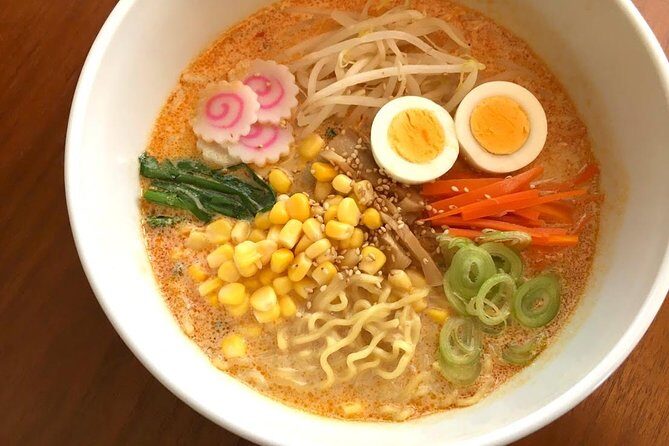
You spend about an hour and a half cooking, then you sit down to eat. In the kitchen, the goal is simple: cook 2–5 authentic Japanese homestyle dishes from scratch. Some days lean toward two or three dishes, while others can stretch closer to five depending on the menu and flow.
What makes the cooking time useful is the way Satoru explains what’s happening. The experience description emphasizes that you can ask about ingredients—everything from dashi (that savory base) to sweetness like organic honey. In reviews, people highlight that Satoru shares background on ingredients and keeps the mood light with humor. That’s a big deal in a cooking class, because it turns instructions into understanding.
If you’re worried you might not be skilled in the kitchen, here’s the good news: the class is built around doing, not knowing everything already. You learn as you go. Reviews also mention patience—especially helpful for families with teens—so even if your group has different skill levels, the pace seems to work.
What you should do during cooking
- Ask questions while you’re cooking, not after. If you learn why something matters while your dish is in progress, it sticks.
- Pay attention to the order of steps. Japanese home cooking often depends on timing and sequencing, like when to mix, when to simmer, and when to stop heat.
- Don’t over-focus on perfection. The point is to make dishes you can taste and recognize, then recreate parts at home.
A realistic consideration: small kitchen logistics
Because the kitchen is compact, you might be standing close to other people in your group. That’s usually fine, but if you’re uncomfortable in tight spaces, plan your posture and movement early.
The private meal afterward: eating with your host (and local drinks)
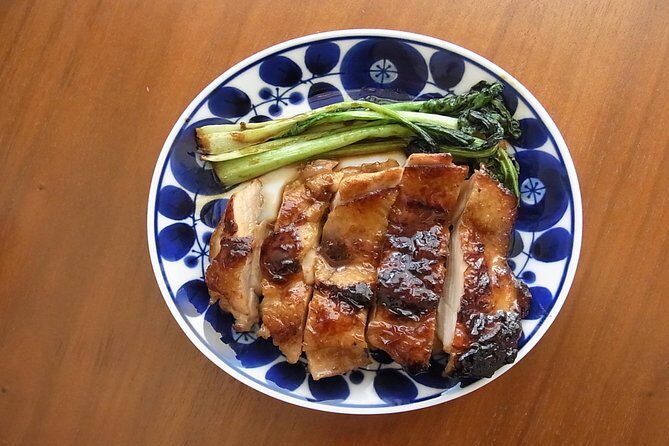
After cooking, you’ll share the meal you helped prepare. This is a private experience, and the pacing shifts from work mode to relaxed conversation.
What’s included is a local alcohol drink, typically 1–2 glasses. That’s enough to make dinner feel like a proper evening out without turning the night into a blur. It also nudges the conversation into a more personal place—what people cook, why they choose certain ingredients, and what certain flavors mean in daily life.
From the reviews, one theme shows up: laughter. People describe lots of humor and an easy, welcoming energy. Another theme is that Satoru explains the ingredients and ties them to stories about his cooking choices. That’s exactly what makes the meal more than just a reward. You’re eating while learning, and you get to connect the flavors on your plate to the decisions you watched (and made) in the kitchen.
What the dinner table gives you
- Confirmation of your own work: tasting your cooking right away teaches you faster than any recipe sheet
- Context for flavors: why miso tastes the way it does, or why dashi matters
- A human view of culture: conversation with someone who cooks at home beats a scripted talk every time
The take-home gift: utensil and ingredient you can use later
You also receive a gift of a Japanese utensil and ingredient. This is more practical than a typical souvenir, because you’re taking something tied to the dish you just made.
Even without knowing the exact item ahead of time, you can still use the gift smartly:
- Ask Satoru how it’s usually used, since the utensil will make more sense once you hear the intent
- Keep the ingredient stored properly so it’s usable when you cook again at home
- When you recreate the dish, start with the base components you learned, like dashi or a simple sauce pattern
A take-home item also helps justify the cost. You’re not just buying one evening; you’re investing in tools and ingredients that can lead to future meals.
Price and value: why $130 can feel fair (if you want this format)
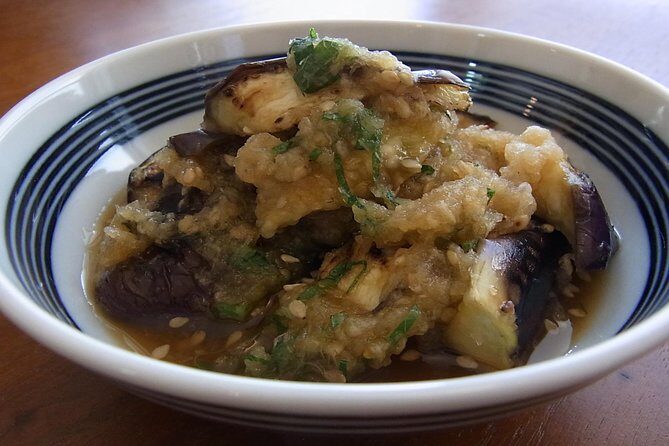
At $130 per person for a roughly 2 hours 30 minutes experience, the value comes from the package, not from any one line item.
Here’s what you’re actually getting:
- a private cooking class with your host Satoru
- cooking 2–5 homestyle dishes from scratch
- a private meal with Satoru
- 1–2 glasses of local alcohol
- pickup from JR Shinjuku Station
- a gift of a Japanese utensil and ingredient
Many cooking classes give you instruction but don’t fully deliver the home aspect. This one includes the home kitchen part and the sit-down meal with your host, which is where it becomes something more personal and memorable.
If you compare it to doing Tokyo food the usual way—paying for meals, paying for a guide, and paying for cooking-only instruction—you start to see why this can work out. You’re paying for multiple roles at once: teacher, host, translator of ingredients, and dinner companion.
The class is also a private group. That means your time isn’t shared across strangers watching the same demo. It’s your kitchen moment.
Who should book Satoru’s Shinjuku cooking class (and who might not)
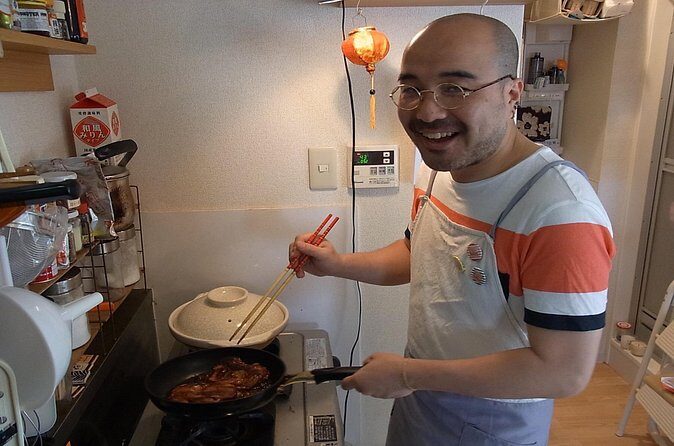
This fits best if you:
- want a real local home experience instead of a restaurant-based class
- like learning by doing and tasting right away
- enjoy conversation as part of the activity
- are traveling with family, since reviews mention patience and that the class works even with teenagers
- care about a clear menu format and are willing to plan around the day-by-day dishes
It might be less ideal if you:
- need last-minute dietary changes, since restrictions must be shared one week in advance
- strongly prefer a fixed menu you can choose on the fly, because weekday menus are predetermined
- want a big, restaurant-style kitchen setup, since this is an apartment kitchen—small and efficient
In short: if you like hands-on cooking and want to eat what you make with your host, this is the kind of experience you’ll remember longer than a standard meal.
Should you book? My practical go/no-go advice
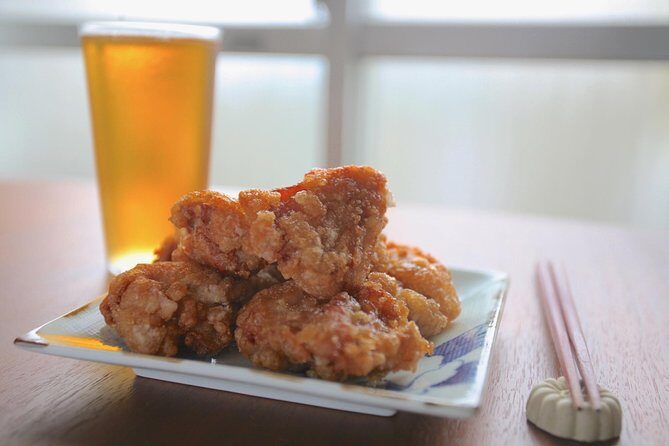
Book it if you want Tokyo culture in a form you can smell and taste. The biggest strength here is the sequence: you cook in a home kitchen, then you eat together with conversation, plus a small take-home gift. That combination is harder to replicate on your own in a city like Tokyo unless you already have strong local connections.
Think twice if you have shifting dietary needs close to the date. The menu is planned by weekday, and the rules emphasize advance notice. If you can plan ahead, you’ll get a smoother experience.
If you’re craving Japanese homestyle dishes—teishoku on some days, popular comfort foods on others—this class gives you both structure and warmth. You leave with dinner in your stomach, lessons in your head, and a utensil and ingredient you can actually use later.
FAQ
Where do I meet for this cooking class?
You meet at Shinjuku Station (3-chōme-38-1 Shinjuku, Shinjuku City, Tokyo 160-0022, Japan).
How long is the experience?
It lasts about 2 hours 30 minutes.
Is the tour private?
Yes. This is a private cooking class/activity, so only your group participates.
What is included in the price?
The price includes the private cooking class with your host Satoru, local alcohol (1–2 glasses), and pick up from JR Shinjuku Station.
Is hotel pickup and drop-off included?
No. Hotel pickup and drop-off are not included.
What dishes do you cook on different days?
On Sat, Sun, Mon, and Tue, you cook teishoku, including miso soup, rice, and 2 side dishes. On Wed, Thu, and Fri, the class uses popular Japanese foods such as okonomiyaki, karaage, yakisoba, katsu curry rice, ramen, or gyoza.
Can I get a vegetarian option?
Yes, a vegetarian option is available. You need to advise at the time of booking.
If I have dietary restrictions, when should I tell the host?
You should share dietary requirements and restrictions at booking and request menu changes at least one week in advance, otherwise the menu of the day will be cooked.
Do I eat the meal I help prepare?
Yes. After the cooking portion, you sit down and share the meal you helped prepare with your host.
Is alcohol included?
Yes. You’ll have 1–2 glasses of local alcohol included.
Is there free cancellation?
Yes. You can cancel for a full refund up to 24 hours before the experience starts, and cancellation is free.