REVIEW · TOKYO
Tokyo: Day Trip to Kamakura in Spanish – Spanish
Book on GetYourGuide →Operated by NIPONEANDO · Bookable on GetYourGuide
Kamakura feels like a time machine. In just one day, you’ll see how old Japan still breathes—starting in Tokyo and ending among temples, legends, and side-street shopping—guided in Spanish from beginning to end. The route is built around two standout spiritual stops, Hase-dera and Kotoku-in, with plenty of context so you’re not just walking between buildings.
I like two things most: the pairing of Hase-dera Temple with its story-driven atmosphere and the jaw-dropper visit to Kotoku-in, home to a massive bronze Buddha. Add in a ride on one of Japan’s oldest working trams, and you get more than a check-list tour—you get a smoother, more local-feeling way to move around Kamakura.
One consideration: the headline price does not cover everything. You’ll pay for public transportation (¥2,300) and temple tickets (¥700) on top, so your total day budget is slightly more than what you see at checkout.
In This Review
- Key points worth knowing before you go
- Tokyo Station to Kamakura: the day plan that keeps it simple
- Riding an old tram to Hase-dera Temple
- Hase-dera Temple: myths, legends, and a calmer pace
- Kotoku-in and the Great Bronze Buddha (13 m, 121 tons)
- The main shopping street: lunch and browsing with breathing room
- The Spanish guide factor: stories, pacing, and real recommendations
- Price and logistics: what you’re really paying for
- Comfort rules: bags, accessibility, and who should skip it
- Environment-friendly angle: small choices, real travel behavior
- Should you book this Kamakura day trip in Spanish?
- FAQ
- How long is the Kamakura day trip?
- What language is the tour guide?
- Where do we meet and where does the tour end?
- Is transportation included in the tour price?
- Are temple tickets included?
- Is lunch included?
- Can I bring luggage or a large bag?
- Is this tour suitable for wheelchair users?
- What is the cancellation policy?
Key points worth knowing before you go
- Spanish-led tour with friendly, personalized guidance
- Old working tram ride once you reach Kamakura
- Hase-dera Temple focused on myths and legends, not just sightseeing
- Kotoku-in’s Great Bronze Buddha: second largest in Japan, 13 meters tall, 121 tons
- Time on the main shopping street for lunch and browsing before heading back to Tokyo
Tokyo Station to Kamakura: the day plan that keeps it simple
This is a straightforward, one-day flow. You start at Tokyo Station—specifically in front of the station facade, in Marunouchi Square (central exit)—and then you’ll take a train to Kamakura. The good news is that the whole thing is organized around the locations, so you’re not stuck figuring out connections mid-trip.
The total excursion runs 8 hours, which is a sweet spot for a place like Kamakura. You get enough time to visit the major temple highlights and still have an unhurried window to wander the town’s shopping street for lunch and souvenirs. It’s also handy that the tour ends back at the same meeting point in Tokyo, so you don’t have to hunt down where you need to be later.
If you’re trying to do Kamakura as a first-timer, this structure helps a lot. You’ll see the main sights, learn the stories behind them, and still have room to move at your own pace during the shopping stop.
A few more Tokyo tours and experiences worth a look



Riding an old tram to Hase-dera Temple
Once you arrive in Kamakura, you hop on one of Japan’s oldest trams still operating. That short ride matters more than you might expect. It slows the day down. You feel less like you’re racing through a highlight reel and more like you’re traveling in a lived-in town.
Then the tram takes you to Hase-dera Temple, your first major stop. This temple is described as a place full of myths and legends—meaning your guide’s job is not just to point things out. You’ll hear the background that makes the site feel more meaningful once you’re standing there.
Practical tip: because you’re moving by public transport and then walking between stops, keep your day bag light. The tour does not allow luggage or large bags, so think daypack size only. You’ll be much happier when you’re threading through crowded station areas.
Hase-dera Temple: myths, legends, and a calmer pace
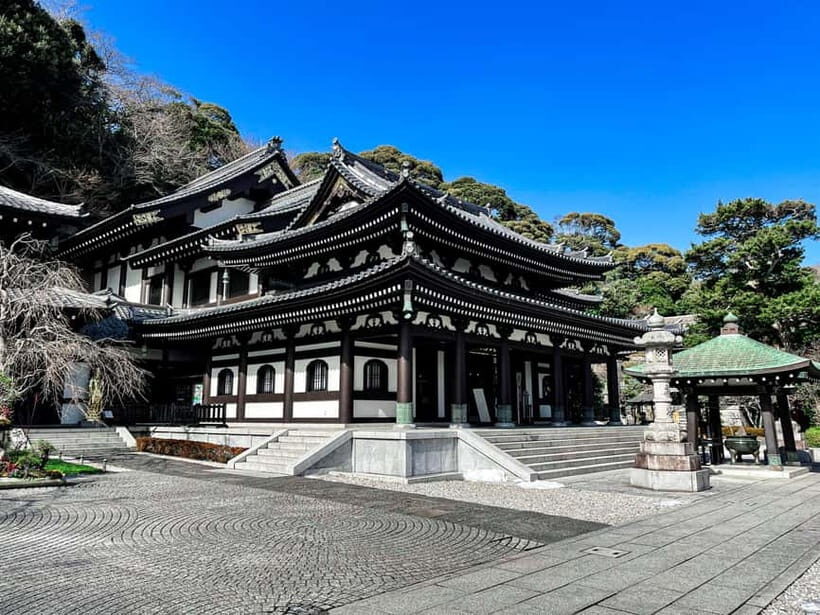
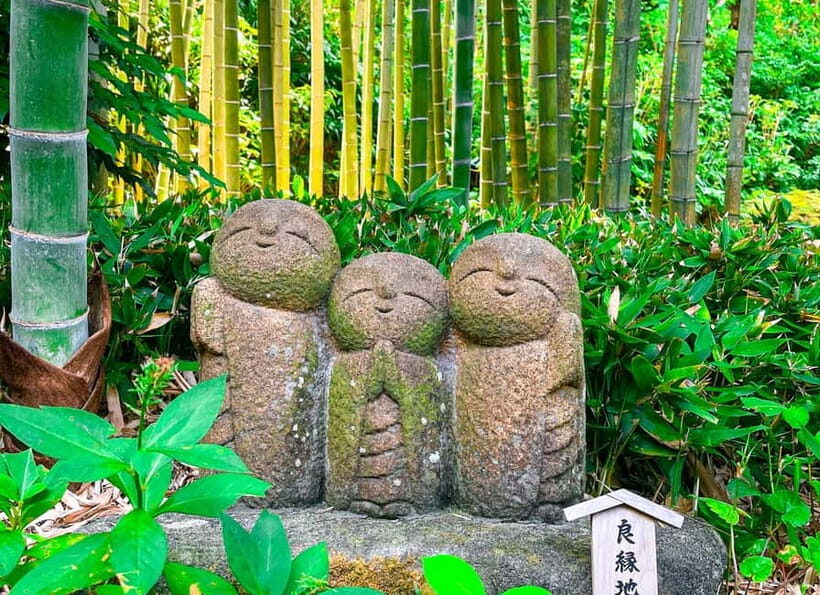
Hase-dera is the kind of temple where stories change how you look at details. The big promise here is that the more you explore, the more surprising it becomes. That’s great for you if you like to understand what you’re seeing. Instead of treating the visit like a photo session, you get context that turns the temple grounds into a narrative.
Even if you don’t know a lot about Japanese religion going in, a Spanish guide can make the myths understandable and relevant. The aim isn’t academic. It’s about giving you the right framework to notice what’s going on around you—so you walk out feeling you actually saw something, not just passed by it.
Also, Hase-dera is a good first temple stop for pacing. After Tokyo’s energy, stepping into a temple setting with serene nature helps you reset. It can feel like a physical change, not just a change of scenery.
Kotoku-in and the Great Bronze Buddha (13 m, 121 tons)
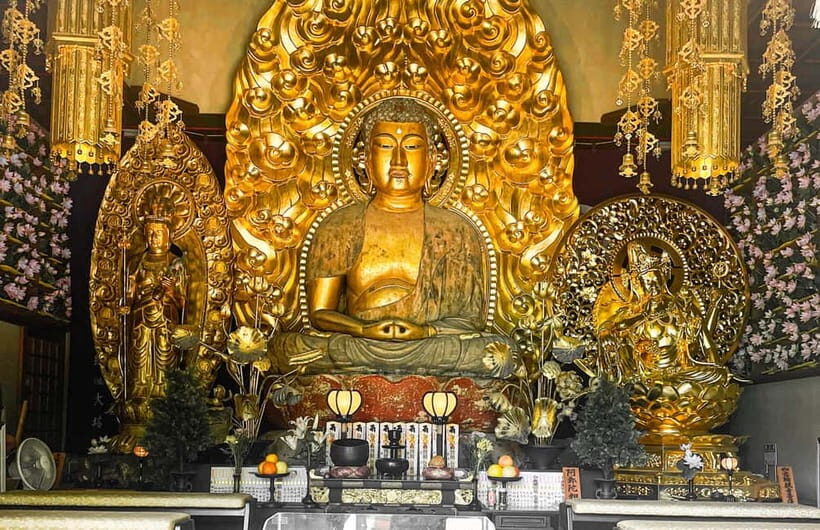
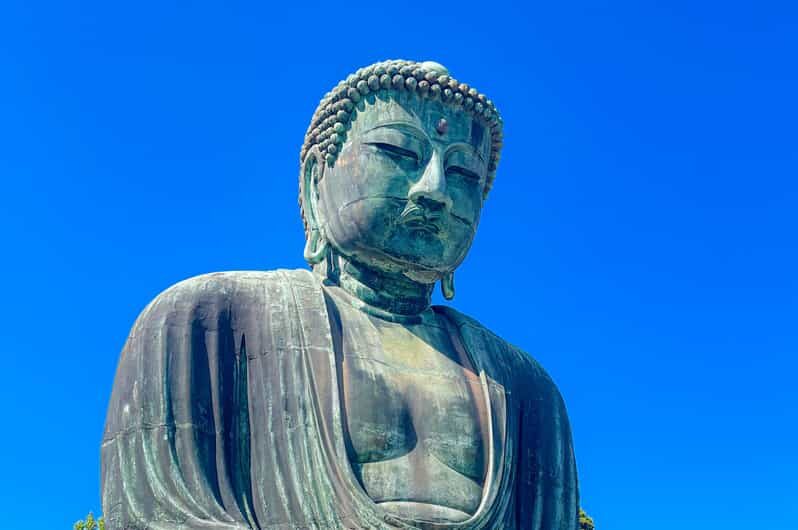
Next comes Kotoku-in Temple, reached by a walk from Hase-dera. This is where the day gets dramatic. Kotoku-in houses the second largest bronze Buddha in Japan, a statue that measures 13 meters and weighs 121 tons.
Those numbers aren’t just trivia. They’re part of why this stop hits so hard. When you see the Great Buddha in person, your brain has trouble scaling it. Standing near something that vast makes every photo feel small—and that’s exactly what you want from a day trip.
Kotoku-in is also a strong choice because it’s memorable even if you only catch part of the site. The statue is the centerpiece. If you’re the type who worries you’ll get temple fatigue, don’t. This is a single, powerful focal point that anchors your visit.
And since you’ll have already heard some temple context from Hase-dera, the stories you get here tend to land better. You’re not starting from zero—you’re building an understanding as you go.
The main shopping street: lunch and browsing with breathing room
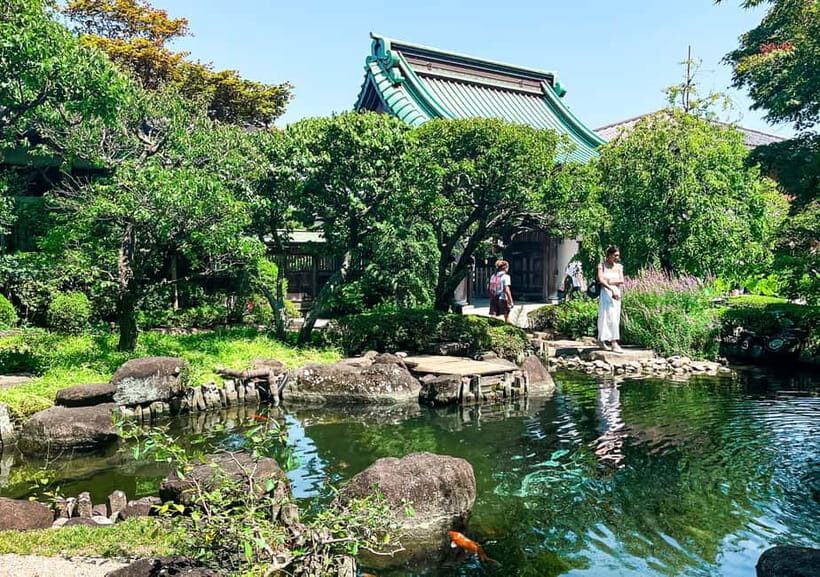
After the temple stops, you move to the main street of the settlement, lined with shops. This is your time to shift gears from sacred space to everyday Kamakura life.
You’ll have lunch here and time to explore the shops. The key value of this part of the day is balance. Temples can be heavy on footwork and attention. A shopping street gives you a break, plus it helps you experience Kamakura the way locals do—snack stops, casual browsing, and the atmosphere of a historic town.
What I’d do with this window:
- Grab lunch early enough that you don’t feel rushed.
- Use the shopping time for small, easy-to-carry souvenirs.
- If you want to rest your feet, do it here. This is the stretch of the day where you can control your pace more.
You should also plan on food and drinks being not included. So come with a little cash ready for whatever looks tempting.





The Spanish guide factor: stories, pacing, and real recommendations
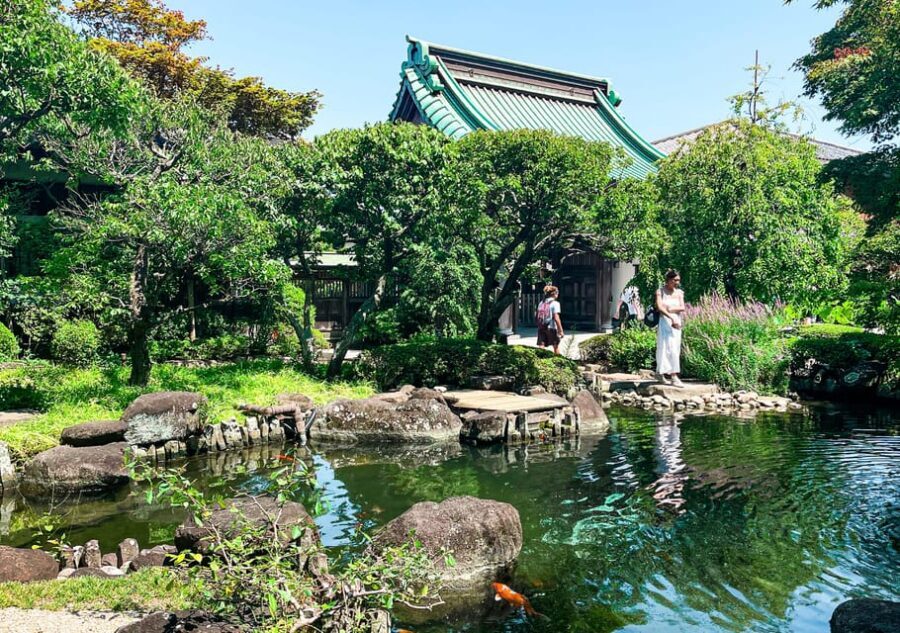
This trip is in Spanish, and that changes the feel of the day. You’ll get legends and explanations tied directly to what you’re seeing, not just a generic “here is a temple” rundown.
One of the strongest themes around the guides is that they’re friendly and adapt to the group. Names that have come up include Emi, Camila, Nerea, Nikita, Ori.n, and Paula. Across those experiences, the praised pattern is clear: the guide doesn’t just speak. They organize, explain in a way that stays relevant, and give practical suggestions so you can keep enjoying your trip after the tour ends.
That last part is underrated. A good guide doesn’t only handle the route. They help you decide what to do next in Tokyo or where to spend time later in the day, based on what you care about.
Language note: the tour is meant to be Spanish, but there has been at least one instance where English also came into play during guidance if needed. If you rely strictly on Spanish, it’s smart to confirm that your Spanish level is comfortable for a guided experience and that you can still understand basic phrasing even if a guide occasionally switches.
Price and logistics: what you’re really paying for
The listed price is $86 per person, and it includes an 8-hour excursion to Kamakura in Spanish. That baseline covers the guided experience and the structured route.
But you should budget for add-ons:
- Transportation: ¥2,300 (not included)
- Temple tickets: ¥700 (not included)
- Drinks and food (not included)
So the real value question becomes: does the tour earn those extra costs? For me, it does, because you’re paying for organization and interpretation. You’re also getting the tram ride component as part of the day’s route, plus guided time at two major temple stops and a built-in chunk of free time for lunch and shopping.
Also, you’re using public transportation, which is common for this area, and the tour plan is designed around that. You’re not stressed trying to solve the route yourself.
If you’re cost-sensitive, the best move is to treat this as a guided day. If you try to replace it with independent planning, you may end up spending similar money on train fares and then paying for the part that’s hard to replicate—good explanations in your language and a smooth route.
Comfort rules: bags, accessibility, and who should skip it
This tour has clear limits:
- No luggage or large bags
- Not suitable for wheelchair users
- Not suitable for hearing-impaired people
- Unaccompanied minors are not allowed
That means the experience is built for people who can move comfortably through public transport and temple areas, and who can follow spoken guidance without accessibility accommodations.
If you’re traveling with a small daypack and you’re okay with walking between the key stops, this is a good fit. The itinerary includes walking from Hase-dera to Kotoku-in and then to the main shopping street, so comfy shoes matter.
One more practical point: because the meeting point is central Tokyo and you’re starting early in the flow of the day, you’ll do better if you arrive a bit ahead. Tokyo Station can make you feel like you’ve stepped into a maze, even when everything is easy.
Environment-friendly angle: small choices, real travel behavior
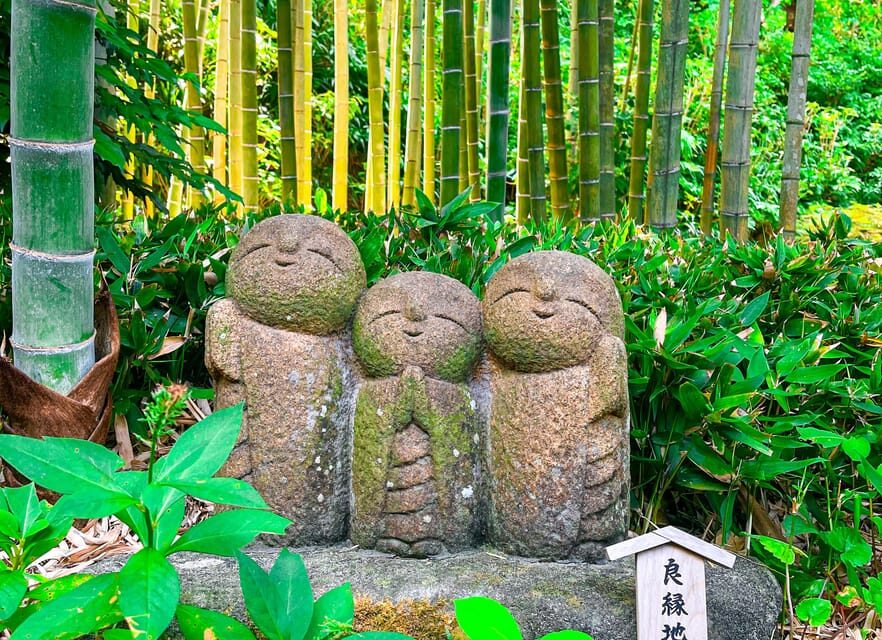
The operator describes the tour as environmentally friendly, and it’s not just a vague claim. A structured day using public transport instead of private cars typically means fewer vehicles per person, and it fits the way Kamakura is reached from Tokyo.
If you’re the type who cares how you travel, this kind of day trip lets you keep your impact lower while still seeing a lot. You get the atmosphere of the area without needing a vehicle to get around.
Also, the tour promises tips and recommendations so you can keep enjoying your trip. That’s part of the value. When you leave with better ideas, you reduce wasted time later.
Should you book this Kamakura day trip in Spanish?
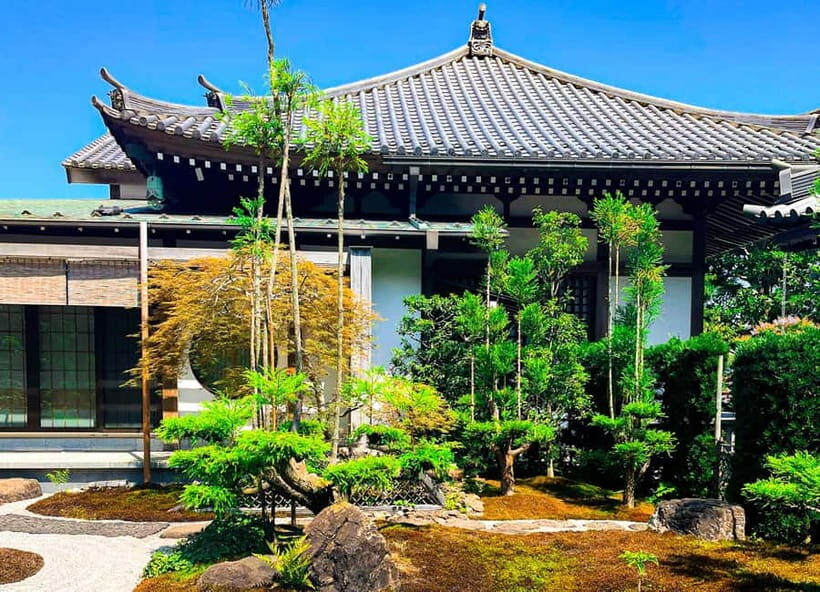
If you want a Spanish-guided Kamakura day without doing the planning math yourself, I’d book it. The structure is solid: Tokyo Station start, historic tram ride to Hase-dera, then the unforgettable bronze Buddha at Kotoku-in, followed by time on the main shopping street for lunch and wandering.
I’d especially recommend it if:
- You’d rather learn legends and meaning than just take photos
- You’re visiting from Tokyo and want a clean, one-day plan
- You care about comfort and guidance with friendly, personalized explanations
I would not pick it if:
- You need wheelchair accessibility or hearing-impaired accommodations
- You’re traveling with large luggage
- You want a fully included price with no extras for transport and tickets
Bottom line: the day trip is good value because you pay for guidance and time efficiency. Just go in expecting the extra costs for transport and temple entry, and you’ll have a stress-free route through one of Japan’s most memorable temple towns.
FAQ
How long is the Kamakura day trip?
It’s an 8-hour excursion.
What language is the tour guide?
The tour is in Spanish.
Where do we meet and where does the tour end?
You meet in front of the Tokyo Station facade in Marunouchi Square (central exit), and the tour ends back at the same meeting point.
Is transportation included in the tour price?
No. Transportation is not included and is listed as ¥2,300. Public transportation is used.
Are temple tickets included?
No. Temple tickets are not included and are listed as ¥700.
Is lunch included?
Lunch time is built into the day, but drinks and food are not included.
Can I bring luggage or a large bag?
No. Luggage or large bags are not allowed.
Is this tour suitable for wheelchair users?
No. It’s not suitable for wheelchair users.
What is the cancellation policy?
You can cancel up to 24 hours in advance for a full refund.