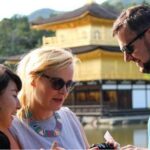
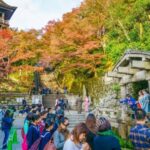
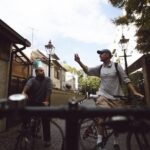
Kyoto can feel overwhelming fast. This private, 2–3 hour route is built to steer you toward serene temples and less-crowded streets with a local guide guiding the pace. I like that you’re not stuck with a cookie-cutter checklist; you share what you want to see, and the day is shaped around your interests, whether that’s a shrine for blessings or quiet Zen practice.
My favorite part is the way the tour packages the busy costs together. You can get lunch or dinner (depending on the start time), plus bottled water, entrance fees, and hands-on culture experiences all handled in one go—so you’re not hunting for ticket lines mid-walk. One consideration: it’s a walking tour, and the big-picture timing matters. Also, the tour listing notes the guide is not licensed or certified, so if you strongly prefer certified guiding, you’ll want to ask questions up front.
In This Review
- Key highlights you’ll actually feel
- A 2–3 hour private plan that doesn’t waste your energy
- Price and what’s truly included (so you can compare fairly)
- Where you start and how the route ends (so you don’t get lost)
- The day begins with Edo-era Kyoto street energy
- Yasaka Shrine grounds: cherry blossom vibes, even when it’s not cherry season
- Zen temple morning: one of the most interesting parts
- Gion: machiya streets, possible geiko/maiko encounters, and a meal plan
- Sanjusangendo and the 1,001 Kannon moment
- Wagashi-making and the Japanese sweets you’ll remember
- Gojō area dining: less famous than central streets, more Kyoto-like
- Outside-the-city culture: tea ceremony and flower arrangement with a master
- The imperial palace grounds and a slower ending
- Finishing on Kiyamachi Street: the perfect post-tour stroll
- Family-friendly pacing (and a key detail: your guide adjusts)
- What to request when you book (to make it feel truly yours)
- Should you book this Kyoto private tour?
- FAQ
- What does the tour include for a 10:00 start?
- Is dinner included if I book the night tour?
- Do I need to arrange private transportation?
- Where do I meet the guide?
- Can the tour accommodate dietary restrictions?
- Are there experience fees and admission fees covered?
- Is it really only my group on the tour?
Key highlights you’ll actually feel
- Tailor-made route based on your Kyoto bucket list and interests
- Zen morning option at a temple that’s normally closed to the public
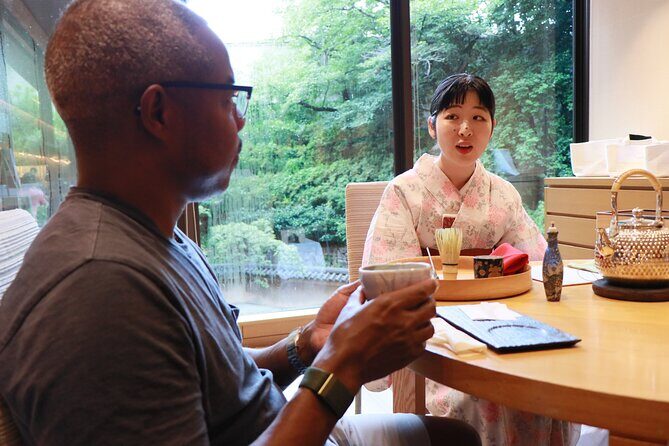
- Culture stops with participation like tea ceremony, flower arrangement, and wagashi-making
- Meals + entrance + experience fees bundled (lunch for the 10:00 start; dinner for night tours)
- Gion focus with a real sense of Kyoto’s atmosphere, including a chance to encounter geiko/maiko
- Free photo service so you’re not constantly asking strangers for shots
A 2–3 hour private plan that doesn’t waste your energy
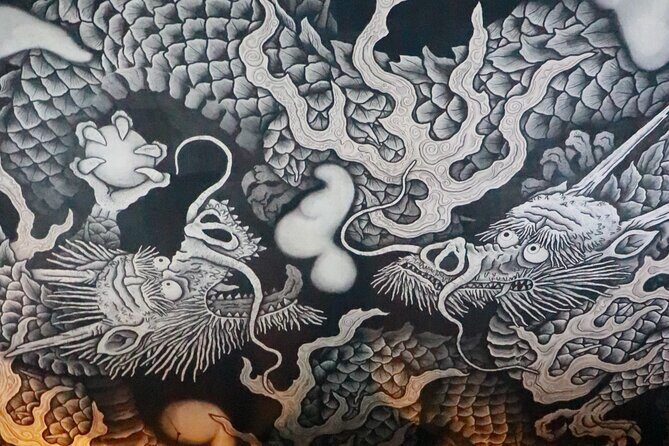
Kyoto is famous for long days and crowded sidewalks. This tour is designed to avoid that feeling by keeping the route tight and personal. You move on foot through classic neighborhoods—then pause for temples, culture, and food stops where your guide helps you understand what you’re seeing and why it matters.
Because it’s private, you can set a pace that fits you. That sounds simple, but in Kyoto it’s everything. A calm temple morning is a different experience when you aren’t being herded. And a Gion walk feels better when you have time to look up at machiya (townhouses) and notice details instead of just snapping photos and sprinting to the next stop.
Price is $150 per person, which is not “cheap.” But for the time you have, the value comes from what’s bundled: entrance fees, experience fees, lunch or dinner, bottled water, and sometimes alcoholic drinks on the night tour. In other words, you’re paying for someone to translate the city into a coherent plan—and to handle the parts that usually cost you time.
You can also read our reviews of more private tours in Kyoto
Price and what’s truly included (so you can compare fairly)
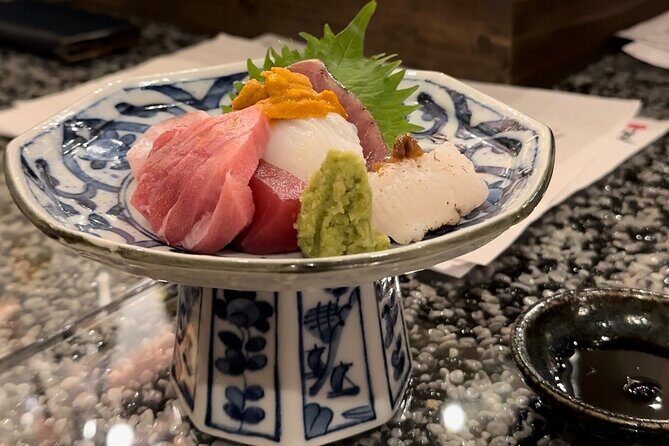
Let’s break down the money the practical way. The tour includes:
- Lunch on the tour starting at 10:00
- Dinner for night time tours
- Bottled water for the walking portion
- Alcoholic beverages on night tours for those aged 20+ (nonalcoholic for under 20)
- Entrance fees for temple visits
- Experience fees for activities like tea ceremony, flower arrangement, and Japanese confectionery making
- In-person guide (listed as not licensed/certified)
- Photo service (mentioned as included, with no charge)
What’s not included:
- Private transportation
Also, lunch may not be included inside certain cultural experiences like tea ceremony or wagashi-making. The message is clear: the tour covers meals tied to the tour format, but the cultural workshops themselves might be priced or structured differently than a full meal. If meals are a top priority, tell your guide what you want and ask how lunch is handled on your chosen route.
For value, compare this to piecing it together on your own: temple admissions, workshop fees, a guided explanation, and food all become separate line items. This tour wraps those into one experience so you can spend your attention on Kyoto, not paperwork.
Where you start and how the route ends (so you don’t get lost)
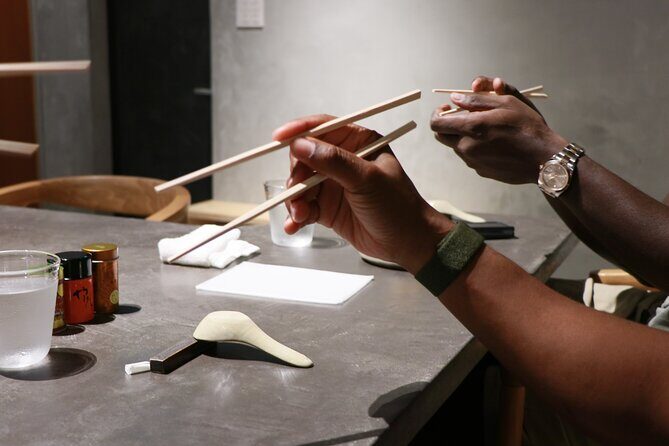
You meet at Edion – Kyoto Kawaramachi Main Store (Japan, 600-8001 Kyoto, Shimogyo Ward, Shinchō, 68番地 地下1階6階). That’s a busy, easy-to-find hub with good public transportation nearby.
The tour ends at 209-2 Nabeyachō, Nakagyo Ward, Kyoto, 604-8015, and you’ll be taken to the gallery in front of Kiyamachi Gate Hotel area. Finishing near Kiyamachi Street matters: it’s a strong spot to keep the evening going without backtracking across the city.
Pickup is offered, but private transportation is not included. So if you’re thinking of being picked up from a remote hotel or an airport area, confirm what pickup means for your specific booking. The safest assumption is that they’ll meet you near the main station corridors and tailor the day around walkable distance.
The day begins with Edo-era Kyoto street energy
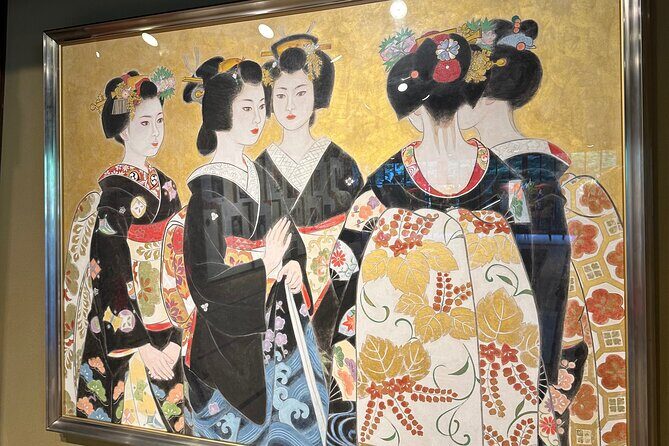
The early stop is in a historic central Kyoto area that’s continued since the Edo period. You’ll walk charming streets lined with restaurants and teahouses, and your guide’s job is to help you read the place. Kyoto doesn’t reward rushing. The best way to enjoy these streets is to slow down: watch how buildings sit along the road, notice how shops cluster near pedestrian lanes, and take a minute before you move on.
Then you shift toward a historic shrine in Higashiyama. The focus here is on spiritual blessings—specifically prosperity in business and warding off misfortune. Shrines in Kyoto can feel repetitive if you don’t have context, but with a guide, you’ll start noticing the different intentions behind the visit.
One practical tip for shrine stops: bring your walking shoes. The ground is often fine for sightseeing, but it adds up over 2–3 hours.
Yasaka Shrine grounds: cherry blossom vibes, even when it’s not cherry season
Next comes a park area inside Yasaka Shrine. It’s known as a cherry blossom viewing spot, but the tour’s point is bigger than blossoms. Parks and shrine grounds are where Kyoto’s mood shows up: trees, stone paths, and layered spaces that make you feel like the city is holding its breath.
The route description also hints at “hidden power spots.” You won’t need a scavenger hunt to enjoy this portion, but it does signal that your guide will steer you beyond the most obvious photo angles. That’s the core benefit of a private plan: someone chooses the order, and you get the atmosphere without the guesswork.






Zen temple morning: one of the most interesting parts
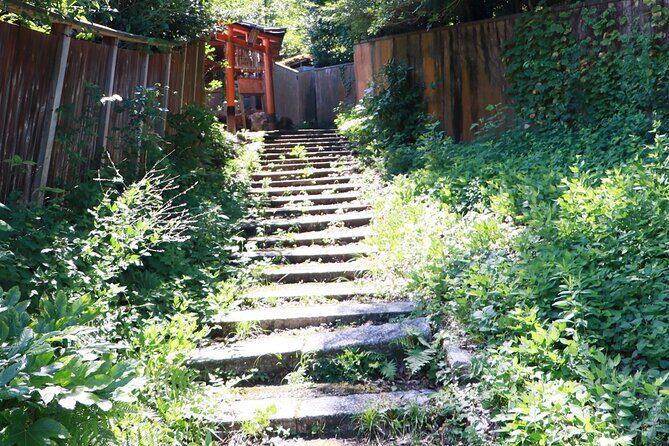
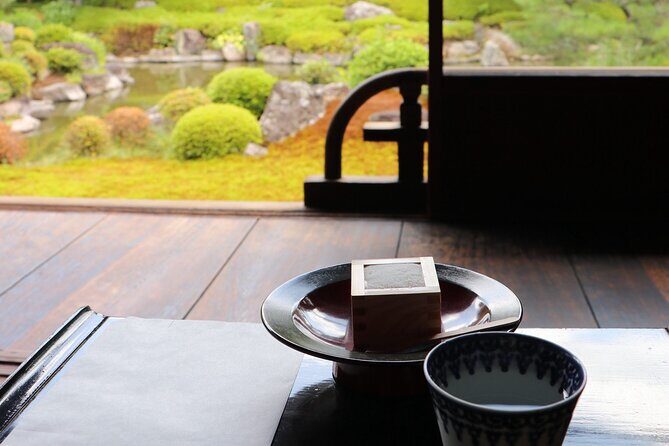
One stop is a Zen temple in Higashiyama that’s normally closed to the public. Here, you get a special morning worship, plus Zen meditation and a tea ceremony experience.
This is the kind of stop that changes your whole day. A typical Kyoto itinerary can feel like sightseeing nonstop. This one asks you to do something instead: sit, breathe, listen, and participate. Even if you’re not an expert in Zen, the structure (meditation and ceremony) gives you a framework. You’re not just looking at a building; you’re sharing a moment within it.
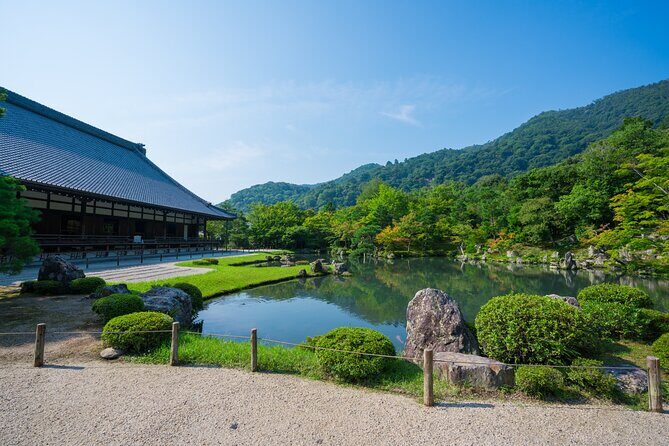
There’s a second Zen temple stop later with a serene setting and beautiful gardens, plus notable national treasures. The practical value is that you see Kyoto’s spirituality from two angles: a practice-oriented morning and a quieter garden atmosphere afterward.
If mornings are hard for you, consider whether this is worth it. It’s a highlight on paper, but only you know your energy level. If you’re traveling with kids or you prefer relaxed afternoons, you might prioritize the culture and food stops instead.
Gion: machiya streets, possible geiko/maiko encounters, and a meal plan
Then the tour leans into Gion. You’ll walk through a traditional district lined with machiya and teahouses. The description also notes a chance to encounter geiko and maiko. Even when you don’t see them in motion, Gion is still worth it because your guide can help you notice the details: how the streets feel, where the lanes narrow, and how the district organizes daily life.
Lunch or dinner may be guided depending on the tour type and your route. That’s important because food in Kyoto is part of the experience, not a distraction. When food timing is planned, you’re not stuck deciding between hunger and sight.
For night tours, this becomes even better because dinner is included, and alcoholic beverages are part of the evening for adults 20+. I like that the age rule is clearly defined: under 20 gets nonalcoholic drinks.
Sanjusangendo and the 1,001 Kannon moment
A major mid-route stop is a historic temple famous for 1,001 Kannon statues. That’s Sanjusangendo, and it’s one of those places where numbers stop being abstract. Even from the first minutes, you get the scale. It feels different than a typical temple visit because the collection is the star.
The practical tip here is patience. In Kyoto, crowds can push you into a fast “been there” loop. A private guide can keep you moving at a calmer rhythm, so the statues have time to register. Sit, look longer than you think you need, and let your eyes adjust to the repetition.
Wagashi-making and the Japanese sweets you’ll remember
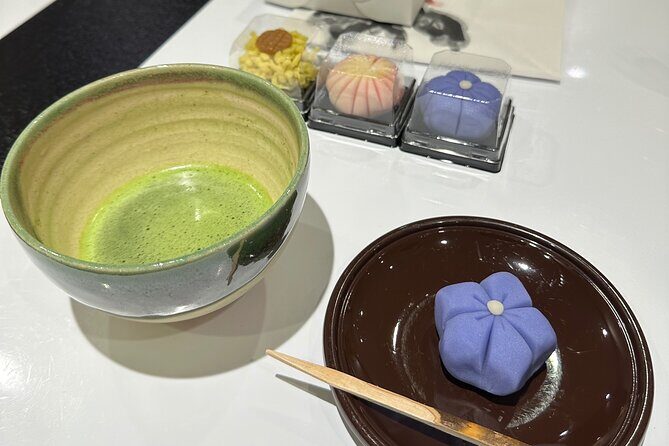
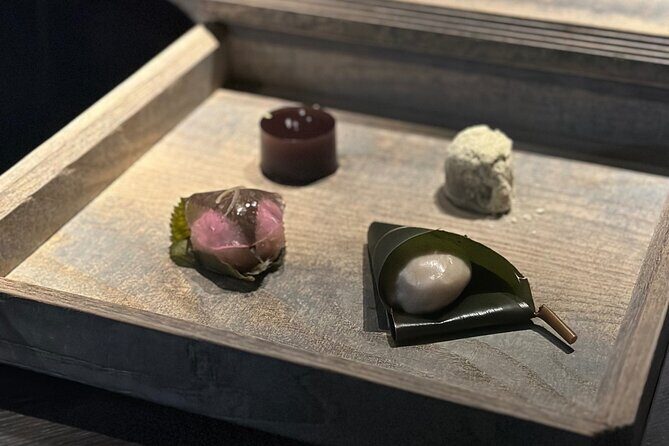
After Sanjusangendo, you’ll do a Japanese culture experience in a historic building: wagashi-making (Japanese confectionery making).
This is one of my favorite types of activities because it gives you a sensory souvenir. Photos capture a moment; food and the effort behind it stick in your memory. The tour also says lunch is not included for cultural experiences like wagashi-making—so think of this workshop as part of your day’s “meal experience,” even if it’s not a full lunch by itself.
If you have dietary restrictions, you can request accommodations. The tour notes they can handle things like vegetarian, vegan, and gluten-free, as long as you indicate it during booking.
Gojō area dining: less famous than central streets, more Kyoto-like
The route then shifts to the Gojō area, described as home to many popular local dining establishments. You’ll visit a traditional town-style dining spot that just opened recently.
I like this because it balances the classic postcard Kyoto with the city’s real rhythm: where people go for dinner, not just where tourists line up. A good guide helps you order without stress, and since this stop is included, you’re not gambling on how the meal will turn out.
Outside-the-city culture: tea ceremony and flower arrangement with a master
If your goal is traditional Japanese culture, one of the later stops is outside the busiest parts of the city. In a private setting, you can learn tea ceremony and flower arrangement directly from a master of the tradition.
This is where Kyoto becomes personal. Workshops like these work best when you treat them as learning, not performance. Even if you only remember a few gestures or phrases, you’ll walk out with a felt understanding of the craft.
Also, because this is a private tour, you can ask questions in a more relaxed way than in a large group workshop.
The imperial palace grounds and a slower ending
The tour continues at a historical palace where emperors of Japan resided. Expect spacious grounds, traditional architecture, and opportunities to see lesser-known shrines and areas on the property.
For many visitors, palace visits become “look and move on.” Here, the point is that your guide can help you pace the viewing. Palace grounds are wide; with time pressure, they can feel empty. With a private route, you can slow down and notice the structure—how spaces open up and how buildings and trees frame the experience.
Finishing on Kiyamachi Street: the perfect post-tour stroll
To end, you’ll be guided to Kiyamachi Street, known for new restaurants and bars. This is a smart finish point because it gives you options without forcing you to commute.
If you booked a night tour, your dinner portion helps set the tone. If you booked a day tour, Kiyamachi is an easy place to keep the evening going at your own pace.
Family-friendly pacing (and a key detail: your guide adjusts)
One helpful detail from recent experiences is that the guide can match the pace of families. In one case, a guide named Ren toured a family of four including children aged 7 and 5, and adjusted the timing so everyone stayed comfortable.
That’s a good sign for you if your group includes kids or anyone who gets restless. Private tours work best when the guide flexes, and the tour’s structure supports that flexibility.
What to request when you book (to make it feel truly yours)
The overview is clear: share your bucket list and interests, and they’ll arrange your original journey. That means you should give them more than “I want temples.” Instead, tell them what kind of day you want, for example:
- Quiet temple time vs. lively district streets
- A workshop focus (tea ceremony, wagashi-making, flower arrangement)
- Shrine blessings themes (business prosperity, misfortune warding)
- Day tour vs. night tour (especially if you care about dinner and adult drinks)
- Any dietary needs (vegetarian, vegan, gluten-free, and more)
If you want a very specific vibe—like Zen practice—or if you want to include a big name site, list it clearly so the guide can build around it.
Should you book this Kyoto private tour?
I think this tour is a strong choice if you value:
- A guided plan that saves you from decision fatigue
- Temple and culture experiences that go beyond photos
- A route designed for walking without feeling like a sprint
- Bundled value: entrance fees, experiences, and lunch/dinner handled for you
You might want to think twice if:
- You dislike walking for 2–3 hours
- You specifically require a licensed/certified guide (the tour listing notes the guide is not licensed or certified)
- You’re hoping for private transport as part of the package (it’s not included)
If you’re the type who likes Kyoto to feel calm, personal, and well-timed, this is a great way to spend a half-day without losing your whole day to logistics.
FAQ
What does the tour include for a 10:00 start?
For tours starting at 10:00, lunch is included. The tour also includes bottled water, entrance fees for temples, experience fees for activities, and a guide. Lunch may not be included within certain cultural experiences like tea ceremony or wagashi-making.
Is dinner included if I book the night tour?
Yes. Dinner is included for night time tours, and alcoholic beverages are also included for travelers 20 years old and above (nonalcoholic drinks for those under 20).
Do I need to arrange private transportation?
No private transportation is included. The tour offers pickup, and it’s near public transportation, but you should plan around walking and meeting points.
Where do I meet the guide?
The meeting point is Edion – Kyoto Kawaramachi Main Store, in the basement level area (地下1階6階). The end point is near Kiyamachi Gate Hotel, at the gallery by 209-2 Nabeyachō.
Can the tour accommodate dietary restrictions?
Yes. The tour notes you can request dietary accommodations such as vegetarian, vegan, and gluten-free. You should indicate these requirements at booking.
Are there experience fees and admission fees covered?
Yes. Entrance fees for temple visits and experience fees for activities like tea ceremony, flower arrangement, and Japanese confectionery making are included.
Is it really only my group on the tour?
Yes. It’s a private tour/activity, so only your group participates.