Sake tasting with real context. Saijo is one of Japan’s top sake regions, and this 90-minute tour lines up visits to three breweries (Kamotsuru, Fukubijin, and Hakubotan) with clear explanations and a set of tastings that lets you compare styles fast. I like the way the guide keeps the story moving brewery to brewery, plus the chance to sample multiple types you might not otherwise try, from polished daiginjo-style profiles to junmai and regional drinks.
One important heads-up: this is a tasting tour, so you generally won’t be able to observe the sake brewing process. Also, on some weekdays certain breweries may not offer tastings, so the exact experience can shift depending on what’s available that day.
In This Review
- Key Points Before You Go
- Saijo Sake Country: Why This Area Matters
- Price and What You Get for It
- Timing and Meeting Point: Getting There Without Stress
- Stop 1: Saijo Orientation by the Station
- Stop 2: Kamotsuru Sake Brewery and the 10-Minute Video
- Stop 3: Fukubijin Sake Breweries and Junmai Shu
- Stop 4: Hakubotan, 1675, Hiroshima Gensyu, and Umeshu
- How the Tastings Actually Help You Pick Favorites
- What If You Want to See Brewing Equipment?
- Guide Style: Fast, Friendly, and Focused
- What to Do With Your Taste Notes Later
- Who This Tour Is Best For
- Quick Practical Tips Before You Sip
- Should You Book This Saijo Sake Tasting Tour?
- FAQ
- How long is the Hiroshima Saijo sake tasting tour?
- How much does the tour cost?
- What time does the tour start?
- Where do I meet the tour?
- Which breweries are included?
- What is included in the tour fee?
- Can I observe the sake brewing process during the tour?
- Is there an age limit?
- Is there a limit on group size?
- What if bad weather cancels the tour?
- Can Spanish-speaking guides be arranged?
- Will the order of breweries always be the same?
- What if I want to try warm sake?
- Is free cancellation available?
Key Points Before You Go
- Three breweries in about 1.5 hours in the Saijo area near Saijo Station, so you don’t burn time getting around
- An English guide who explains the differences between sake styles and each brewery’s angle
- 5 different sake tastings included, with options that can include daiginjo-type, junmai, and umeshu (plum wine) depending on the stop
- A short video at Kamotsuru to help you understand what you’re tasting before you sip
- Small group size (max 10), which keeps the pacing easy and questions welcome
- Warm sake may be available in winter at Fukubijin, adding a seasonal twist
Saijo Sake Country: Why This Area Matters
Saijo is one of Japan’s big sake-producing regions, and the neat part is how compact it is. Around Saijo Station, there are multiple breweries you can walk between, which makes it realistic to taste at several places in a short time without feeling like you’re sprinting around town.
This tour is built for comparison. Instead of visiting one brewery and calling it a day, you get a set of tastes from three different producers, each with its own style focus and personality. That’s how you start learning what you like: lighter and more refined profiles, fuller umami-driven styles, or something sweet-tinged like plum wine.
If you’re a first-timer, this kind of tasting format helps you connect the dots between labels and flavor. You’ll leave with a clearer sense of what daiginjo-style and junmai-style approaches feel like on the tongue, not just what the terms say on a menu.
You can also read our reviews of more food & drink experiences in Hiroshima

Price and What You Get for It
At about $35.93 per person for roughly 1 hour 30 minutes, the value comes from three things: access, guidance, and a structured tasting set.
First, you’re not just paying to enter places on your own. You’re getting a planned route that hits major breweries in the same area. Second, the included English guide reduces the guesswork, since sake can be confusing at first and brewery differences can be hard to spot without context. Third, you receive 5 different sake tastings as part of the experience, which is the most practical way to sample variety without ordering multiple flights later.
Also, the tour fee doesn’t change if you decide not to drink alcohol. That matters for group planning, especially if someone wants the explanations and tasting opportunity but stays cautious.
So, this isn’t the cheapest way to get a sake connection. But for what you get in a tight timeframe, it’s a straightforward deal.
Timing and Meeting Point: Getting There Without Stress
The tour starts at 10:30 am. Your meeting point is at the Saijo area tourist information spot by Saijo Station, right outside the ticketing gate, and the listed start location is the Higashihiroshimashi Information Centre at 12-3 Saijōhonmachi.
Plan to arrive early. If you’re more than 15 minutes late, you’ll be treated as a cancellation and the paid amount won’t be refunded. It’s one of those rules that makes sense for a walking-and-tasting schedule, but it’s still worth building in buffer time.
You’ll also have a mobile ticket, which simplifies check-in once you’re in the right place. And since the group is capped at 10 people, once everyone gathers, the tour tends to move efficiently rather than dragging.
Stop 1: Saijo Orientation by the Station
The first stop is essentially your launch point. You meet at the tourist information center area at Saijo Station, and you get a quick setup for what’s coming.
Why this matters: starting near the station means you don’t lose energy on transit. You also get oriented right away, which helps later when you’re comparing breweries you might otherwise lump together as just more sake shops.
Expect a short, light start (about 15 minutes here), then you’re off to the first brewery tasting.
Stop 2: Kamotsuru Sake Brewery and the 10-Minute Video
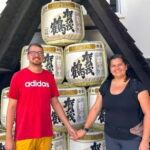
Kamotsuru is known as a pioneer in ginjo sake brewing. In the visitor area, you’ll watch a 10-minute video introducing sake making and then taste a daiginjo-type style called Daiginjo Gold Kamotsuru.
This stop is a great “bridge” between theory and flavor. The video gives you a basic framework for what makes more premium styles feel different, so when you taste, you have something concrete to hang your impressions on. Even if you don’t memorize every detail, you’ll notice the guide connecting the production ideas to the tasting notes.
A practical angle: the video also helps you settle into the tasting mindset. You’re not just sampling; you’re learning how to think about what’s in your cup.
One drawback to keep in mind here: you’re learning the process conceptually, not watching tanks and equipment. This tour is about tasting and explanations, not factory-style viewing.
You can also read our reviews of more drinking tours in Hiroshima

Stop 3: Fukubijin Sake Breweries and Junmai Shu
Next comes Fukubijin. This brewery has historical ties to being called the Saijo Brewing School, and it produced many outstanding master brewers. The tour taste here is Fukubijin Junmai-Shu.
Junmai is a smart style to include because it often feels rounder and more grounded than the most delicate, highly polished profiles. If daiginjo-type styles are about refinement, junmai is often where people discover how much depth a sake can have even without chasing maximum polishing.
There’s also a seasonal perk. During winter season, you can try warm sake. That’s not just a gimmick; warm sake can change how aroma and flavor come through, and it’s a good way to understand that temperature is part of the experience, not an afterthought.
Note on costs: the admission at this stop isn’t included, according to the tour details. Still, your tasting set and the guide are part of the overall experience, and the timing here is kept tight (about 15 minutes).
Stop 4: Hakubotan, 1675, Hiroshima Gensyu, and Umeshu
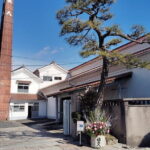
The final tasting stop is Hakubotan, one of the older sake breweries in Hiroshima Prefecture, founded in 1675. The tour tasting includes Hiroshima Gensyu (広島原酒) and plum wine soaked in daiginjo-shu.
This is the moment where the tour becomes more fun for people who like variety. Hiroshima Gensyu points you toward a more local identity, while the plum wine inclusion gives you something sweet and aromatic that isn’t just another straight sake sip. If you’re building a shopping list later, this is often where new favorites get discovered.
It also balances the tasting lineup. You go from a refined-style tasting concept at Kamotsuru, to a classic junmai expression at Fukubijin, to a brewery with deep roots plus a plum-infused option at Hakubotan. That range makes the 1.5-hour format feel worth it rather than repetitive.
And yes, admission at this stop also isn’t included in the tour listing details. What you do get is the tasting portion and the guide-led comparison.
How the Tastings Actually Help You Pick Favorites
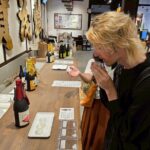
The tour includes 5 different types of sake tasting in total. Some are included as part of the stops, and the lineup can include styles such as daiginjo, junmai, and umeshu/plum wine based on what’s offered during your session.
Here’s why that structure works for you: you don’t need to become an expert on day one. Instead, you get repeated exposure to different styles back-to-back, which makes it much easier to notice patterns. One sip can be a tease; five coordinated tastings let you decide which direction your palate leans.
Also, because the guide explains what makes each brewery’s sake distinct, you can connect your taste preferences to the style terms. That helps later when you’re shopping in bottle shops or reading labels.
One more useful reality check: this is designed as a tasting, not a long sit-down. If you tend to prefer slow, leisurely experiences, you might find the pace quick. But if you like compact learning and fast comparison, this is a strong format.
What If You Want to See Brewing Equipment?
If your main goal is to watch the brewing process, this tour is not your best match. You’ll get a conceptual intro (like the Kamotsuru video), plus the tasting and history explanations, but you won’t be able to observe brewing in action.
That’s not a flaw, it’s a different product. This one is for learning through drinking and talking, not for industrial tourism.
If you’re happy with tasting and context, you’ll still get a lot out of it. If you’re chasing stainless steel tanks and fermentation rooms, you’ll need a different kind of brewery visit.
Guide Style: Fast, Friendly, and Focused
One of the most praised parts of this tour is the guide’s approach. The vibe is enthusiastic, the explanations are kept tight, and the guide makes sake approachable rather than intimidating.
That matters because sake jargon can be a wall for beginners. When the guide translates style differences into something you can taste, you stop feeling lost and start making choices.
I also like that the pacing keeps you moving while still giving you time to ask basic questions. For a small group, that’s a good balance: not rushed like a train transfer, not slow like a long museum lesson.
The overall effect is a concise but meaningful introduction. You come away feeling like you learned something real, not just that you drank a few samples.
What to Do With Your Taste Notes Later
After three breweries and five tastings, you’ll likely want to remember two things: which styles you enjoyed and what you can look for on labels later.
Even without fancy note-taking, you can do a simple mental sorting:
- If you liked elegance and refinement, you’ll probably gravitate back toward daiginjo-type profiles.
- If you liked fullness and a more grounded character, junmai is a strong starting point.
- If you enjoyed sweet and aromatic options, umeshu/plum wine soaked in sake is worth trying again.
Then, when you shop locally in Hiroshima or Saijo, you’ll be able to speak with more confidence. You won’t need to decode everything from scratch, because you already tasted the main categories in a guided comparison.
Who This Tour Is Best For
This tour fits best if you want a short, efficient way to get a real sense of Saijo sake.
You’ll probably enjoy it if:
- You’re new to sake and want an easy first introduction
- You like tasting multiple styles back-to-back
- You want an English guide to translate the story and style differences
- You prefer small groups and a focused schedule
You might skip it if:
- You want to watch brewing equipment and fermentation in person
- You’re sensitive to tasting pace and prefer much longer visits
- You’re hoping to visit more than three breweries in one go (the schedule is designed for three)
One more rule to know upfront: Japan’s legal drinking age is 20. Participants under 20, including infants, aren’t allowed on the tour. It’s a tasting experience, so the age restriction is firm.
Quick Practical Tips Before You Sip
Bring patience for a short walking route and a tasting-focused schedule. This isn’t a half-day wandering event.
Also, even though you can sample multiple drinks, it’s still wise to pace yourself. The tour is built around tasting variety, not drinking to excess, and the goal is to notice differences.
If you’re coming from elsewhere, aim to arrive a bit early so you can get settled at the meeting point outside the ticketing gate. Then you’re set for a smooth start at 10:30 am.
And if you need a Spanish-speaking guide, the tour can be arranged with inquiry in advance. It’s worth planning ahead if language support matters for your group.
Should You Book This Saijo Sake Tasting Tour?
Yes, I’d book it if you want an efficient, structured introduction to Saijo sake with an English guide and a real compare-and-contrast tasting lineup. The biggest win is the three-brewery route paired with context, so you’re not guessing what you’re tasting.
Skip it only if your #1 goal is to watch the brewing process, since this is explicitly a tasting tour. If you’re excited to learn by tasting, this hits the sweet spot for time, value, and hands-on learning.
FAQ
How long is the Hiroshima Saijo sake tasting tour?
It runs about 1 hour 30 minutes.
How much does the tour cost?
The price is $35.93 per person.
What time does the tour start?
The start time is 10:30 am.
Where do I meet the tour?
You meet at the tourist information center area at Saijo Station, right outside the ticketing gate. The listed start location is Higashihiroshimashi Information Centre, 12-3 Saijōhonmachi.
Which breweries are included?
You visit three breweries: Kamotsuru Sake Brewery, Fukubijin Sake Breweries, and Hakubotan Brewery.
What is included in the tour fee?
An English guide and 5 different types of sake tasting are included.
Can I observe the sake brewing process during the tour?
No. This is a tasting tour, and you will not be able to observe the sake brewing process.
Is there an age limit?
Yes. Japan’s legal drinking age is 20, and participants under 20 (including infants) are not allowed to join.
Is there a limit on group size?
Yes. The maximum group size is 10 travelers.
What if bad weather cancels the tour?
If the event is suddenly canceled due to bad weather or similar reasons, you’ll be contacted by 5 pm the day before via your registered email.
Can Spanish-speaking guides be arranged?
Spanish-speaking guides can be arranged if you inquire in advance.
Will the order of breweries always be the same?
The order can change depending on how many groups are on the day. The schedule you see is an example.
What if I want to try warm sake?
During winter season, you can try warm sake during the Fukubijin stop.
Is free cancellation available?
Yes. You can cancel up to 24 hours before the experience for a full refund.