REVIEW · OSAKA
Seasonal Japanese Culture Osaka Paint and Wine Experience
Book on Viator →Operated by Welcome Tokyo · Bookable on Viator
Forget your standard bar crawl in Osaka. This Shinsaibashi paint-and-wine session turns a simple afternoon into a guided creative break with seasonal acrylic art. I like that you finish with a real, take-home piece you can hang later and actually remember.
The standout is the instructor, Miyuki, who shares clear technique tips in English and keeps the mood light and funny. One thing to consider: there’s no food included, so eat beforehand if you’re the type who gets hungry on a 3-hour activity.
Key highlights
- Seasonal four-season themes for your acrylic artwork, including a dedicated March cherry blossom option
- Two drinks included (wine or soft drink), with non-alcoholic drinks for minors
- Small class size (max 20) that makes conversation easy while you paint
- Miyuki’s hands-on coaching with advice on both drawing and painting technique
- Gallery time + group sharing, so the evening has structure, not just sitting and painting
- A canvas you take home, so the experience leaves with a souvenir you’ll use
In This Review
- Why Shinsaibashi’s Paint and Wine Party Works So Well
- From 1:30 PM Check-In to Your Final Canvas: The 3-Hour Flow
- March Cherry Blossoms and Other Seasonal Themes You’ll Actually Paint
- Two Drinks Included: Wine, Soft Drinks, and Keeping It Easy
- Meet Miyuki: The Instructor Style That Makes Beginners Feel Capable
- What’s Included in Your Supplies (and How to Prepare)
- The Social Part: Making Friends While You Paint
- Price and Value: Is $63.93 Worth It?
- Who Should Book This (and Who Might Want a Different Night)
- Should You Book This Osaka Seasonal Paint and Wine Experience?
- FAQ
- How long is the Osaka Paint and Wine Experience?
- What time does the experience start?
- Where do I meet the group?
- Are alcoholic drinks included?
- What if someone in my group is under 20?
- Do I need prior painting experience?
- Will food be provided?
- How big is the group?
- What is the cancellation policy?
Why Shinsaibashi’s Paint and Wine Party Works So Well

If you want Osaka in a way that isn’t just photos and schedules, this is a smart move. The location puts you in Shinsaibashi, a central area where you can easily tack the activity onto shopping or an early dinner plan.
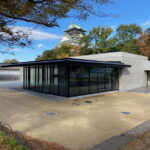
The meeting point is at Cafe&Bar go garage, at the Gallery building in Higashishinsaibashi (Chuo Ward). It’s not hard to reach thanks to being near public transit, and the tour uses a mobile ticket, which keeps things smooth when you arrive.
I also appreciate the vibe balance. You’re in a casual setting, but the class still has guidance and pacing. That means you’re not stuck trying to figure out art basics alone while everyone else looks like they’ve done this for years.
From 1:30 PM Check-In to Your Final Canvas: The 3-Hour Flow
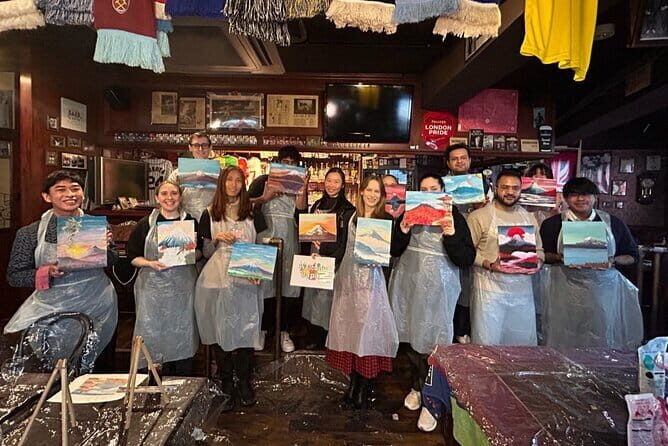
The session starts at 1:30 pm and runs about three hours. The pacing matters here because it keeps you from feeling lost. You’re given time to get set up, learn what to do, and then actually finish.
Here’s how the afternoon generally moves:
First, you get an acrylic painting kickoff. If you’re new, there’s a beginner introduction around the start time. Then everyone paints together rather than splitting into separate tracks. That’s good for comfort: you get help early, and you’re still part of the main group.
After you paint for a bit, the class shifts into a gallery-style segment. You’ll look around, chat, and keep building your artwork afterward. Finally, you wrap up by sharing your finished piece with the group. It’s a small moment, but it turns the experience from a private craft project into something more social.
The group size stays capped at 20 travelers, which helps the energy. It’s small enough for real conversation while still being big enough that you’re not paired off the whole time.
You can also read our reviews of more wine tours in Osaka
March Cherry Blossoms and Other Seasonal Themes You’ll Actually Paint
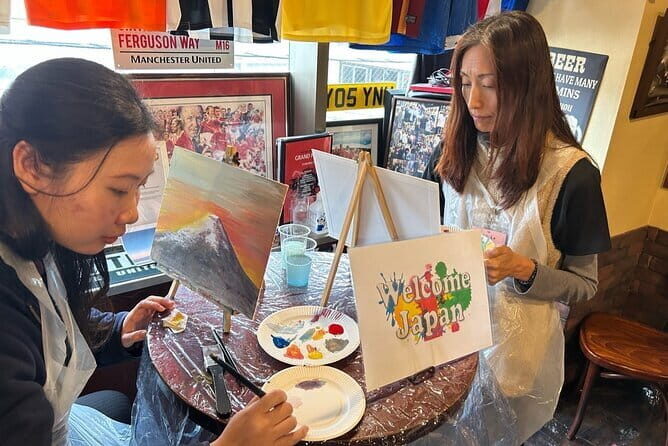
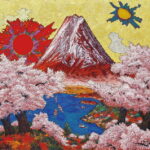
This event is built around Japan’s seasonal feel, using seasonal acrylic prompts. In March, the theme is Cherry Blossoms, which is a very recognizable spring symbol in Japan. The idea is that you paint your own cherry blossom artwork, shaped by the season’s mood.
Even if you aren’t a trained artist, you don’t need to figure out the theme on your own. The instructor sets a clear direction, and you follow along with your own interpretation.
If you’re visiting another month, the event rotates through different seasonal concepts, such as:
- January: Hatsumode (First Shrine Visit)
- February: Sky Lanterns
- April: Easter
- June: Umbrella Street
- July: Fireworks
- August: Ocean
- September: Autumn in Kyoto
- October: Halloween
- November: Snow Monkeys
- December: Christmas
One practical note: the themes can be subject to change. So if you’re traveling specifically for one seasonal look, treat the theme as the focus, not a guaranteed exact copy of a specific image you found online.
Two Drinks Included: Wine, Soft Drinks, and Keeping It Easy
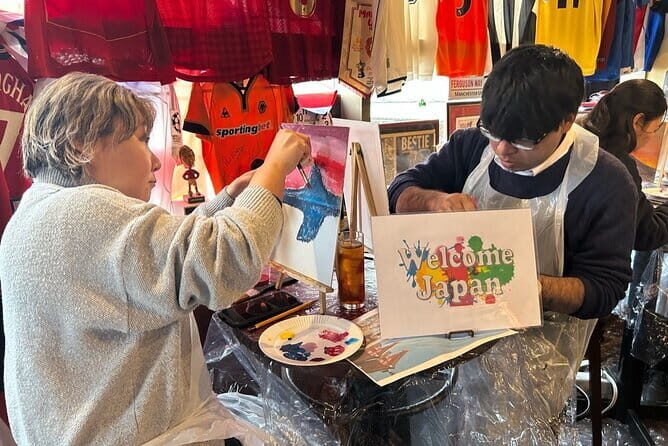
The price includes two drinks total. You can choose wine or a soft drink, or swap based on your preferences.
Because of Japanese law, drinking alcohol is not allowed under age 20. If you’re with someone who’s under that age limit, they’ll get non-alcoholic drinks instead. This matters because it keeps the class inclusive and prevents awkward decisions about who can have what.
In real life, two drinks in three hours is usually the sweet spot: enough to relax, not enough to make the art lesson messy. You get the social comfort of sipping something, while still staying in the calm, focused rhythm of painting.
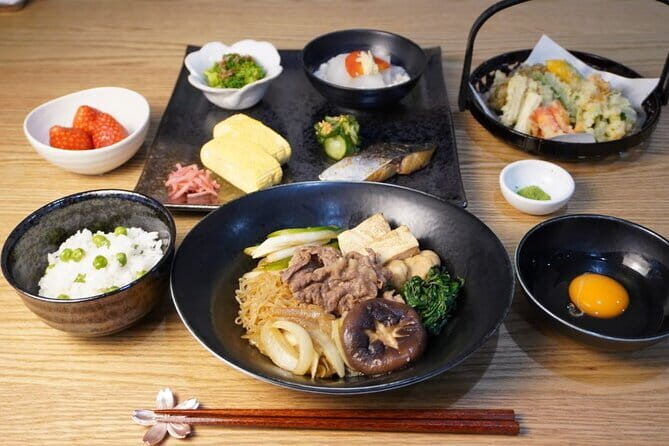
Food is the one missing piece. There’s no food included with the activity, so I’d plan a meal before you start. Otherwise, you might end up thinking about snacks while you’re trying to blend colors.
Meet Miyuki: The Instructor Style That Makes Beginners Feel Capable
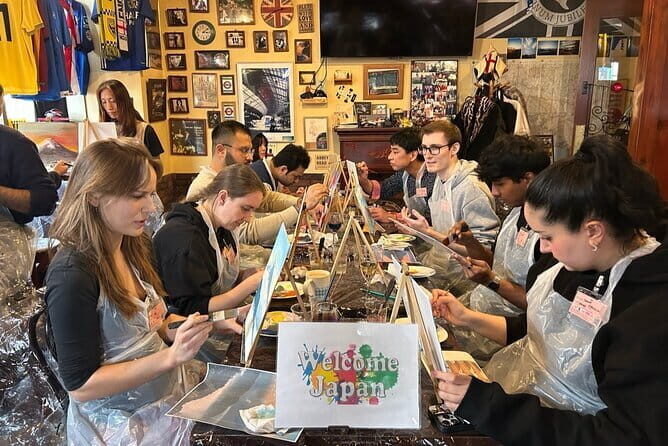
The biggest reason this experience earns high marks is how it’s taught. The instructor, Miyuki, is repeatedly described as friendly, funny, and actively helpful—especially for first-timers.
What I’d count as the most useful part of her coaching is that she gives advice on more than one skill. You’re not just told where to put paint. You also get guidance on drawing and painting technique, which is the difference between copying a picture and understanding how to make your version look right.
She’s also noted for having strong English. That matters in Japan. If you’re nervous about communicating, you can relax knowing the instruction is understandable, not left to guesswork.
The atmosphere stays positive and laid back. It’s not stressful or competitive. You’re encouraged to paint at your pace, ask questions, and improve as you go. For me, that’s what turns a paint-and-sip from a gimmick into a genuine skill-building afternoon.
What’s Included in Your Supplies (and How to Prepare)
You don’t need to bring your own art kit. You’re provided with high-quality paints and the basic painting gear to make it workable right away. The session also includes things like aprons and gloves, which helps keep paint off your clothes.
This is one of those activities where you can show up with basic comfort, not artistic confidence. You’re given the structure and materials; you bring your attention.
A small practical tip: wear something you don’t mind getting slightly paint-adjacent. Even with aprons and gloves, acrylic can still find its way to wrists or cuffs. Think comfy, coverable, and easy to change out of afterward.
When you finish, you take your artwork home as your souvenir. That’s a big deal because it means you’re not just paying for an hour of entertainment—you’re bringing back something you made with your own hands.

The Social Part: Making Friends While You Paint
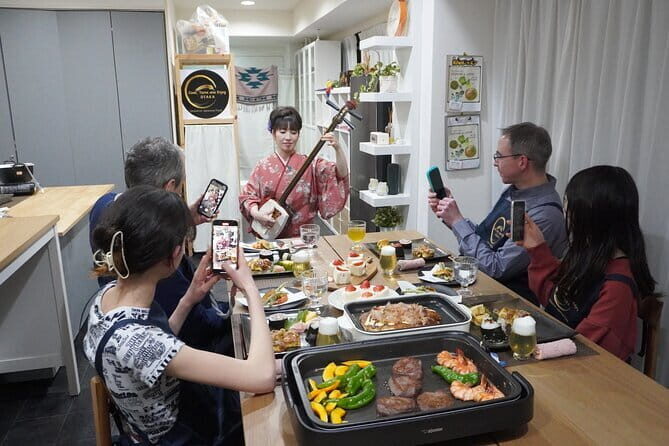
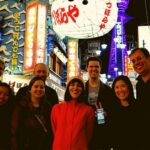
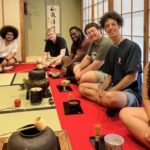
This isn’t a silent craft workshop. People are chatting while they paint, comparing techniques, and swapping small stories. Since the class includes international visitors and locals, it naturally turns into those comfortable conversations that happen when everyone is working on the same task.
With a max of 20 people, it doesn’t feel like a huge event where you disappear into the crowd. Instead, it feels like a small group you can talk with when you want, and quietly paint when you don’t.
It also helps that the instructor keeps the room friendly. When the host is talkative in a good way, it turns awkward moments into an easy flow of conversation.
If you’re going with a partner or friends, this kind of shared activity is a nice alternative to a typical night out. It gives you something to do together, and it ends with a tangible result.
Price and Value: Is $63.93 Worth It?
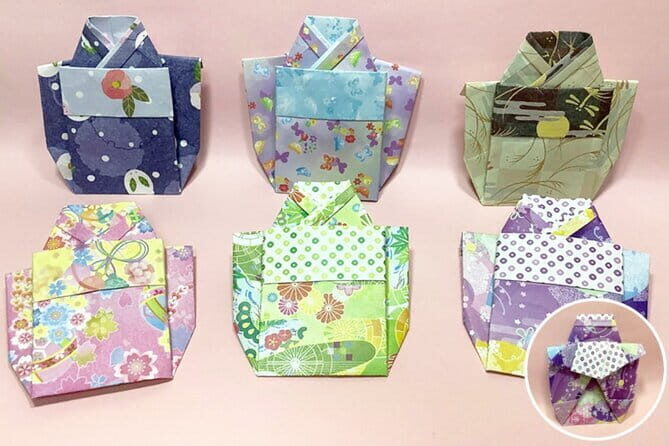
At $63.93 per person, you’re paying for more than just “wine and paint.” The value is in the total package: instruction, a structured activity flow, painting supplies, and two included drinks. On top of that, you leave with your own canvas.
In central Osaka, activities that include drinks and materials often cost more than expected if you break down what’s provided. Here, you don’t have to buy paint or find a place to work, and you’re getting guided support so you don’t waste time guessing.
Would it be cheaper if you DIY’d at home? Sure. But DIY doesn’t cover teaching, the social setting, or the seasonal direction that makes the painting feel like part of Japan, not a generic craft night.
If you want a creative memory you can take home, this price starts to feel fair.
Who Should Book This (and Who Might Want a Different Night)
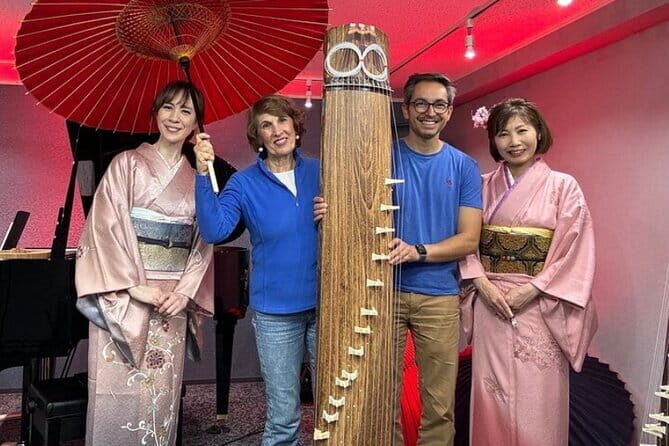
This is a great match if you:
- want a relaxed activity in Osaka’s Shinsaibashi area
- enjoy sipping a drink while doing something hands-on
- are a beginner and want technique help without pressure
- want a fun birthday-style plan that feels different than dinner
It’s also appealing if you care about seasonal culture, because the event’s theme changes by month. Even if you don’t know the art language, the season gives you a clear creative anchor.
The main reason to pause is the lack of food. If you need a full meal as part of your plans, you’ll want to eat before you go. Also, if you’re expecting a major dining experience, this isn’t that. It’s a paint-and-drink class with art as the centerpiece.
Should You Book This Osaka Seasonal Paint and Wine Experience?
I think you should book it if you want a low-stress, beginner-friendly creative activity in one of Osaka’s most convenient areas. The combination of a guided acrylic session, Miyuki’s helpful instruction, and the chance to take your canvas home makes it feel like a complete experience rather than a quick gimmick.
You’ll probably skip it only if food is non-negotiable for you. Otherwise, plan dinner first, bring comfortable clothes, and enjoy the calm rhythm of painting something seasonal that you can actually keep.
FAQ
How long is the Osaka Paint and Wine Experience?
It lasts about 3 hours.
What time does the experience start?
The start time is 1:30 pm.
Where do I meet the group?
Meet at Cafe&Bar go garage, Gallery Bldg., 1-chōme-18-6 Higashishinsaibashi, Chuo Ward, Osaka 542-0083.
Are alcoholic drinks included?
Yes. The experience includes two drinks. You can get wine or a soft drink.
What if someone in my group is under 20?
Japanese law prohibits alcohol under age 20, so non-alcoholic drinks are provided to minors.
Do I need prior painting experience?
No. The activity is designed so that most travelers can participate, and beginners receive an introduction.
Will food be provided?
No. Food is not included.
How big is the group?
The group is capped at 20 travelers.
What is the cancellation policy?
You can cancel for a full refund up to 24 hours before the experience’s start time.
If you want, tell me what month you’re going and whether you’re more into wine or non-alcoholic drinks, and I’ll suggest how to time dinner and what seasonal theme to aim for.