REVIEW · TOKYO
Asakusa Historical And Cultural Food Tour With A local Guide
Book on GetYourGuide →Operated by Washoku club city and food tours · Bookable on GetYourGuide
Old Tokyo flavor, guided on foot. This 4-hour Asakusa tour mixes Sensō-ji Temple with street food stops in the Nakamise area, so you get landmarks and local flavors in one smooth walking plan. I also like that it’s a small group with a live English/Japanese guide; having someone explain what you’re seeing makes the whole neighborhood feel easier to read.
My second favorite part is the way the tour builds in time for key orientation points, including the Asakusa Culture Tourist Information Center, plus a classic amusement break at Hanayashiki. One consideration: you’re on your feet for the full 4 hours, and many sights are timed around about 30 minutes each—so if you want to linger for photos or rest, you’ll feel the pace.
In This Review
- Key things to know before you go
- Starting at Asakusa Culture Tourist Information Center
- Nakamise Shopping Street: snacks and shopping time that actually helps
- Sensō-ji Temple: what 30 minutes is good for
- Asakusa Shrine: a quieter checkpoint with a different feel
- Asakusa Culture Tourist Information Center: use it for orientation
- Hanayashiki Amusement Park: old streets, real fun
- Included food in Asakusa: beef, sushi, tempura, plus sweets
- Tokyo Skytree: the scale check you didn’t know you needed
- Price and value: is $180 worth 4 hours?
- Who this tour fits best (and who should think twice)
- Should you book Asakusa Historical And Cultural Food Tour?
- FAQ
- How long is the Asakusa Historical And Cultural Food Tour?
- Where do I meet the guide?
- What languages are available for the live guide?
- How large is the group?
- What’s included in the food?
- What is the cancellation policy?
Key things to know before you go
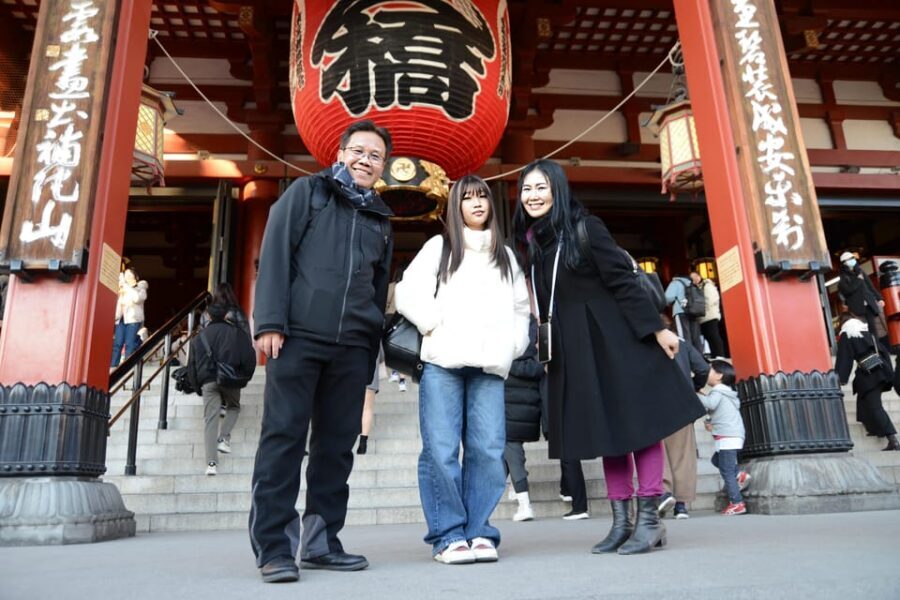
- Small group cap of 10 keeps the walk more personal and easier to follow
- English and Japanese live guide so you get clear context at each stop
- Food included: beef, sushi, tempura, plus snacks and desserts (with soft drinks and water)
- Nakamise Shopping Street is built in for shopping and street-snack tasting
- Hanayashiki Amusement Park adds a fun, old-Tokyo contrast to the temples
- Tokyo Skytree is part of the experience for a reality-check view of Tokyo’s scale
Starting at Asakusa Culture Tourist Information Center
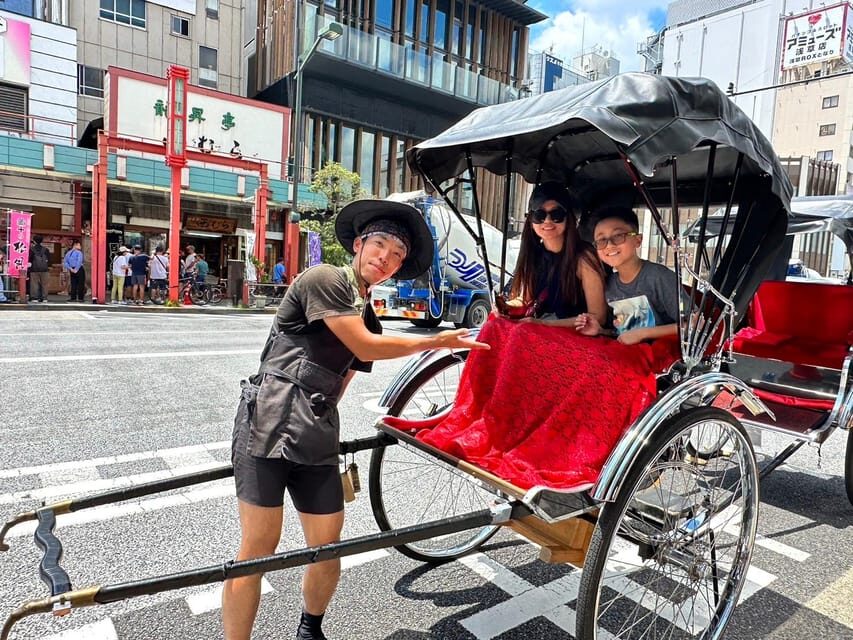
The tour begins at the Asakusa Culture Tourist Information Center (2-chōme-18-9 Kaminarimon, Taito City, Tokyo). It’s a smart meeting point because it’s right where most people want to be: close to Kaminarimon and the Sensō-ji corridor. You’ll start with your guide and get oriented early, which matters in Asakusa. The streets are easy to wander in the wrong direction when you’re tempted by every shop window and snack stand.
This first stretch is also where the tour’s “storytelling” advantage kicks in. Instead of simply walking from one famous spot to another, you’re set up to understand what you’re about to see—temple customs, shopping-street rhythm, and how this part of Tokyo blends tradition with everyday life. If you’re visiting for the first time, this kind of launch point helps you avoid feeling lost after the first photo.
You can also read our reviews of more food & drink experiences in Tokyo

Nakamise Shopping Street: snacks and shopping time that actually helps
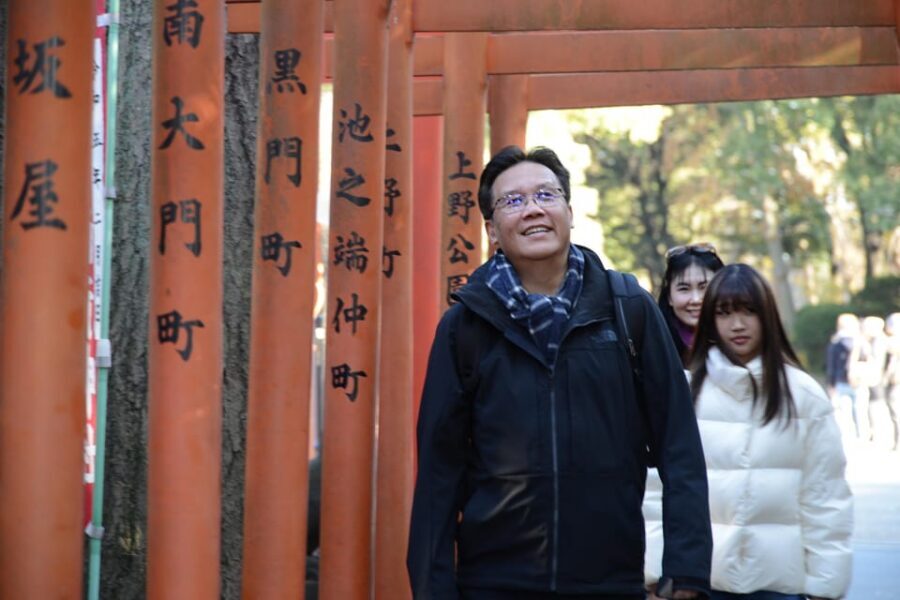
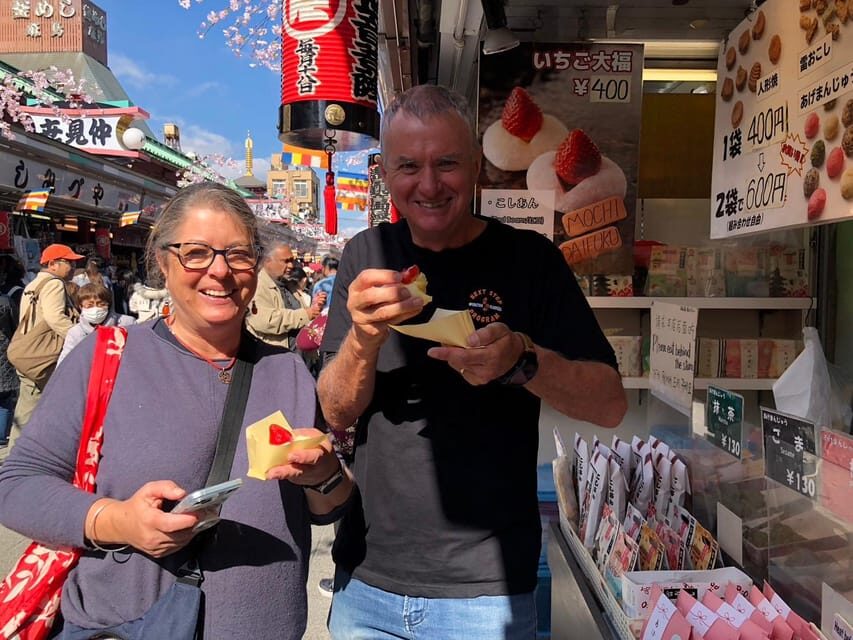
Next up is Nakamise Shopping Street, with about 30 minutes to browse and eat. Nakamise is one of those places where your brain can overload fast: souvenirs, snack booths, incense-smelling air, and people moving in every direction. Having time carved out here is valuable, because you can treat it like a food lane rather than just a “look-but-don’t-buy” corridor.
This is where you’ll notice the tour’s food focus. You’ll sample local street eats in the Sensō-ji orbit—think classic Japanese savory bites alongside sweets. The tour specifically calls out desserts like dango and daifuku, plus the general idea of getting street-snack variety instead of only one stop. That’s a big difference between a food tour and a random snack crawl.
One practical tip: expect crowds and slow moments near popular stalls. If you go in hungry, you’ll be happy. If you prefer very strict pacing, the shopping street can feel chaotic—but that’s also part of Asakusa’s charm.
Sensō-ji Temple: what 30 minutes is good for
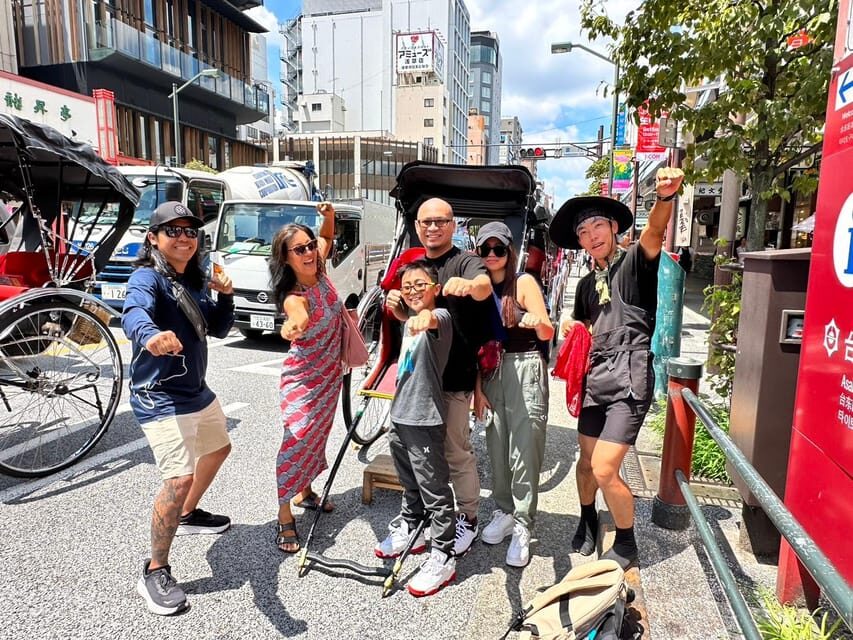
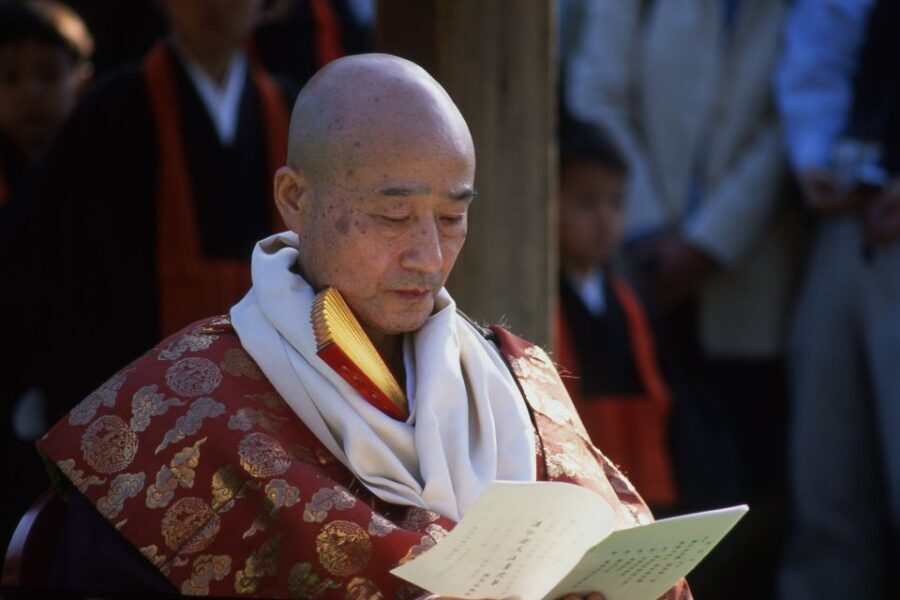
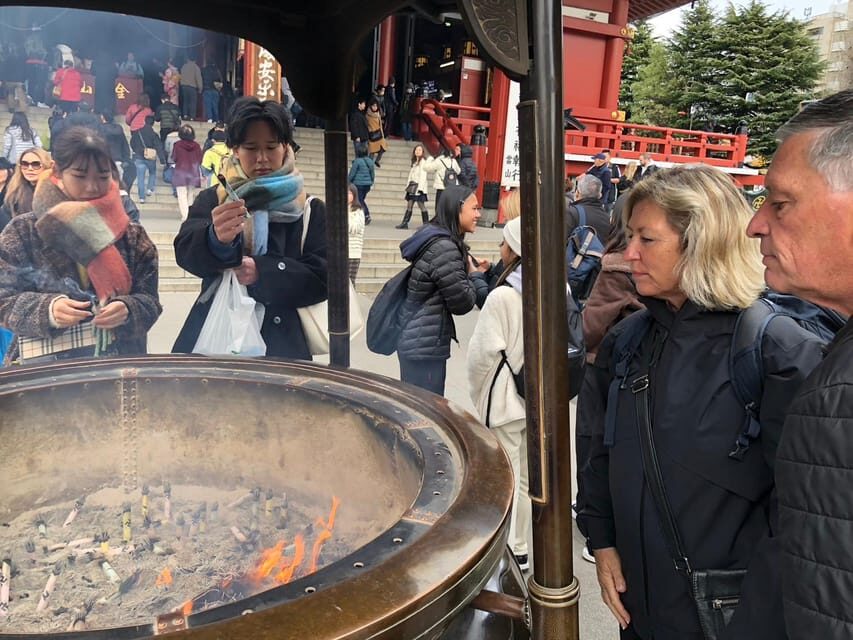
Then you’ll head to Sensō-ji Temple (浅草寺) for about 30 minutes of sightseeing. Sensō-ji is one of Tokyo’s most visited sites for a reason: it’s visually bold, historically important, and still very much active rather than just museum-still.
In a timed visit, I’d use the 30 minutes to do three things: first, take in the main approach and the big temple-impression moments; second, read the space—where people gather, how they move, what they’re doing; and third, step back long enough to frame photos that show the setting, not just close-ups of signs. A guide helps here because they can explain what you’re seeing as you go, which keeps the visit from turning into only a “walk through the crowd” experience.
The main drawback of a half-hour block is obvious: you won’t have unlimited time for deep wandering. But for many first-time visitors, that’s not a flaw—it’s a way to hit the highlights without sacrificing food and other neighborhoods.
Asakusa Shrine: a quieter checkpoint with a different feel

After the big-name temple energy, the tour includes Asakusa Shrine for sightseeing (about 30 minutes). This stop changes the tone. Instead of the heavy, high-traffic temple scene, you get a more local spiritual rhythm—still meaningful, but often less overwhelming than the Sensō-ji approach.
I like having a second sacred site on the route because it gives your eyes a breather and helps you notice contrasts in style and atmosphere. Even when you’re moving fast, you’ll start to see patterns: how the grounds are laid out, how people treat the space, and how religious spots shape the surrounding neighborhood.
If you’re the type who enjoys architecture, small details, or just soaking in the mood, this is a good moment to slow down slightly. Just remember you’re still on a group schedule, so go easy on the “one more photo” loop.
Asakusa Culture Tourist Information Center: use it for orientation
You’ll return to the Asakusa Culture Tourist Information Center for a visit of about 30 minutes. This is one of those parts of a tour that feels optional until you’re standing in a foreign neighborhood trying to make sense of where to go next. Having a structured stop here can help you connect dots: what sights are nearby, what streets to prioritize, and how to keep your bearings once the tour ends.
Even if you’re already “site-saturated,” this center stop is useful as a reset. You can step away from the most crowded lanes, check information, and ask your guide anything you’re unsure about. It also keeps you from finishing the tour feeling like you’ve only seen a highlight reel.
A few more Tokyo tours and experiences worth a look


Hanayashiki Amusement Park: old streets, real fun
One of the most memorable shifts is the time at Hanayashiki Amusement Park, scheduled for walking and sightseeing (about 30 minutes). The tour describes it as a mid-19th-century amusement park, with rides and cafes. That combo—centuries-old neighborhood plus working amusement energy—makes Asakusa feel like more than just temples and snacks.
This stop also helps you recharge. You’ve spent time around incense, crowds, and standing in line. A short break at Hanayashiki gives your legs a different kind of movement, plus a chance to grab a calmer view of the area’s character.
There’s a tradeoff: if you’re not into amusement parks, this could feel less meaningful than another temple or shopping lane. But for many people, it’s exactly the point. It’s a fun contrast that keeps the tour from being purely “look and eat” all the way through.
Included food in Asakusa: beef, sushi, tempura, plus sweets
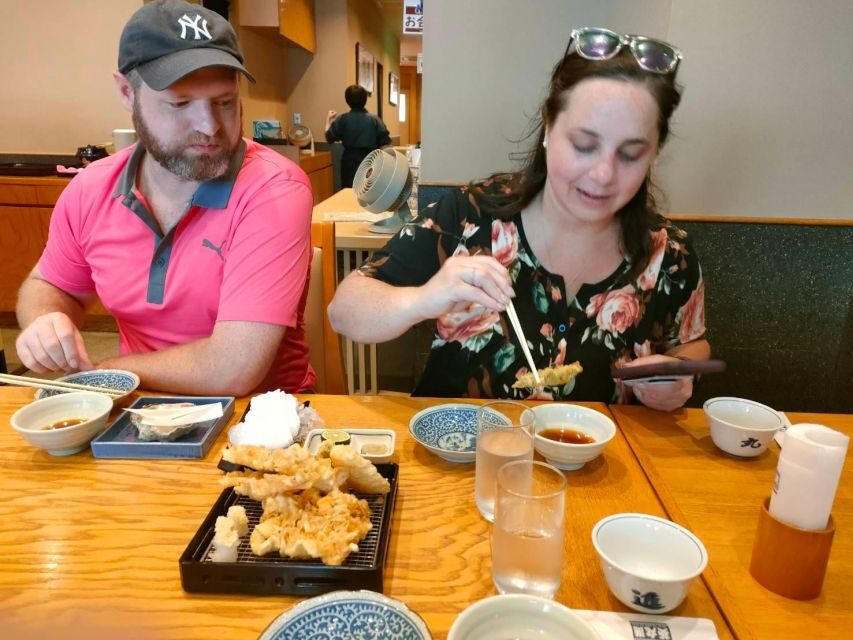
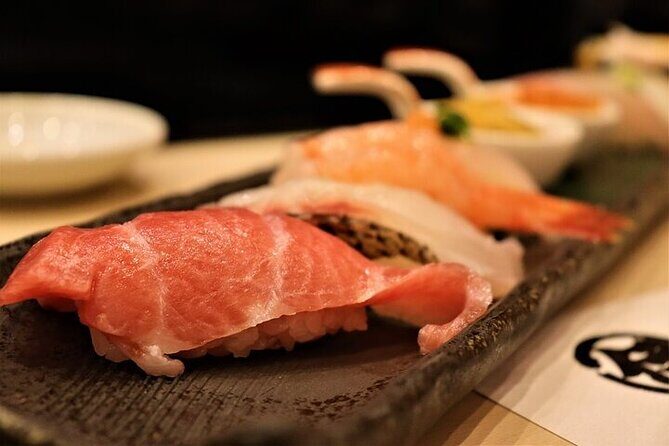
Now the core reason to book: the tour includes food, snacks, and desserts. You’re set up to try items such as beef, sushi, and tempura, along with snacks and desserts. The tour also includes 2 soft drinks and water, and it’s clear that alcoholic drinks are not included (you can purchase them separately).
What I like about this format is that you don’t have to “figure out” which stalls are worth it while you’re already dealing with crowds and menus you may not read. Your guide handles the order of experiences, and you get variety. The tour specifically calls out sweet favorites like dango and daifuku, which are common enough to find in the city but more fun when someone connects them to the neighborhood and helps you choose what’s right for your tastes.
A balanced note: included food means the lineup is fixed. If you have strong dietary limits, you’ll want to check in early with the provider before you go. If you love trying different bites, this is a very efficient way to eat well in a short time.
Tokyo Skytree: the scale check you didn’t know you needed
The experience also includes Tokyo Skytree as an “epic” view moment, with a 360-degree perspective described as outstanding in Japan. The tower reaches 634 meters tall and is presented as a way to grasp Tokyo’s size and density in a single glance.
This is a smart pairing with Asakusa. Asakusa pulls you into human scale—temple steps, shop lanes, street-food clusters. Skytree flips the frame and shows you how everything fits into the broader city. Even if you’re not a view-obsessed person, that context can make your entire Tokyo trip feel more coherent.
Since the tour is only 4 hours long, you may not get a huge amount of time here. Still, the “big picture” effect is usually what people remember: looking out and realizing Tokyo is huge, layered, and tightly packed all at once.
Price and value: is $180 worth 4 hours?
At $180 per person for a 4-hour walking experience, this tour sits in the mid-to-higher range for Tokyo food tours. The value question comes down to what you get for that money.
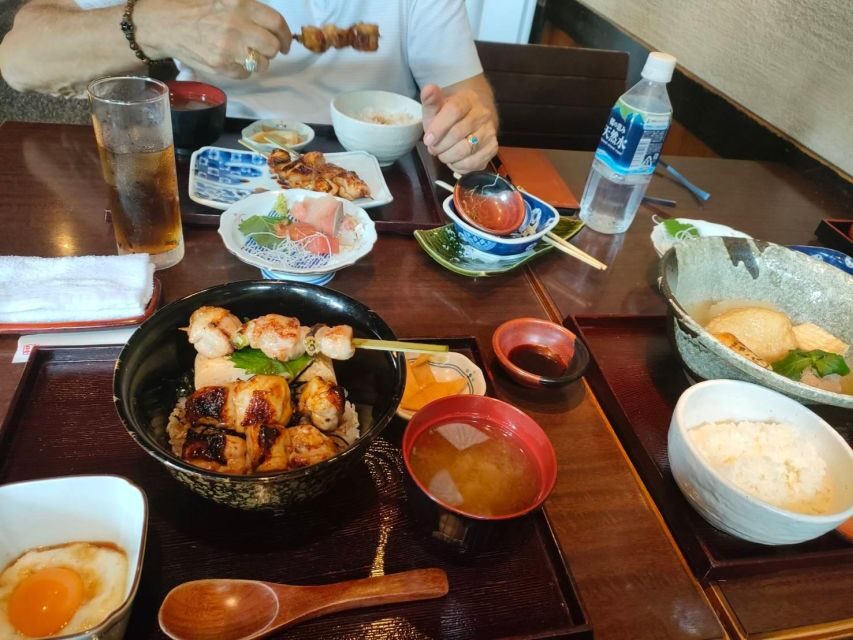
Here’s the practical math: the tour includes multiple meal-style items (beef, sushi, tempura), plus additional snacks and desserts, and it also includes 2 soft drinks and water. Add in the benefits of a live English/Japanese guide, the small group size (max 10), and stops at major landmarks like Sensō-ji and a timed visit to the Culture Tourist Information Center plus Hanayashiki. For many visitors, that’s less about “one cheap deal” and more about paying for convenience, translation help, and ordering expertise in a high-crowd area.
The main way it might feel pricey is if you’re the kind of traveler who only wants one or two snacks and prefers self-guided wandering. But if you want structure, you hate menu guessing, and you want to see the key Asakusa landmarks without spending your afternoon coordinating routes, $180 can feel pretty fair.
Who this tour fits best (and who should think twice)
This tour is a strong match if you want:
- A guided walkthrough of Asakusa’s temple-and-street-food zone
- Included tastings covering both savory bites and sweets like dango and daifuku
- A small group format so the experience doesn’t feel like a cattle line
- A mix of classic sights and a fun break at Hanayashiki
It may be less ideal if:
- You don’t like walking for 4 hours
- You want lots of free time at each sight
- You’re very strict about controlling exactly what you eat (since included food is built into the plan)
Should you book Asakusa Historical And Cultural Food Tour?
I’d book it if you’re doing Tokyo for the first time and you want Asakusa to feel guided, not random. The mix of Sensō-ji, Nakamise street-snack time, a shrine stop, and Hanayashiki gives you variety without losing the plot. The included food is the big reason, because it saves you from standing in line with a hungry stomach and a pocket full of uncertainty.
The one decision point is pacing: you’ll move through several stops with timed sightseeing blocks, so go in expecting a “see, eat, learn, move on” rhythm. If that sounds good, this tour is a solid way to get genuine Asakusa energy in one afternoon.
FAQ
How long is the Asakusa Historical And Cultural Food Tour?
It’s a 4-hour walking tour.
Where do I meet the guide?
The meeting point is the Asakusa Culture Tourist Information Center at 2-chōme-18-9 Kaminarimon, Taito City, Tokyo 111-0034, Japan.
What languages are available for the live guide?
The tour offers a live guide in English and Japanese.
How large is the group?
The group is small, limited to 10 participants.
What’s included in the food?
The tour includes beef, sushi, tempura, snacks and desserts, and drinks (2 soft drinks and water). Alcoholic drinks are not included.
What is the cancellation policy?
Free cancellation is available up to 24 hours in advance for a full refund.