REVIEW · TOKYO
Private Day Tour in Tokyo with Government-Licensed Guide
Book on Viator →Operated by Travel Tokyo Agency · Bookable on Viator
Tokyo clicks into place fast with a guide. This private 6-hour walking tour (start in Shibuya) blends Tokyo’s biggest sights with a plan you can tailor, plus clear help using public transit. I love the customizable route that lets you pick your 3–4 top stops without wasting hours guessing.
What I especially liked is how Hiro-style guiding turns famous places into something you can actually use: shrine and temple etiquette, how to move through neighborhoods, and practical subway directions. The experience also gives you nonstop recommendations for where to go next, so your Tokyo day doesn’t end when the tour does.
One consideration: several of the headline viewpoints cost extra, like Shibuya Sky, Tokyo Tower, and Tokyo Skytree. Also, it’s a walking day—if your pace is limited, tell the guide early so they can plan around it.
In This Review
- Key highlights to look for
- A private licensed guide makes Tokyo feel smaller fast
- 6 hours, 3–4 stops, and how the route really works
- Meiji Jingu and Harajuku: a reset, then a street-style jolt
- Shibuya Sky and Shibuya Crossing: pay for the view, then watch the choreography
- Tokyo Tower and Zojo-ji: an iconic skyline marker plus a quieter neighborhood
- Tsukiji outer market: how to walk it without getting lost
- Imperial Palace grounds: what you can see depends on the day
- Tokyo Skytree and Asakusa: modern skyline meets old-city energy
- Kappabashi: the souvenir aisle that actually makes sense
- Public transport coaching: the real value is how you leave confident
- Price and entry fees: where $108.99 really goes (and what you pay extra)
- Who this suits best: families, first-timers, and planners
- Practical tips so your day stays fun, not exhausting
- Should you book this private Tokyo walking tour?
- FAQ
- Is this tour private or shared?
- How long is the tour?
- Can I customize which sights we visit?
- Where does the tour start?
- Are entrance fees included for Tokyo viewpoints?
- Is transportation included?
Key highlights to look for
- Private, government-licensed guide: one-to-one attention with an itinerary you can shape
- Shibuya start (Scramble Square): easy launch point for getting around Tokyo
- Pick 3–4 sites from a menu: you’re not locked into a rigid checklist
- Subway confidence boost: you learn routes, not just sights
- Budget-aware planning: the guide steers you toward what’s worth paying entry for
A private licensed guide makes Tokyo feel smaller fast
Tokyo can be loud, crowded, and confusing—especially when stations are huge and signs are a mix of styles. A private day tour helps because you’re not trying to decode everything alone while people stream past you at speed.
This one is built around a local, licensed guide who can match the day to your interests. That’s the difference between seeing photos and understanding what you’re looking at.
For first-timers, I like that you also get public transportation coaching. Instead of feeling like you escaped the city once, you learn how to move through it again tomorrow.
You can also read our reviews of more guided tours in Tokyo

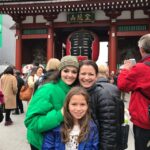
6 hours, 3–4 stops, and how the route really works
The tour runs about 6 hours and is designed as a walking experience. It’s private, so only your group participates, and you meet at Shibuya Scramble Square before heading out. The tour is listed as customizable: you choose 3–4 sites from the highlights menu, rather than being forced to check off everything.
That matters because Tokyo days go sideways fast if you overbook. A smaller set of sights lets you spend more time at the places that matter most to you (or to your group’s energy level).
Even though the day’s highlights can be arranged flexibly, the natural flow is clear: Harajuku and Shibuya vibes, then icons and temples toward central/east Tokyo, finishing around Asakusa and nearby areas like Kappabashi.
Meiji Jingu and Harajuku: a reset, then a street-style jolt
Stop 1: Meiji Jingu Shrine (free, ~40 min)
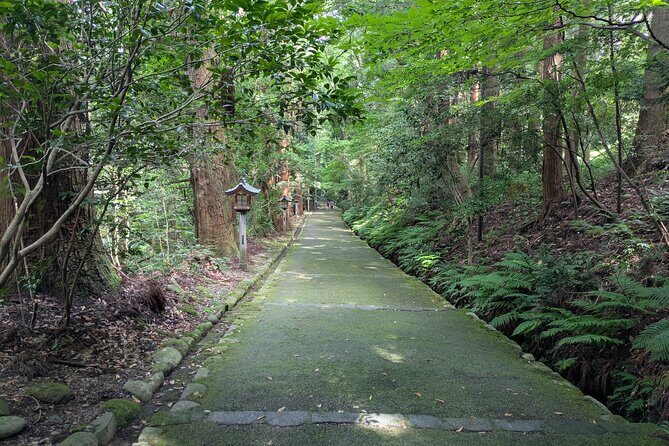
Meiji Jingu is a breather. Right beside the busy Harajuku Station area, you step into calm grounds devoted to Emperor Meiji and Empress Shōken. The best part is how the contrast hits: Tokyo’s energy outside, then a more grounded pace inside the shrine precinct.
Your guide can help with the basics of shrine etiquette and what to look for so you’re not just walking through. This stop works even if you’re not into religious sites, because the setting is peaceful and photogenic.
Stop 2: Takeshita Street (free, ~20 min)
Then you jump into the Harajuku fashion zone—teen culture, quirky styles, and snack smells everywhere. Takeshita Street is short and intense, so it’s smart to spend a focused chunk of time instead of wandering for hours.
If you’re shopping-minded, your guide can also help you spot what’s actually fun to buy versus what’s just tourist-crowded.
Shibuya Sky and Shibuya Crossing: pay for the view, then watch the choreography
Stop 3: Shibuya Sky (not included, ~40 min)
This is the rooftop 360° open-air deck atop Shibuya Scramble Square. It’s one of those Tokyo experiences where the city feels like a living model—dense, layered, and impossible to fully grasp from street level.
The key downside is cost: entry is not included in the tour price. If you’re paying for viewpoints, you’ll want to decide how many you really need that day, since three paid decks can add up quickly.
Stop 4: Shibuya Crossing (free, ~10 min)
Right after the skyline moment, you get the street-level spectacle. Shibuya Crossing is known for the synchronized pedestrian crossings—lights flip, people flow, and it looks chaotic until you see the rhythm.
This is a great stop for families and groups because you don’t need reservations or language skills. You just need good shoes and a safe spot to stand.
Tokyo Tower and Zojo-ji: an iconic skyline marker plus a quieter neighborhood
Stop 5: Tokyo Tower (not included, ~40 min)
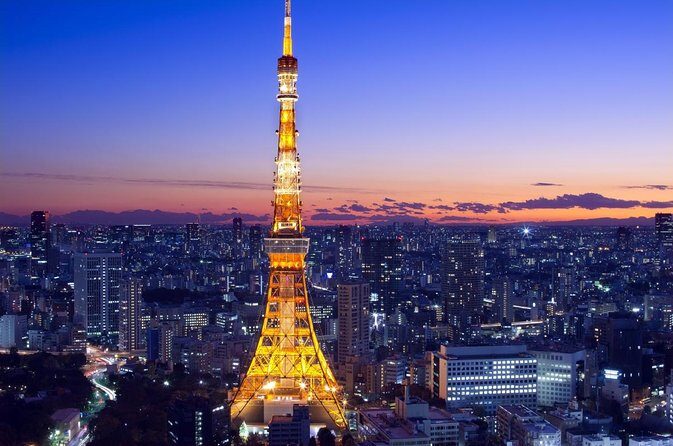
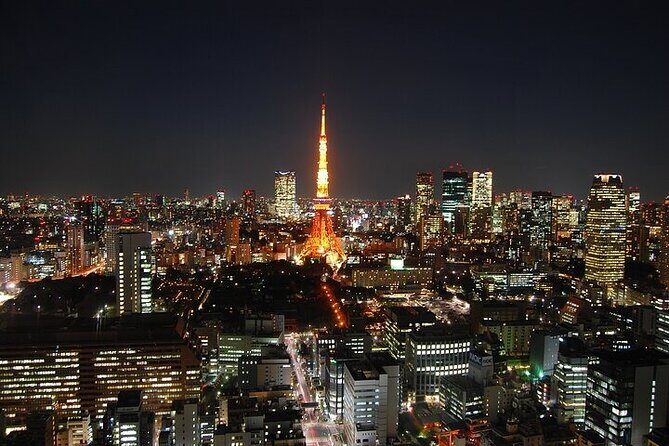
Tokyo Tower is a postwar symbol, built in 1958 and rising to 333 meters. The observation decks are where you’ll pay entry (not included), but even outside, it’s a major photo anchor.
If you’re picking just one paid “big viewpoint,” Shibuya Sky vs Tokyo Tower vs Skytree is the decision point. Your guide can help you weigh the vibe: rooftop modern energy vs classic landmark framing.
Stop 6: Zojo-ji Temple (free, ~20 min)
Next to Tokyo Tower, Zojo-ji adds a different tempo. It’s a well-known temple whose grounds include the Tokugawa family mausoleum area.
What I like about pairing Tokyo Tower with Zojo-ji is how it breaks the day’s pattern: skyline → sacred calm → back to city energy. It also helps you see Tokyo Tower as more than a single viewpoint photo.
You can also read our reviews of more private tours in Tokyo

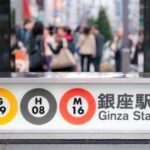
Tsukiji outer market: how to walk it without getting lost
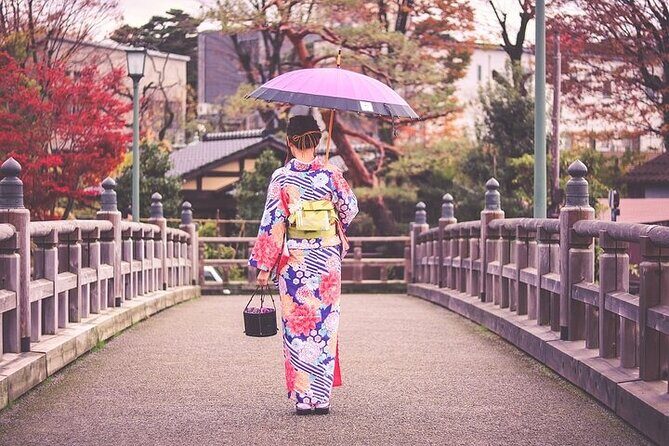
Stop 7: Tsukiji Fish Market outer area (free, ~1 hour)
Tsukiji is a food spotlight. This stop focuses on the outer market, where chefs shop for high-quality seafood. You’ll be moving through a busy zone, but with a guide you’re less likely to waste time on stalls that won’t suit your tastes.
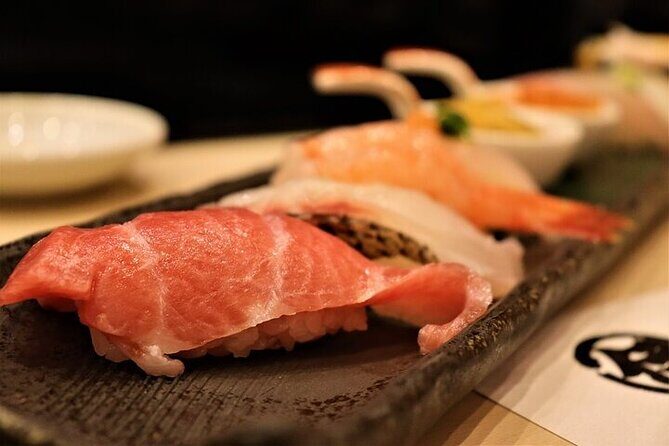
This is also where food recommendations really matter. One of the most repeated positives from this tour style is that Hiro-style guiding often connects you to solid places for lunch—sushi is a frequent highlight, and the point is not just to eat, but to eat in a way that fits the day’s walking plan.
Practical note: Tsukiji feels busiest around peak hours. If your group has kids or people who tire easily, ask your guide to pace this stop so you don’t spend the whole day standing in crowds.
Imperial Palace grounds: what you can see depends on the day
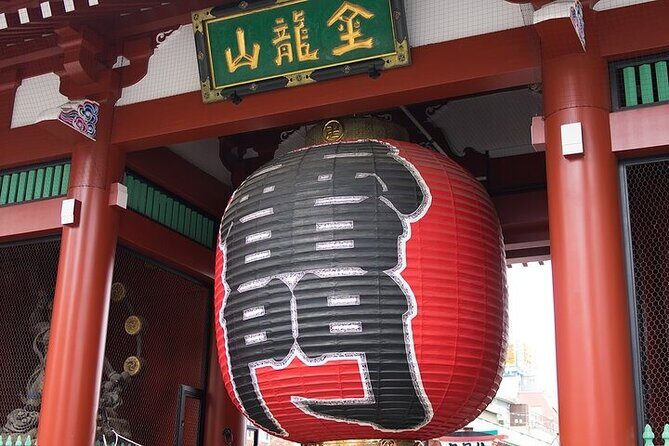
Stop 8: Imperial Palace (free, ~40 min)
The Imperial Palace sits on the site where Edo Castle once stood. Most palace grounds are not open to the public, but the East Gardens can be accessible on select days.
This is exactly where a private guide helps. If the East Gardens aren’t available, you still get the sense of the area and history without feeling like you arrived to a closed door. It’s the kind of place where learning what’s possible beats walking around hoping.
Tokyo Skytree and Asakusa: modern skyline meets old-city energy
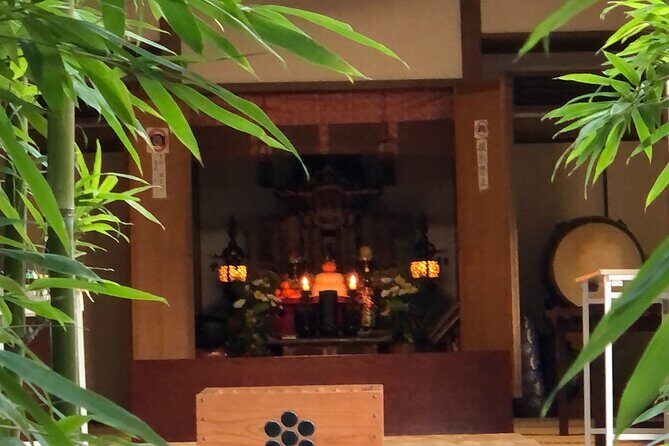
Stop 9: Tokyo Skytree (not included, ~40 min)
Skytree is a landmark and broadcasting tower, and it anchors Tokyo Skytree Town near Asakusa. Like the other viewpoint options, entry to observation areas is not included. Costs vary: weekdays vs holidays are listed at different rates.
If your group already did Shibuya Sky, you may not need Skytree. But if you want a different perspective—especially closer to the old-city feel—Skytree can be a strong choice.
Stop 10: Asakusa (free, ~10 min)
Asakusa is the neighborhood base. It’s known for shops and restaurants, plus the temple area you’ll hit next. Think of this as your “street atmosphere” layer: the area that makes Senso-ji feel like a full cultural zone, not just a building.
Stop 11: Senso-ji Temple (free, ~30 min)
Senso-ji (Asakusa Kannon Temple) is one of Tokyo’s most colorful and popular temples. The legend ties to the year 628, when two brothers reportedly found something connected to the temple’s origin—enough story to make the place feel older than your map.
This is another stop where etiquette matters. With a guide, you’ll know where to look, what the rituals mean, and how to enjoy the moment without stepping where you shouldn’t.
Kappabashi: the souvenir aisle that actually makes sense
Stop 12: Kappabashi (free, ~10 min)
Kappabashi is for kitchen gear and paper supplies. What makes it special is the mix: cookware stores, novelty items, and the famous plastic food displays that show what restaurants sell.
If you like practical souvenirs, this area is a better use of time than a random mega-shop. You’ll find things that work back home—small tools, utensils, and themed food-related items.
Public transport coaching: the real value is how you leave confident
One of the strongest reasons to book this tour style is the way guides teach you to use the metro and trains. Tokyo doesn’t just require finding the right station—it requires lining up the right exit, elevators, and connections.
In real-world cases, Hiro-style guidance includes looking for elevators at stations when there are many stairs, plus choosing routes that keep the walking manageable. That matters if your group includes older people or anyone who’s not comfortable with constant stair climbs.
You also learn habits: where to stand, how to read the flow of crowds, and how to avoid the common mistake of exiting into the wrong direction of the neighborhood.
And yes, guides also help you time moments. If there’s a street parade or festival happening, a good guide can help you get into the right place with the right train timing. Even if your day is not festival day, the approach is the same: plan movements around real schedules, not just a map pin.
Price and entry fees: where $108.99 really goes (and what you pay extra)
The tour price is $108.99 per person, and the tour duration is about 6 hours. It’s a private experience, licensed guiding included, and your route is designed so you don’t burn time figuring everything out. That’s where the value comes from.
What isn’t included is important. Transportation fees aren’t included, and a 24-hour Metro Pass is listed at 900 yen for adults and 450 yen for children. Lunch is also not included.
Then there are the big paid sights:
- Shibuya Sky: 2,700 yen adult
- Tokyo Tower observation decks: 1,500 yen adult
- Tokyo Skytree observation decks: 2,100 yen weekdays, 2,300 yen holiday
So here’s the honest math: if you pick zero paid viewpoints, you’ll mostly pay for the metro pass (if you use one) plus lunch. If you pick one viewpoint, budget entry fee + metro. If you pick three, the day becomes more expensive even though the base tour price looks reasonable.
This is why the customization is not a small feature. It’s the lever that controls your total spend.
Who this suits best: families, first-timers, and planners
This tour is a strong fit if you’re:
- Visiting Tokyo for the first time and want to get bearings fast
- Traveling with a family, including kids who do better with a structured plan and short, timed stops
- Planning-minded, like people who want to build their whole trip with clear suggestions for what to do next
- Interested in both modern Tokyo (Shibuya, Skytree, Tokyo Tower) and traditional Tokyo (Meiji Jingu, Zojo-ji, Senso-ji)
It’s also good for groups that want the guide to adjust mid-day. The guiding style here is flexible: you can change the order and choices as the day heats up or as preferences shift.
Practical tips so your day stays fun, not exhausting
Tokyo walking can add up fast, especially with station stairs and crowds. A few practical moves will make this smoother:
- Wear shoes that handle long sidewalks and lots of train staircases.
- Tell the guide about any mobility limits early, since station layouts matter and elevators can save a lot of energy.
- If you care about viewpoints, decide ahead of time which one(s) you want to pay for. It’ll keep you from feeling rushed at the end of the day.
- Bring some cash and a card for snacks, drinks, and lunch options since lunch is not included.
One more nice touch: guides often help with photos. In this tour style, taking pictures and helping you frame iconic spots is part of the work, not an afterthought.
Should you book this private Tokyo walking tour?
I think you should book it if you want a confident first Tokyo day with real local help—especially if you care about getting the metro right and learning how neighborhoods work. The best value is not only the sights; it’s the guidance that makes Tokyo easier to navigate for the rest of your trip.
Skip (or rethink the paid viewpoint choices) if you already know Tokyo transit well and you only want one or two super-specific attractions. In that case, you might do better with a lighter self-guided plan.
If you book, I’d also pick your 3–4 stops carefully. The tour’s flexibility is where the experience shines, and it keeps the day from turning into a race.
FAQ
Is this tour private or shared?
It’s private, so only your group participates. You meet the licensed guide in Tokyo and walk together.
How long is the tour?
The duration is about 6 hours.
Can I customize which sights we visit?
Yes. The tour is a customizable walking route where you choose 3–4 sites from the highlights list.
Where does the tour start?
The meeting point is Shibuya Scramble Square (2-chōme-24-12 Shibuya, Tokyo 150-0002, Japan).
Are entrance fees included for Tokyo viewpoints?
No. Shibuya Sky, Tokyo Tower observation decks, and Tokyo Skytree observation decks have separate entrance costs and are not included in the tour price.
Is transportation included?
Transportation fees are not included. A 24-hour Metro Pass is listed at 900 yen for adults and 450 yen for children, and lunch is also not included. Pickup is offered.