REVIEW · KYOTO
Tea ceremony and kimono experience at Kyoto, Tondaya
Book on Viator →Operated by 冨田屋 · Bookable on Viator
Kyoto changes when you wear silk. This tea ceremony at Tondaya takes place in a historic Kyoto machiya wooden townhouse, so you are not sitting in a studio. I love how the kimono fitting gets you set up fast, and I love that you get time to roam and take photos before the tea ritual starts.
The one watch-out is the group setup. If the room fills up, you might have trouble seeing the tea action clearly or catching every detail, especially since the ceremony portion can feel brief.
In This Review
- Key things to know before you go
- Tondaya and the machiya townhouse setting
- Kimono fitting: silk, comfort, and what you should bring
- The townhouse tour and photo time that actually helps
- The tea ceremony: what you’ll see and where the time goes
- Group size, sound, and seeing the host clearly
- Price and value: kimono plus tea in central Kyoto
- Getting there and finding the townhouse quickly
- Who should book this, and who should choose private
- Should you book Tondaya’s tea ceremony and kimono experience?
- FAQ
- How long is the tea ceremony and kimono experience at Tondaya?
- Is this a group tour or a private experience?
- What is included in the price?
- What should I bring with me?
- Are geta sandals provided?
- Do I need to do makeup or hair styling on my own?
- Where do I meet for the experience?
Key things to know before you go
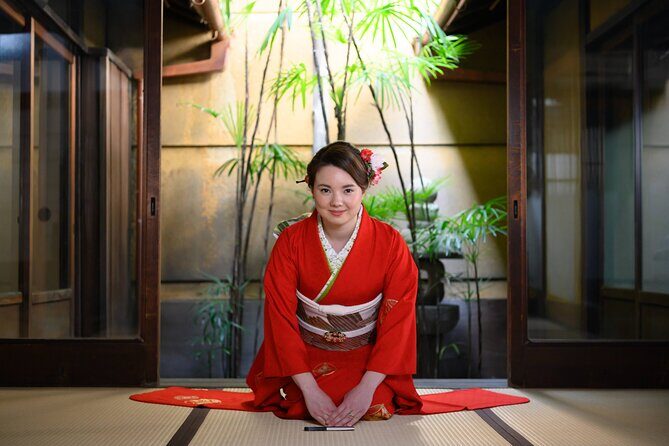
- A real machiya, not just a themed room: The experience happens in an old townhouse setting tied to Kyoto tradition.
- Kimono fitting is part of the show: You wear a silk kimono (over your own clothes), and you get photo time afterward.
- Photo-friendly access to the house: You can take as many photos as you like during your visit.
- Tea and sweet are included, but it is timed: The experience runs about 1 hour 30 minutes, and the tea portion is not long.
- Bring socks to protect the space: You need socks, and you can also buy them on site.
Tondaya and the machiya townhouse setting
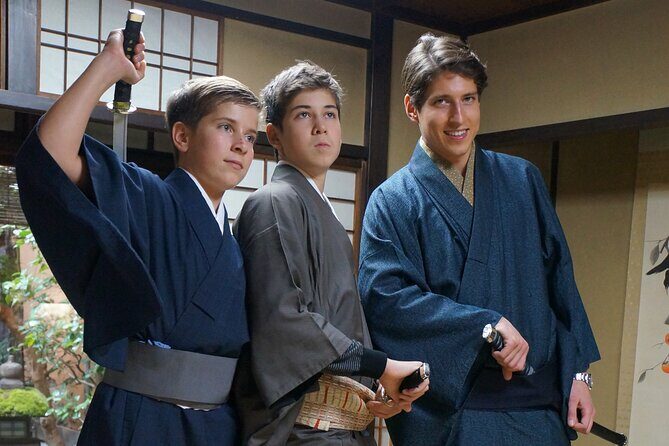
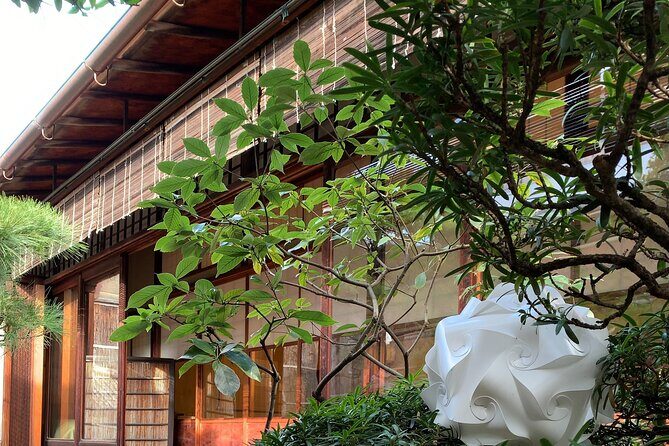
This is one of those Kyoto experiences where the location does half the work. Tondaya holds the tea ceremony and kimono experience inside a historic machiya townhouse in central Kyoto, also identified as the Nishijin Japanese Cultural Experience Museum.
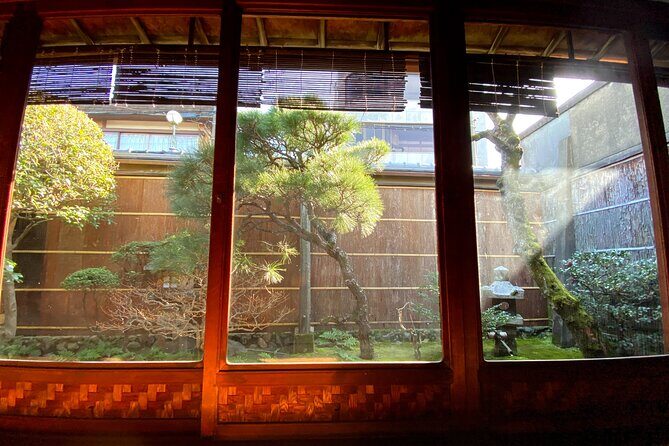
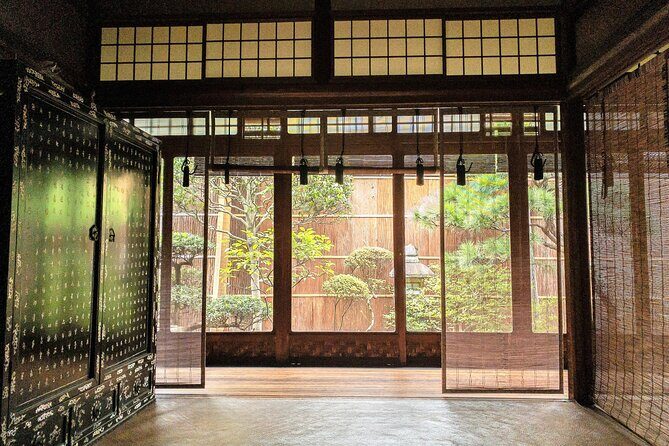
A machiya is more than an aesthetic. It is a living-feeling architectural style: wood, paper, sliding space, and that gentle sense of being inside an old neighborhood home rather than in a staged venue. In this case, the house dates back to the Meiji period, and that matters when you are learning a tradition that grew up with daily routines.
When you arrive, you are not just checking in at a front desk and then being herded into a performance corner. You are welcomed into a real townhouse environment where you can feel the layout, the room flow, and the quiet pace that tea culture is built around.
You can also read our reviews of more tours and experiences in Kyoto.



Kimono fitting: silk, comfort, and what you should bring
The kimono part is a major selling point here, and it is also the part you will remember later when you look at photos.
First, you are fitted with an authentic silk kimono promptly after arrival. You wear it over your own clothes, so you do not have to dress from scratch. Some guests also mention picking kimono colors, which is a nice touch because it turns the outfit into a choice, not just a uniform.
This is also where you need to think practical. The experience notes ask you to bring socks to protect cultural assets. That means wear socks you feel comfortable walking around in, because you’ll move through the house for photos and tour time. The listing also says you can buy socks at the venue, but it is usually easier to show up prepared.
What is not included: make up, hair styling, and geta (traditional wooden sandals). So keep expectations realistic. The kimono is the star, but you should plan your hair and makeup however you normally would, and skip the idea that you will be fully styled end-to-end.
One more small but important point: a kimono fitting can take a few minutes, and if your day is packed, build in time for a relaxed start. When the schedule slips, it can ripple into how “comfortable” the ceremony feels later.
The townhouse tour and photo time that actually helps
After the kimono fitting, you get time to take photos around the house. You also get a chance to tour the machiya itself, including areas connected to seasonal atmosphere. One of the charming things about old Japanese houses is the way they let light and breeze do their job, and you can feel that shift when you are not in a modern room.
The tour portion is not long, but it is structured enough to give meaning. You are guided through the house and shown rooms and features that connect to why tea culture works the way it does: space, placement, and attention to small details.
Photo time is a genuine part of the experience here. You are allowed to take as many photos as you like during the visit, and some guests specifically enjoy photo spots with props afterward. If you are the type who loves to document your day, this is one of the better options because you are not limited to a few staged poses.
The flip side: if you are sensitive to crowds, be aware that the house has limited space. In tight hallways and rooms, group movement can feel compressed. You may find it easier to plan your camera moments in quieter corners rather than trying to shoot at the busiest points.
The tea ceremony: what you’ll see and where the time goes
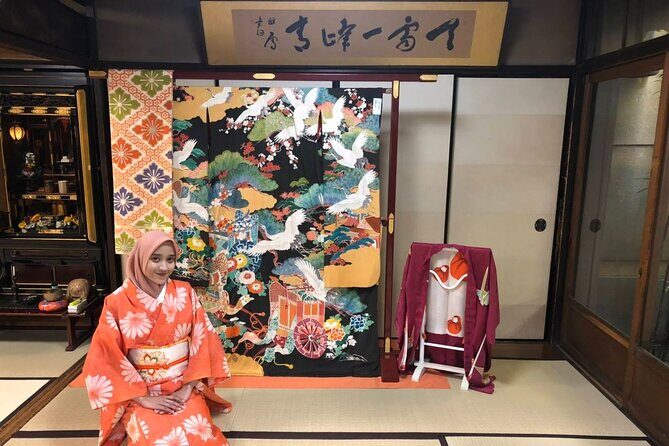
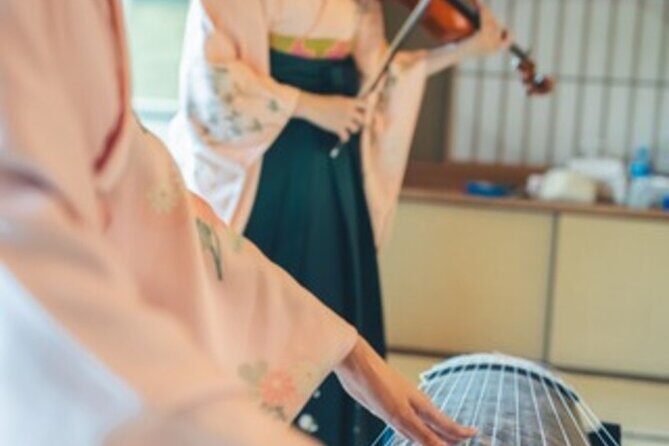
The tea ceremony here is the cultural core: you watch a traditional performance, and you experience tea in a formal way.
You will also see an introduction video on how to wear kimono and the process of the tea ceremony. That helps set expectations, especially if you have never seen the steps before.
During the ceremony itself, you learn through observation and instruction. Based on guest feedback, the best moments are when the host explains the steps and the “why” behind them—how tea is brewed, how it is served, and how guests should handle the cup.
You also get matcha tea and a sweet. Some guests describe it as informative and calming, with a sense that the host genuinely wants you to understand what you are doing.
Now the honest part. The ceremony time is not huge. The whole experience is about 1 hour 30 minutes maximum, and that means the tea portion may feel short if you are expecting a long, step-by-step history lecture. A few guests felt the group crowding made it hard to see what was happening during the procedure, and some also wanted more explanation about tea details beyond basic steps.
If you want the ceremony to slow down, you should consider the private option. The private experience note exists for a reason: it tends to make it easier to focus on the host’s movements and to hear explanations without competing voices from other sides of the room.
Group size, sound, and seeing the host clearly
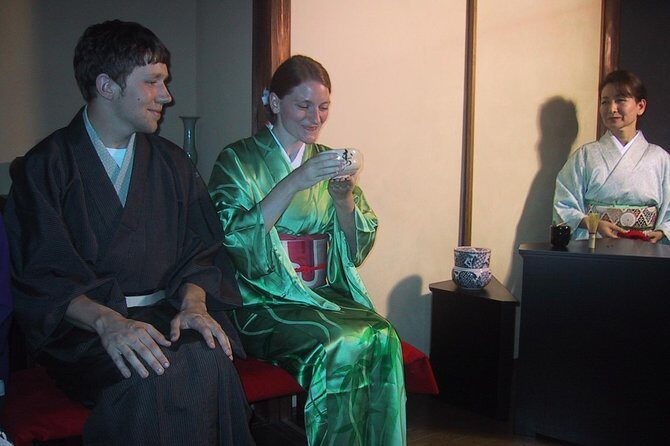
This is a group experience, and that can be either perfect or mildly annoying depending on your tolerance for shared space.
The listing states a maximum of 20 travelers, which is not massive. Still, Japanese townhouses can feel tight, and tea rooms are designed for stillness, not for lots of bodies packed close together. When a room fills, it can become harder to see the host preparing and serving, and it can become harder to hear each explanation clearly.
Some guests also noted that English narration quality can vary and that timing can feel rushed if the group moves quickly through kimono dressing, house viewing, and then ceremony.
Here’s how you can protect your experience:
- Choose the private option if you care most about the tea ritual details.
- Arrive ready on time so you are not starting late and rushing through the last portion.
- If you know you’ll be seated in a crowded room, keep your eyes on the key action points and treat the ceremony as a learning-on-the-spot moment rather than a slow masterclass.
The upside is that group energy does not automatically ruin it. Many guests say the staff are friendly and patient, and some hosts are praised for clearly explaining the steps.





Price and value: kimono plus tea in central Kyoto
At $178.34 per person for about 1 hour 30 minutes, this is not a cheap “photo and tea” outing. So you should judge it on what is included and what you personally want from it.
What you are paying for:
- Kimono experience (silk kimono fitting and wear)
- Tea ceremony experience
- Entrance fee to the cultural museum space
You are also paying for the setting: a historic machiya in central Kyoto, where you are not only learning about tradition but stepping into a house that feels built for it.
When this feels like good value:
- You want the kimono experience and photo time, not just a quick tea stop.
- You care about context and house details, not only the drinking part.
- You enjoy being in a guided environment where staff explain what you are seeing.
When it might feel overpriced:
- If you expected a longer, more detailed breakdown of tea history and every nuance of the ceremony.
- If your group placement makes it hard to see or hear.
- If you are mainly after a relaxed, quiet tea moment with minimal crowd noise.
A balanced way to think about it: if kimono + a guided tour + a short ceremony fits your style, the price can make sense. If you want slow, intimate tea coaching, the private option is the smarter match.
Getting there and finding the townhouse quickly
The meeting point is Tondaya – Nishijin Japanese Cultural Experience Museum at 697 Ishiyakushichō, Kamigyo Ward, Kyoto, and it is near public transportation.
Still, some guests found the location tricky because signage can be poor, so don’t rely on street guessing. Use GPS and arrive a little early so you can settle in before the kimono fitting. In Kyoto, a few extra minutes of calm can make a big difference when the next step is changing into a garment you want to handle carefully.
Who should book this, and who should choose private
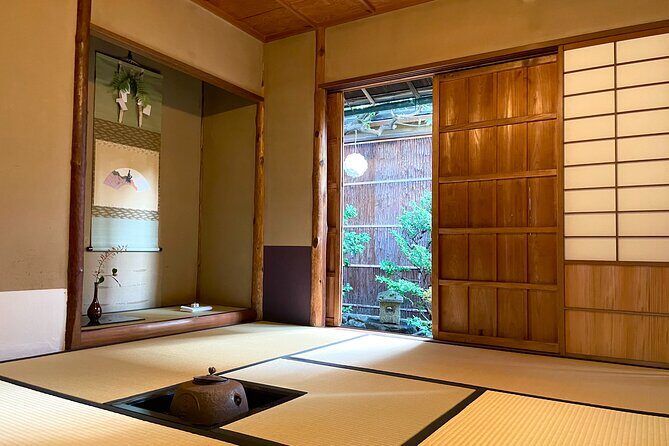
This experience is a strong fit if you want a classic Kyoto combo:
- Wearing a kimono in an old Kyoto house
- Learning the tea ceremony in a guided format
- Taking photos in a setting that feels authentic, not generic
It is also a good pick for first-timers who want structure. The house tour and the tea ceremony explanation give you enough framing to understand what you are looking at and why it matters.
It is less ideal if:
- You need lots of quiet and uninterrupted hearing to learn.
- You are sensitive to crowding in small rooms.
- You are expecting the ceremony to be long and deeply analytical.
For those situations, the private experience option is worth the extra consideration, because tea culture is all about focus and calm. When you get your own space, you can actually watch each step and absorb the explanation instead of competing with the volume of a group.
Should you book Tondaya’s tea ceremony and kimono experience?
Yes, if you want a Kyoto machiya tea ceremony with a kimono fitting and a guided look at the townhouse itself. The strongest part of the value is not just the tea. It is the full package: silk kimono, house tour time, and matcha with a sweet, all in a historic wooden townhouse setting.
Book it if:
- You would enjoy a short but structured introduction to tea ceremony
- You care about photos and want time to roam the house
- You want something more “in a real home” than “in a hall”
Consider booking private if:
- You want to see the tea process clearly
- You want fuller explanation time without crowd noise
- You are the type who learns best in quieter, slower moments
One last practical note: because you need socks and the timing is tight, plan your day so you are not rushing. And if you’re on the fence, the fact that you can cancel up to 24 hours before start time for a full refund can help you book confidently, then adjust if your schedule changes.
If you go in with the right expectations—kimono + townhouse + a timed tea ritual—you are very likely to leave with both good photos and a real sense of how tea can fit into daily Japanese life.
FAQ
How long is the tea ceremony and kimono experience at Tondaya?
It runs about 1 hour 30 minutes (maximum time is set at 1.5 hours), and the exact timing can vary depending on how crowded it is.
Is this a group tour or a private experience?
The standard experience is conducted in a group with other participants. There is also a private experience option if you prefer a quieter setting.
What is included in the price?
The experience includes the tea ceremony, the kimono experience, and the entrance fee.
What should I bring with me?
You should bring socks, since they are needed to help protect cultural assets. Socks can also be bought on site.
Are geta sandals provided?
No. Geta (traditional wooden sandals) are not included.
Do I need to do makeup or hair styling on my own?
Makeup and hair styling are not included, so you’ll want to plan your own.
Where do I meet for the experience?
You meet at Tondaya – Nishijin Japanese Cultural Experience Museum, 697 Ishiyakushichō, Kamigyo Ward, Kyoto, 602-8226, Japan, and the activity ends back at the meeting point.