REVIEW · TOKYO
Tokyo Early Morning Tour Asakusa Meiji Shrine (Private Opt)
Book on Viator →Operated by GuideMe Japan · Bookable on Viator
Tokyo wakes up fast, and so does this tour. An early start helps you see Asakusa, Tsukiji, Meiji Jingu, and Shibuya while the day is still calm, and a guide keeps you moving with solid commentary instead of map-wrangling. What I like most is the rhythm: you check off big-name sights without spending your whole trip in transit lines.
My other favorite part is the format choice. You can go fully private (up to 8 people) with an English-speaking guide, or choose a more flexible approach when available. One thing to consider: this is a 5-hour walk-and-stand plan with free sights, but food and drinks aren’t included, and there’s also a transportation cost of around 600 yen.
In This Review
- Key things to know before you go
- Why this early route works so well in Tokyo
- Asakusa first: Senso-ji and Nakamise street energy
- Tsukiji Fish Market: outer market sights and snackable culture
- Meiji Jingu: a quiet, forested reset in the middle of the day
- Shibuya Crossing: seeing the famous scramble, then finishing at Hachiko
- Private option vs self-guided flexibility: what you’re really choosing
- Price and value: why $59.46 can make sense
- Getting the most out of each stop (without overdoing it)
- Logistics that matter: meeting point, tickets, and the walk-off finish
- Should you book this Asakusa–Meiji–Tsukiji–Shibuya tour?
- FAQ
- How long is the Tokyo Early Morning Tour?
- What does the tour cost?
- What’s included in the tour price?
- Is food included?
- Do I need to pay for transportation?
- What landmarks are visited?
- Where does the tour start and end?
- Are there options for private or self-guided?
- How big is the group?
- What is the cancellation policy?
Key things to know before you go
- Early timing beats the heat and crowd crush at major landmarks
- English-speaking guide adds context at each stop, not just directions
- Small maximum group (8 travelers) keeps the pace comfortable
- All main stops have free admission, so your money goes toward time and guidance
- Meiji Jingu’s forest break is a real reset between busier areas
- Tour ends at Shibuya Station’s Hachiko, so you’re already placed for the rest of your day
Why this early route works so well in Tokyo
Tokyo landmarks can feel like two different cities depending on the hour. Morning is when the streets are readable, the photos don’t require shoulder-to-shoulder patience, and you can actually hear what people are saying near you. This tour leans into that reality by starting early and keeping the route tight.
You also get a smart mix of experiences. Asakusa gives you traditional Tokyo energy. Tsukiji brings food-obsessed street life. Meiji Jingu slows your steps with a shrine-in-the-woods feel. And Shibuya caps it with the modern chaos most first-timers want to see.
The best part for practical travelers: you don’t have to plan four separate half-days. You’re basically buying a day-structure tool, with a guide to help you connect the dots.
You can also read our reviews of more private tours in Tokyo


Asakusa first: Senso-ji and Nakamise street energy
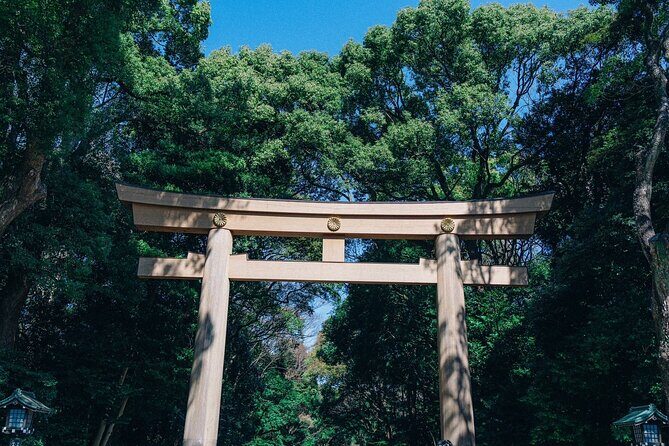
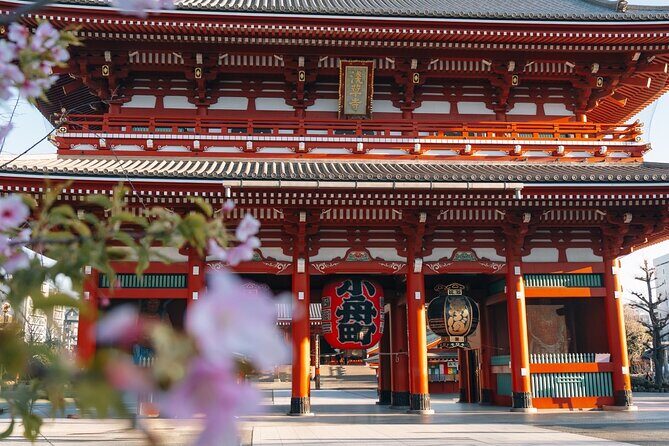
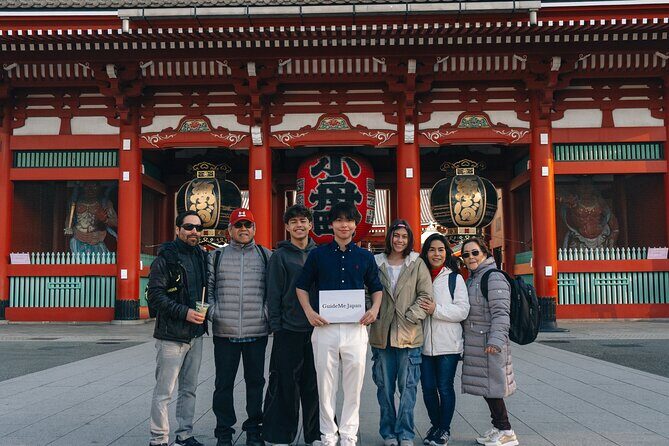
Asakusa is where many people first feel Tokyo’s old-school pull—temple bells, lanterns, and a shopping street packed with snacks and souvenirs. The tour starts here with Senso-ji, Tokyo’s best-known Buddhist temple, and you’ll spend about 1 hour in the area.
What you’ll likely enjoy most
- You get temple atmosphere when it’s still fresh, not when it’s been underfoot for hours.
- Nakamise Shopping Street is an easy win: it’s designed for wandering, and it’s a great place to spot traditional goods and quick bites.
- If you like photography, Asakusa early often gives you cleaner lines and fewer interruptions.
A possible drawback
Asakusa is a popular district. Even early, you should still expect crowds near the main temple grounds and shopping approach. Wear shoes you can stand in comfortably, because the “one-hour” feeling is often more about standing and slow walking than sitting.
Tsukiji Fish Market: outer market sights and snackable culture
Next comes Tsukiji Fish Market for about 1 hour. Even though the inner wholesale market moved to Toyosu, the outer market area is still a food-lovers’ magnet. The draw here isn’t a single museum moment; it’s the sensory overload—busy stalls, seafood smells, and a culture that treats breakfast like an event.
This stop is also where an English-speaking guide can earn their fee fast. You’ll get help understanding what you’re looking at and what’s worth tasting without turning your trip into an expensive food gamble.
How this stop tends to feel
You might come in thinking you’ll look around and leave. Then you realize there are too many tempting things to ignore, and suddenly you want more time. One guide experience described how a group could easily stay at Tsukiji longer because so much looked delicious and doable.
Watch-outs
- Food and drinks aren’t included, so budget for breakfast or snacks if you want to try things.
- If you have a tight stomach with very strong seafood smells, pace yourself. Tsukiji can be intense in the way food markets often are.
Meiji Jingu: a quiet, forested reset in the middle of the day
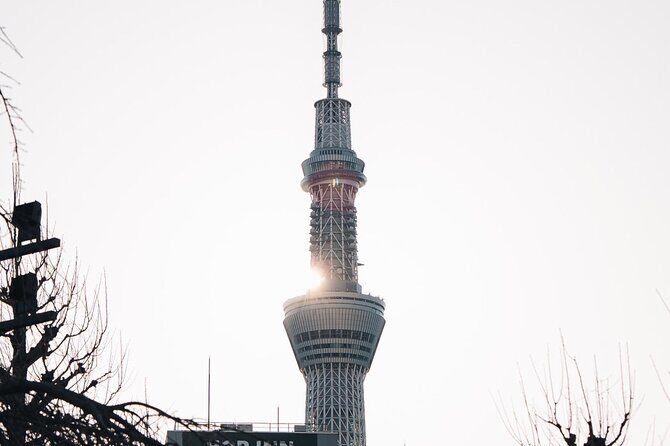
After the energy of Asakusa and Tsukiji, Meiji Jingu Shrine is the pressure-release valve. You’ll spend about 1 hour 30 minutes here, which is a generous window given how calming the grounds can be.
Meiji Jingu is dedicated to Emperor Meiji and Empress Shoken, and the whole experience is shaped by the fact that it sits in a lush, forested area. This is the part of the itinerary that makes the route feel less like a checklist and more like a balanced day.
Why you’ll be glad this stop is in the itinerary
- It breaks the “crowds on repeat” pattern you can get when you rush through Tokyo sights.
- The shrine grounds encourage slower walking and a lighter pace, so you recharge before Shibuya.
- It’s a chance to experience Shinto space in a way that feels less rushed than many city stops.
Possible drawback
Because this segment is calmer, it can tempt you to linger. That’s great if you want quiet time, but it may reduce the time you have left for browsing or photos later at Shibuya.
Shibuya Crossing: seeing the famous scramble, then finishing at Hachiko
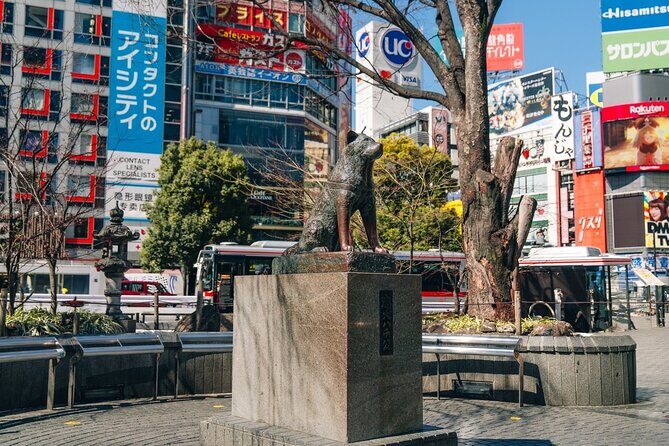
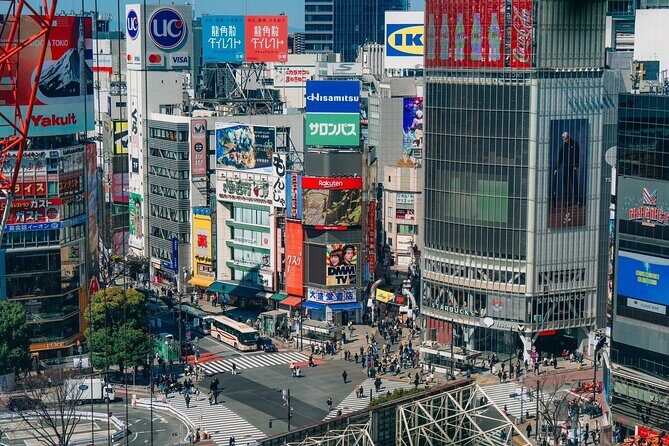
The final stop is Shibuya Crossing for about 30 minutes. This is where Tokyo’s modern crowd choreography goes live: pedestrians flow in multiple directions and then get absorbed into the signal cycle outside Shibuya Station.
You’re not here long on purpose. If you spend too much time on the crossing itself, it turns into standing in a moving river. Instead, you get the iconic view and then you’re set up to keep exploring.
The smart ending
The tour ends at the Hachiko Statue, right outside Shibuya Station. That’s convenient because:
- You’re already at one of Tokyo’s easiest transit hubs to navigate next.
- Hachiko’s story is part of the city’s modern identity, not just a photo spot.
- You can easily hop to dinner plans or your next neighborhood from there.
A few more Tokyo tours and experiences worth a look

Private option vs self-guided flexibility: what you’re really choosing
The experience offers flexible options, including private and self-guided choices when available. Here’s how to decide based on what you want from the day.
Choose private if:
- You want commentary through the whole route, not just quick directions.
- You’re traveling with kids, teens, or anyone who appreciates explanations and pacing.
- You’d like help with practical Tokyo navigation in real time. One guide story described assisting a family on an early day and even helping them get comfortable with riding the train.
Choose self-guided if:
- You already know the basics of where you’re going and you just want the early timing.
- You’re comfortable reading signage and using mobile maps without a live guide.
- You want more freedom to linger at one stop and move on slower.
Either way, you’re still buying into the core value: an efficient route that hits the big names before crowds thicken and morning energy fades.
Price and value: why $59.46 can make sense
At $59.46 per person for a tour that runs about 5 hours, the price is less about paying for entrance tickets (all the main sights listed are free) and more about paying for:
- a planned route,
- early timing,
- and an English-speaking guide who adds context as you walk.
It also helps that the tour limits group size to a maximum of 8 travelers, which usually keeps things from feeling like a hurried cattle line. That’s not guaranteed anywhere, but the cap matters.
Two costs to plan for:
- Food and drinks aren’t included. If you want Tsukiji breakfast or Asakusa snacks, you’ll pay out of pocket.
- There’s a transportation fee around 600 yen not included.
If you’re someone who hates wasting vacation time figuring out train transfers, this route can be a strong value because it does that thinking for you.
Getting the most out of each stop (without overdoing it)
This itinerary is structured, but your comfort still depends on how you handle the walking.
A moderate physical fitness level is recommended, so I’d plan for:
- steady walking on sidewalks and through station areas,
- time spent standing around viewpoints and temple approaches,
- and a “legs first” schedule where rest comes in short bursts.
Practical mindset: treat the tour as a guided framework. You can still make it personal with small choices:
- If you’re shopping in Asakusa, do it early in your window there so you’re not rushing later.
- If you’re hungry at Tsukiji, choose one or two items you truly want and don’t try to sample everything.
- If you want photos at Meiji Jingu, take them while you still have room in your eyes for quiet details, not only crowd shots.
Also, expect the guide’s style to matter. Two guide name examples from the experience show up in how groups describe their day: Hana Tanaka and Kouta. In one described dynamic, Kouta connected well even with teenage boys, and in another, Hana helped a family get oriented on trains and made the whole day feel like a local friend was pacing the schedule.
Logistics that matter: meeting point, tickets, and the walk-off finish
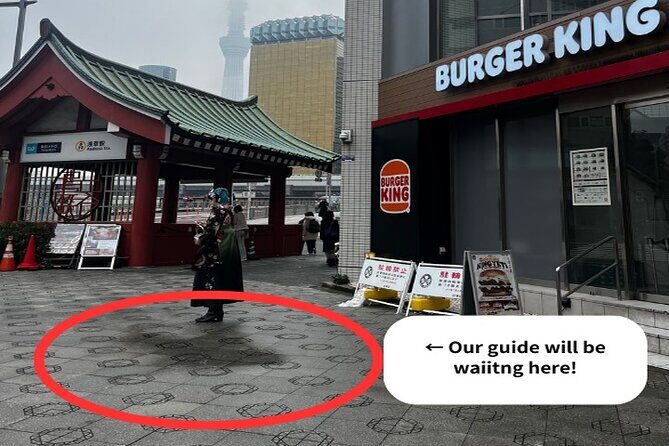
Meeting is at Burger King Asakusa Azumabashi in Taito City (Kaminarimon area). Ending is at the Hachiko Statue in Shibuya, right by Shibuya Station.
That start-to-finish structure is useful because it naturally takes you from “traditional Tokyo” to “modern Tokyo” without backtracking.
You’ll also get a mobile ticket, which helps on a route that moves you through multiple neighborhoods. And since the meeting point is near public transportation, you won’t need a complicated taxi plan just to get started.
Should you book this Asakusa–Meiji–Tsukiji–Shibuya tour?
Book it if you want an efficient first-day-or-first-week Tokyo hit that doesn’t feel frantic. It’s especially worth it when:
- you want the big landmarks without afternoon crowds,
- you like having an English guide explain what you’re seeing,
- and you want to end in a transit-friendly spot like Shibuya.
Skip or reconsider if:
- you hate markets and strong food smells,
- you prefer slower, less structured sightseeing,
- or you’d rather spend more time deep-diving into one neighborhood than sampling several.
My take: this works best as a “shape your Tokyo” tour. It gives you enough context to explore on your own afterward, with less guesswork and less time wasted.
FAQ
How long is the Tokyo Early Morning Tour?
The duration is listed as about 5 hours.
What does the tour cost?
The price is $59.46 per person.
What’s included in the tour price?
An English-speaking guide is included. Admission tickets for the listed stops are free, and a mobile ticket is provided.
Is food included?
No. Food and drinks are not included.
Do I need to pay for transportation?
Yes. A transportation fee of around 600 yen is not included.
What landmarks are visited?
The route includes Asakusa, Tsukiji Fish Market, Meiji Jingu Shrine, and Shibuya Crossing, with the tour ending at the Hachiko Statue.
Where does the tour start and end?
It starts at Burger King Asakusa Azumabashi (in the Kaminarimon area) and ends at the Hachiko Statue near Shibuya Station.
Are there options for private or self-guided?
Yes. You can choose from private and self-guided options when available.
How big is the group?
The tour has a maximum of 8 travelers.
What is the cancellation policy?
Free cancellation is available. You can cancel up to 24 hours in advance for a full refund.