Osaka at night has a secret edge. This small-group tour walks you through Tobita Yukaku and then turns into an izakaya-food mission in Shinsekai. It’s a different Osaka story: part etiquette lesson, part retro neighborhood stroll, part meal plan that keeps you moving.
What I like most is the way it ties street-level sights to real context, so you’re not just staring at buildings and signs. I also love the practical payoff of the two izakaya stops, where you eat local favorites with less language friction than doing it alone. One thing to consider up front: the subject matter is adult and can include sexual topics, so if that’s not your cup of tea, skip it.
In This Review
- Key Points Before You Go
- A Night Tour Built Around Respect and Real Context
- Tobita Yukaku: Why This District Still Exists and How You’ll Be Expected to Act
- Osaka Etiquette in Practice: What Walking Through the District Feels Like
- Shinsekai and Luna Park: The Old Theme Park Energy That Feels Like a Local Hangout
- Two Izakaya Stops: Exactly How the Food Portion Works
- What you should do before you show up
- Guide Style: Small Group Size and English Hosting That Actually Helps
- Price and Value: What Your $45 Actually Buys
- Who Should Book This Tour (and Who Should Skip)
- Where You’ll Meet and How the Evening Flows
- Should You Book Hidden Osaka: My Quick Decision Guide
- FAQ
- How long is the Hidden Osaka tour?
- What does the $45 price include?
- Where do I meet for the tour?
- Is the tour only for English speakers?
- Is food and drink included, or do I pay separately?
- Is this tour suitable for vegans?
- How big is the group?
- Can I cancel if my plans change?
Key Points Before You Go
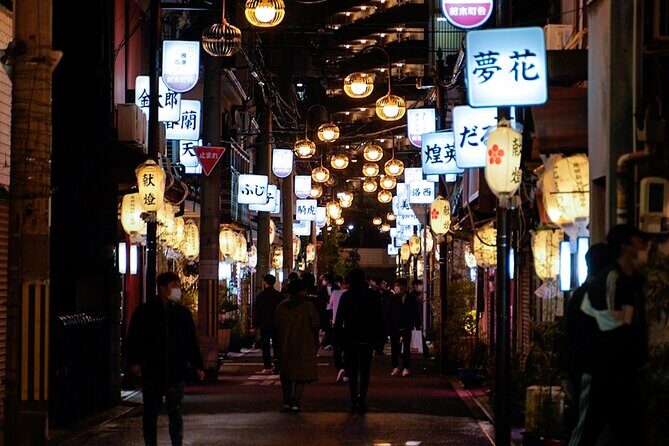
- Tobita Yukaku is framed as Japan’s last of its kind, with an emphasis on why it matters now
- Shinsekai and Luna Park feel like retro Osaka, not a theme park for tourists
- Two izakaya restaurants mean you get variety, not just one meal
- Small group (max 7) helps the guide manage pace and respect in a sensitive area
- Food and drinks cost extra and are split; you’ll typically budget around ¥4000
A Night Tour Built Around Respect and Real Context
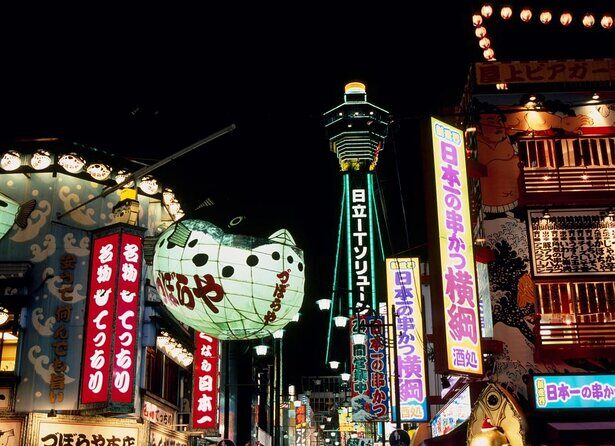
This isn’t a party crawl. It’s an after-dark walk that explains what you’re seeing and how to act like a visitor who understands the stakes for local people. The tour’s whole tone is clear: you’re there to observe, ask questions, and learn, not to treat the district like a show.
You also get a guided path through Osaka that feels way more intentional than wandering on your own. Instead of bouncing between train stops, you’re guided from Tobita Yukaku to Shinsekai, with stops chosen for how well they fit the story and the food.
If you’ve ever felt unsure about where to go for nightlife food, this tour solves that. Two izakaya meals mean you don’t have to guess what’s normal to order, what’s safe to try, or how to get through a menu without awkward pauses.
You can also read our reviews of more tours and experiences in Osaka.
Tobita Yukaku: Why This District Still Exists and How You’ll Be Expected to Act
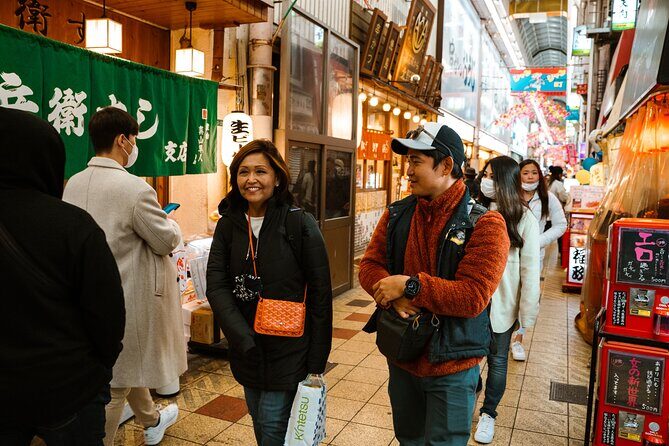
The star of the evening is Tobita Yukaku, a red light district in Osaka that the tour frames as the last of its kind across Japan. That framing matters because it changes the vibe from shock value to something more human. You’ll hear why the area developed, what it represents, and why it’s still here.
The guide also sets ground rules for respectful behavior. You’re walking in a neighborhood that’s still lived-in, and the tour makes it clear that the guide’s instructions matter. The group stays small so the pace doesn’t get messy, and you’ll be asked to behave properly around residents and businesses.
You should know the tour is not shy about adult themes. That doesn’t mean it’s crude, but it does mean the explanation of how the district works can include sexual content. One guest summed it up as needing to be comfortable with some sexualized discussion because it’s part of understanding purpose, not just gossip.
Osaka Etiquette in Practice: What Walking Through the District Feels Like
Walking through Tobita Yukaku with a guide gives you something you can’t easily get alone: permission to ask. When you’re in Japan, it’s easy to feel like your questions are intrusive. Here, the guide gives context first, then you get a framework for what’s appropriate to look at and how to move through streets without becoming a disruption.
You’ll also likely notice how the guide times what you see. You’re not just dropped into a photo spot. Instead, you get explanations tied to the district’s history and current reality, which makes the streets feel less like a spectacle and more like a living neighborhood.
In the comments from past guests, one theme comes up again and again: the guide’s energy and tone help people feel comfortable. Names like Haruki, Leo, and Rui show up in different bookings, and the consistent thread is that the guide makes it feel like a guided evening, not a dare. That matters because you’re dealing with a sensitive subject.
Practical note: plan to walk and stand for the full stretch. The total duration is 210 minutes, and most of that time is on your feet moving between sights and food stops.
Shinsekai and Luna Park: The Old Theme Park Energy That Feels Like a Local Hangout
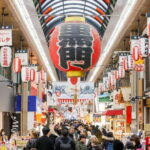
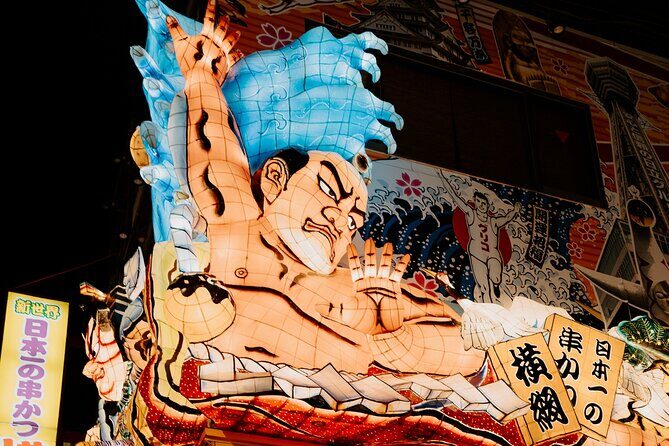
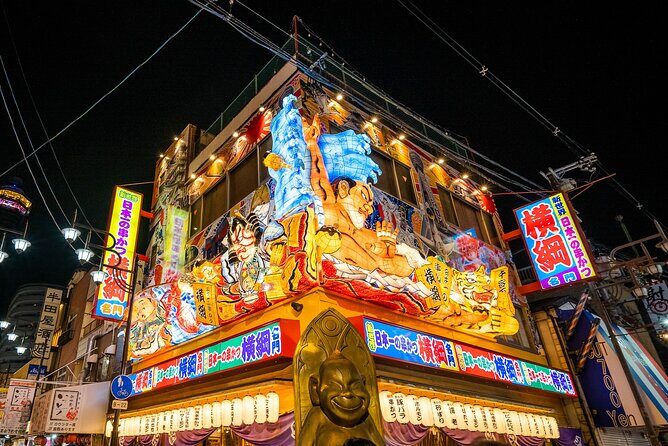
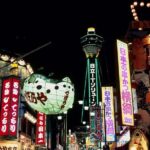
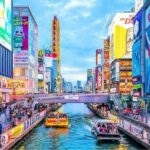
After Tobita Yukaku, the mood shifts. Shinsekai is where the tour turns retro, noisy, and fun in a more everyday way. This is the Osaka of photo-worthy street corners and snack culture, not a single museum exhibit.
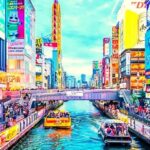
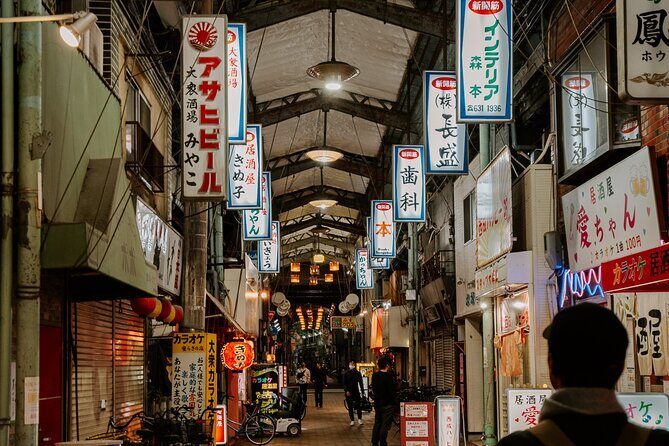
You’ll explore Shinsekai Entertainment District, including Luna Park, which the tour presents as an old theme park turned local hangout spot. Even if you’ve seen Osaka from the big-name viewpoints, Shinsekai has a different rhythm. It feels like a place people return to for atmosphere, quick food, and a late-evening stroll.
The guide usefully reframes what you’re seeing here too. Instead of treating Shinsekai like scenery, you’ll learn how neighborhoods like this fit into Osaka’s personality—what people do for fun and how the area keeps moving even when the outside world changes.
This is also where the group vibe often loosens. Several guests describe their night as feeling like a night out with friends, helped by the guide’s humor and interactive style. That doesn’t erase the earlier respect-focused tone; it just makes the second half feel lighter and more human.
Two Izakaya Stops: Exactly How the Food Portion Works
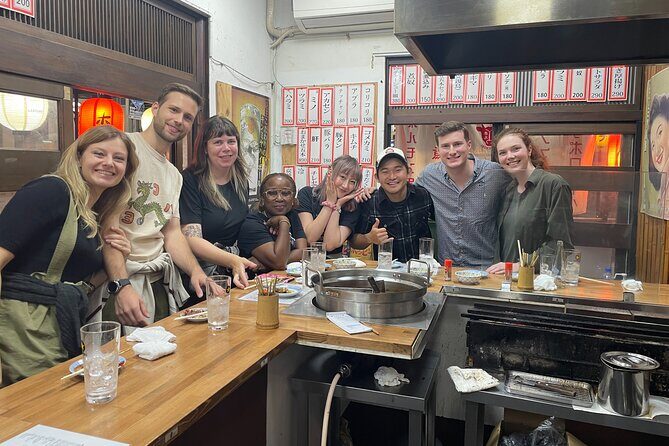
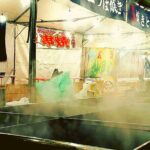
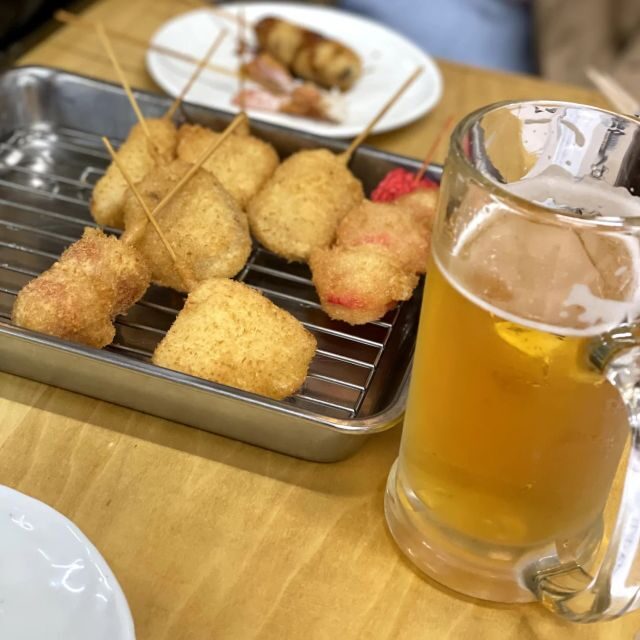
Here’s the biggest practical value: you don’t just “eat something.” You eat a guided selection at two izakaya restaurants, which helps you experience more of Osaka’s casual dining culture in one evening. Izakaya hopping also reduces decision fatigue. You’re shown what to order, and you get drink pairings that make sense with the food.
The tour also tells you it’s 50% a food tour, so come prepared. You’ll want to arrive hungry and ready to try things you might not pick on your own. Past guests mention trying unfamiliar items and feeling grateful that the guide pushed them beyond their comfort zone.
A key budget detail: the food and drinks bill is split among guests. The tour price covers the tour itself and guide service, not what you eat and drink. On average, guests budget around ¥4000 for izakaya spending, so think of that as part of the real trip cost.
Also note a restriction: the tour is not suitable for vegans. If you have other dietary needs, you should let the organizers know ahead of time so the guide can manage choices responsibly.

What you should do before you show up
- Eat nothing heavy beforehand, since the main purpose is the izakaya portion
- Be open to bold, adventurous dishes
- If adult topics might make you uncomfortable, mentally check that before booking
Guide Style: Small Group Size and English Hosting That Actually Helps
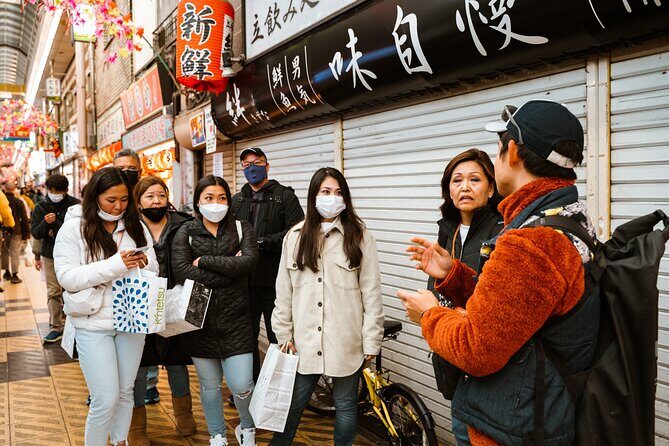
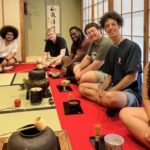
You’ll tour with a live guide in English in a small group capped at 7. That combination matters more than it sounds. In a district with rules and etiquette, too many people can become a problem fast. A small group keeps the walk smoother, and it gives the guide room to check in with everyone.
The past bookings also show a pattern: the guide isn’t just handing out facts. They’re animated, funny, and responsive. Names like Leo, Rui, and Haruki come up often, and guests describe them as entertaining storytellers who also answer questions in a considerate way.
If you’re solo, that’s especially good news. A lot of food-and-walk tours can feel awkward because you’re constantly pairing strangers and searching for common ground. Here, the format encourages conversation naturally because you’re moving through sights and eating in shared rhythm.
Language hassles are also addressed directly. The group is supported by Japanese organizers who are fluent in multiple languages, and you’ll be traveling with an English guide. In practice, that means you’re less likely to get stuck on menus or etiquette.
Price and Value: What Your $45 Actually Buys
At $45 per person, you’re paying for the guided experience: the walks, the explanations, and the coordination of two izakaya stops. You’re not paying for your meal and drinks. That separation is important for value math.
Then you add the real variable cost: izakaya spending, split among guests. With an average spend around ¥4000, you’ll want to plan your budget like this:
- $45 for the tour
- ¥4000-ish for food and drinks during the two restaurant stops
That can still be good value because the guide is doing the work you’d otherwise pay for in time and uncertainty. If you tried to copy this yourself, you’d spend extra effort figuring out where to go, what’s orderable, and how to navigate the district respectfully.
The tour also includes Shinsekai sightseeing plus the red light district context, which makes the meal portion feel like it fits the story rather than being a random added bonus.
Who Should Book This Tour (and Who Should Skip)
This works best for you if you want a behind-the-scenes Osaka experience and you’re comfortable with adult-themed explanations. If you enjoy history and local culture, you’ll likely appreciate how the tour frames Tobita Yukaku as part of Japan’s social reality rather than a sensational side quest.
It also suits you if you’re a foodie who likes eating with guidance. Two izakaya stops means you get a fuller spread, and the drink pairings help you understand the flavor logic instead of just eating whatever looks safe.
It’s not suitable if you’re vegan, since the tour is explicitly not designed for that dietary style. And if sexual topics will make you uncomfortable, don’t force it. The tour is respectful, but it still tackles adult subject matter as part of understanding the district’s purpose.
One more practical match check: you should be fine walking and standing for about three hours of total active time. This is not a sit-and-watch experience.
Where You’ll Meet and How the Evening Flows
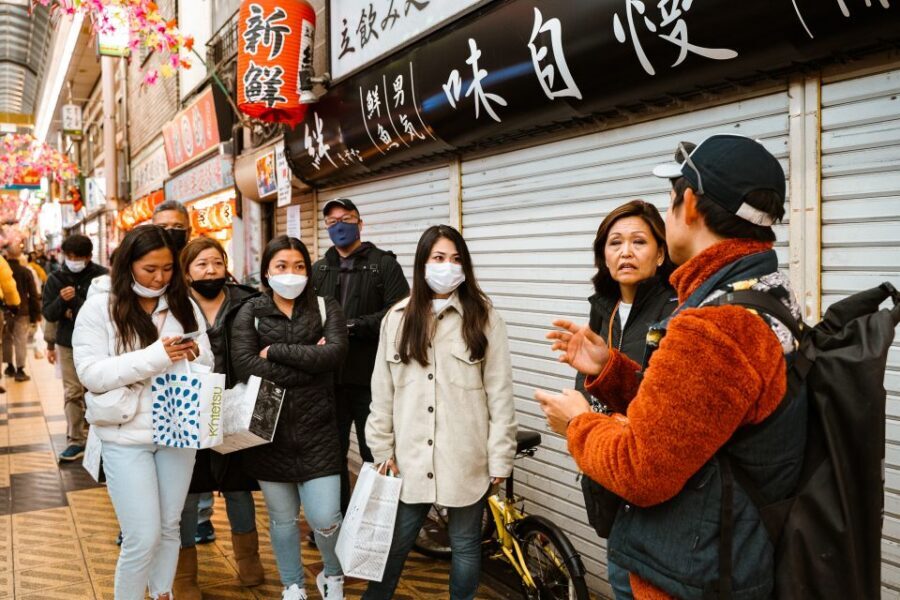
You’ll meet at Doubutsuen-mae Station Exit 2 on the Osaka Metro line or at Cafe Causerie. That dual meeting setup is handy if you approach by different train routes.
The tour lasts 210 minutes, and you’ll finish with the same evening momentum you started with: the night ends after the izakaya portion, and based on past guest feedback, it may wrap up around the subway station area rather than turning into an extra bar stop. If you want a longer night, ask your guide for a simple next-step plan once you’ve eaten.
Should You Book Hidden Osaka: My Quick Decision Guide
Book this tour if you want Osaka with context, not just photos—especially if you’re excited to walk through Tobita Yukaku with clear guidance and then eat your way through two izakaya stops in Shinsekai. The small group size and English hosting make it feel manageable, even though the topic is adult-themed.
Skip it if you’re vegan, or if sexual content will make you tense. Also skip if you hate walking for a solid chunk of time; you’re on your feet for most of the evening.
If you’re on the fence, think of it like this: you’re paying for direction. For $45, you’re buying a route, a guide, and restaurant access. Your extra budget is the meal and drinks split, with an average around ¥4000. If that lines up with your travel style, it’s a strong way to spend an Osaka night.
FAQ
How long is the Hidden Osaka tour?
The tour duration is 210 minutes.
What does the $45 price include?
It includes the Yukaku Red Light District exploration, Shinsekai Entertainment District exploration, and the local food tour at 2 izakaya restaurants. Food and drinks are not included in the tour price.
Where do I meet for the tour?
You’ll meet at Doubutsuen-mae Station Exit 2 on the Osaka Metro line or at Cafe Causerie.
Is the tour only for English speakers?
The tour is offered in English with a live tour guide.
Is food and drink included, or do I pay separately?
Food and drinks are not included in the tour price. The food and drinks bill is split among guests, and the average spending at izakaya is about ¥4000.
Is this tour suitable for vegans?
No. The tour is not suitable for vegans.
How big is the group?
The tour is a small group limited to 7 participants.
Can I cancel if my plans change?
Yes. There is free cancellation up to 24 hours in advance for a full refund, and you can reserve now and pay later.