REVIEW · SENDAI
Sendai / Matsushima Half-Day Private Tour with Government-Licensed Guide
Book on Viator →Operated by Japan Guide Agency · Bookable on Viator
Two cities in one tidy half day. This private Sendai-and-Matsushima tour works well when you want big sights fast, because you pick 2-3 stops from a menu ranging from Date Masamune sites to Matsushima’s temple islands. I especially like the custom route shaped around what you care about, and I like how guides such as Yumi and Riko explain the stories behind the places in a way that actually sticks. The main catch: entry fees, food, and local transport cost extra, so you should budget a little on top of the tour price.
You also walk your day instead of hopping around by bus. The payoff is a smoother pace and easier photo stops, but it’s not the choice if you hate steps and short distances—think steady walking, not a couch-on-wheels day. If you’re flexible, it’s a great way to get oriented quickly in Tohoku without wasting hours on places you’ll skip anyway.
In This Review
- Key highlights worth planning around
- A private 4-hour Sendai and Matsushima plan that respects your time
- Price and logistics: what you’re really paying for
- Zuihoden and Sendai Castle Ruins: the Date Masamune starting point
- SS30 viewpoints and the Museum of the Forest of Depths: see and understand
- Kirin Beer Sendai Factory: a fun add-on with one important rule
- Matsushima Bay: choosing your temple-and-island highlights
- Zuiganji and the gilded doors effect
- Entsu-in and the Date mausoleum connection
- Kanrantei tea house: the “Kyoto link” moment
- Godaido: the small hall that became a symbol
- Fukuura Island with the 252-meter red bridge
- Oshima: free bridge access and short stroll energy
- Shiogama and nearby stops: another slice of Miyagi
- How to get the most from your guide and your half day
- Should you book this Sendai and Matsushima half-day private tour?
- FAQ
- How long is the half-day private tour?
- Is this a private tour?
- Can I choose which sights to visit?
- Is pickup included?
- Are entrance tickets included in the price?
- Are transportation fees included?
- Do I need to reserve for the Kirin Beer Sendai Factory visit?
- Is free cancellation available?
Key highlights worth planning around
- Licensed English guidance with a tailored plan based on your interests and time.
- Pick only 2-3 sites, so your half day doesn’t get chopped up by “maybe we should go.”
- Matsushima’s temple-island cluster is a natural best-of playlist: Zuiganji, Entsu-in, Kanrantei, Godaido, and island strolls.
- Fukuura Island access via a long red bridge (and yes, it’s a paid bridge crossing).
- Food-friendly momentum, since guides have been known to fold in requested treats like ramen and taiyaki.
- Mix-and-match culture themes, from samurai-era sites to Zen temples and a stone-age museum stop.
A private 4-hour Sendai and Matsushima plan that respects your time
This is the right tour shape for travelers with a half day and strong opinions. Instead of forcing a one-size itinerary, you choose a small set of stops—usually 2-3—so you’re not paying for time you don’t want.
That matters more than it sounds. Sendai and Matsushima are both worth attention, but trying to do everything can turn the day into a checklist sprint. Here, the guide can tighten the loop. You’ll get context while you’re actually standing in front of the site, not after you’ve already moved on.
If you want a classic samurai-meets-scenery combo, you can pair Sendai landmarks like Zuihoden and the castle ruins with Matsushima icons like Zuiganji and a viewpoint. If you’d rather go temple-forward, you can lean into Matsushima’s Zen spaces and the tea house. And if your curiosity runs toward museums and daily-life history, you can swap in options like the Tohoku History Museum or the Forest of Depths of the Earth museum.
You can also read our reviews of more guided tours in Sendai
Price and logistics: what you’re really paying for
At about $108.38 per person for roughly 4 hours, you’re buying three things: private pacing, licensed local guidance, and a customized route. Those are the hard-to-copy parts.
What’s not included is also clear. You’ll pay for things like:
- Entrance fees
- Food
- Local transportation
- Other personal expenses
There’s no “magic free” day here. But if you’re the type who hates wandering and rechecking directions, this can feel cost-effective—because the guide prevents wasted time. Also, because it’s private, you can move at a pace that fits your group (slow photos, longer stops where you care, shorter pauses where you don’t).
One more logistics point that affects your comfort: this is a walking tour. Even when pickup is offered, the pickup is on foot, and you meet the guide within a designated area of Sendai using public-transport-friendly locations.
Zuihoden and Sendai Castle Ruins: the Date Masamune starting point
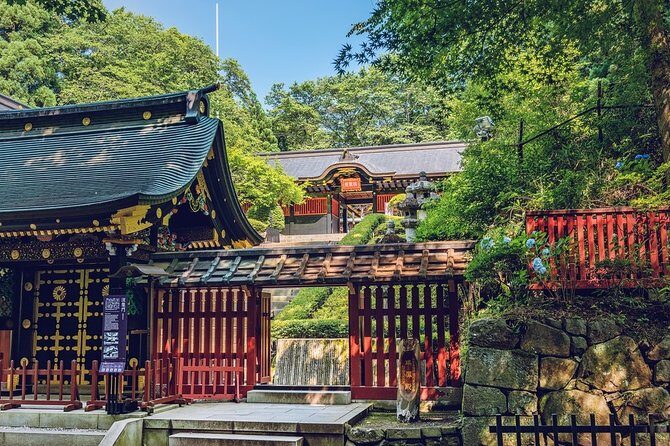
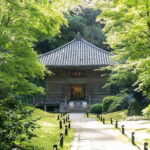
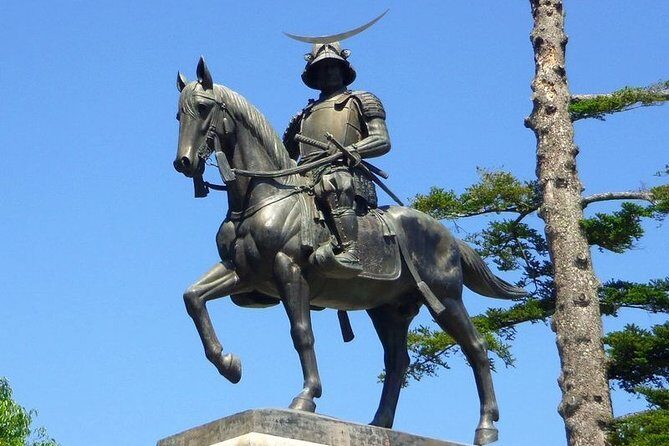
If your guide chooses Zuihoden, you’re stepping into the world of Date Masamune, the first lord of the Sendai Domain. Zuihoden functions as a mausoleum, but it also carries that Date legacy through the building’s design and stature—an anchor point for understanding why Sendai has its particular identity.
The best part of a stop like this isn’t just seeing the site. It’s getting a simple storyline: who the Dates were, why they mattered, and how their influence shaped the region. In the same vein, Sendai Castle ruins are a fast way to connect the city to legend and literature—there’s a famous poem association tied to the ruins’ now-desolate look. Even if you already know the outline of samurai history, the guide’s framing makes the ruins feel less like a leftover and more like a living setting for stories.
If you’re short on time, pairing Zuihoden with the castle area is a strong move because it gives you a samurai-era backbone. You’ll recognize more details later when you switch gears toward Zen temples and coastal scenery.
Potential drawback: if you’re not into feudal history at all, you might find these stops feel more explanatory than visually dramatic. In that case, tell your guide early that you want scenery or temples as the main course.
SS30 viewpoints and the Museum of the Forest of Depths: see and understand
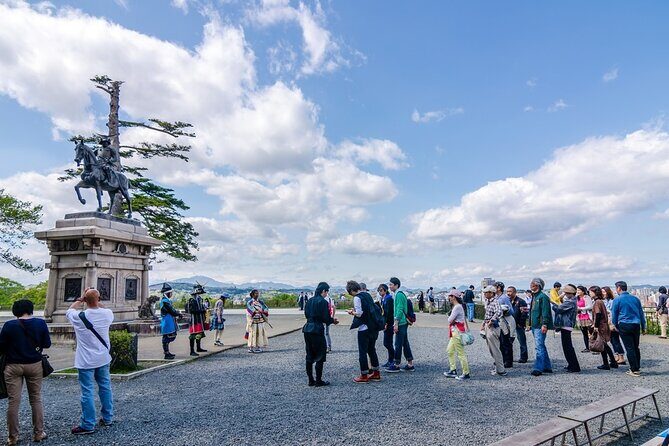
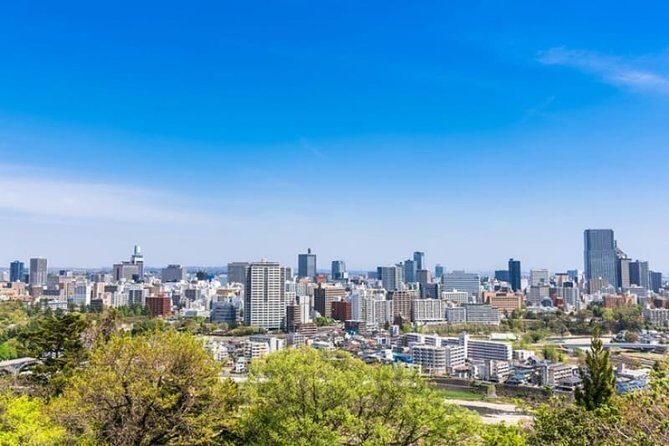
For an orientation boost, you can choose SS30 Observation Lounge. The building is an office block, and that changes the vibe: it’s not a classic sightseeing tower you’d expect to linger in for hours. But it’s still a useful way to get your bearings—useful if you’re trying to visualize where Sendai’s major districts sit.
The Museum of the Forest of Depths of the Earth is for when you want the day to go beyond samurai and Zen. This museum focuses on the stone-age story of Japan, including how the Saki Stone Age might have looked in earlier times. If you like museums that explain how people lived before the country became what you see in guidebooks, this stop gives your day a different tempo.
Why this works in a half day: it breaks the emotional pattern. Temples and castles pull you into spiritual and historic atmosphere. A stone-age museum resets your brain and gives you a broader time scale.
Possible drawback: museum time can feel less “photo-friendly” than temples and bays. If your main goal is scenic images, consider keeping this as a secondary choice or swapping it out for a coastal stop.
Kirin Beer Sendai Factory: a fun add-on with one important rule
If your group enjoys breweries or you’re curious about Japanese production methods, Kirin Beer Sendai Factory can be an enjoyable cultural detour. It’s built around how Kirin approaches its production and how that ties to the taste of their Ichiban line.
Here’s the only scheduling snag you need to know: you must make a reservation in advance. This is the kind of detail that can make-or-break a smooth half day. If you think you’d like this stop, ask your guide about timing early and commit to the planning.
Best-fit vibe: this is a light, approachable stop that feels different from temple and shrine sightseeing. It can also add a social tone—great if you want a less solemn moment in the middle of the day.
You can also read our reviews of more private tours in Sendai

Matsushima Bay: choosing your temple-and-island highlights
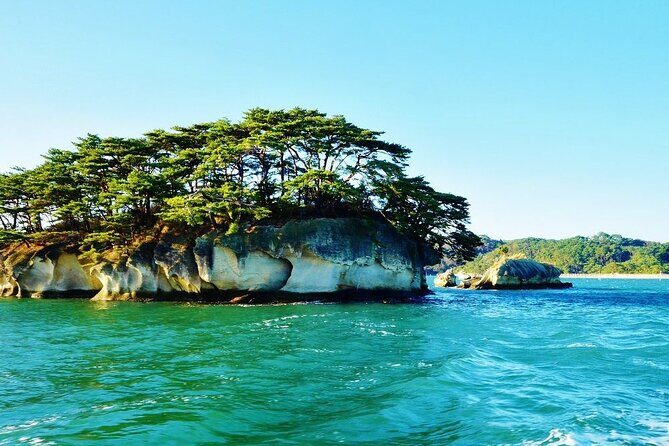
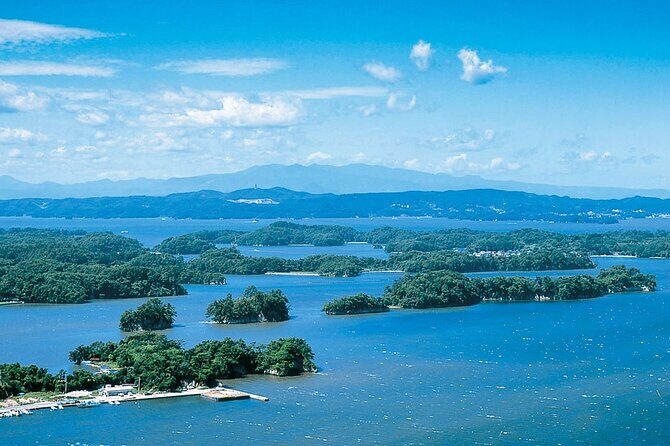
Matsushima is one of those places where “scenic” actually means something specific: pine-covered islets scattered through the bay, with temples and halls built right into the coastal setting. It’s famous for being one of Japan’s three most scenic views for centuries, and your guide can help you see what people mean, instead of just driving past it.
You might not do every Matsushima stop in a half day, but you can still build a satisfying route by choosing your flavor.
Zuiganji and the gilded doors effect
Zuiganji is one of the Tohoku region’s most prominent Zen temples. The big visual hook is the beautifully gilded and painted sliding doors (fusuma). Even when you don’t have the language for every detail, the craftsmanship has a way of teaching you what to notice—color, proportion, and the feel of painted surfaces.
In a private tour setting, this is where a good guide matters. They can point out what you’re looking at and connect it to the temple’s historical roots (it was founded in 828).
Entsu-in and the Date mausoleum connection
Entsu-in Temple, built in 1647 next to Zuiganji, was set up to house the mausoleum of Date Mitsumune, the son of Date Terumune. This is a temple stop that blends Zen atmosphere with clan legacy.
If you like seeing how power and religion intersect in everyday landscapes, this is a meaningful pairing with Zuiganji. You’re not just doing two similar stops—you’re adding another layer of the region’s family story.
Kanrantei tea house: the “Kyoto link” moment
Kanrantei is a Momoyama-style tea house originally built in Kyoto by Toyotomi Hideyoshi, later given to Date Masamune. Eventually it moved to its current location overlooking Matsushima Bay.
This is a great stop when you want a bridge between political history and everyday culture—tea, architecture, and the act of hosting.
Practical consideration: tea houses can involve moments where you’re waiting to enter or move between viewpoints. If your half-day schedule is tight, your guide should manage pacing so you don’t feel rushed.
Godaido: the small hall that became a symbol
Godaido is a small temple hall on an islet right by the pier. It’s famous in Matsushima because of its prominent location. This is the kind of stop that’s almost “brief but memorable”—ideal if you want iconic scenery without taking up your whole day.
Fukuura Island with the 252-meter red bridge
Fukuura Island (福浦島) is one of the few pine-covered islands in Matsushima Bay that’s accessible to the public. You reach it via a 252-meter-long red painted bridge. The bridge crossing costs 200 yen.
This stop is worth considering because it turns you from viewer into walker. You’ll get a short island experience, and the paid bridge element helps ensure the route is intentional rather than chaotic.
Oshima: free bridge access and short stroll energy
Oshima is another pine-tree-covered island close to the pier, connected by a short bridge for free. This makes it a low-cost way to add a bit of walking and a different angle of the bay.
If you’re choosing only a couple Matsushima stops, here’s a helpful strategy: prioritize the temple that matches your mood (Zuiganji and its doors for aesthetics, Entsu-in for family legacy, Kanrantei for tea-culture architecture) and then add one island walk (Fukuura or Oshima) if time allows.
Shiogama and nearby stops: another slice of Miyagi
If your guide builds in Shiogama, you’ll see a quieter side of the region than the Matsushima spotlight. Shiogama Jinja is a Shinto shrine with roots going back to the ninth century. Fifteen of its buildings have been designated Important Cultural Properties, so it’s the kind of place where details matter.
Right after, Shiogama City Fish Market can add a practical sensory jolt. The market building is box-shaped and sits in its current location since 1965, with a history dating back 50 years. It has over 100 seafood stalls focused on fresh fish and other seafood you can watch being sold.
This combination works well because it balances spirituality with daily life. If you’re coming to Tohoku expecting scenery and want at least one stop that feels grounded in how people actually eat and trade, this is a solid choice.
You can also encounter other Sendai-area religion and history stops, such as:
- Osaki Hachiman Shrine: Momoyama-style architecture with intricate wood carvings and vivid lacquer, built by Date Masamune in 1607.
- Mitakisan Fudoin: founded in 1865 by nun Kato Tane to pray for healing eye diseases, enshrining Fudo Myo-o, a deity believed to protect eyesight.
- Sendai City Museum: located in the Sannomaru enclosure on the site of Sendai castle remains, focused on materials tied to the Date clan.
- Tohoku History Museum (in Tagajō): covers the region’s history from the Paleolithic era to modern times, with main hall exhibitions divided by period.
The best advice: pick one “religious architecture” stop and one “explain the past” stop, rather than stacking only temples or only museums. That keeps the day varied without turning it into a random grab bag.
How to get the most from your guide and your half day
A good private guide does more than read facts. In this kind of tour, the biggest win is that you can steer the day.
Here are the practical moves I’d make before you go:
- Tell your guide your priorities in plain terms: temples, views, food, history, or museum time.
- If food matters, ask about light options that fit the route. Guides have handled requests for treats like ramen and taiyaki in past experiences.
- If you want Kirin Beer Sendai Factory, plan around the required reservation in advance.
- Be ready for a walking day. Wear shoes you can keep on for a few hours, not just “nice” shoes.
Also, decide how you want Matsushima to feel. If you want a calmer, slower mood, focus on Zuiganji + Entsu-in + one tea or island stop. If you want more movement and photos, prioritize views plus Godaido and add an island walk like Oshima.
Finally, book early if you can. This tour is commonly booked about 35 days in advance, and private timing is easier when you secure your preferred slot.
Should you book this Sendai and Matsushima half-day private tour?
Yes, if you match the vibe: you want a private, guide-led half day, and you want control over what you see. It’s especially worth booking if you’re doing Sendai + Matsushima but don’t have time to plan a complicated loop.
Book it when you:
- Want a tailored plan with licensed English guidance
- Like Japanese temples and historic sites, but also want options
- Prefer spending time at fewer places that you truly care about
- Appreciate a guide who can adapt to your interests (I’ve seen guides like Yumi and Bob adjust well to what their guests asked for)
Consider another option if you:
- Hate walking and want mostly vehicle sightseeing
- Expect all entrance fees and meals to be included (they’re not)
If you want the simplest equation, it’s this: pay for private time, use your 2-3 choices wisely, and you’ll come away with a coherent Sendai-to-Matsushima story instead of a rushed photo scramble.
FAQ
How long is the half-day private tour?
It runs about 4 hours.
Is this a private tour?
Yes. It’s private, and only your group participates.
Can I choose which sights to visit?
Yes. You can customize the tour by selecting 2-3 sites from the options provided.
Is pickup included?
Pickup is offered, but the tour is described as a walking tour, with pickup on foot. You meet the guide within a designated area in Sendai.
Are entrance tickets included in the price?
Entry tickets are not included.
Are transportation fees included?
No. Transportation fees are not included, and private transportation is also not included.
Do I need to reserve for the Kirin Beer Sendai Factory visit?
Yes. The Kirin Beer Sendai Factory stop requires a reservation in advance, and you should ask your guide.
Is free cancellation available?
Yes. You can cancel up to 24 hours in advance for a full refund.