REVIEW · OSAKA
Osaka: Traditional Tea Ceremony Experience
Book on GetYourGuide →Operated by B.B.Advisors Inc. AN OSAKA · Bookable on GetYourGuide
Matcha tastes better when you grind it. This quick Osaka tea ceremony has you making single-origin matcha and sipping it the same day, not just watching from the sidelines.
I also love the laid-back pace. You get a short lecture, a matcha grinding demo, and Japanese sweets called Ohigashi—all for about $7 and just 30 minutes of your time. One thing to plan around: there’s no elevator, so you’ll be taking stairs to reach the rooms.
In This Review
- Key highlights you’ll feel right away
- A 30-minute tea break that fits Osaka perfectly
- Where you’ll be and how to find it fast
- What happens during the ceremony (the timing you’ll actually experience)
- The real value: making single-origin matcha, not just drinking it
- Ohigashi sweets: the part people forget until they taste them
- English support and instructor style (so you don’t get lost)
- Price and what you’re really paying for
- Practical tips so you can enjoy it stress-free
- Who this tea ceremony is best for
- Should you book this Osaka tea ceremony?
- FAQ
- How long is the Osaka traditional tea ceremony experience?
- What is included in the price?
- Can I make matcha myself during the experience?
- Are Japanese sweets included?
- Is there English translation during the tea ceremony?
- Where is the meeting point?
- Is there an elevator in the building?
- What time does the experience run?
Key highlights you’ll feel right away
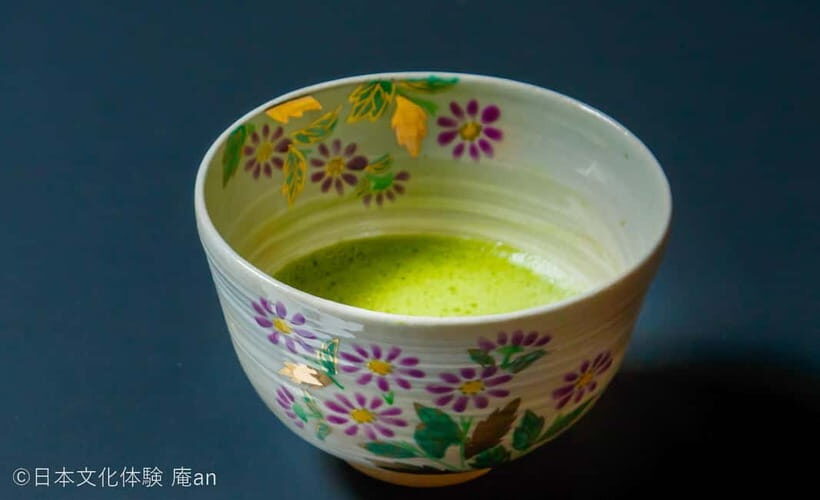
- Single-origin special matcha that you learn how to whisk and enjoy
- Hands-on experience: you grind/make your own matcha
- Ohigashi sweets included, not an afterthought
- Small, easy session timing that fits between Osaka sights
- English support as much as possible with a Japanese instructor
- Photo time built in, so you’re not hunting for a camera moment
A 30-minute tea break that fits Osaka perfectly
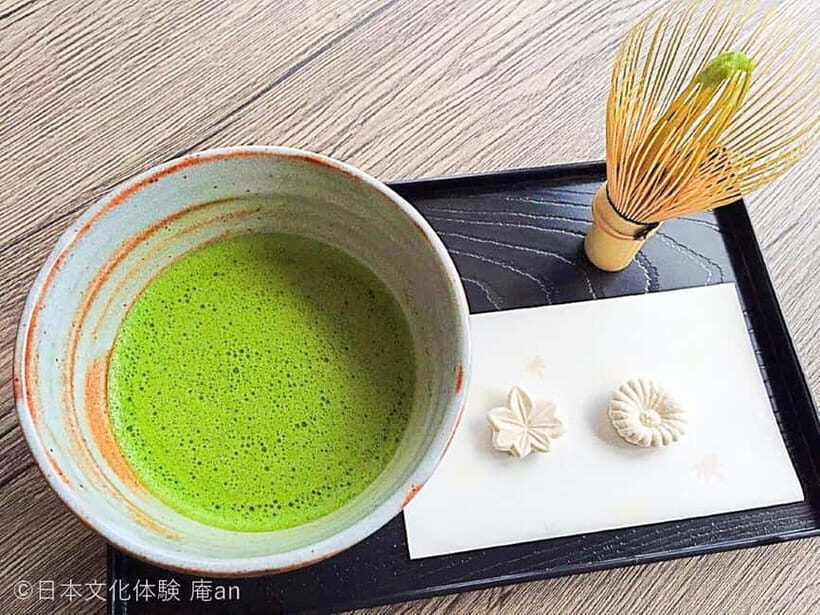
Osaka runs on schedules. This tea ceremony respects that reality. In just 30 minutes, you slow down, do something old-school with your own hands, and then get back to the streets.
What makes this one especially worth your time is that it’s not a long performance. You get the core tea basics quickly, then you drink what you made. For a city day that’s already full of food stops and shopping detours, that matters.
You can also read our reviews of more tours and experiences in Osaka.
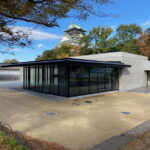
Where you’ll be and how to find it fast
You’ll meet near several major lines, so you can approach from whichever station matches your day.
From transit:
- 1 minute walk from Exit 10 of Osaka Metro Yotsubashi Line Higobashi Station
- 5 minutes walk from Exit 7 of Keihan Nakanoshima Line Watanabebashi Station
- 7 minutes walk from Exit 10 of Osaka Metro/Keihan Line Yodoyabashi Station
- 10 minutes walk from Exit 11-5 of JR Tozai Line Kitashinchi Station
- About 15 minutes on foot from Osaka Station’s South Central Gate
If you like a quick pin check, use the provided map link: https://maps.app.goo.gl/Yz9zPrwUTeivzYhU9 (coordinates: 34.6911523, 135.4958628).
What happens during the ceremony (the timing you’ll actually experience)
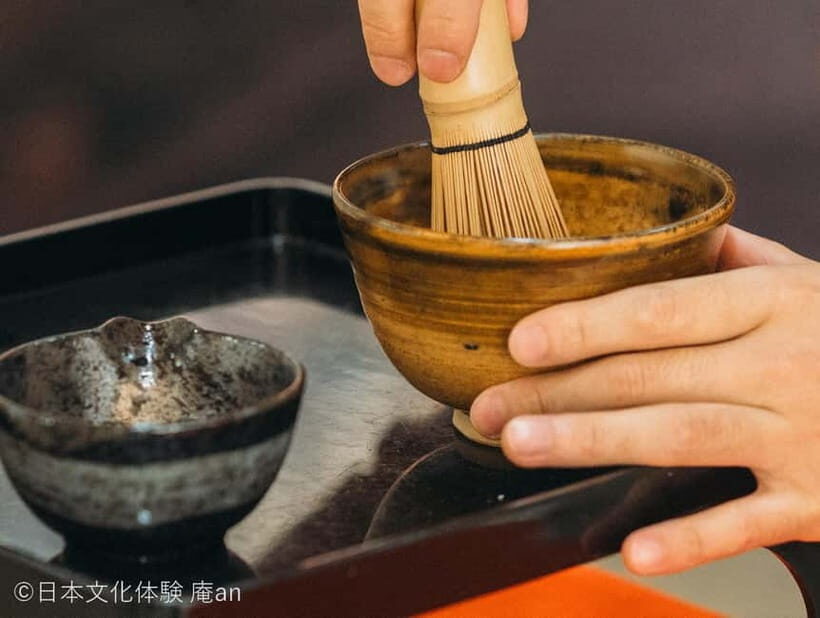
Here’s the flow, in plain terms, and it stays pretty close to the 30-minute total.
- 0:00 Start
You begin with the session kickoff and get set for the tea portion.
- Explanation about tea
You’ll get a short talk on what tea ceremony is aiming for and how matcha is meant to be handled and served.
- Matcha grinding demonstration
You’ll watch how matcha is prepared via grinding. This is one of those moments where you’ll suddenly understand why matcha tastes the way it does.
- Tea-ceremony experience
This is your turn. You get to make and enjoy your matcha in the ceremony format, rather than just having a cup placed in front of you.
- Picture time
There’s time for photos so you can capture the moment without feeling rushed.
- End + eating/drinking time
You’ll have your main tasting window here—drinking your matcha and eating the included Ohigashi sweets.
- 30:00 Room departure
Then you’re done. Clean, simple, and designed to keep sightseeing moving.
The real value: making single-origin matcha, not just drinking it
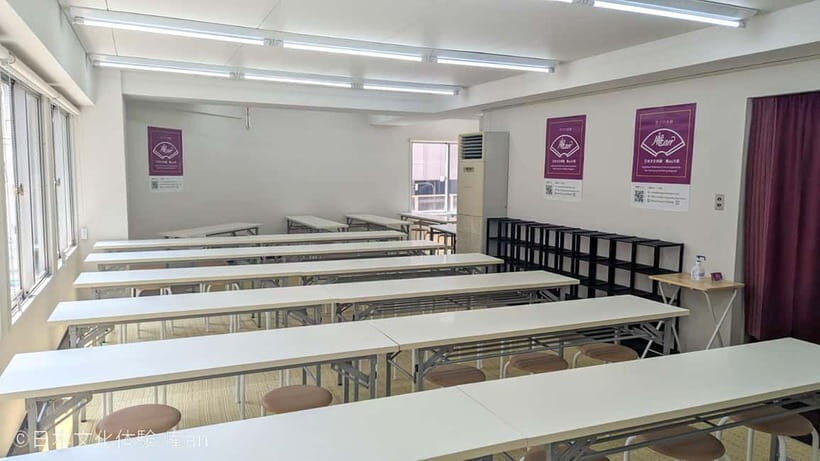
The big win for me is the way the experience makes matcha personal. Instead of being passive, you’re actively part of the process. Grinding and preparing matcha gives you a sensory baseline you can’t get from a café cup.
This isn’t generic matcha either. You’re using single-origin special matcha, which means there’s a story in the taste. Even if you don’t become a matcha expert in 30 minutes, you’ll likely notice differences in aroma and flavor that make the learning feel real.
The casual part is important too. You don’t need to be overly formal to enjoy this. It’s presented as a break while sightseeing, and the pace feels friendly rather than stiff.
Ohigashi sweets: the part people forget until they taste them
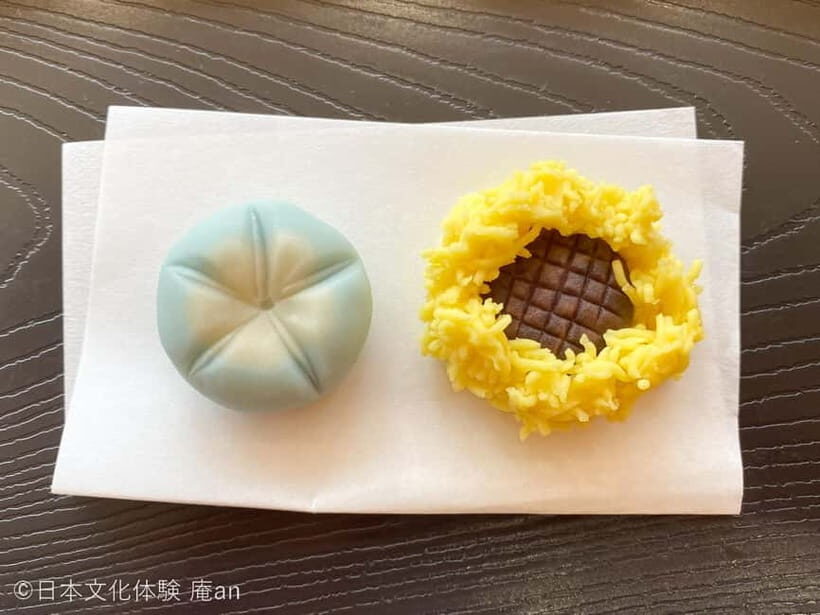
Tea ceremony often gets sold as matcha only. Here, Ohigashi (Japanese sweets) are included, so you’re balancing flavors right away.
Why I like that: sweets and tea were built to work together. The sweetness gives you something comforting to chew while the matcha offers that slightly bitter, earthy contrast. It makes the tasting time feel complete, not like you’re finishing a drink and rushing out.
Also, if you’re the type who likes Osaka food stops but wants something calmer for a change, this hits the right note. It’s Japanese sweets, but in a tea setting—so it feels authentic without being complicated.



English support and instructor style (so you don’t get lost)
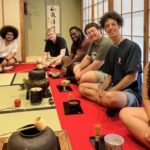
The instructor is Japanese, and English translation is provided as much as possible. In practice, that’s a big deal because tea ceremony has small steps and small meanings. Even basic translation can help you enjoy what you’re doing instead of guessing.
You’ll also find the teaching style tends to be patient and comfortable. One standout from past participants: the explanations in English worked well even for people who expected the session to be mostly Japanese. Another common theme: the instructor’s tone keeps the experience light, not robotic.
So if your Japanese is limited, you’re not signing up for a silent museum act. You’re stepping into something structured, with help.
Price and what you’re really paying for
At $7 per person for 30 minutes, this is priced like a casual cultural stop. That’s rare for hands-on activities.
Here’s how that value breaks down:
- You’re not just watching; you’re making and drinking matcha.
- You get included Ohigashi sweets.
- You receive a structured tea-ceremony experience (with the tea set).
- The session length is tight enough to fit into an Osaka day without wrecking your schedule.
One extra note: a completion certificate is not included and costs 300 JPY. If you want it for a personal souvenir, factor it in. If you don’t, you can still leave with the main experience intact.
Practical tips so you can enjoy it stress-free
This isn’t hard, but a few details matter.
- Don’t show up late. They won’t be able to accommodate delays. Build in walking time from the station exits.
- Plan around the stairs. There’s no elevator in the building. You’ll need stairs to reach each venue, so wear shoes you’re comfortable walking in.
- Those who aren’t participating won’t be allowed inside. So don’t treat it like a drop-in viewing spot for friends.
- Children under 2 on a parent’s lap are free. If you’re traveling with a small child, that’s worth knowing.
Also, the session runs 10:00 to 17:00. If a reservation comes in after 17:00, it gets processed the next day. Keep that in mind when you’re planning your Osaka route.
Who this tea ceremony is best for
This experience works well if you want something culturally grounded but not time-consuming.
It’s a great fit for:
- First-timers in Japan who want a real cultural activity without committing half a day
- Food lovers who want tea and sweets as part of the tasting story
- Travelers who like hands-on experiences and short, focused lessons
- Anyone taking a break from shopping and street food to sit, breathe, and learn
It might be less ideal if:
- You strongly need step-free access (because there’s no elevator)
- You’re looking for a long, deep, all-day ceremony with lots of ritual time (this is intentionally short)
Should you book this Osaka tea ceremony?
If your Osaka schedule has a gap and you want something simple, hands-on, and genuinely Japanese, I’d book it. The combination of single-origin matcha, making it yourself, and getting Ohigashi included turns a quick 30 minutes into a real memory.
I’d skip it only if stairs are a deal-breaker for you or if you’d rather spend your limited time on larger, multi-hour attractions. Otherwise, this is exactly the kind of small cultural stop that makes a city trip feel thoughtfully put together.
FAQ
How long is the Osaka traditional tea ceremony experience?
The experience lasts about 30 minutes, including the tea activities and the eating/drinking time.
What is included in the price?
Your price includes an OTE-MAE set experience of the Japanese tea ceremony, plus you can enjoy your matcha and the included Japanese sweets called Ohigashi. A completion certificate is not included.
Can I make matcha myself during the experience?
Yes. You’ll grind matcha (there’s a grinding demonstration) and then have a tea-ceremony experience where you can make and enjoy your matcha.
Are Japanese sweets included?
Yes. You’ll be able to enjoy Japanese sweets called Ohigashi as part of the experience.
Is there English translation during the tea ceremony?
English translation is provided as much as possible. The experience language is Japanese, and if you want additional English support, you can contact them.
Where is the meeting point?
You’ll meet near several stations, including a 1-minute walk from Exit 10 of Higobashi Station, and other close options like Watanabebashi Station, Yodoyabashi Station, Kitashinchi Station, and a longer walk from Osaka Station’s South Central Gate. The map link and coordinates are provided.
Is there an elevator in the building?
No. There is no elevator, and you’ll need to take stairs to reach each venue.
What time does the experience run?
Operation hours are 10:00 to 17:00. Reservations received after 17:00 are processed the next day.