REVIEW · TOKYO
From Tokyo: Mount Fuji Private Day Tour With English Guide
Book on GetYourGuide →Operated by Japan Winter Tours · Bookable on GetYourGuide
First, Mt. Fuji looks good from everywhere. This private day trip is interesting because you can shape the route around your timing and the weather, with an English-speaking driver getting you from spot to spot without the stress of transfers. I especially liked the combination of classic Fuji sights like Lake Kawaguchiko and Oshino Hakkai, and the way the guides (like Zulqar and Ali) worked with families and changing conditions. One possible drawback: it’s a long day, and ticketed add-ons like the Mt. Fuji 5th Station entry and Hakone activities are extra, so the final cost can creep up.
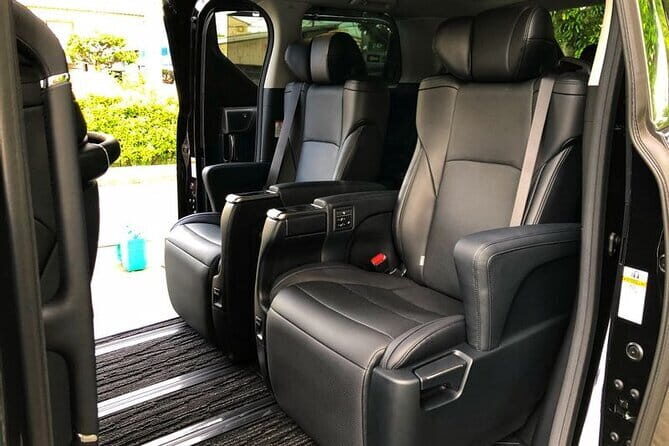
You also get a comfortable base for the whole day: hotel pickup and drop-off in Tokyo, a private air-conditioned vehicle, and WiFi in the car. I like that your guide can suggest options for what to prioritize, instead of forcing you into a rigid script. Still, if your group is older or you’re traveling with someone who can’t handle a full 10-hour day, the tour may not be a fit.
In winter, Mt. Fuji visibility can be unpredictable. Still, guides such as Adi and Afi have helped people catch at least a glimpse even on cloudy starts, and they’ll help you plan where to stand for photos when the sky cooperates.
In This Review
- Key things I’d plan around on this tour
- Private pickup and the Mt. Fuji 5th Station reality check
- Lake Kawaguchiko: where Fuji feels close (when the weather cooperates)
- Oshino Hakkai and Saiko Iyashi-no-Sato Nenba: water, ponds, and thatched-roof Japan
- Chureito Pagoda: the classic photo with a practical planning twist
- Lake Yamanaka and Gotemba: balancing nature and a reset for your legs
- Hakone ropeway, Owakudani, and Lake Ashi options that can fit your mood
- Guide-driven flexibility: why names like Ali, Adi, and Afi show up for a reason
- Price and value: $363 per group up to 6, plus the extras to budget
- What to bring, what to skip, and small rules that affect your comfort
- Who this tour suits best (and who should rethink it)
- Should you book this Mt. Fuji private day tour?
- FAQ
- How long is the Mt. Fuji private day tour?
- Where do you get picked up in Tokyo?
- What does the $363 price include?
- Is the Mt. Fuji 5th Station ticket included?
- Are tickets for the ropeway or other activities included?
- Is lunch included?
- What stops can the tour include besides Mt. Fuji?
- What should I bring?
- What items are not allowed?
- How does pickup timing work on the day?
- Is cancellation refundable if plans change?
Key things I’d plan around on this tour
- Private, customizable routing: you’re not stuck with a one-size schedule.
- A long, high-impact day: you’ll pack multiple Fuji Five Lakes and/or Hakone moments into about 10 hours.
- Photo-friendly stops: Mt. Fuji 5th Station, Chureito Pagoda, and lake viewpoints are timed for views.
- Extra ticket costs to budget: Mt. Fuji 5th Station is 2100¥, and ropeway/activity tickets aren’t included.
- Guide attention matters: in real cases, guides like Malik and Sunny helped manage time and requests.
Private pickup and the Mt. Fuji 5th Station reality check
Your day starts with pickup from your hotel or a location of your choice within Tokyo’s 23 wards. Outside those areas, there’s an extra charge that depends on where you are, typically in the 5000 to 20000 yen range. This matters because with Mt. Fuji trips, time is half the battle, and a smooth pickup reduces stress before you even see the mountain.
Once you’re in the car, the trip runs about 10 hours total, and you’ll be able to adjust the order and choice of stops. Your first major target is the Mt. Fuji 5th Station, which is iconic for panoramic views over valleys and peaks. One important detail: the 5th Station ticket (2100¥) is not included, so you should bring cash or use a credit card when needed.
What to expect at the 5th Station is simple: big sky, big views, and cold air in many seasons. This is where a private guide earns their fee. If the view is clear, you linger for photos. If it’s foggy, you don’t waste time staring; you pivot to better viewpoints in the Fuji region and keep the day moving.
You can also read our reviews of more guided tours in Tokyo

Lake Kawaguchiko: where Fuji feels close (when the weather cooperates)
After the 5th Station, you head to Lake Kawaguchiko (often spelled Kawaguchi-ko on signs). This stop works because the lake gives you a calmer, more reflective view than most roadside pull-offs. When the mountain is visible, the scene is unforgettable: Fuji framed with shoreline and water.
This is also one of the best places to slow down, because you’re not just ticking a box. You can stroll along the shores, pause for photos, and generally reset your pace. If you’re traveling with kids, this kind of flexible, walk-friendly stop is a lifesaver, and guides have been patient with families like Paul described with Zulqar.
A drawback to be aware of: your view can change quickly. In winter especially, clouds and mist can roll in. If Mt. Fuji is hidden, don’t treat the lake as a consolation prize; it’s still a peaceful break, and your guide can shift timing to chase clearer moments.
Oshino Hakkai and Saiko Iyashi-no-Sato Nenba: water, ponds, and thatched-roof Japan
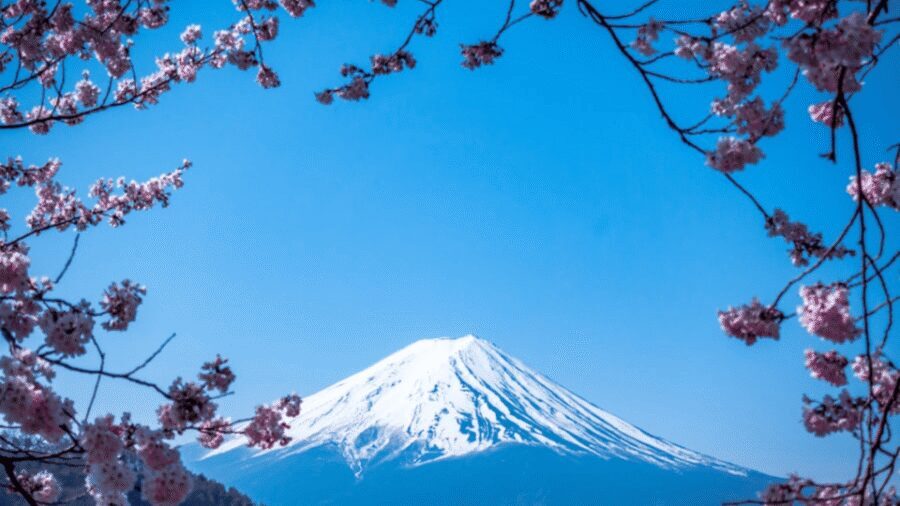
Next comes Oshino Hakkai, a village known for crystal-clear ponds fed by snowmelt from Mt. Fuji. This stop is valuable because it slows the day down and gives you something different from viewpoints: living water, traditional houses, and small-scale scenery you can actually enjoy by walking.
Oshino Hakkai is also one of those places where you’ll want a little time to look at details. You’re not just buying photos from the road; you’re seeing how people and landscape interact around the Fuji water sources. It’s a great contrast after the viewpoint intensity.
You may also have an optional stop: Saiko Iyashi-no-Sato Nenba, a reconstructed traditional village with thatched-roof houses. This one tends to appeal to people who like atmosphere and easy, low-effort history cues without sitting through a museum. If you want traditional scenery but still need your day to stay flexible, Nenba is a smart add.
In winter, both Oshino Hakkai and Nenba can feel calmer than busier city stops. Your private guide helps here by deciding how much time to assign so you don’t feel rushed.
Chureito Pagoda: the classic photo with a practical planning twist
Then comes Chureito Pagoda, a five-storied pagoda famous for the famous Fuji backdrop. This is one of the highest-recognition images in the region, and that’s exactly why your guide matters. The best photos aren’t only about the camera; they’re about where you stand and how long you’re willing to wait for the sky to line up.
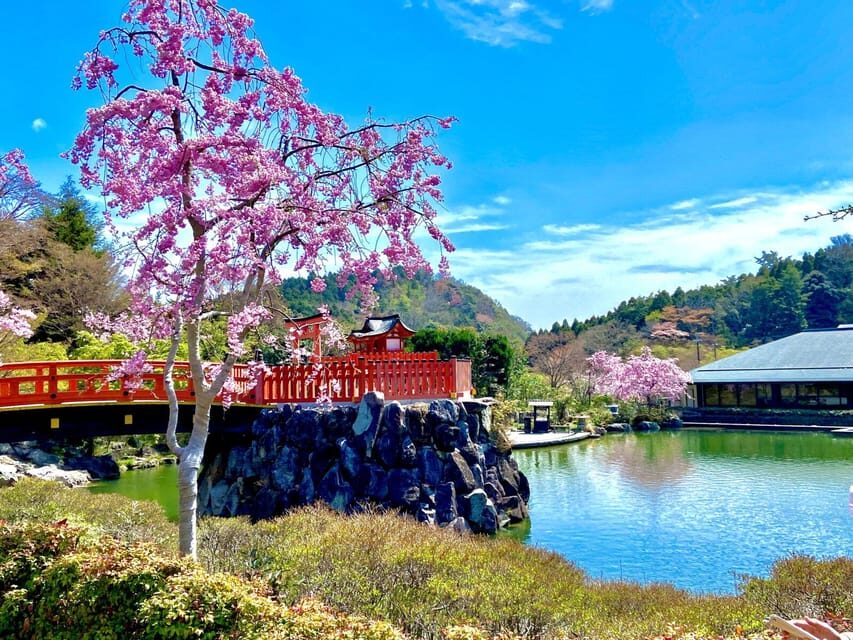
The tour information notes an especially iconic seasonal framing when cherry blossoms are in bloom. Even outside that season, the pagoda viewpoint is still a strong visual anchor for the day. Expect crowds to fluctuate based on the day and weather, so going with a guide who can manage your time keeps the stop from turning into a slow shuffle.
Practical tip: keep your coat and gloves accessible. If you’re dressed for a clear morning but the temperature drops, your “photo time” shrinks because you’ll be fighting cold hands. With a private car, you can also move quickly to the next lake if the light goes.
Lake Yamanaka and Gotemba: balancing nature and a reset for your legs
From the pagoda area, the tour typically heads toward Lake Yamanaka, another of the Fuji Five Lakes. This is a quieter choice than Kawaguchiko for some visitors, and that’s part of its appeal. It gives you more calm space while still keeping Fuji in the same overall “theme” of the day.
After Fuji-region scenery, you’ll reach Gotemba Premium Outlets for some retail time. This part of the day might sound random if you’re coming only for Mt. Fuji, but it’s actually practical. A shopping mall stop is a convenient place to warm up, grab snacks or lunch on your own, and reset energy before any additional Hakone activity.
If you don’t care about shopping, you can still use it as a break point. Your guide can help you decide how long to stay based on how the morning went and how visible Fuji remains. Guides like Malik were reported to recommend how to maximize time and even get back earlier than expected, and that kind of time management matters when you want a smoother ending.
You can also read our reviews of more private tours in Tokyo


Hakone ropeway, Owakudani, and Lake Ashi options that can fit your mood
The tour’s later phase is where you can lean into volcano views and Hakone scenery. One common option is the Hakone Ropeway, which offers views over Owakudani Valley and the volcanic landscape below. If conditions are clear, it’s one of the more dramatic natural-scenes add-ons you can tack onto a Fuji day.
This is also where ticket planning comes in. The tour lists that tickets for activities like the ropeway aren’t included. So if you want Hakone’s most iconic elements, budget extra and keep cash/credit card handy.
From there, you might consider a choice between several Hakone experiences, depending on your interests and what the schedule allows:
- Hakone sightseeing cruise on Lake Ashi (views from the water)
- Hakone Open-Air Museum (art in a natural setting)
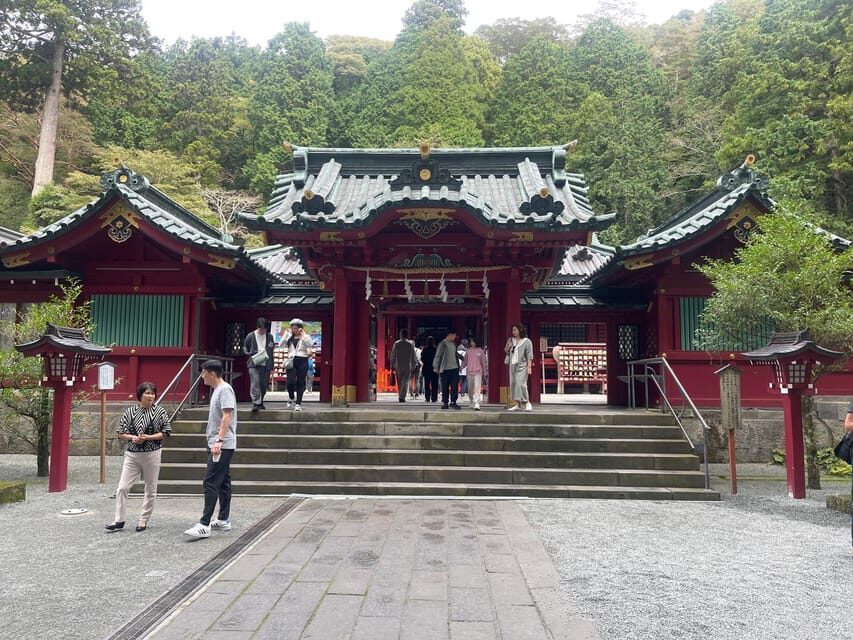
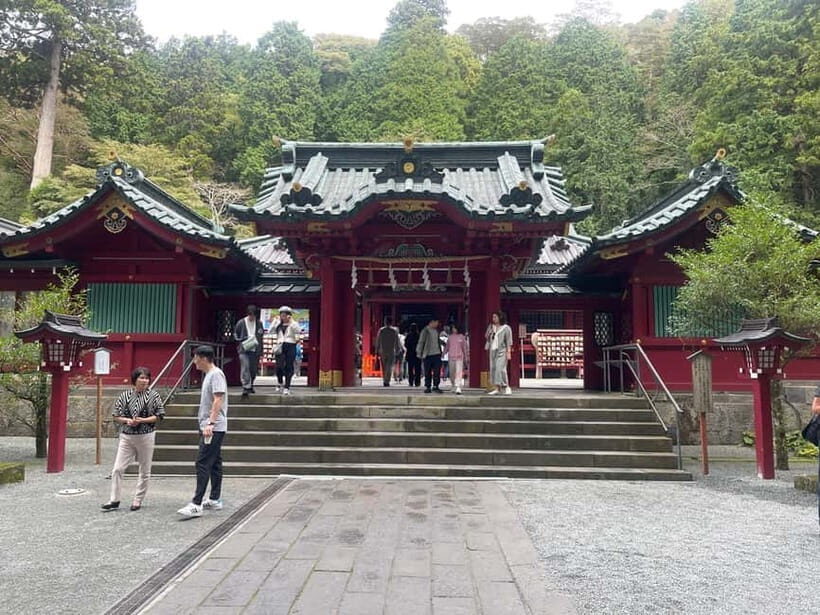
- Kitaguchi-hong Fuji Sengen Shrine for a more traditional, spiritual stop
The key is that the itinerary is flexible. For example, in one described day, Afi helped a couple start with Hakone and then handle rope-car time and a Lake Ashi cruise, and they even caught a glimpse of Mt. Fuji from their route despite cloud cover. That’s the value of having a private guide who can swap priorities without breaking the day.
A balanced note: Hakone can be the portion of the day where you feel “go-go-go” if you pack too many ticketed experiences. If you’re the type who wants to stand, look, and breathe, ask your guide to keep the number of added activities small and focus on one or two big moments.
Guide-driven flexibility: why names like Ali, Adi, and Afi show up for a reason
With a private tour, the guide isn’t a passenger. They’re your problem-solver, especially when weather changes and your route needs adjusting in real time.
From the experiences shared, I’d pay attention to how guides handled:
- Families and small children (Zulqar was described as patient and flexible)
- Weather-based changes (Ali customized routes based on interest and weather; Aada adjusted choices during dead-of-winter conditions)
- Time management (Malik helped manage the itinerary so the day ended earlier than expected)
- Customer requests that don’t fit a neat route (Sunny was friendly and informative in a day that included two specific places not on the same route)
This isn’t just nice-to-have. Mt. Fuji days depend on visibility, and winter can mean sudden clouds. Afi’s example is especially telling: even with cloudy conditions in the morning, the day still delivered, including a memorable Mt. Fuji glimpse and time for photos.
One more detail I like: several guides were described as taking time for photos of the group. On a day built around views, that’s not fluff. It turns your “we saw it” into actual memories you’ll keep, because you’re not constantly handing your phone to strangers.
Price and value: $363 per group up to 6, plus the extras to budget
The price is listed as $363 per group up to 6 with private transportation. The value question isn’t just the sticker price; it’s what you remove from your day. With public transit, Mt. Fuji-area hopping is time-consuming and can turn into multiple transfers. With private pickup, you buy back energy and reduce coordination stress.
But you should budget for the parts not included:
- Mt. Fuji 5th Station ticket: 2100¥
- Tickets for activities like the ropeway (and any other ticketed spots)
- Lunch (not included)
To judge whether this tour is a good deal for you, do a quick math check based on your group size. If you’re traveling as a family or group of 4–6, splitting the cost often makes it cheaper than you’d expect compared to using multiple taxis plus paying for individual guided logistics. If it’s just one or two people, it may feel pricier, and you’ll want to decide whether the convenience and guide attention are worth it for your style of travel.
Also remember the tour is about 10 hours, which means you’re paying for a full day of vehicle time and guide time. If your must-see list is short, you might consider trimming optional stops to match your priorities.
What to bring, what to skip, and small rules that affect your comfort
This is an easy day to pack for, but there are a few rules.
Bring:
- Camera
- Credit card
- Cash (useful for tickets and on-the-spot purchases)
Not allowed:
- Bikes
- Backpacks
- Alcohol and drugs
That backpack rule matters more than it sounds. If you’re used to carrying a larger daypack, plan to bring a smaller bag that fits the tour’s expectations. You’ll also be outside for viewpoint time, so dress in layers even if Tokyo feels mild in the morning.
Who this tour suits best (and who should rethink it)
This tour is a good match if you want to see multiple Fuji-area and Hakone sights in one day without wrestling with transit and timing. It also works well for people who value flexibility: if you want optional stops like Saiko Iyashi-no-Sato Nenba or want to swap between Hakone experiences, the private format helps.
It is not suitable for:
- Pregnant women
- People over 95 years
- People over 70 years
And because you’re in a private car for a long stretch, it’s best for travelers who can handle time on the road and cool weather walks. If you’re likely to get overwhelmed by a tight day schedule, you may feel the time pressure. In that case, keep your must-sees to fewer items and ask your guide to protect your downtime.
Should you book this Mt. Fuji private day tour?
If your priority is a stress-free Mt. Fuji day with English-speaking support and the ability to change plans with the weather, I think this tour is a strong choice. It’s especially good for groups up to 6 because the per-group pricing makes private logistics far more reasonable.
Book it if:
- You want classic Fuji stops like the 5th Station, Kawaguchiko, Oshino Hakkai, and Chureito Pagoda
- You’re interested in adding Hakone views like Owakudani and the ropeway (tickets not included)
- You like the idea of a guide who can manage timing and help with photos (Adi, Malik, Sunny, Afi, Zulqar, Ali, Aada were all highlighted for exactly that kind of care)
Skip or rethink it if:
- You want a quick, light day only focused on one or two stops
- You don’t want to handle extra ticket costs
- Your group may not handle the long 10-hour pace
If you go in expecting a full-day “best-of” approach, and you plan for chilly, changeable mountain weather, this is the kind of Mt. Fuji day that can feel custom-made for your group.
FAQ
How long is the Mt. Fuji private day tour?
The tour lasts approximately 10 hours.
Where do you get picked up in Tokyo?
Pickup is available from your hotel or location of choice within Tokyo’s 23 wards. If you’re outside those wards, there are extra charges that depend on the area (5000 yen to 20000 yen).
What does the $363 price include?
It includes private transportation, an English-speaking driver, WiFi, an air-conditioned vehicle, and hotel pickup and drop-off.
Is the Mt. Fuji 5th Station ticket included?
No. The Mt. Fuji 5th Station ticket is listed separately at 2100¥.
Are tickets for the ropeway or other activities included?
No. Tickets for any activity (including the ropeway) are not included.
Is lunch included?
No, lunch is not included.
What stops can the tour include besides Mt. Fuji?
Depending on your choices, you can visit places like Lake Kawaguchiko, Oshino Hakkai, Oishi Park, Chureito Pagoda, Lake Yamanaka, Gotemba Premium Outlets, Hakone Ropeway/Owakudani, Kitaguchi-hong Fuji Sengen Shrine, and optional Hakone ideas like the Open-Air Museum and Lake Ashi cruise.
What should I bring?
Bring a camera, a credit card, and cash.
What items are not allowed?
Bikes and backpacks are not allowed, and alcohol and drugs are not allowed.
How does pickup timing work on the day?
You should wait in the hotel lobby for pickup 10 minutes before the scheduled time. Drivers wait no longer than 60 minutes after the scheduled pickup time.
Is cancellation refundable if plans change?
You can cancel up to 24 hours in advance for a full refund.