REVIEW · FUJIKAWAGUCHIKO MACHI
Fuji Photo Tour
Book on Viator →Operated by Mount Fuji Foothill Photo Experience · Bookable on Viator
Fuji photos feel like a gamble until you get a plan. This private Fuji Photo Tour in Fujikawaguchiko-machi turns Mount Fuji shooting into a real session, with expert guidance and photo and video data so you leave with more than just memories.
I love that the route hits classic Fuji icons and quieter spots in one tight day, so you’re not wasting time searching for the right angle. The main drawback is simple: the tour runs only in good weather, and staff use simple English plus translation tools, so communication may feel basic if you need lots of back-and-forth.
In This Review
- Key highlights you’ll feel on the day
- Why Fujikawaguchiko works so well for Mt. Fuji photography
- Price and logistics: what $423.49 per group buys you
- Meeting point, pickup, and how a 5-hour session is timed
- The itinerary that actually helps your photos: Kawaguchiko to Lake Shoji
- Stop 1: Lake Kawaguchiko (about 2 hours)
- Stop 2: Chureito Pagoda (about 30 minutes)
- Stop 3: Oshino Hakkai (about 30 minutes)
- Stop 4: Haha no Shirataki Falls (about 30 minutes)
- Stop 5: Oishi Park (about 20 minutes)
- Stop 6: Aokigahara Forest (about 20 minutes)
- Stop 7: Saiko (about 30 minutes)
- Stop 8: Lake Shoji (about 20 minutes)
- What makes the guidance feel different: simple English, real shooting help
- Weather: the one variable you can’t control (and how the tour responds)
- Is it the right value for you? (And who should book)
- Should you book the Fuji Photo Tour?
- FAQ
- How long is the Fuji Photo Tour?
- Is this a private tour?
- Do you get pickup?
- Is a mobile ticket provided?
- Are attraction admission tickets included?
- What stops are included on the route?
- Is lunch included?
- Does the tour run in bad weather?
- Can I bring a stroller?
- Are cancellation refunds available?
Key highlights you’ll feel on the day
- A private group (up to 8) with pickup: You can move efficiently between stops and keep the pace comfortable.
- Photo and video focus, not just sightseeing: The goal is shooting, with support to help you frame and capture better.
- Eight Mt. Fuji viewpoints in about 5 hours: You get variety without long, boring transfers.
- Icon spots plus calmer lakes: Chureito Pagoda and the Kawaguchiko area share time with Saiko and Lake Shoji.
- Stops built around seasons: From park flowers to lavender-season colors, you’re set up for seasonal Fuji magic.
- Weather-dependent operation: If clouds don’t cooperate, your day can shift to a different date or refund options apply.
Why Fujikawaguchiko works so well for Mt. Fuji photography
Fujikawaguchiko is one of the most practical bases for photographing Mount Fuji without spending your whole trip on trains and transfers. You’re surrounded by lakes and classic viewpoints, so you can change the scene fast—from pagoda angles to spring-water ponds—without losing the day to logistics.
What I like most about this tour’s approach is that it doesn’t treat Fuji photos as one single pose. It uses multiple compositions across the area, which matters because Mount Fuji is a shape-shifter. Different weather and light can change the mountain’s visibility, contrast, and overall mood. A single stop rarely gives you that full range.
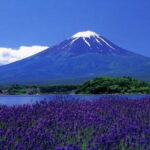
And yes, seasons show up here in a tangible way. The tour’s park timing leans into flower views, and Oishi Park is specifically known for lavender season when the ground can take on a purple look. Even when you can’t control the sky, you can control the variety of what’s in front of the camera.
You can also read our reviews of more photography tours in Fujikawaguchiko machi
Price and logistics: what $423.49 per group buys you
At $423.49 per group (up to 8 people), this is priced like a true private experience rather than a public-bus day. For a photo tour, that matters because you’re paying for time on-location with a guide who’s focused on shooting, not just moving a group from stop to stop.
Here’s what’s included that helps you feel your money was spent wisely:
- Air-conditioned vehicle and private transportation
- Photo and video data
- Tickets for several attractions (the stops listed include free admission tickets)
- Mobile ticket
Not included items are also straightforward: there’s no lunch, and infant/high-chair facilities aren’t provided.
Two things you’ll want to think about before booking:
- The price is per group, so it’s best when you can split it.
- The tour is about photography, so if you’re expecting a long lunch break or downtime, you might feel rushed by the stop rhythm.
If you’re traveling solo or as a couple, it can still be great value because you’ll be guided and transported without needing to rent or plan your own route.
Meeting point, pickup, and how a 5-hour session is timed
The tour meets at Forest Mall Fujikawaguchiko (8017-1 Kodachi, Fujikawaguchiko, Minamitsuru District, Yamanashi 401-0302). The ending point returns you to the same meeting area, which makes the day easier to wrap up.
Pickup is offered, and the vehicle is air-conditioned—nice when you’re moving around the Fuji lakes area in warmer months. The tour runs for about 5 hours, and it’s scheduled Monday through Friday (with operating hours listed as 8:30 AM to 5:00 PM during the date range shown).
Because it’s a private tour, you’re only sharing the vehicle with your own group. That gives your guide freedom to adjust the timing if you’re getting the shots you want, or if the weather changes quickly.
One practical note: stroller accessibility is limited to specific areas only. If you’re traveling with a stroller, it’s worth keeping expectations flexible.
The itinerary that actually helps your photos: Kawaguchiko to Lake Shoji
This route is designed like a shooting sequence: it starts with a larger time block near the lake, then moves through iconic viewpoints and shorter stops where you can grab photos quickly before moving on. Admission tickets are listed as free at each stop, and the total time adds up to a full photo day without turning into an all-day hike.
Stop 1: Lake Kawaguchiko (about 2 hours)
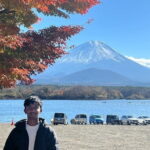
You start at Lake Kawaguchiko, and this is the longest portion of the tour. Two hours is valuable here because it gives you time to work different angles and experiment as the mountain visibility shifts.
Kawaguchiko is also the area where many people first fall in love with Fuji photography. Even if the weather is moody, you can often still capture compelling views with the water and sky acting as framing elements. You’re not just arriving and leaving; you’re getting a real block to shoot.


Stop 2: Chureito Pagoda (about 30 minutes)
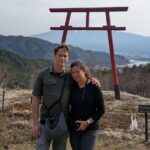
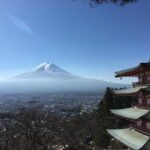
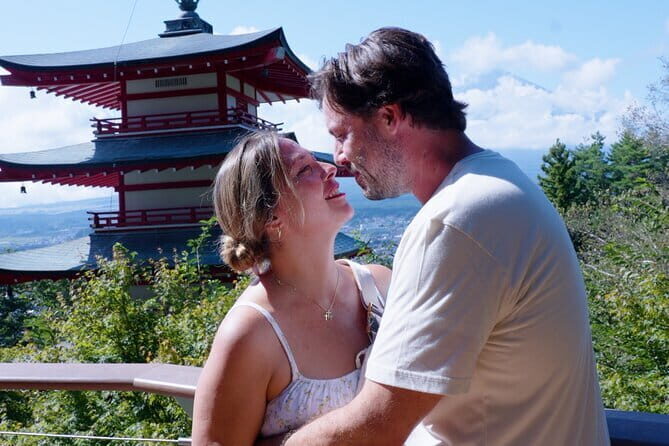
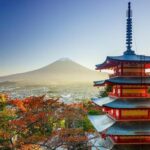
Next is Chureito Pagoda, a spot famous for pairing the pagoda with Mount Fuji. The catch is physical: you’ll need to climb stairs and then walk along a gentle slope to reach the viewpoint.
Thirty minutes can sound short, but for a pagoda shot it’s usually enough if you plan your order of operations. Get your wide shot first, then switch to tighter compositions if you can. If you’re carrying a tripod or heavy gear, you’ll feel those stairs, so plan accordingly.
Stop 3: Oshino Hakkai (about 30 minutes)
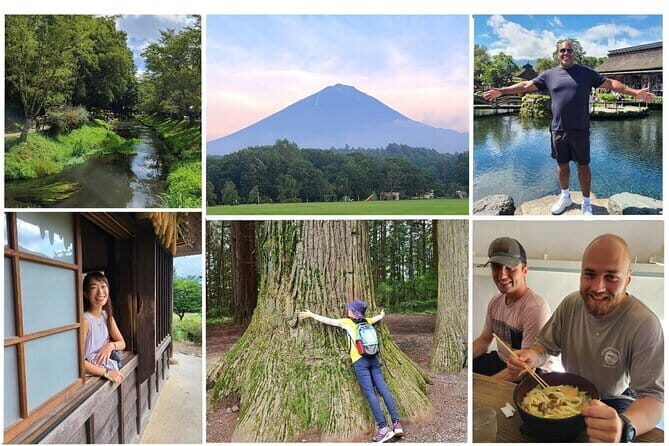
Oshino Hakkai is a calmer, more intimate stop focused on crystal-clear spring water and small ponds. Mount Fuji sits in the background here, and the scenery is described as nostalgic, which fits the vibe of the place: gentle, quiet water scenes rather than fast action.
This is a great stop when you want photos that feel more “place-based” and less like classic postcard Fuji. If your main goal is mood and details, this is where you’ll likely slow down and shoot more from eye level.
Stop 4: Haha no Shirataki Falls (about 30 minutes)
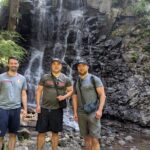
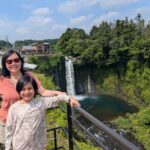
Then you head to Hahanoshira Falls, also known as Haha no Shirataki, described as hidden in the Fujikawaguchiko area. It’s a tranquil stop, where you’ll see a waterfall cascading down.
Thirty minutes is enough to capture a few different versions: wide for the setting, closer for the texture, and perhaps a shot that includes surrounding greenery if the light cooperates. The tone here is peaceful, so don’t expect an urban-feeling viewpoint. Think nature soundscape and slower framing.
Stop 5: Oishi Park (about 20 minutes)
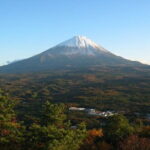
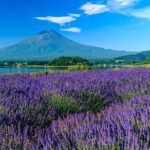
Oishi Park is specifically noted for its Mount Fuji views and seasonal flowers. During lavender season, the park can look like a purple carpet, which is exactly the kind of color that makes Fuji photos feel different from every other “Fuji photo.”
The downside of Oishi Park being only about twenty minutes is that you’ll want to have your composition decisions ready. If you spend too long browsing, you might miss the best light or the clearest mountain moment. Still, it’s a short, effective hit of color.
Stop 6: Aokigahara Forest (about 20 minutes)
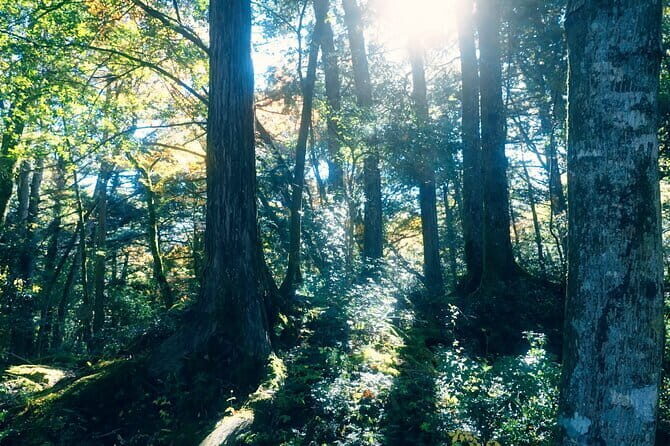
Next comes Aokigahara Forest, also referred to as Fuji Jukai at the foothills. The description focuses on lava formations and a sense of tranquility.
This stop changes your visual story. Instead of lakes and pagodas, you’re photographing a more mysterious, textured environment. If you like contrast, you’ll appreciate that the day doesn’t stay locked to the same Fuji framing style.
Twenty minutes here means you’ll likely move efficiently rather than wander. If you prefer long forest walks, you might feel it’s brief—but for a photo tour schedule, it’s a smart add-on.
Stop 7: Saiko (about 30 minutes)
Saiko (Lake Sai) is one of the Fuji Five Lakes, and it’s described as quieter and away from crowds. That matters for photography because you can spend time setting up without constantly sharing the exact same angle with a line of people.
The tour emphasizes seasonal scenery along the lakeshore. Even if Fuji is partially obscured, Saiko gives you a calmer background and more breathing room to frame the mood you want.
Stop 8: Lake Shoji (about 20 minutes)
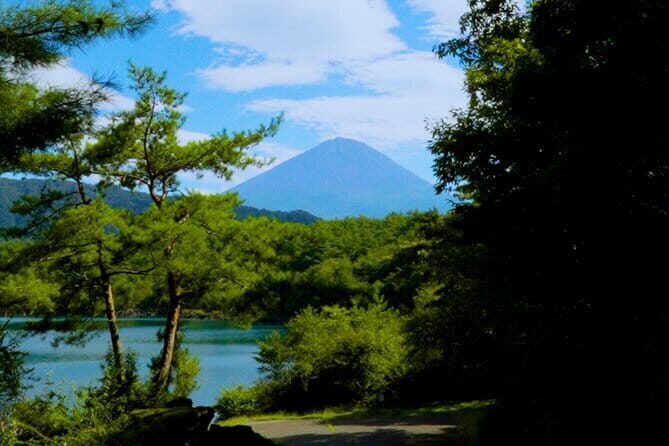
The day finishes at Lake Shoji (Shojiko), described as peaceful and slightly removed from busier spots. It’s another lake stop, but with a different feel than Kawaguchiko because it’s positioned away from the most crowded areas.
This is a good final push for your “last look” photos. If Fuji finally appears clearly as the day progresses, Lake Shoji can give you a clean, quiet closing scene before you return to the meeting point.
What makes the guidance feel different: simple English, real shooting help
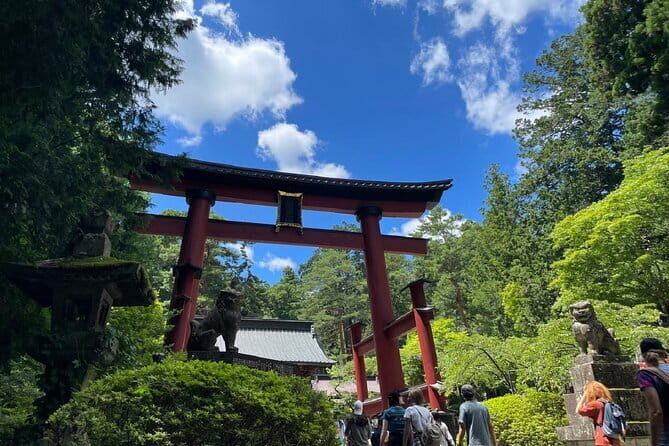
The human part is a big reason this tour earns strong ratings. The tour staff are described as not very fluent in English, but they do their best using simple phrases and translation tools. That’s a helpful setup if you don’t speak Japanese, and it also means your guide can focus on the job: helping you take better photos.
In the reviews, the guide names that stand out are Ryo and Ericko. You’ll see a consistent theme in how they handle the day: they’re thoughtful, professional, and focused on making the shooting smooth. People describe Ryo as kind and experienced, taking them to great places and helping them get the most from the views.
Another practical detail from the experience style: you’re not left alone to guess where to stand. The guide takes pictures for you while you enjoy the view, and communication stays manageable with simple English. If you want a photo tour where you don’t have to be an expert to get solid results, this approach makes sense.
There’s also a subtle advantage of having a guide who brings photo and video data into the package. Even if your own shots aren’t perfect, you’re still likely leaving with usable material.
Weather: the one variable you can’t control (and how the tour responds)
This is a weather-dependent experience. The tour operates only in good weather, and if it’s canceled due to poor weather, you’re offered a different date or a full refund.
That policy isn’t just fine print. It matches how Mount Fuji photography really works. You can have the right locations and still get shut out by cloud cover. One review story describes starting the day overcast, then clouds clearing enough to reveal Fuji. That kind of timing is exactly why this route includes multiple stops: you get repeated chances even when the sky is unpredictable.
What you can do on your side is simple:
- Bring layers for changing cloud/light conditions.
- Have your camera settings ready so you can react fast when the mountain appears.
If you’re the type who needs guaranteed visibility, plan to be flexible. Fuji shows up on Fuji’s schedule.
Is it the right value for you? (And who should book)
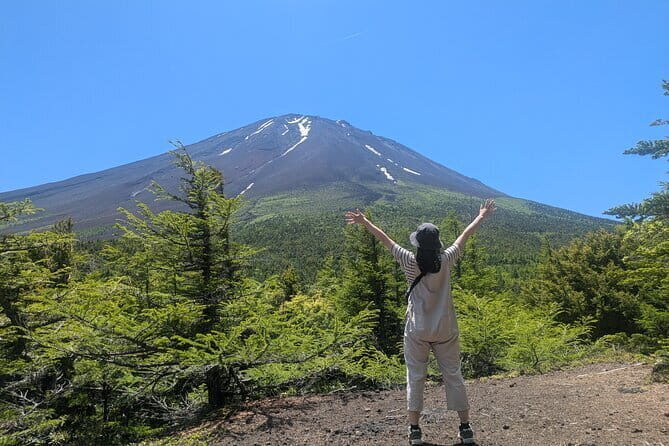
This tour is built for people who want a guided Fuji photography day without doing the planning math themselves. If you’re:
- A first-time visitor to the Kawaguchiko area
- A couple or small group who wants a private route
- Someone who cares about photo and video results, not just checking off famous places
- A solo traveler who prefers a supportive guide and a smooth day
…then you’ll likely enjoy this format.
It’s also a good fit if you want variety in a short timeframe. You get lake scenes, iconic pagoda views, spring-water ponds, waterfall nature, a forest stop, and quieter lakes. That mix gives you a better chance of getting shots that feel personal rather than copy-paste.
Where you might hesitate:
- If you need long stop times at fewer locations, the schedule will feel tight.
- If you’re traveling with a stroller, accessibility is limited to specific areas.
- If you’re relying on fluent, nuanced conversation all day, the simple English + translation approach may feel basic.
If you match the style—photo-first, flexible, and outdoors-comfortable—it’s a strong choice.
Should you book the Fuji Photo Tour?
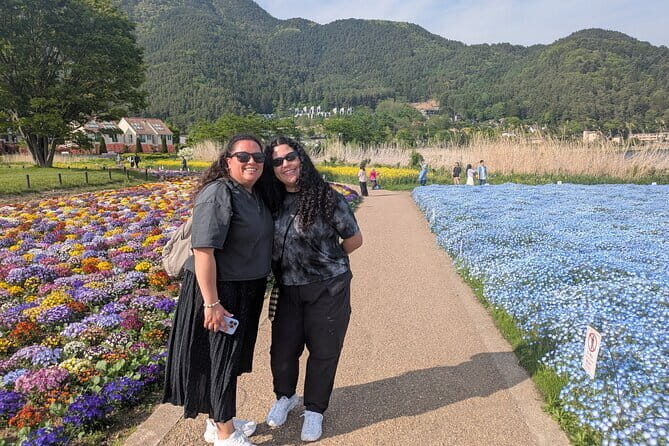
I’d book it if you want a guided Fuji day that prioritizes shooting at multiple locations around Fujikawaguchiko. The combination of private transportation, photo and video data, and a route that balances icons with quieter spots makes it feel practical, not just scenic.
I wouldn’t book it if your priority is guaranteed Mount Fuji visibility regardless of clouds, or if you want a relaxed day with lots of extra downtime. This experience is about moving smartly and capturing what the day gives you—then improving your odds by hitting the right Fuji viewpoints.
If you’re flexible with weather and you care about photography outcomes, this is the kind of tour that saves you stress and helps you come home with better images.
FAQ
How long is the Fuji Photo Tour?
The tour duration is about 5 hours.
Is this a private tour?
Yes. It’s a private tour/activity, and only your group participates (up to 8 people).
Do you get pickup?
Pickup is offered.
Is a mobile ticket provided?
Yes, the experience includes a mobile ticket.
Are attraction admission tickets included?
Yes. Tickets for several attractions are included, and the listed stops have free admission tickets.
What stops are included on the route?
The tour includes Lake Kawaguchiko, Chureito Pagoda, Oshino Hakkai, Hahanoshira Falls, Oishi Park, Aokigahara Forest, Saiko, and Lake Shoji.
Is lunch included?
No. Lunch is not included.
Does the tour run in bad weather?
No. It operates only in good weather. If it’s canceled due to poor weather, you’ll be offered a different date or a full refund.
Can I bring a stroller?
Stroller accessibility is limited to specific areas only.
Are cancellation refunds available?
Free cancellation is available. You can cancel up to 24 hours in advance for a full refund.