REVIEW · FUJIKAWAGUCHIKO MACHI
Private Tour of Mt. Fuji Culture and Nature Walk
Book on Viator →Operated by Fuji Culture · Bookable on Viator
Mt. Fuji feels different when you walk with a teacher. This private tour pairs panoramic Sankodai views with Japan’s long spiritual relationship to the mountain, then moves into the Aokigahara Forest for nature time and cave stops in the Fuji Five Lakes area. I like that Momo frames what you see with cultural and historical context, and you also get practical pacing for real walking. One thing to consider: you’ll spend time on foot in uneven outdoor spots and in cave interiors, so comfortable shoes matter.
You’ll start at Kawaguchiko Bus Station No.2 around 9:00am and spend about 6 hours on a tight route that connects big outlook points, forest trails, and shrine areas without you having to coordinate transit. Lunch is included, but drinks and snacks aren’t, so plan for that gap.
The private setup is a big deal here. Only your group rides with the guide/driver, and Momo’s approach tends to be calm and adjusted to your needs, including making room for slower walking when necessary. If you want Mt. Fuji as more than a photo stop, this tour is built for you.
In This Review
- Key highlights you will care about
- Mt. Fuji’s spiritual layer, taught step-by-step
- Sankodai: the morning view that sets the whole tone
- Aokigahara Forest walk and forest bathing in real time
- Narusawa Hyoketsu Ice Cave: cool air, year-round interest
- Funatsu Tainai Jugata lava tree mold: pilgrimage practice, not just a rock
- Kitaguchi Hongu Fuji Sengen Jinja: seeing the meaning, not just the surface
- Price and value: what $99.40 buys you in real terms
- The 6-hour flow: where your time goes and how to prepare
- Who this tour is best for (and who might prefer something else)
- Should you book this Mt. Fuji culture and nature walk?
- FAQ
- Is this a private tour?
- Where does the tour start, and where does it end?
- How long is the tour?
- What is included in the price?
- Are admissions included for the caves?
- Can I cancel for a refund?
Key highlights you will care about
- Sankodai hilltop panorama: Mt. Fuji right in front, with lakes and Aokigahara stretching below
- Aokigahara forest bathing: a nature walk focused on the forest feel, not just sightseeing
- Narusawa Ice Cave (year-round): cooler interior time at the east entrance to the sea of trees
- Funatsu Tainai Jugata lava tree mold: you go inside a pilgrimage cave tied to Fuji-ko practice
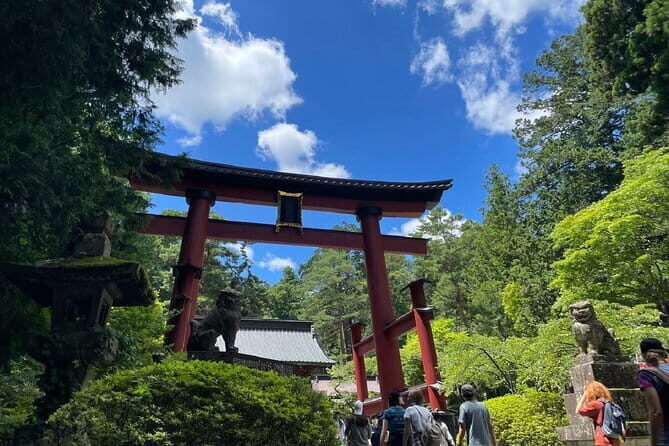
- Kitaguchi Hongu Fuji Sengen Jinja shrine: history and meaning beyond what you see at a glance
Mt. Fuji’s spiritual layer, taught step-by-step
Mt. Fuji has been a center of belief for centuries, and this tour treats it that way. You’re not just looking at a mountain; you’re learning how Japanese people traditionally viewed it as a spiritual presence, then followed that belief through worship sites and pilgrimage routes.
The guide leading this experience is Momo, a sociology teacher, and the tone of the tour is academic but friendly. That matters because a shrine can look like a shrine until someone explains why it matters here, in this region, for these pilgrims. With Momo, you get that context tied to specific stops, so the day feels connected instead of random photo ops.
I also like that the tour balances spirituality with actual nature walking. The route goes from a dramatic morning viewpoint to forest time, then back to cultural sites in the afternoon. That rhythm helps you feel the idea of the mountain as both place and path.
You can also read our reviews of more tours and experiences in Fujikawaguchiko machi.
Sankodai: the morning view that sets the whole tone
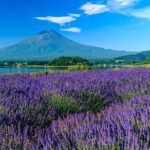
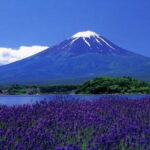
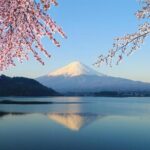
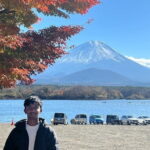
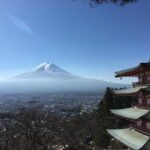
Your first stop is Sankodai, where the experience begins with the kind of view that changes your expectations. You’ll get Mt. Fuji directly ahead, plus lakes below and the huge area of Aokigahara forest spreading underneath. There’s a 15-minute walk to a hilltop viewpoint, and the ticket for this stop is free.
Why this start works: if you begin the day seeing Fuji laid out clearly, later stops make more sense. When you enter the forest and caves, you’re not only doing an itinerary; you’re moving through a landscape that already felt real from above.
Practical note: the viewpoint is an outdoor walk, so bring weather-ready layers. Even in pleasant seasons, hilltop air and shaded areas can feel different once you start moving.
Aokigahara Forest walk and forest bathing in real time
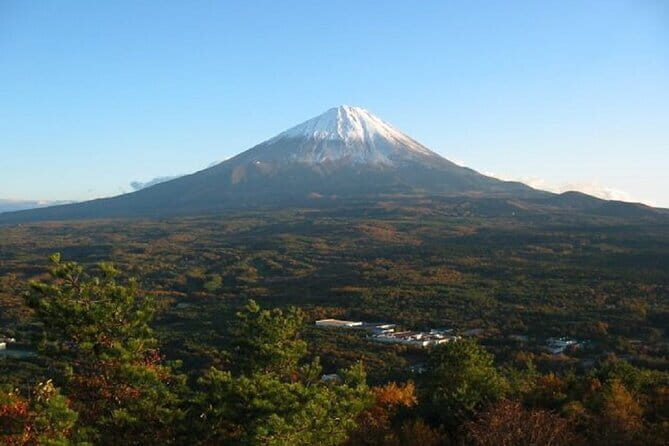
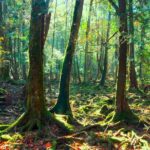
Next comes Aokigahara Forest, sometimes called the sea of trees, and it’s where the tour slows down in the best way. You’ll explore the forest with time to experience the area’s atmosphere, including forest bathing. The plan includes visits to caves in the forest, with about 2 hours allocated here, and admission for this part is free.
This is the stop that turns a “Mt. Fuji day trip” into an actual nature experience. Instead of sprinting between viewpoints, you’re walking with a purpose: notice the forest feel, take in the quiet and the density of trees, and let the setting affect how you interpret what comes later.
What you should consider: Aokigahara terrain can be uneven in spots. The tour is designed so most travelers can participate, and Momo has shown the ability to adapt for limited mobility in at least one case, but you’ll still want steady shoes and a comfortable walking pace.
If you’re the type who likes to ask questions, this is also a strong point in the day. The guide can connect what you’re seeing—trees, caves, the sense of place—to how people historically moved through pilgrimage spaces.
Narusawa Hyoketsu Ice Cave: cool air, year-round interest
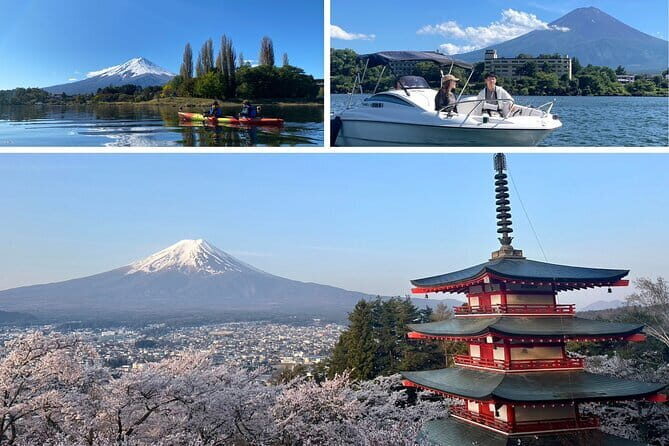
In the afternoon, you head to the Narusawa Hyoketsu Ice Cave, listed here as Narusawa Ice Cave. It’s positioned at the east entrance of Aokigahara’s sea of trees forest and is regarded as a spot that can be visited throughout the year. The visit takes about 1 hour, and the ice cave admission is included.
Why this stop is worth it: the cave gives you a sensory break from outdoor walking. You’ll feel the temperature shift, and that contrast helps reset your brain after the forest section. Even if you are not a “cave person,” ice caves are a good way to understand how this landscape functions beyond scenery.
A practical tip: cave interiors tend to be cooler and can feel damp. Dress in layers so you can handle a temperature drop, and keep an eye on where you place your feet if surfaces are slick.
Funatsu Tainai Jugata lava tree mold: pilgrimage practice, not just a rock
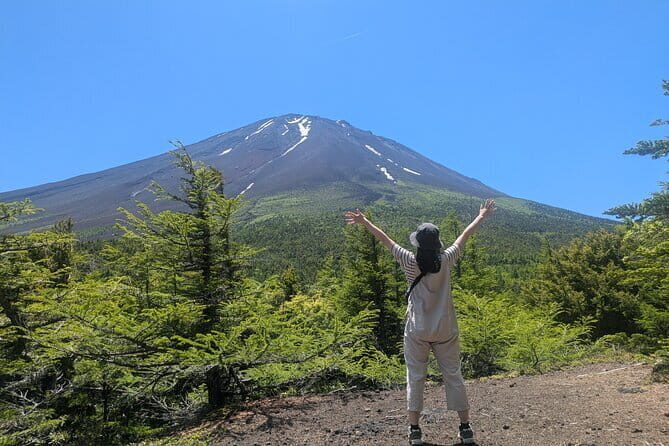
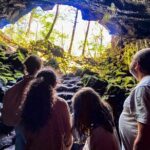
Then comes one of the more unusual stops: the Funatsu Tainai Jugata Lava Tree Mold. This is described as a historical cave where Fuji-ko pilgrims paid homage before they started climbing Mt. Fuji. You’ll actually go inside the cave and have what the tour frames as a spiritual experience. The time here is about 1 hour, with admission included.
This is a strong fit if you enjoy culture that goes beyond museum facts. The cave links to a lived ritual—something pilgrims did as part of their preparation and mindset. It also helps you understand why Mt. Fuji wasn’t treated as only a mountain with weather and views. It was a destination with belief attached.
What to consider: because you enter the cave, this stop reinforces the “wear good shoes” theme. You’ll want to feel stable moving in and out, and you’ll likely do better if you take your time rather than rushing the walk-through.
You can also read our reviews of more private tours in Fujikawaguchiko machi
Kitaguchi Hongu Fuji Sengen Jinja: seeing the meaning, not just the surface
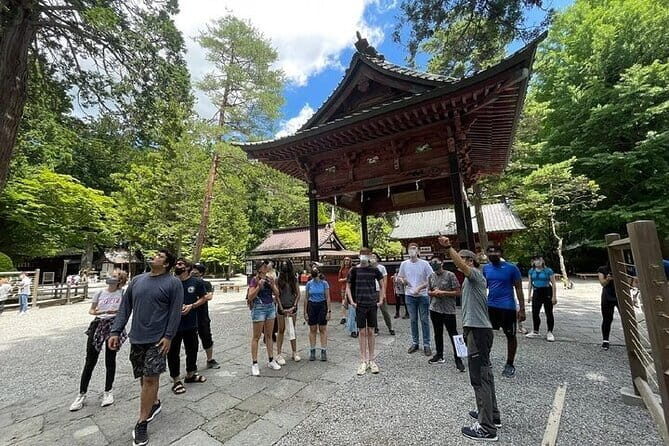
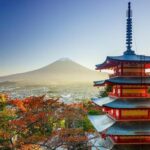
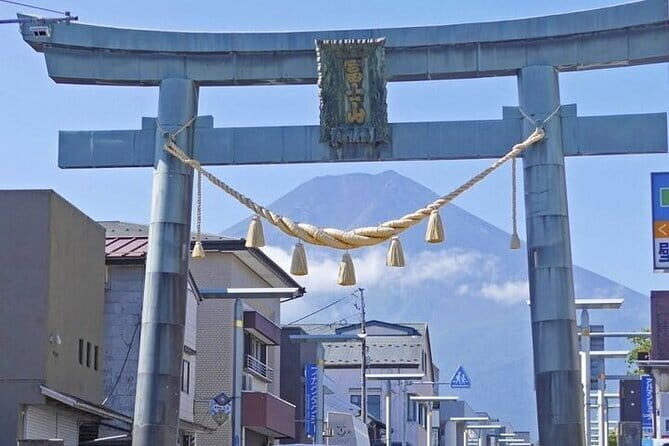
Your final major cultural stop is Kitaguchi Hongu Fuji Sengen Jinja Shrine. It’s one of the main sightseeing areas in the Mt. Fuji region, and the tour explains that many people only notice the surfaces unless someone guides them. You’ll get history and cultural context so you understand the significance instead of just photographing the architecture.
Time here is about 1 hour, and admission is free.
This is a useful reminder for shrine visits anywhere in Japan: there’s usually a difference between looking at a place and understanding what it represents. A well-timed guide explanation can change how you feel standing there—what you notice first, what you think about, and what you remember after the trip ends.
Also, since this is the late part of the route, you’ll likely feel a natural wrap-up effect. After caves and forest time, the shrine becomes the day’s “meaning” anchor.
Price and value: what $99.40 buys you in real terms
The price is $99.40 per person, and it’s a private tour with private transportation, a guide/driver, lunch, and all fees and taxes included. Some admissions are listed as free, while cave admissions are explicitly included (like Narusawa Ice Cave and Funatsu Tainai Jugata).
Here’s the value logic that matters: this itinerary strings together multiple specific sites in the Fuji Five Lakes area. If you tried to do it alone, you’d likely spend time figuring out transit and timing between stops, especially with caves and forest walking in the mix.
So the cost isn’t just for “sightseeing.” You’re paying for:
- private logistics that connect the route smoothly
- a guide who adds context to each site, especially the spiritual parts
- lunch, which helps keep the day from turning into an expensive snack hunt
One small downside for budgeting: drinks and snacks aren’t included, so bring cashless flexibility or plan a quick drink stop if you need it.
The 6-hour flow: where your time goes and how to prepare
This tour runs for about 6 hours, starting around 9:00am and returning back to the meeting point at Kawaguchiko Bus Station No.2. It’s a structured route, with each stop getting a clear block of time: a 15-minute walking moment at Sankodai, a longer forest section, then two cave visits plus the shrine.
If you’re planning your day around it, I’d treat this as the main event. It covers multiple “types” of places: viewpoints, forest, caves, and worship spaces. That makes it ideal for people who only have a limited window in the Fuji Five Lakes area.
What to bring:
- comfortable walking shoes for hilltop and cave entries
- a light layer for caves and shaded forest sections
- a plan for drinks since they aren’t included
If you have mobility concerns, it’s worth sharing them early. In a provided example, Momo adjusted the flow for a 75-year-old mother with difficulty walking long distances, so the tour isn’t rigid in practice.
Who this tour is best for (and who might prefer something else)
This is a good match if you:
- want Mt. Fuji culture and spiritual tradition, not just views
- enjoy guided explanations that help you “read” what you’re seeing
- like a blend of nature walking and heritage stops
It might be less ideal if you:
- want a pure photo tour with minimal walking and minimal talking
- hate caves or don’t feel comfortable with uneven forest terrain
But even then, the route includes multiple time styles. You get a strong viewpoint start, then nature time with forest bathing, and later cultural stops where the guide’s interpretation can help you enjoy the day without needing to be a history expert.
Should you book this Mt. Fuji culture and nature walk?
I’d book this tour if you want your Mt. Fuji visit to feel like a story. The pairing of Sankodai’s view, Aokigahara forest walking, and the pilgrimage-linked cave stops creates a day that’s tied together by meaning, not just distance.
Choose it with confidence if you appreciate context and you like guided pacing. The private setup and the lunch included for $99.40 make it a practical value, especially if you’d otherwise struggle with timing between sites.
Skip it only if you’re looking for a low-effort, photo-only outing. This is for people who want to understand Mt. Fuji while walking through the places people used for belief, preparation, and worship.
FAQ
Is this a private tour?
Yes. This is a private tour/activity, so only your group participates.
Where does the tour start, and where does it end?
It starts at Kawaguchiko Bus Station No.2 and ends back at the same meeting point.
How long is the tour?
The duration is about 6 hours.
What is included in the price?
The price includes all fees and taxes, private transportation, lunch, and the guide/driver. Some admissions are free and some are included (like Narusawa Ice Cave and Funatsu Tainai Jugata).
Are admissions included for the caves?
Yes. Narusawa Ice Cave admission is included, and Funatsu Tainai Jugata Lava Tree Mold admission is included. Other listed stops have free admission.
Can I cancel for a refund?
Yes. Free cancellation is available up to 24 hours before the experience’s start time for a full refund.