REVIEW · FUJIKAWAGUCHIKO MACHI
Mt. Fuji Customized Private Tour: See Top Attractions in 1 Day
Book on Viator →Operated by Japan Wonder Travel · Bookable on Viator
A day around Mt. Fuji can be a blur. This private, customizable tour turns it into a guided plan, with your route and a local guide handling the timing. I like that you get the big-photo classics like the Mt. Fuji Viewdeck option, plus quieter, weirder places like the Aokigahara Forest ice cave. The main drawback to plan for: if clouds hide the peak, you may spend more of the day on lakes, shrines, and museum stops than on that perfect Fuji silhouette.
You meet your guide at Kawaguchiko Station around 9:00 am and then drive in whatever direction matches your priorities. Guides I learned about through past trips, like Yuko, Cindy, and Yumiko Matsui, are praised for being flexible and practical, including where to eat (like hoto noodles) and what to see up close. It’s a long day (about 8 to 12 hours), with walking that’s described as moderate, so good shoes matter.
In This Review
- Key things that make this Mt. Fuji day trip work
- Entering Mt. Fuji country from Kawaguchiko without the stress
- Choosing your priorities: Viewdeck vs ropeway vs forest
- Mt. Kachikachi Ropeway: the quick altitude jump for Fuji photos
- Aokigahara Forest and the 1,100-year-old ice cave interior
- Arakurayama Sengen Park and Chureito pagoda for the classic composition
- Oshino Hakkai ponds: the quiet Fuji-side ponds stop
- Kawaguchi Lake and Oishi Park: nature-time with wide open views
- The kimono museum option for a slower, indoor break
- Sake brewery stop: tasting and the Fuji water story
- Traditional lunch: how to make the meal slot count
- Shopping, snacks, and small extras your guide can work in
- Where the route options matter most: energy budgeting
- Price and value: why $201.97 can be fair or frustrating
- Best-fit travelers for this Mt. Fuji private day trip
- Should you book this Mt. Fuji customized private tour?
- FAQ
- Where do I meet my guide for the Mt. Fuji customized private tour?
- How long is the tour?
- What sights can I choose from in the customized itinerary?
- Are entrance fees, admissions, and meals included in the price?
- Is the tour private?
- What happens if weather is bad?
Key things that make this Mt. Fuji day trip work
- Custom itinerary choices let you mix viewpoints, lakes, and museums without wasting time
- Mt. Fuji without climbing means you can aim for scenery while staying within a one-day plan
- Aokigahara Forest option can include the 1,100-year-old ice cave interior (time can add up)
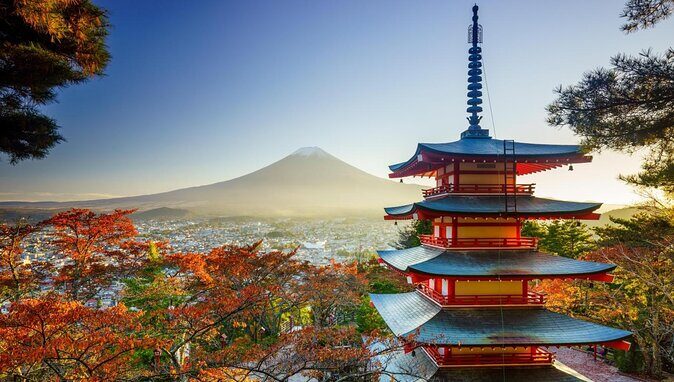
- Arakurayama Sengen Park + Chureito pagoda gives you the classic shrine-and-Fuji composition
- Local guide guidance shows up in real details like meal picks and route tweaks
- Many admissions are on you (entrance fees, admission fees, meals, and transport for both of you)
Entering Mt. Fuji country from Kawaguchiko without the stress
Kawaguchiko is the smart base for a one-day Mt. Fuji orbit. You’re close enough for short rides between sights, but far enough from Tokyo to feel like you’re actually in Fuji country. Since the tour is private, you’re not stuck marching with a crowd or waiting for slow walkers to catch up.
Your day starts at Kawaguchiko Station (3641 Funatsu, Fujikawaguchiko). Pickup is offered, and you’ll be near public transportation, so it’s not a remote meet-up in the middle of nowhere. Once you’re with your guide, you can shape the day around what you care about most: the best Fuji views, nature, photography spots, sake, or a mix.
You can also read our reviews of more private tours in Fujikawaguchiko machi
Choosing your priorities: Viewdeck vs ropeway vs forest
The heart of this tour is that it’s not one fixed loop. The guide will build your schedule based on what you select—then they’ll handle the timing so you don’t bounce between distant areas without breathing room.
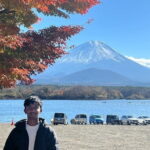
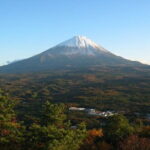
If your top goal is iconic views, you’ll likely spend time at a Mt. Fuji Viewdeck. This is one of those stops where the payoff is simple: stand, look, take photos, and appreciate that you’re seeing the mountain in a way most people only manage from postcards. In the same spirit, the Mt. Kachikachi Ropeway option is designed to lift you above the everyday foreground so the scenery reads better.
If you want something more offbeat, you can shift the center of gravity to nature. The Aokigahara Forest option is one of the big choices, and it’s not a quick bathroom-stop type of add-on—it can take hours, especially if you include the ice cave interior. Plan this kind of day only if you feel good walking and you’re okay with a longer time budget.
Mt. Kachikachi Ropeway: the quick altitude jump for Fuji photos
When the itinerary leans toward the ropeway, you’re looking at about 1.5 hours for the stop. That’s enough time to ride, look around, and still avoid feeling rushed. Ropeways in Japan work best when you treat them as viewpoints first, attractions second, and that’s how this works.
The value here is not just height. It’s framing. Instead of seeing Fuji from ground level with trees and buildings cluttering the foreground, you get a cleaner visual line. If you’re traveling with kids or anyone who doesn’t want a lot of walking, this can be a nice compromise: scenic without turning the day into a hike.
The only consideration is weather. If visibility is low, ropeway views can feel muted. In that case, your guide can still lean on other planned stops like lakes, shrines, or museums to keep the day from turning into a waiting game.
Aokigahara Forest and the 1,100-year-old ice cave interior
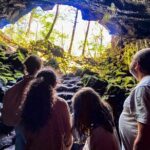
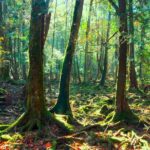
This is the stop that turns a Mt. Fuji sightseeing day into something more memorable. The Aokigahara Forest option can be scheduled for about 3 hours, and it may include the 1,100-year-old ice cave interior.
Here’s why it’s worth planning for: the ice cave offers a contrast you don’t get at most “Mt. Fuji view” spots. You’re not just looking up at a mountain; you’re seeing how the region’s climate and geography create something very specific and very Fuji-adjacent.
The drawback is time and energy. Three hours in forest settings plus cave conditions means you should dress for cooler indoor temperatures, even if the morning starts warm. You’ll also want comfortable shoes because even moderate walking can feel longer when you’re moving through damp or uneven areas.
If you’re traveling as a family, this is also where a good guide earns their fee. A skilled local guide can pace the group, adjust your route if the cave timing changes, and pick the parts of the forest experience that match your interests.
Arakurayama Sengen Park and Chureito pagoda for the classic composition
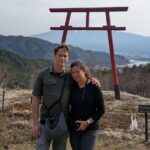
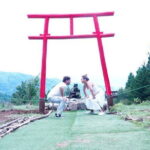
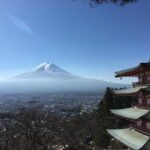
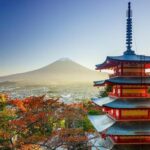
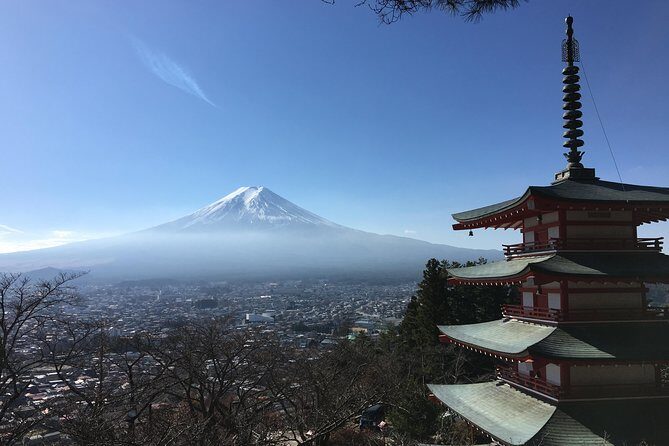
If you’ve seen the famous Chureito pagoda photos, this is where the magic happens. The schedule can include Arakurayama Sengen Park, with the Chureito pagoda area allotted around 2.5 hours in one of the itinerary options.
Why this stop works: it gives you a recognizable Fuji composition in a setting that feels Japanese, not theme-park. You’ll also be in a shrine area, which means you’re not just doing a photo sprint—you can slow down, read the details, and enjoy how locals use the space.
The drawback is crowds and walking demand. Even though this tour is private, the most iconic view spots in the Fuji area still attract people. Your guide can help you manage timing by deciding how long to spend where, and by choosing the best angle and route within the park.
If your group wants a mix of photos and culture, this is the anchor stop.

Oshino Hakkai ponds: the quiet Fuji-side ponds stop
Oshino Hakkai is a classic for a reason: it gives you a Fuji-feeling that’s grounded in water and springs rather than just elevation. The schedule includes Oshino Hakkai for about 1 hour, and admission is listed as free for you and the guide.
This is where the day can feel like it stops moving so fast. Instead of jumping between viewpoints, you get a calmer pocket where you can appreciate how the region’s spring water shapes the area. For photographers, water reflections can be a real bonus, especially in clearer weather.
The main consideration is pacing. If you already spent a lot of time on ropeway viewpoints, keep Oshino Hakkai as a recovery moment rather than another frantic “see everything” stop. A guide who’s good at customizing will know when to slow down.
Kawaguchi Lake and Oishi Park: nature-time with wide open views
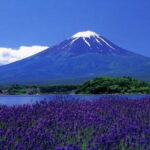
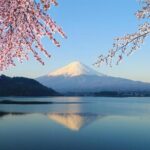
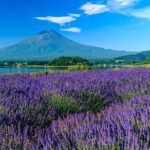
Another itinerary option shifts toward water and open-air views. Kawaguchi Lake can be on your schedule, and Oishi Park is listed for about 1.5 hours.
I like these stops because they’re flexible. If Fuji is clearly visible, the lake-and-park views turn into instant payoff. If the peak is hiding behind cloud, these spots still have value because the scenery isn’t only about one view. You’re looking at the shape of the area.
Practical tip: if you’re someone who gets motion-sick, you’ll usually be in calmer, shorter ride segments compared with bigger day trips. The schedule still involves getting between sights, but it’s not one long freeway drive after another.
The kimono museum option for a slower, indoor break
Not every part of a Mt. Fuji day has to be outdoor walking. One itinerary option includes Kuroda Itchiku Kimono Museum for about 1 hour, and that can be a great mid-day reset if weather turns or if your group includes people who prefer indoor time.
Museums also help when Mt. Fuji visibility is unpredictable. If the skies aren’t cooperating, you’re not stuck outside hoping for a miracle. Instead, you have a structured stop where you can stay warm, sit down, and learn something that isn’t just “more photos.”
The only caution is to treat it as a flexible choice. The tour is customizable, so if your group isn’t into museums, you can swap it for another lakeside or shrine stop.
Sake brewery stop: tasting and the Fuji water story
A sake brewery is included as a potential stop. The tour description specifically mentions seeing the process of producing this Japanese spirit from pure melted water from Mt. Fuji.
That detail matters because it connects the mountain to daily life. You’re not just treating Fuji as a backdrop; you’re seeing how its water becomes something people actually drink and celebrate.
Timing is the question. The tour is private and flexible, but any tasting-style stop can add up, especially if you’re including multiple other viewpoints. A good guide will set expectations and pace it so you don’t lose the day’s other highlights.
Traditional lunch: how to make the meal slot count
Lunch is planned for about 1 hour, and it’s an own-expense stop. You’re not paying for a set meal through the tour package, which means you get a choice in what you order—but it also means you need to be ready to decide once you arrive.
In past experiences connected to this route, guides have been praised for picking good local meals. For example, hoto noodles came up as a highlight, and it’s the kind of regional comfort food that fits Fuji country well. If your guide offers suggestions, take them. Guides like Yuko and Yumiko Matsui are specifically noted for steering people toward satisfying local spots.
Simple strategy: tell your guide early if you have dietary needs or strong preferences. Since the day is customizable, they can factor it into your route and meal timing.
Shopping, snacks, and small extras your guide can work in
One of the nice parts of private tours is the ability to add or swap small moments without derailing the schedule. In the experiences tied to this itinerary, extra items like corn ice cream showed up as part of a fun day flow.
If you care about photography, ask your guide where short breaks for photos make sense. A custom day works best when you treat it like a conversation, not a checklist.
Where the route options matter most: energy budgeting
This tour can run 8 to 12 hours depending on what you pick. That’s normal for a Mt. Fuji day because you’re stacking multiple sights in one region, and the “optional” stops like the forest, ice cave, or longer park time can expand the day.
Here’s how I’d budget your energy:
- If you want Aokigahara + ice cave, plan for a longer, more physically involved day.
- If you want mostly viewpoints and shrines, you can keep walking more controlled and still get strong Fuji moments.
- If you want a museum + lake/park mix, you’ll likely have a smoother rhythm with indoor time.
Also remember the walking is described as moderate. You don’t need hiking boots, but you do need comfortable walking shoes. Rain or shine, you’ll be outside at least some of the day.
Price and value: why $201.97 can be fair or frustrating
At $201.97 per person, this isn’t the cheapest way to see Mt. Fuji. But value here comes from three things: privacy, customization, and a professional local guide.
Private is big. When the day is tight, it’s hard to DIY the best order of stops. Customization is also big because Fuji area sights can be swapped based on weather, interests, and pacing. And the guide’s role goes beyond driving—they’re responsible for making the day feel coherent.
The potential frustration is that many costs are listed as not included: entrance fees and admission fees (for you and the guide), meals and drinks, and public transport/transport fares. The tour includes the guide, but you’re often paying the “site price” yourself. If you’re planning multiple paid attractions, your final day cost can rise quickly.
If you’re traveling with a group, the listing notes group discounts, which can improve the per-person value. Even if you’re not, consider this: paying for convenience can be worth it when you’d otherwise spend hours figuring out routes, timing, and ticket lines.
Best-fit travelers for this Mt. Fuji private day trip
This is a great match if you want a guided day with flexibility. I’d especially recommend it for:
- First-timers who want a Mt. Fuji overview without climbing
- Families who need route pacing and a guide who can adjust
- People who care about specific photo angles, like Chureito pagoda and Fuji view spots
- Anyone who wants nature contrast, especially with the Aokigahara ice cave option
It’s less ideal if you want a cheap, fully included package. Because admissions and meals aren’t included, you’ll need to budget for on-site costs.
Should you book this Mt. Fuji customized private tour?
If you like having a plan that can change based on what your group wants, I think this is a strong booking. The private guide setup, the ability to choose between viewpoint-heavy days and nature-heavy days, and the option for Chureito pagoda and Aokigahara make it easier to shape a memorable Fuji day instead of hitting stops at random.
I’d book it if you’re willing to handle admissions and meals on your own and you’re okay with a long day. If you want a short, low-walking, fully packaged experience where everything is paid up front, you might feel nickel-and-dimed by extra site fees.
Ultimately, this tour makes sense when you want Mt. Fuji area sights to feel connected—and when you trust a local guide to manage the day’s flow.
FAQ
Where do I meet my guide for the Mt. Fuji customized private tour?
You meet at Kawaguchiko Station (address listed in the tour details). The tour starts at 9:00 am and ends back at the meeting point.
How long is the tour?
The duration is listed as approximately 8 to 12 hours, and it’s described as a one-day Mt. Fuji area day trip.
What sights can I choose from in the customized itinerary?
You can choose among options such as Mt. Kachikachi Ropeway, the Mt. Fuji Viewdeck, Aokigahara Forest (including the 1,100-year-old ice cave interior if included), a sake brewery, Kawaguchi Lake, Oishi Park, Kuroda Itchiku Kimono Museum, Arakurayama Sengen Park (with the Chureito pagoda area), and Oshino Hakkai. Additional options like Saiko Iyashi no Sato Nemba and Kawaguchiko Music Forest Museum may also be added if you request them.
Are entrance fees, admissions, and meals included in the price?
No. Entrance fees and admission fees for you and the guide are not included. Meals and drinks for you and the guide are also not included, and public transportation/transport fares for you and the guide are not included.
Is the tour private?
Yes. It’s a private tour/activity, meaning only your group participates.
What happens if weather is bad?
The tour runs rain or shine.
If you want, tell me your travel month and what you care about most (views, nature, culture, food, or museums). I can suggest a realistic mix of the available stops for a smooth one-day route.