REVIEW · FUJIKAWAGUCHIKO MACHI
Mt. Fuji Five Lakes Tour with Guide & Vehicle (Kawaguchiko Dep)
Book on Viator →Operated by Japan Guide Agency · Bookable on Viator
Fuji in one guided, well-timed day. This Mt. Fuji Five Lakes tour lets you skip the stress by getting picked up right from your hotel, then building a route around the views and history that interest you most. I especially like the private guide and the fact that there is no meeting place to hunt down.
My second big win is how the day stays flexible. You can pick 3-4 stops from the classic Fuji area highlights, from Lake Kawaguchiko to Oshino Hakkai, plus options like the Kachi Kachi Ropeway and the Mt. Fuji 5th Station. The one real drawback to plan for is cost: some sights require extra paid admission, so you will want to budget for tickets beyond what’s included.
Here is the practical truth: Fuji area weather can be unpredictable, and a 6-hour schedule means each stop gets just enough time to enjoy it—no lingering all afternoon. If you want a slow, unhurried pace, you may feel a bit rushed. If you want a smart hit list with a guide steering the car, this works well.
In This Review
- Key points to know before you go
- Hotel Pickup to Kawaguchiko: what this tour gets right
- How the 3–4 stop plan fits into a 6-hour schedule
- Lake Kawaguchiko: your best start for Fuji views
- Mt. Fuji Panoramic Ropeway (Kachi Kachi): worth it if you like altitude viewpoints
- Oshino Hakkai: the water story behind the Fuji Five Lakes
- Chureito Pagoda at Arakurayama Sengen Shrine: the classic photo stop
- Fuji shrines: Kitaguchi Hongu Fuji Sengen Jinja and Kawaguchi Asama Shrine
- Kitaguchi Hongu Fuji Sengen Jinja
- Kawaguchi Asama Shrine
- Narusawa Ice Cave: lava cave in Aokigahara forest
- Mt. Fuji Subaru Line 5th Station: included admission and the halfway vibe
- Price and value: $731.65 per group for up to 2 people
- Guide quality you can feel: Kei (K) and Reiko as examples
- What I’d pick from the menu (and why)
- Should you book this Mt. Fuji Five Lakes private tour?
- FAQ
- How long is the Mt. Fuji Five Lakes tour?
- Where does pickup happen?
- Is this a private tour?
- How many stops can I choose?
- Are entrance fees included?
- What vehicle and guide are provided?
- How many people can book under one group?
- Can I get a full refund if my plans change?
Key points to know before you go
- Hotel pickup, no meeting point: Your licensed guide meets you at your accommodation, so you can start stress-free.
- Choose 3-4 stops: You customize from the must-see list instead of being stuck on a rigid route.
- Fuji viewpoints plus culture: You mix scenery (lakes, ropeway) with sacred sites and local water lore.
- Extra admissions are likely: The Mt. Fuji Subaru Line 5th Station admission is included, while several other stops are not.
- A private vehicle for your group: You get a comfortable ride with a guide who can adjust on the fly.
- Guide quality matters: Feedback highlights standout guides like Kei (K) and Reiko for keeping the day engaging.
Hotel Pickup to Kawaguchiko: what this tour gets right
The best part of this experience is simple: you do not need to go to a meeting place. Your guide comes to you, which instantly removes one annoying travel step. In a day focused on Mt. Fuji, that time-saver matters.
You also get a private vehicle. That’s not just comfort. It’s time. Instead of sorting out timing with public transport, you’re traveling Tokyo-to-Fuji area with a driver and a guide who can route you between stops. For a 6-hour day, that efficiency is a big deal.
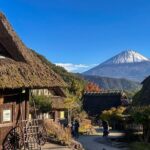
And because the guide is local and English-speaking (licensed and local), the day tends to flow with context, not just sightseeing checkmarks. Mt. Fuji is described as a sacred symbol of Japan, and the itinerary leans into that theme through shrines and local history alongside the views.
You can also read our reviews of more guided tours in Fujikawaguchiko machi

How the 3–4 stop plan fits into a 6-hour schedule
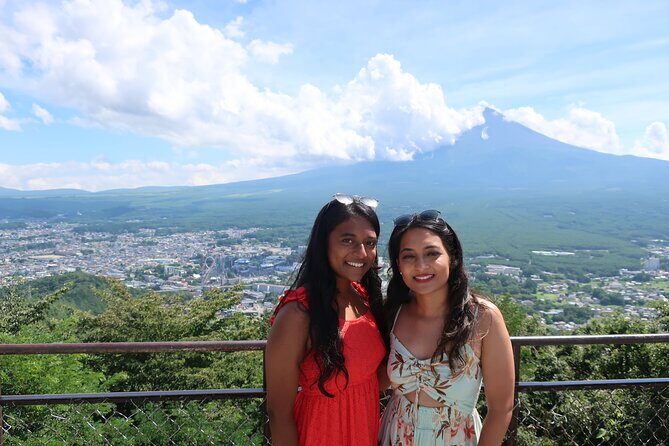
The itinerary is built around a menu of stops. Your group picks 3-4 sites, and the total tour time is about 6 hours. That design keeps things realistic: you get variety without burning the whole day in transit.
Here’s how to think about the pacing. Many stops are around 30 minutes, with a couple longer choices near the hour mark. That means you should treat each stop as a focused visit: see the key viewpoint, walk the most important areas, grab your photos, then move on.
Also, admissions are not handled the same way for every stop. The Mt. Fuji Subaru Line 5th Station admission is included, while other places list entrance fees as not included. Some stops are marked free (like Oshino Hakkai and several shrines), so your final cost will depend on which mix you choose.
Lake Kawaguchiko: your best start for Fuji views
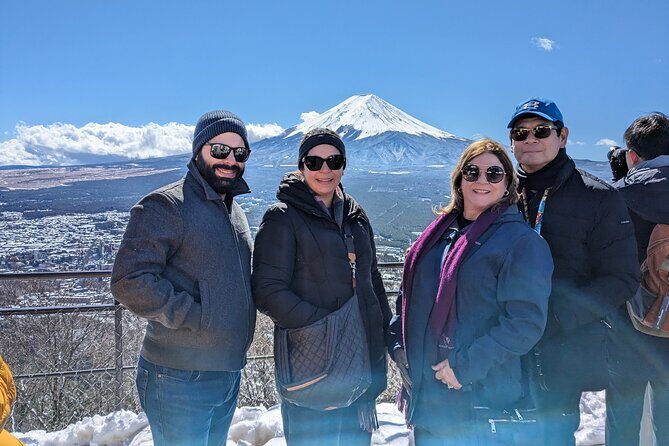
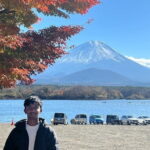
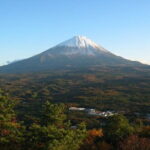
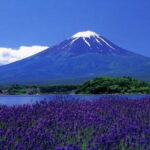
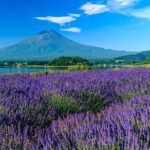
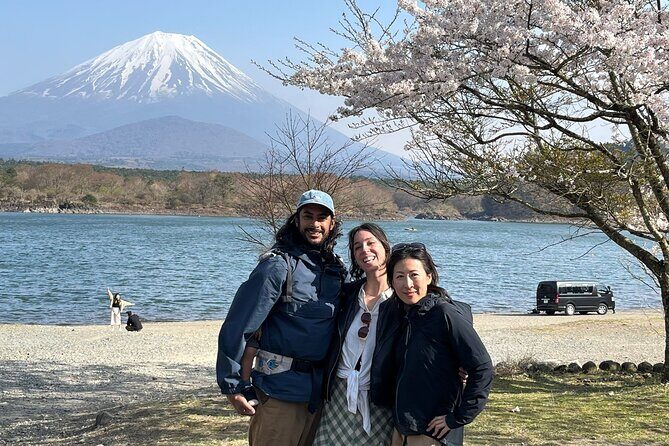
Your first stop is typically Lake Kawaguchiko, one of the Fuji Five Lakes region anchors. The Fuji Five Lakes area is described as five lakes and resort areas at the foot of Mt. Fuji, so you’re stepping right into the postcard setting.
You get about an hour here. In practical terms, that’s enough time to settle in, orient yourself, and find your preferred angle for pictures. If you care about scenery most, this is the stop that usually sets the tone for the whole day.
One benefit of starting with the lake area is that it gives you a clear sense of where Mt. Fuji sits in relation to the water. Even if clouds come and go, the region still feels grounded and real—this isn’t just a quick roadside pull-off.
Mt. Fuji Panoramic Ropeway (Kachi Kachi): worth it if you like altitude viewpoints
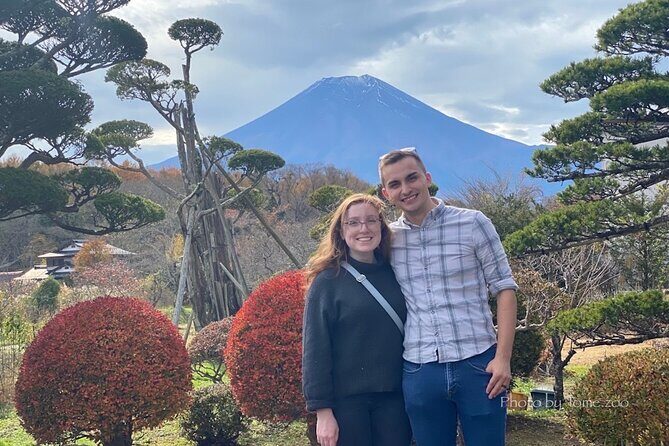
A popular optional add-on is the Mt. Fuji Panoramic Ropeway, known locally as the Kachi Kachi Ropeway. It runs to the summit of Mt. Tenjo, and the payoff is a wide view over Mt. Fuji and Lake Kawaguchiko.
This stop is short—around 30 minutes—so it’s not a “hang out all afternoon” choice. But ropeways tend to work perfectly for limited-time sightseeing because the big view happens quickly.
Two practical notes:
- Admission is listed as not included, so check your budget.
- Because this is a short hop, you’ll want to be ready to go when you arrive. Wear shoes you can move in comfortably.
Oshino Hakkai: the water story behind the Fuji Five Lakes
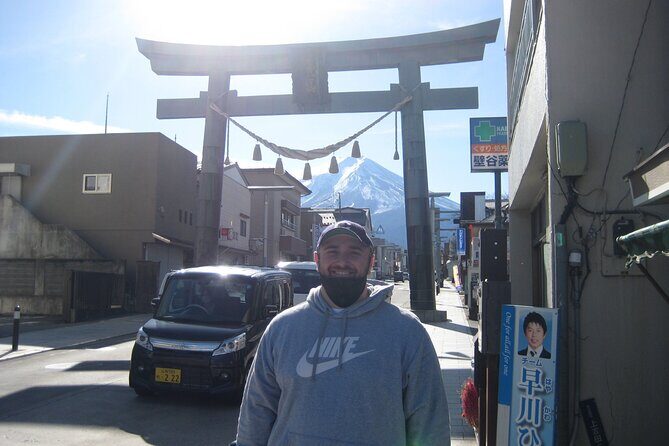
Next up is Oshino Hakkai, a traditional Japanese village set near the Fuji Five Lakes area. The star detail is the eight ponds formed from spring water fed by snowmelt from Mt. Fuji.
This stop is listed at about an hour and includes free admission. That combination is rare value in a day packed with attractions. You’re not only seeing scenery—you’re also getting a clear explanation for why this area looks and behaves the way it does.
If you like places that feel rooted in local life (not just views), Oshino Hakkai is a strong choice. Even if you’re traveling with someone who isn’t obsessed with photographs, the “where does the water come from” idea gives the visit a brain-friendly anchor.

Chureito Pagoda at Arakurayama Sengen Shrine: the classic photo stop
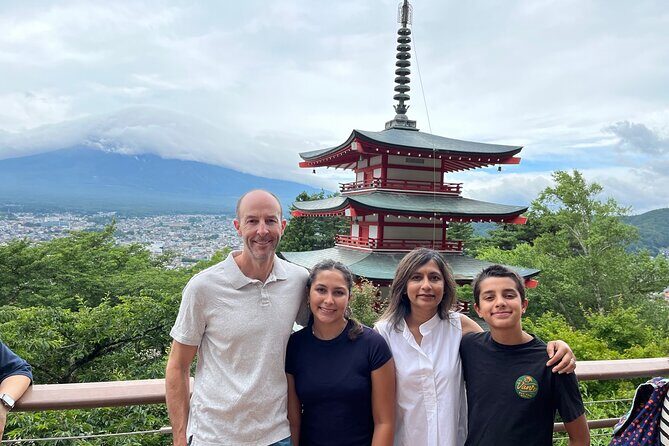
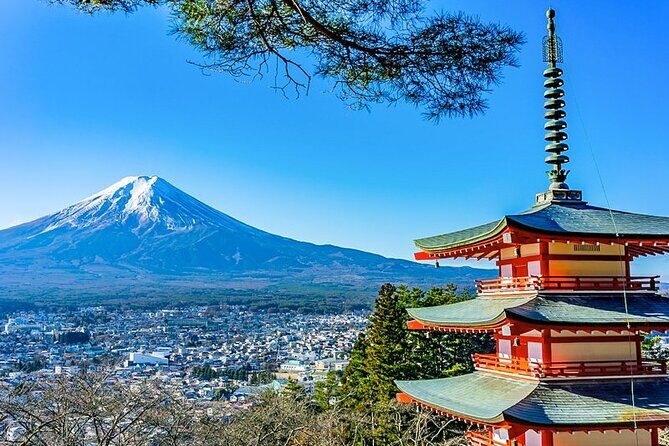
If you choose Chureito Pagoda, you’re going for one of the region’s most famous images. It’s part of the Arakurayama Sengen Shrine in Fujiyoshida City, and it’s specifically called out as the most popular photo spot for Mt. Fuji.
You get about 30 minutes. That is enough to reach the viewpoint, take pictures, and then walk away before time pressure turns it into a sprint.
A couple of practical realities to keep in mind:
- This stop is free, which helps if you’re trying to keep overall costs down.
- Time is tight. If you’re picky about framing, you may want to choose this when you can focus fully for a short window.
Fuji shrines: Kitaguchi Hongu Fuji Sengen Jinja and Kawaguchi Asama Shrine
Two shrine options round out the cultural side of the day:
Kitaguchi Hongu Fuji Sengen Jinja and Kawaguchi Asama Shrine.
Kitaguchi Hongu Fuji Sengen Jinja
This is a Shinto shrine on the north side of Mt. Fuji, located between Lake Kawaguchiko and Lake Yamanaka. It’s included as a short 30-minute visit with free admission. If you want your Fuji day to feel grounded in meaning (not just scenery), this stop helps.
Kawaguchi Asama Shrine
This one comes with extra depth. It is registered as a world cultural heritage site and was built to calm an eruption of Mt. Fuji that happened in 864. You also learn about the sacred tree of seven cedars, called Shichi-hon Sugi.
This stop is also about 30 minutes and free. If you like learning why places exist, this is one of the best “story stops” in the lineup. It turns your day from photo hunting into understanding how local people relate to the mountain.
Narusawa Ice Cave: lava cave in Aokigahara forest
If you want something a bit different from lakes and shrines, add Narusawa Ice Cave. It’s a 153m lava cave located in the Aokigahara Forest. You can walk inside and see ice pillars and ice walls all year round.
This is a 30-minute stop, and admission is listed as not included. Since it’s inside a cave, it’s also a smart pick when you want a change of scenery. It’s not as “instant photo-famous” as the pagoda, but it’s memorable in a grounded, physical way.
Practical tip: cave visits are usually best with layers you can manage, because temperatures can feel different than outside. Even without exact specs, it’s safe to plan for some chill.
Mt. Fuji Subaru Line 5th Station: included admission and the halfway vibe
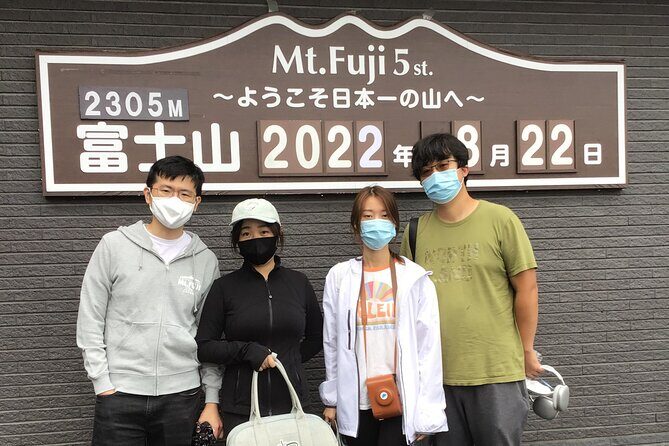
The day can also include Mt. Fuji Subaru Line 5th Station. This stop is about halfway up the Yoshida Trail, and you get around an hour here. Entrance is listed as included, which makes it a strong value anchor if you’re budgeting tightly for tickets.
This is one of the most “Mt. Fuji-focused” stops on the menu because it gets you closer to the mountain’s higher-altitude zone than the lake and shrine areas. Even if the views are partly blocked, the station still changes the feel of the day. You go from lakeside context to mountain context.
Because this stop is included and lasts longer than many others, it’s a good candidate when you want one part of the itinerary that is fully accounted for in advance.
Price and value: $731.65 per group for up to 2 people
The price is $731.65 per group, up to 2 people. That is not cheap. The value only makes sense if this tour replaces several separate problems you’d otherwise handle alone: arranging transport, finding the right stops, and doing it without a language barrier.
Here’s how I judge the value for you:
- If you’re traveling as a couple (or two people who want the same route), splitting the cost can make it easier to swallow.
- The guide adds real leverage. A licensed local guide can explain what you’re seeing and help you choose between similar-feeling options from the list.
- The pickup-at-your-hotel feature is a hidden money-saver in time and effort. You’re paying for convenience, not just sights.
Where the cost can sneak up is admissions. Several stops say entrance is not included (like the ropeway and ice cave). Some are free (Oshino Hakkai, Chureito Pagoda, multiple shrines). The final cost lands closer to the tour price if you lean into the free stops and the included 5th Station.
If you are solo and okay with public transport, you can probably do Fuji on your own for less. But if you want the smooth ride, tight planning, and someone local steering the day, this private format can feel like a bargain.
Guide quality you can feel: Kei (K) and Reiko as examples
The tour is guided by a licensed local English-speaking professional. In real feedback, Kei (K) is highlighted for making the day engaging even for a 15-year-old son, not just keeping adults entertained. Reiko is also praised for thoughtful planning and teaching, so the day feels more like a guided experience than a vehicle with stops.
That matters because the itinerary has short time windows. A good guide helps you make those minutes count—where to look first, what to prioritize, and how to connect the dots between lakes, shrines, and mountain viewpoints.
If you like learning while you walk (and you want your family member to stay interested too), the guide is the main reason this tour works.
What I’d pick from the menu (and why)
You can choose 3-4 sites from the list, so you should build around your priorities:
- If you want the classic Fuji + lakes vibe: start with Lake Kawaguchiko, add the Kachi Kachi Ropeway, then choose either Chureito Pagoda or one of the shrines.
- If you want culture and meaning: skip the ropeway if you prefer walking time elsewhere, and build your day around Oshino Hakkai plus Kawaguchi Asama Shrine.
- If you want one memorable twist: add Narusawa Ice Cave. It’s different enough that your day won’t feel repetitive.
The biggest planning rule: don’t pick too many short stops that all require ticket spending. With this structure, every choice affects your total cost and your ability to savor each place.
Should you book this Mt. Fuji Five Lakes private tour?
Book it if you want a private, hotel-to-Fuji-day with a guide helping you select the right mix of scenery and sacred sites, and you like the convenience of skipping a meeting point. It’s also a good pick for families who don’t want to wrestle with logistics and prefer a guide who can keep the whole group engaged.
Skip or rethink if you are chasing the cheapest option, because admissions add up depending on which stops you choose. Also, if you strongly prefer a slow pace, know that 6 hours means every stop is tightly timed.
If you’re traveling with one other person and you want this arranged end-to-end, this tour offers clear value: private transport, flexible stop selection, and a guide who can turn a list of places into a coherent Fuji day.
FAQ
How long is the Mt. Fuji Five Lakes tour?
It runs about 6 hours.
Where does pickup happen?
Pickup is offered, and the guide comes to your hotel, so you do not need to go to a meeting place.
Is this a private tour?
Yes. It is private, and only your group participates.
How many stops can I choose?
You can customize the day with 3-4 sites chosen from the available must-see landmarks list.
Are entrance fees included?
Not all of them. Mt. Fuji Subaru Line 5th Station admission is included. Entrance fees are listed as not included for some stops, and a few stops are free (such as Oshino Hakkai and certain pagoda/shrine options).
What vehicle and guide are provided?
You get a private vehicle and a licensed local English-speaking guide.
How many people can book under one group?
The price is per group for up to 2 people.
Can I get a full refund if my plans change?
Yes. You can cancel up to 24 hours in advance for a full refund.