REVIEW · FUJIKAWAGUCHIKO MACHI
Fujisan Sushi Making Lesson
Book on Viator →Operated by お寿司作り体験教室 · Bookable on Viator
Sushi plus Mount Fuji makes sense. I love the hands-on focus on nigiri and rolls, and I also like how the chef teaches Japanese table etiquette and sushi history while you’re cooking. The one thing to consider is timing: the lesson is about 3 hours, so you’ll want to plan your day so you’re not rushing meals before or after.
You’ll be cooking in Fujikawaguchiko-machi with views that make the whole session feel special, not stuck inside a kitchen all day. This is also a private setup for your group, which usually means less waiting and more attention from the chef, plus real Japanese hospitality.
In This Review
- Key highlights worth your attention
- A sushi class with Mount Fuji as your backdrop
- What you actually learn: nigiri, rolls, and the methods you can repeat
- English support from a veteran chef (and why the Japanese part helps)
- The Mount Fuji connection: making the lesson feel like a place, not a program
- Japanese table etiquette and sushi history: the “small rules” that matter
- Vegetarian sushi options and allergies: plan ahead so you can relax
- Price and time: is $229.91 a good deal for what you get?
- Where you meet and how to fit it into a day
- Who should book this sushi making lesson
- Should you book it?
- FAQ
- How long is the Fujisan Sushi Making Lesson?
- How much does it cost per person?
- Where does the lesson start?
- What will I learn in the class?
- Will the instructor teach in English?
- Is there a vegetarian option?
- What if I have food allergies?
- Is this a private activity?
- Is there a cancellation policy?
Key highlights worth your attention
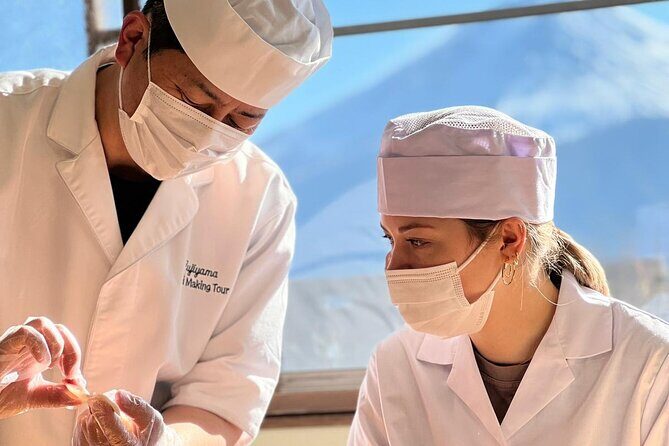
- Hands-on nigiri and sushi rolls you can realistically copy at home
- Japanese etiquette + sushi history explained while you cook
- English instruction from a veteran chef, even if the class includes Japanese
- Mount Fuji views while you prep and shape your sushi
- Trivia and a slideshow that make the cultural bits easier to remember
- Vegetarian sushi available, with allergy notes welcomed in advance
A sushi class with Mount Fuji as your backdrop
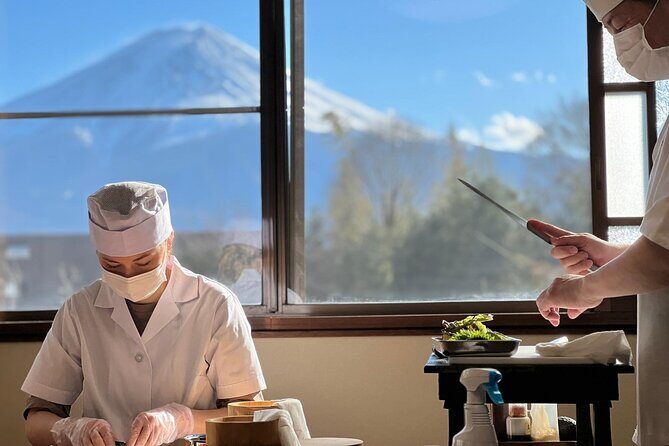
The best parts of Japanese food lessons aren’t just the technique. They’re the small rules that make the food feel right. That’s the vibe here: you learn what to do, then you learn why it’s done that way—so you’re not just copying shapes, you’re building the habit.
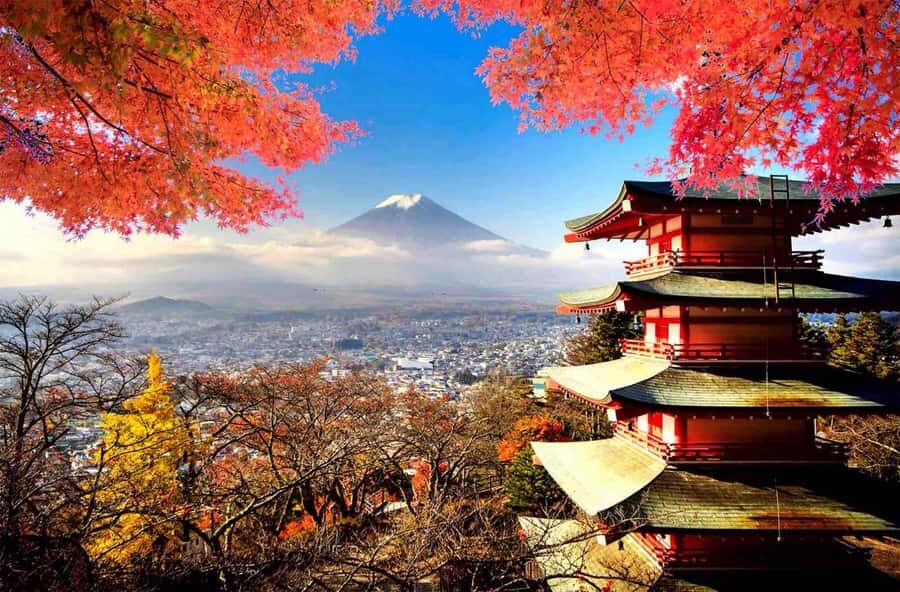
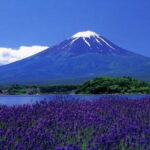
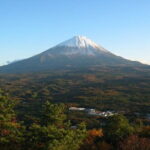
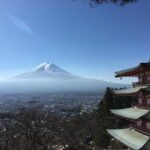
The location matters. Fujikawaguchiko-machi is near Mount Fuji, and the lesson is designed so you can enjoy the scenery while preparing your sushi. Even if you’ve seen Fuji before, it changes your mood. You’re not inside a classroom pretending you’re on a diet of culture—you’re doing the real work, with real views.
A few more Fujikawaguchiko machi tours and experiences worth a look
What you actually learn: nigiri, rolls, and the methods you can repeat
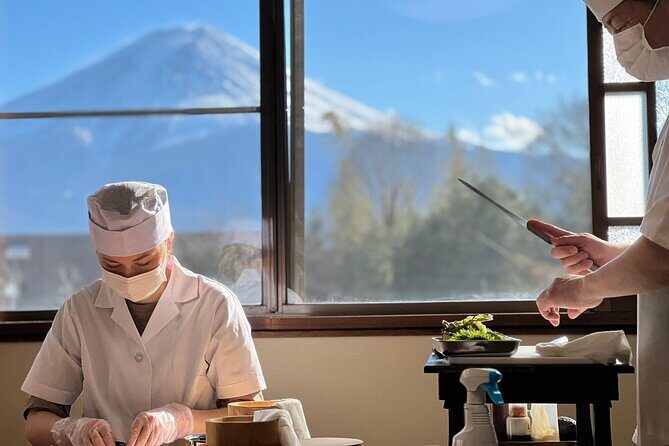
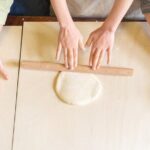
This lesson is built around two core things: Nigiri sushi and sushi rolls. That combination is smart. Nigiri teaches you rice handling and the basics of shaping and pairing fish (or vegetarian options). Rolls teach you how to distribute fillings and control structure so your cut pieces look clean.
You’re not being left with a vague instruction like mix and hope. A professional chef walks you through the cooking methods so you can imitate the results later. For home cooks, that’s the difference between a fun souvenir meal and a skill you keep.
The class also highlights Japanese table manners. Sushi isn’t just food; it’s etiquette. Learning that during the lesson helps you practice in context, not after the fact when your memory has already faded.
English support from a veteran chef (and why the Japanese part helps)
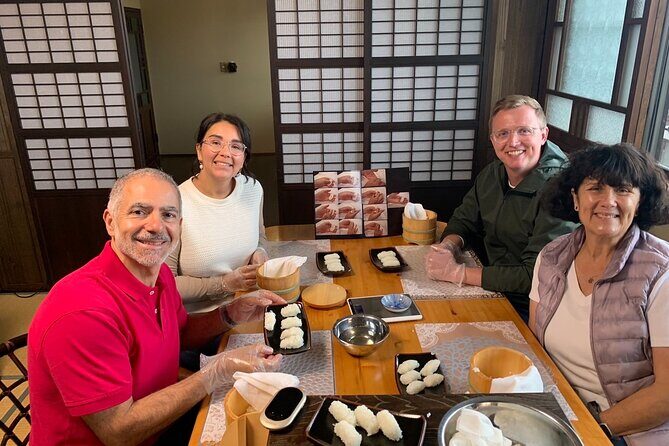
One of the big advantages here is that the chef explains in English, so you’re not stuck Googling every step with wet hands. That reduces frustration and helps you connect the technique to the lesson.
At the same time, the experience includes Japanese. That can be a bonus if you’re curious about language and culture. You’ll likely hear key terms and rhythm as the chef teaches, which makes the whole thing feel more authentic than an all-English demo.
In fact, the tone of the class comes through in details like trivia questions and an informative slideshow. That kind of structure isn’t there to waste time. It helps you remember what you learn—especially the history and cultural pieces that people often forget right after tasting.
The Mount Fuji connection: making the lesson feel like a place, not a program
This is listed with a “Mount Fuji” stop, and it shows in how the experience is framed. Before you start shaping sushi, you’re set up with the kind of surroundings that make the lesson feel grounded in the region.
For value, that matters more than it sounds. A lot of cooking classes could work anywhere. Here, the location adds a layer of meaning: you’re learning Japanese food culture near the landmark people associate with Japan itself. It’s not just a photo op; it changes how you pay attention while cooking.
The practical side: since the chef expects you’ll be working for a few hours, the setting near the station and public transport helps you build an easy day plan. You can pair this with other Lake Kawaguchiko area activities without complicated logistics.
Japanese table etiquette and sushi history: the “small rules” that matter
Sushi history and etiquette might sound like lecture topics. In a good lesson, they become the background texture that makes your sushi better.
Here’s what you can expect the instruction to cover in a practical way: how sushi is approached at the table, and the tradition/history behind it. Learning this while you’re handling rice and forming rolls makes it stick. You’re not memorizing facts for a test. You’re connecting facts to actions—like how you handle the pieces and how you think about balance.
It also helps you avoid common beginner mistakes. Many home cooks can make decent rice, but struggle with consistency: rice texture, seasoning feel, and the way pieces are handled. Etiquette connects to those details because sushi is designed to be eaten in a certain spirit.
The trivia and slideshow element also helps. Even if you already know a bit about sushi, you’re likely to pick up points you didn’t know—especially around culture and how people think about sushi in Japan.



Vegetarian sushi options and allergies: plan ahead so you can relax
If you eat vegetarian, you’re not out of luck. The lesson states that vegetarian is available. That’s important because sushi is often fish-forward, and a good class should adapt rather than treat vegetarian as an afterthought.
Allergies are also something you should take seriously here. You’re asked to let the provider know in advance about any food allergies. That’s a good sign: it means they expect you to communicate needs before cooking starts, when substitutions are easiest to handle.
My advice: if you have allergies, be specific. Don’t just say allergic to fish if you also need to avoid certain sauces or ingredients you’ve had reactions to. The more clearly you explain it upfront, the smoother the lesson will feel.
Price and time: is $229.91 a good deal for what you get?
At $229.91 per person for about 3 hours, this isn’t a bargain-basement activity. It’s priced like a guided, chef-led cooking lesson—plus the setting near Mount Fuji and the extra cultural instruction.
So is it worth it? In my view, the value depends on what you’re trying to get out of it:
- If you want a one-time meal, you might do better with restaurants.
- If you want real technique you can replicate at home, a professional chef and a structured lesson can be worth the spend.
- If you’re traveling with friends or a group, the private group format can make the cost feel less painful because you’re not competing for attention.
Also remember that cooking classes usually cost more than you expect because skill and time are involved. Here, you’re getting both hands-on sushi instruction and the cultural pieces—etiquette and history—taught in a way that supports understanding.
Where you meet and how to fit it into a day
You’ll meet at Kawaguchiko Station (3641 Funatsu, Fujikawaguchiko, Minamitsuru District, Yamanashi 401-0301, Japan). The listing notes it’s near public transportation, which is a big deal around Lake Kawaguchiko where plans can hinge on train and bus timing.
The activity ends back at the meeting point. That keeps the “what now?” question simple. You can finish the lesson and head straight into your next plan without trekking across town.
Because it’s private for your group, you’ll also benefit from less schedule friction once you arrive—no wandering through a crowded group check-in maze.
Who should book this sushi making lesson
This is a strong match if any of the following describe you:
- You want to learn Nigiri and rolls with guidance, not just watch.
- You like the idea of learning Japanese culture through food, including table etiquette.
- You’re traveling with non-Japanese speakers but still want authentic instruction with English support.
- You want a vegetarian option rather than a compromise.
- You enjoy lessons that use more than just cooking—like the trivia and slideshow approach.
It might be less ideal if you’re looking for a short, casual snack stop. This is a real class with a real timeline. Go in hungry, but also plan to be mentally present for the cultural parts.
Should you book it?
Book it if you want something that feels more like a skill workshop than a tourist meal. I like that the lesson is structured around core sushi types—nigiri and rolls—with enough cultural context (etiquette and history) to make your sushi feel more correct at home. The chance to do it with Mount Fuji views adds an extra layer of memory, not just decoration.
Hold off if you’re only chasing the cheapest option or you don’t care about technique. For that, a simple restaurant stop might satisfy you faster.
If you’re on the fence, think about this: the best souvenirs help you do something later. This one’s designed to help you make sushi yourself.
FAQ
How long is the Fujisan Sushi Making Lesson?
The lesson runs for about 3 hours.
How much does it cost per person?
It costs $229.91 per person.
Where does the lesson start?
You meet at Kawaguchiko Station, located at 3641 Funatsu, Fujikawaguchiko, Minamitsuru District, Yamanashi 401-0301, Japan.
What will I learn in the class?
You’ll learn how to make Nigiri sushi and sushi rolls, plus Japanese table etiquette and the history of sushi.
Will the instructor teach in English?
Yes. The chef explains in English, and the class includes Japanese as part of the experience.
Is there a vegetarian option?
Yes. Vegetarian is available.
What if I have food allergies?
You should let the provider know in advance if you have any food allergies.
Is this a private activity?
Yes. Only your group participates.
Is there a cancellation policy?
Cancellation is free up to 24 hours in advance for a full refund. Changes made less than 24 hours before the start time aren’t accepted, and cancellations within 24 hours aren’t refunded.