REVIEW · FUJIKAWAGUCHIKO MACHI
Sushi Cooking Class at Sushi Factory -KIWAMI- Mt.Fuji
Book on Viator →Operated by Japan food entertainment Ltd · Bookable on Viator
If you like hands-on learning, this works.
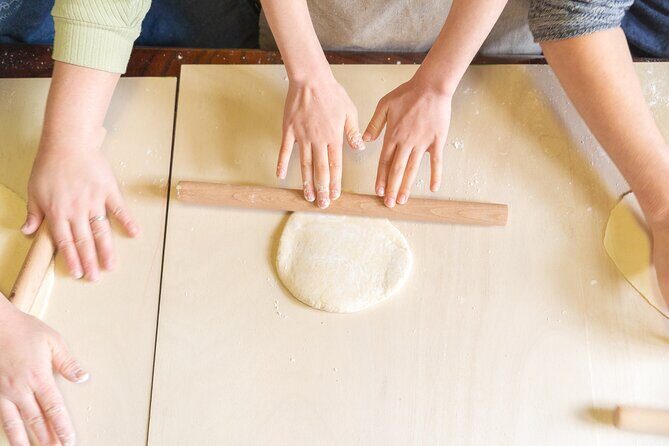
A sushi class plus Fuji views turns an ordinary meal lesson into a playful challenge, where you make multiple sushi styles while solving little missions along the way. I like that it’s actually practical: you shape sushi like Temari, Gunkan maki, Nigiri, and Temaki, not just watch it happen. The class also includes fun add-ons like grating fresh wasabi and making decorative sushi boats and pearls, which keeps the pace moving.
What I also like is the value angle: the price includes lunch and dinner plus all fees and taxes, and the group stays small (up to 15). One thing to consider: the format mixes food craft with games and puzzles, so if you want a purely traditional, quiet cultural workshop vibe, this may feel a bit too much like a show.
In This Review
- Key things to know before you go
- Sushi, puzzles, and Mt. Fuji views: what this experience really feels like
- Where the class starts in Fujikawaguchiko
- Price and value: what you’re paying for (and what you aren’t)
- Inside the lesson: Temari, Gunkan maki, Nigiri, Temaki
- Temari sushi
- Gunkan maki
- Nigiri
- Temaki
- Fresh wasabi: why this little step matters
- The puzzle missions: sushi pearls and decorative boats
- The meal payoff: lunch and dinner included
- Group size and pacing: what up to 15 travelers changes
- Location experience: pairing the class with your Fuji day
- Who should book this sushi class, and who might skip it
- Final call: should you book Sushi Cooking Class at Sushi Factory -KIWAMI- Mt.Fuji?
- FAQ
- Where is the meeting point for the sushi cooking class?
- How long does the experience last?
- What is the price per person?
- What’s included in the price?
- Is transportation included?
- How many people are in the group?
- What types of sushi will I make?
- Do I receive a mobile ticket?
- What is the cancellation policy?
Key things to know before you go
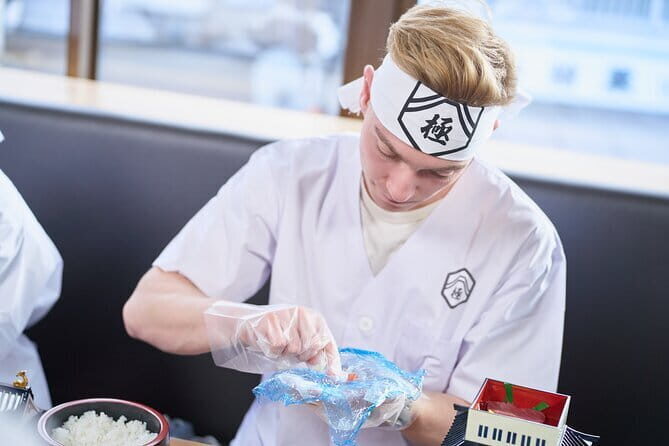
- Mobile ticket convenience: you’ll start with a mobile ticket and a clear meeting point in Fujikawaguchiko.
- Small group size: capped at 15 travelers, so you’re not lost in a crowd.
- Multiple sushi styles: you’ll make Temari, Gunkan maki, Nigiri, and Temaki.
- Fresh wasabi moment: you get to grate domestic wasabi to finish your sushi.
- Puzzle-style missions: activities like sushi pearls and decorative boats add a playful twist.
- Food-meal payoff: lunch and dinner are included, so you’re not leaving hungry.
Sushi, puzzles, and Mt. Fuji views: what this experience really feels like
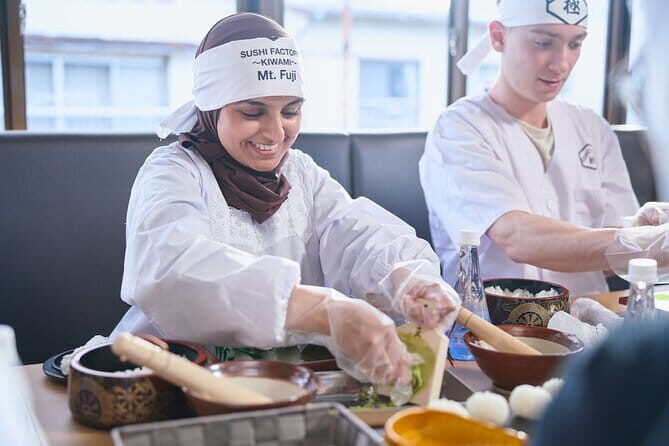
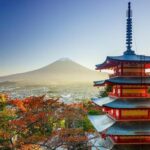
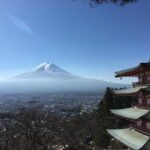
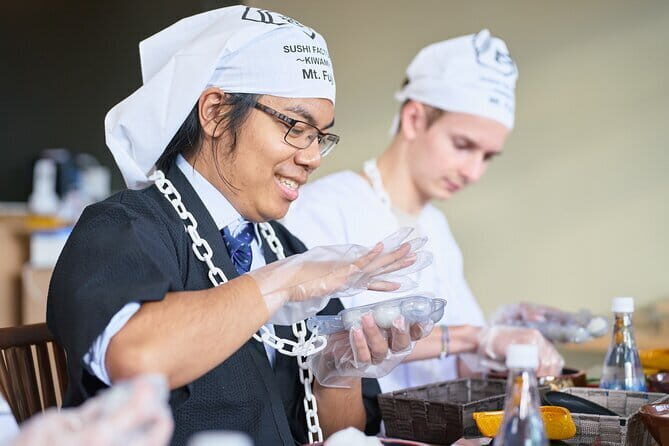
This is a sushi-making class set in Fujikawaguchiko-machi, with Mt. Fuji as the big backdrop energy. The core is straightforward: you learn to make sushi step by step with a local instructor. But the approach is intentionally not stiff. The lesson is built around puzzle-like missions and creative “craft” tasks that make you slow down just enough to learn technique—and then speed up because the next challenge is calling.
In practice, that means you’re doing more than one sushi style. You’ll work through Temari, Gunkan maki, Nigiri, and Temaki, which is a smart mix because each one pushes a different skill. Nigiri is all about rice consistency and topping placement. Temaki is a hands-on form technique. Gunkan maki is about getting that cup shape right so the filling holds. Temari leans into shaping and presentation. The puzzle format turns those into repeatable skills instead of one-off instructions.
Now, about that “gimmicky” criticism: one review called it overpriced and too gimmicky, and another noted it might not feel like a cultural experience in the way some people expect. That’s a fair warning. This class is Japanese food culture, but filtered through an entertainment-style workshop. If your ideal trip includes quiet craft traditions and long explanations, you might want to pair this with a more museum/heritage-focused stop. If your ideal trip is active learning, eating what you make, and getting a fun story out of the day, this fits nicely.
You can also read our reviews of more cooking classes in Fujikawaguchiko machi

Where the class starts in Fujikawaguchiko
The meeting point is Ramen Factory Mt.Fuji, 3487-15 Funatsu, Fujikawaguchiko, Minamitsuru District, Yamanashi 401-0301, Japan. The end point is back at the meeting point, so you don’t need to worry about getting across town after the class.
A couple practical points matter here:
- It’s near public transportation, which helps if you’re staying in the Fuji Five Lakes area and using buses or trains.
- It uses a mobile ticket, so you won’t be hunting for printed confirmations.
Also, because the group is capped at 15, arriving on time really helps. You’ll want to settle in and get your workstation set up before the instructor moves into hands-on mode.
Price and value: what you’re paying for (and what you aren’t)
The price is $141.84 per person for an activity lasting about 1 hour 30 minutes. That sounds like a lot until you look at what’s included: lunch, dinner, and all fees and taxes are part of the package.
You’re also not paying for transportation service. So if you’re relying on taxis or arranging door-to-door transfers, budget that separately.
Here’s the value logic I’d use as a decision tool:
- If you’d otherwise pay for two meals while you’re in Fujikawaguchiko, this price can feel less steep because you’re covering food costs.
- If you’re trying to avoid wasteful “tour-only” experiences where you leave with one small bite and a photo, this class is different because you’re actively making sushi (and you’ll eat).
- If you hate structured activities and prefer free time, you may feel like you’re paying for the game side as much as the food side. That’s where the “gimmicky” comment comes from.
One review mentioned doing it for a wedding anniversary. It was memorable, and the sushi-making portion was the highlight—so if you want a shared activity that creates a story (not just another meal), you’re in the right place.
Inside the lesson: Temari, Gunkan maki, Nigiri, Temaki
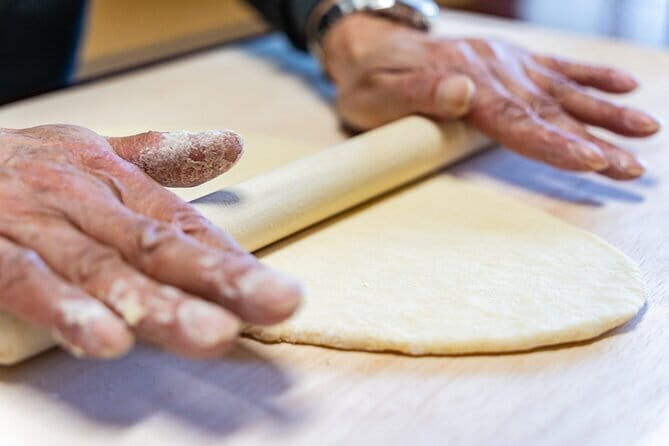
The lesson is guided by a local instructor and built around making several types of sushi. You’ll likely move through stages where you form rice, shape or mold components, and add toppings or fillings. The format is designed so you practice more than one technique, which is where the class becomes useful for you, not just entertaining.
Here’s what each style tends to teach you in a workshop like this:
Temari sushi
Temari is known for being hand-shaped and more decorative. In class, it usually means you’ll focus on compact shaping and presentation—getting the form tight and neat without overthinking it. It’s also a good “confidence builder” because the shape looks impressive even when you’re still learning.
A few more Fujikawaguchiko machi tours and experiences worth a look


Gunkan maki
Gunkan maki is all about holding. You’re shaping rice into a boat-like or cup-like form that can carry toppings. This is where good instruction matters, because if the rice structure is off, the filling won’t sit right. It’s a great technical challenge, and the class’s puzzle-style approach makes it feel like a mission instead of a test.
Nigiri
Nigiri is the classic: rice plus topping. The learning point is technique—how to place toppings cleanly and how to keep the rice from crumbling while you work. This is usually where people realize sushi-making is less about expensive ingredients and more about handling.
Temaki
Temaki is the “hand roll” style, shaped into a cone. You’ll learn how to form it so it stays together long enough to eat properly. It’s hands-on, forgiving in a playful way, and usually feels satisfying because you can build it quickly and see the result immediately.
A small note from one review: a couple made about eight pieces during the experience. Your final count might vary depending on pacing and group flow, but the general idea is consistent—you should leave with a meaningful portion of sushi, not just a taste.
Fresh wasabi: why this little step matters
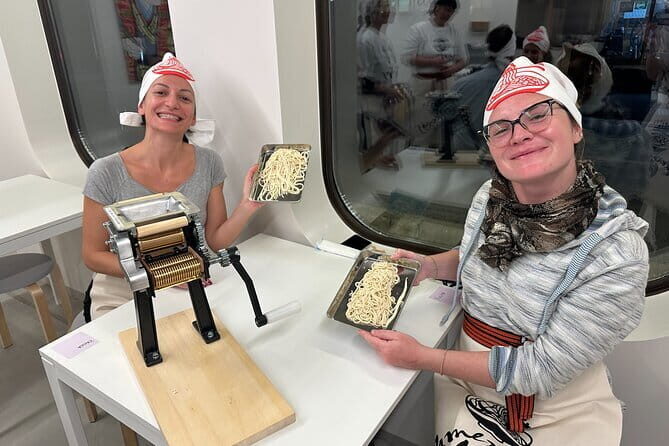
You’ll also get the chance to grate fresh domestic wasabi. This is one of those “small” moments that changes how you understand sushi.
Fresh wasabi has a different punch than the common prepared versions. Grating it yourself forces you to pay attention: the texture changes as you work, and the aroma hits in a way that feels more direct than bottled alternatives. Even if you’re not a wasabi expert, it’s a useful skill cue for understanding why Japanese food culture values freshness and handling.
In a workshop setting, this also becomes part of your final plates. Instead of ending with “we’re done,” you get one more action that upgrades what you make.
The puzzle missions: sushi pearls and decorative boats
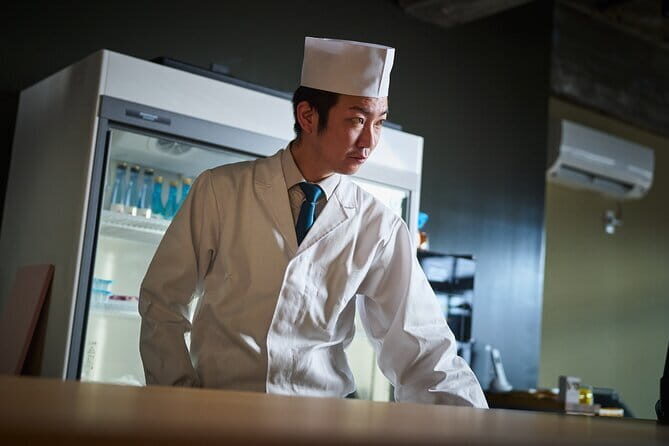
Beyond the core sushi types, the class adds challenges like sushi pearls and building decorative sushi boats. This is where some people will love it and others will grumble.
Here’s the practical reason these tasks work:
- They slow you down just long enough to learn technique.
- They break the lesson into bite-sized wins.
- They turn shaping steps into something memorable.
Sushi pearls suggest small crafted bits—likely a shaping or portioning challenge. Decorative boats are a presentation task. Both help you build a sense of confidence because you’re not only making food; you’re making something that looks deliberate.
If you’re worried about “gimmicks,” treat this as a playful teaching method. You’re there to learn how sushi is put together and then take a piece of that learning home with you through the experience of making it.
The meal payoff: lunch and dinner included
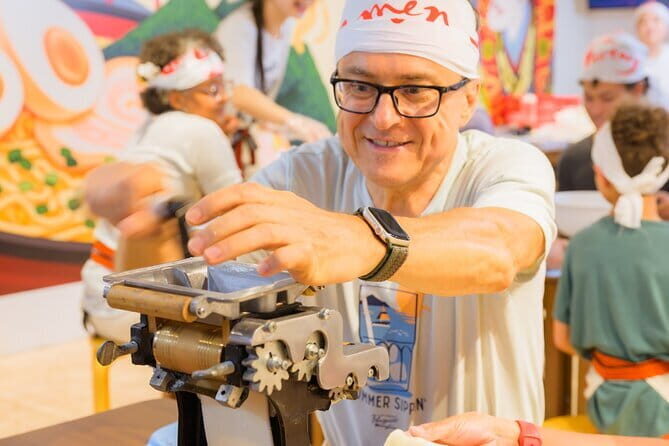
Lunch and dinner are included, and that matters. Many cooking classes feed you a snack and call it a day. Here, the meal structure gives you a longer runway to enjoy what you’re making and not rush off right after the workshop ends.
Since the activity duration is about 1 hour 30 minutes, think of the class as a concentrated session followed by a proper eating block. You’ll likely taste and enjoy the sushi you craft, and the included meals help round out the experience so you’re not building your day around a single small plate.
For practical planning: if you have food allergies or strong preferences, you’ll want to confirm details when you book. The provided info doesn’t list ingredient specifics, so don’t assume everything will be customizable.
Group size and pacing: what up to 15 travelers changes
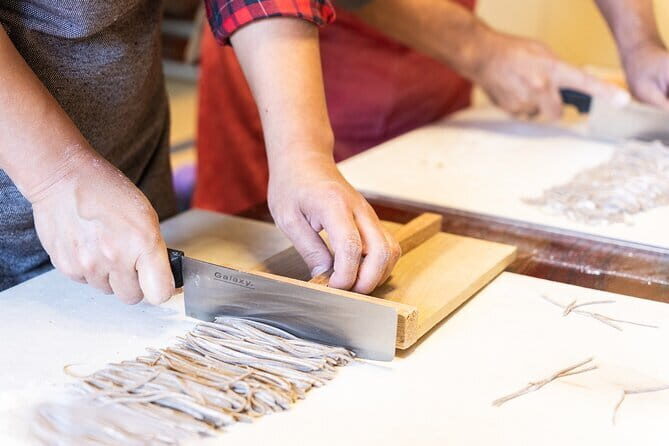
The maximum group size is 15. That single detail often makes the difference between a fun workshop and a frustrating one.
In a group of this size, it’s more realistic that:
- you’ll get enough instruction during active shaping,
- you won’t wait forever for individual help,
- you can keep pace through the puzzles and missions.
Also, small groups make it easier to watch the techniques of others and adjust your own hands. Even if your sushi isn’t perfect, seeing how the instructor expects each step to look helps you correct quickly.
Location experience: pairing the class with your Fuji day
Because the class is in Fujikawaguchiko-machi (Funatsu area), it fits well into a broader Mt. Fuji day plan. This region is built for short outings: viewpoints, lakeside walking, and quick museum-style stops. Sushi cooking fits naturally because it’s a “do it now” activity that doesn’t require much extra logistics once you’re in the area.
Also, you’re not spending the whole day locked into a single indoor room. The setting is described as having a stunning view of the local area, which means the workshop day likely feels more special than a standard kitchen studio.
If your Fuji itinerary is tight, a 1.5-hour activity with meals included is a practical win. It’s long enough to learn real technique, short enough to still enjoy the lakeside or nearby streets afterward.
Who should book this sushi class, and who might skip it
This is a great fit if you want:
- hands-on sushi skills rather than a passive food tour,
- a fun, puzzle-and-craft workshop style,
- a small group activity with a clear meeting point,
- and an experience where lunch and dinner are covered.
It may not be the best fit if you:
- want a quiet, traditional cultural deep dive with lots of historical context,
- dislike game-like missions or feel turned off by “entertainment” framing,
- or are very sensitive to price for shorter activities (this is not a cheap class, even with meals included).
Final call: should you book Sushi Cooking Class at Sushi Factory -KIWAMI- Mt.Fuji?
I’d book it if you’re excited to learn sushi construction, grate wasabi yourself, and leave with a plate that reflects your effort—not just someone else’s handiwork. The value feels stronger than the sticker price because lunch and dinner plus fees and taxes are included, and the small group size helps you get proper attention.
I’d hesitate if you’re expecting a traditional culture lecture. This is Japanese food culture, but taught through action, puzzles, and crafts. If that’s your kind of learning, it’s a memorable way to spend a Fuji day. If you want something more solemn and historical, use this as a fun cooking stop and pair it with a more traditional sightseeing anchor.
FAQ
Where is the meeting point for the sushi cooking class?
The class starts at Ramen Factory Mt.Fuji, 3487-15 Funatsu, Fujikawaguchiko, Minamitsuru District, Yamanashi 401-0301, Japan.
How long does the experience last?
The duration is approximately 1 hour 30 minutes.
What is the price per person?
The price is $141.84 per person.
What’s included in the price?
Lunch, dinner, and all fees and taxes are included.
Is transportation included?
No. Transportation service is not included.
How many people are in the group?
The activity has a maximum of 15 travelers.
What types of sushi will I make?
You’ll learn to make Temari, Gunkan maki, Nigiri, and Temaki sushi.
Do I receive a mobile ticket?
Yes. The experience features a mobile ticket.
What is the cancellation policy?
You can cancel for a full refund up to 24 hours in advance of the experience’s start time.